



HKUST Boundless Article
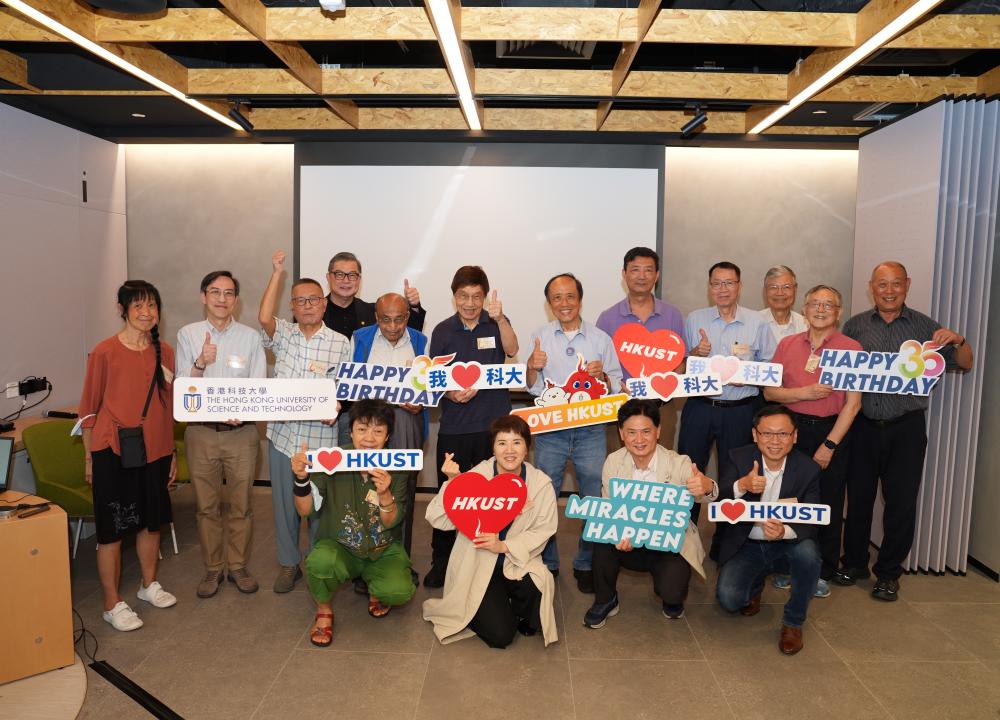
After dedicating the prime of their lives to HKUST, Professors Emeriti remain an active and valued part of the University community. Since 2022, a group of devoted former faculty has come together to establish the HKUST Retired Professor Association (RPA), with the hope of continuing to contribute to the University in meaningful ways.
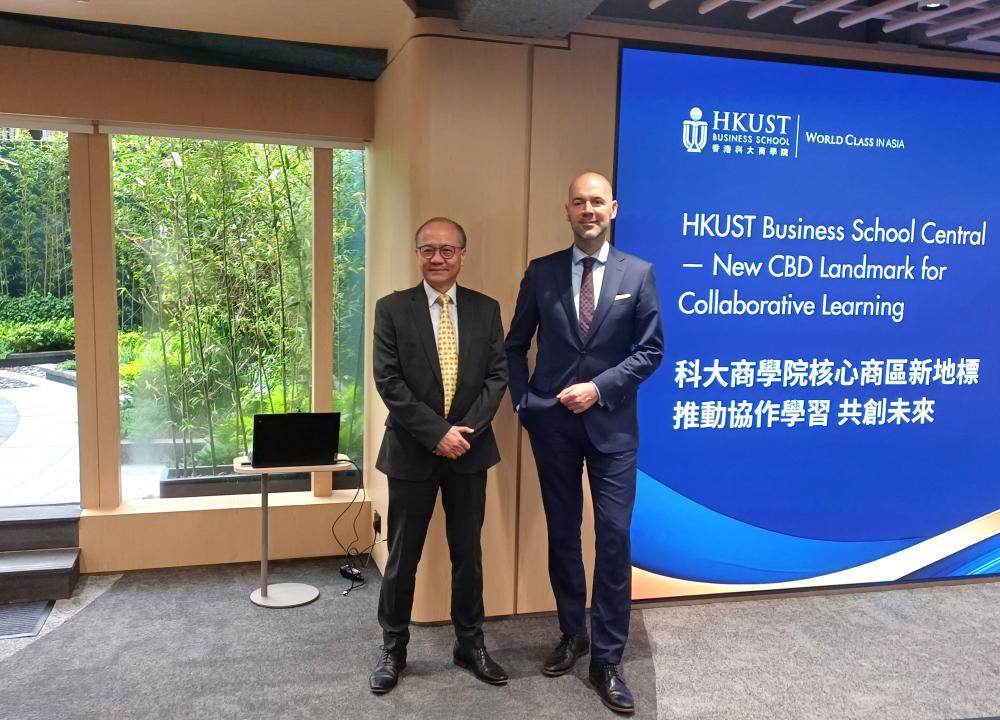
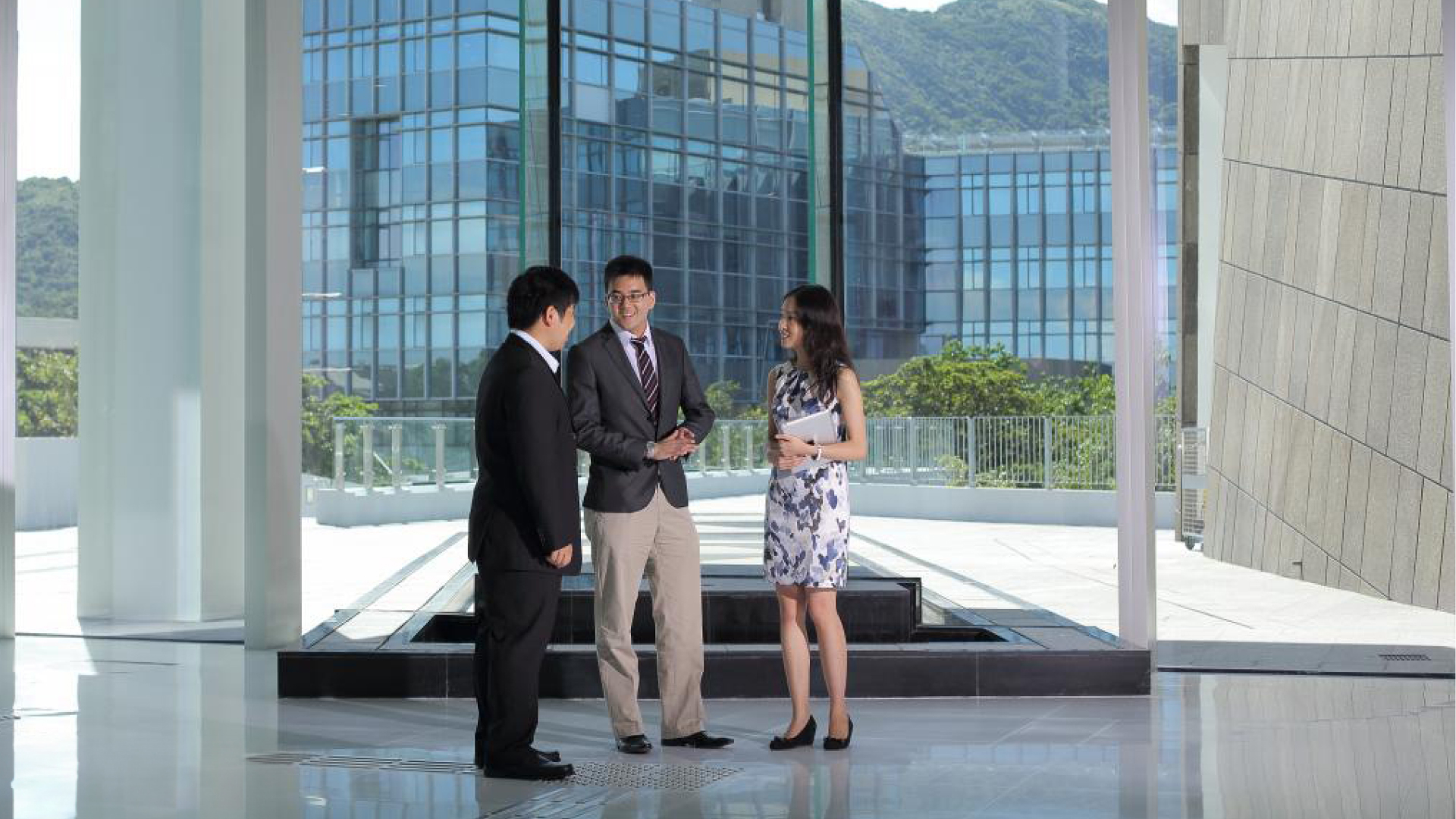
Amid the premier commercial and office buildings of the towering financial core, a new intellectual force has taken root. HKUST's School of Business and Management (HKUST Business School) has significantly expanded its footprint into the heart of Hong Kong’s Central Business District with the launch of its brand-new Business School Central (BSC).
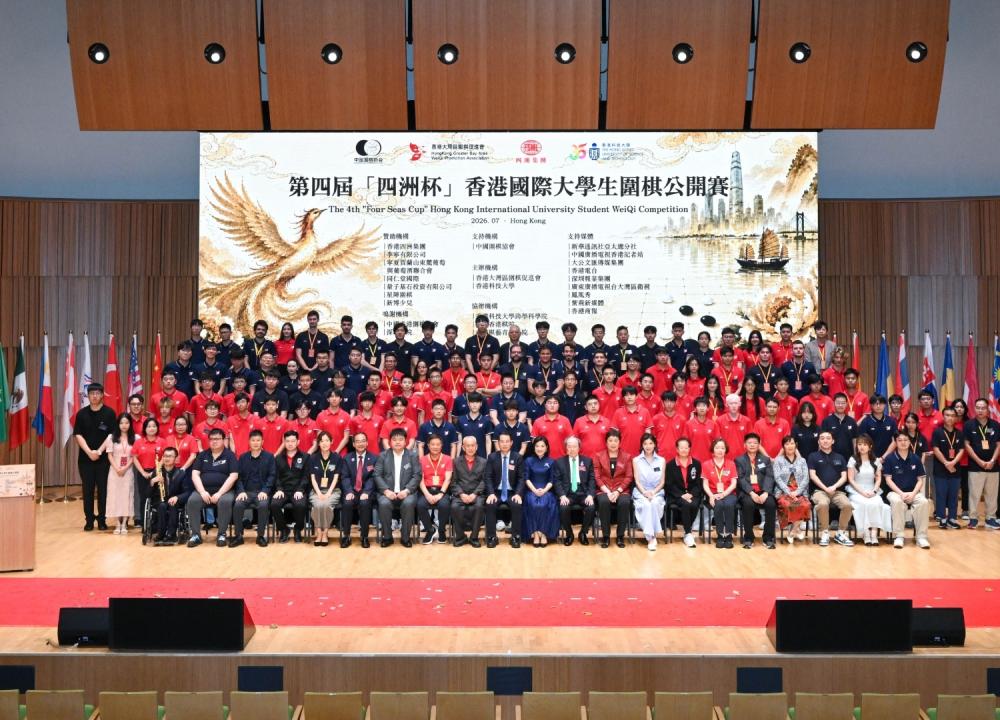
Weiqi, one of the oldest known board games in human history, requires complex strategic maneuvers while also promoting Chinese culture to a broader audience, helping bridge cultures and bring young people together.
HKUST therefore co-hosted the 4th "Four Seas Cup" Hong Kong International University Student Weiqi Competition with the Hong Kong Greater Bay Area Weiqi Promotion Association from July 15 to 18, bringing together top players from universities across China, Japan, Korea, and Southeast Asia.

The Flag Raising Ceremony held on July 1 at the Clear Water Bay campus served as a powerful platform for instilling a strong sense of national identity, nurturing crucial personal development, and highlighting the interconnectedness with the Guangzhou campus.
This highly meaningful occasion marked the 29th Anniversary of the Establishment of the Hong Kong Special Administrative Region (HKSAR) of the People’s Republic of China, with an exemplary display by the Flag Guard Team.



Artificial intelligence is rapidly changing how people learn, work, communicate, and make decisions. While much of the public discussion focuses on technological breakthroughs, AI is also prompting deeper questions about ethics, culture, language, governance, identity, and the very nature of knowledge.
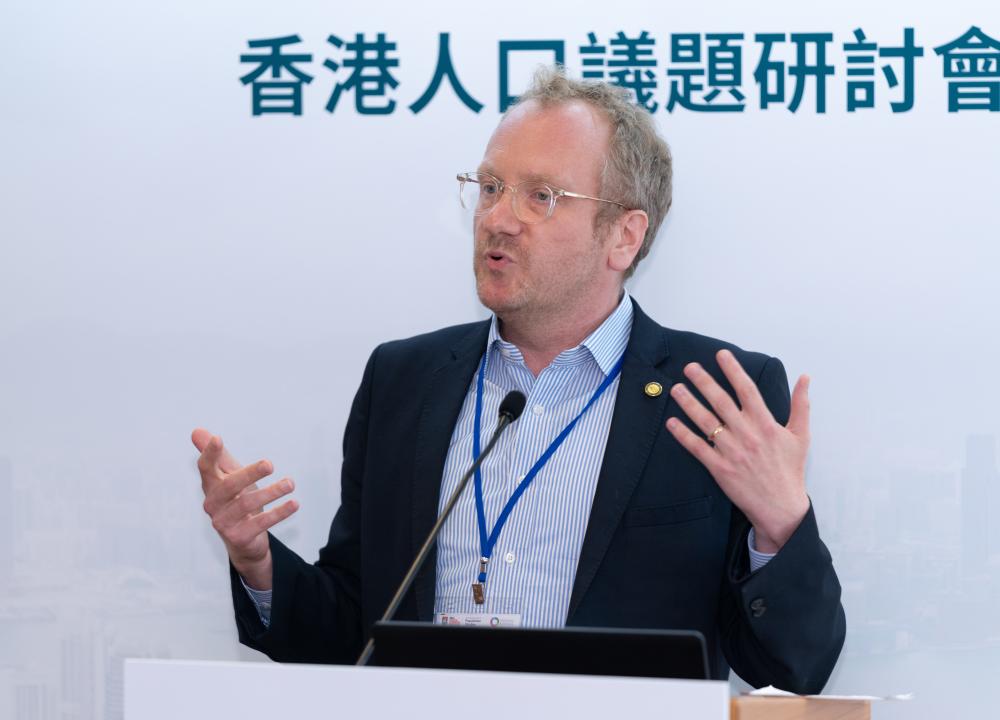
Prof. Stuart Gietel-Basten, Associate Dean for Research, Global Engagement, and Equity, Diversity, and Inclusion (EDI) at HKUST's School of Humanities and Social Science, has been appointed to the G7 Gender Equality Advisory Council in recognition of his leadership and scholarly work in social science and public policy.
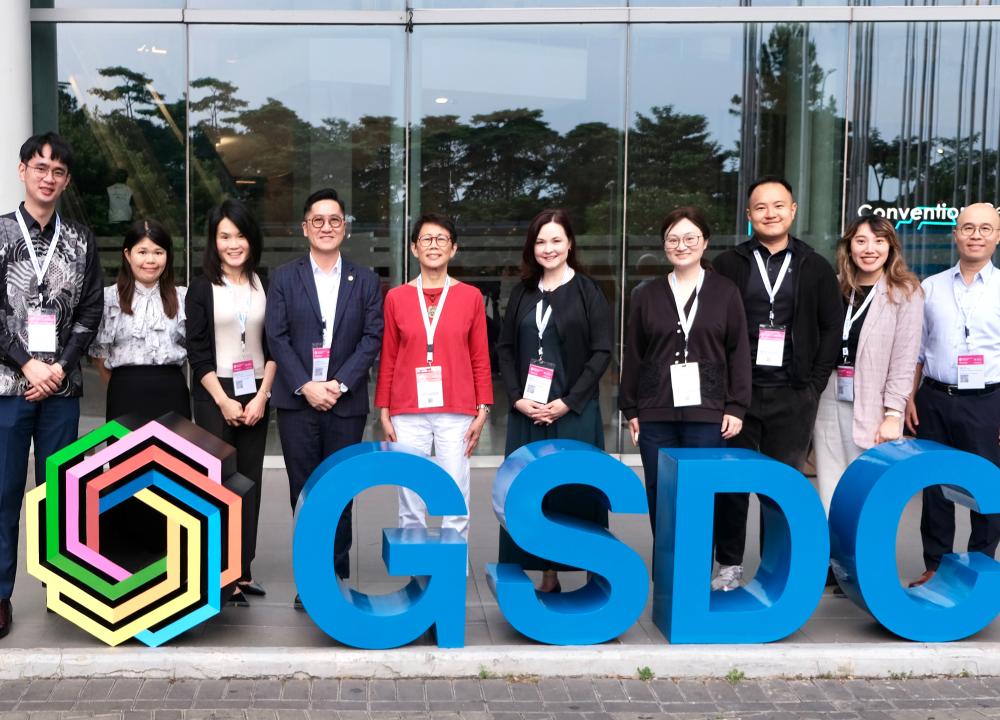
Climate change, urban resilience, biodiversity loss — three challenges in three different fields, but one shared truth: no single institution, sector, or region can solve any of these problems alone.
That conviction anchored this year's Global Sustainability Development Congress (GSDC), with HKUST serving as the sole Future Health Partner.
GSDC brought together leaders from higher education, government, business, and civil society in Jakarta, Indonesia, from 22 to 25 June.