





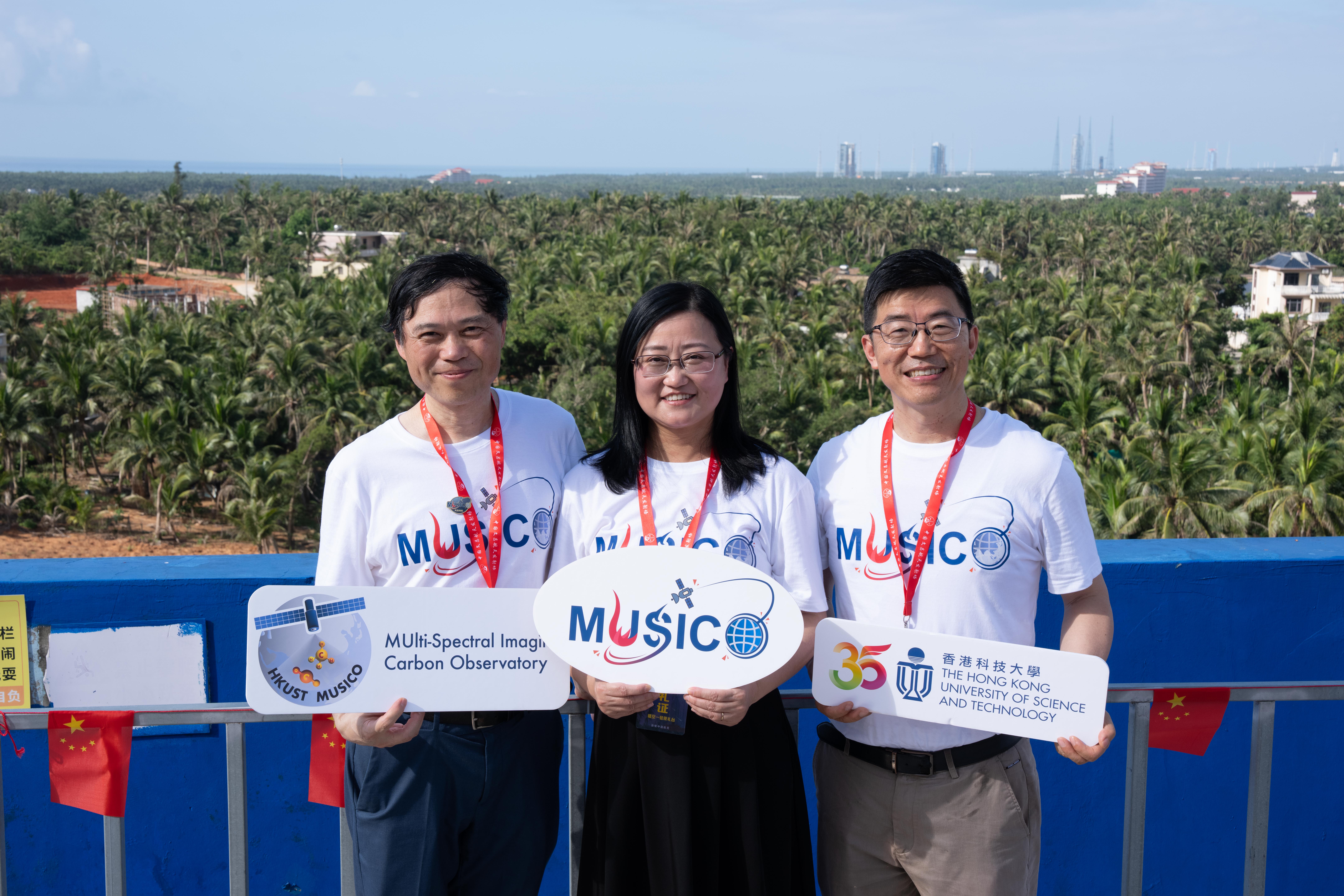
The horizon of Hong Kong’s scientific achievement reached beyond the atmosphere on May 11, 2026.
As the Tianzhou-10 cargo spacecraft docked with the Tiangong Space Station, it carried a piece of HKUST innovation into the stars.
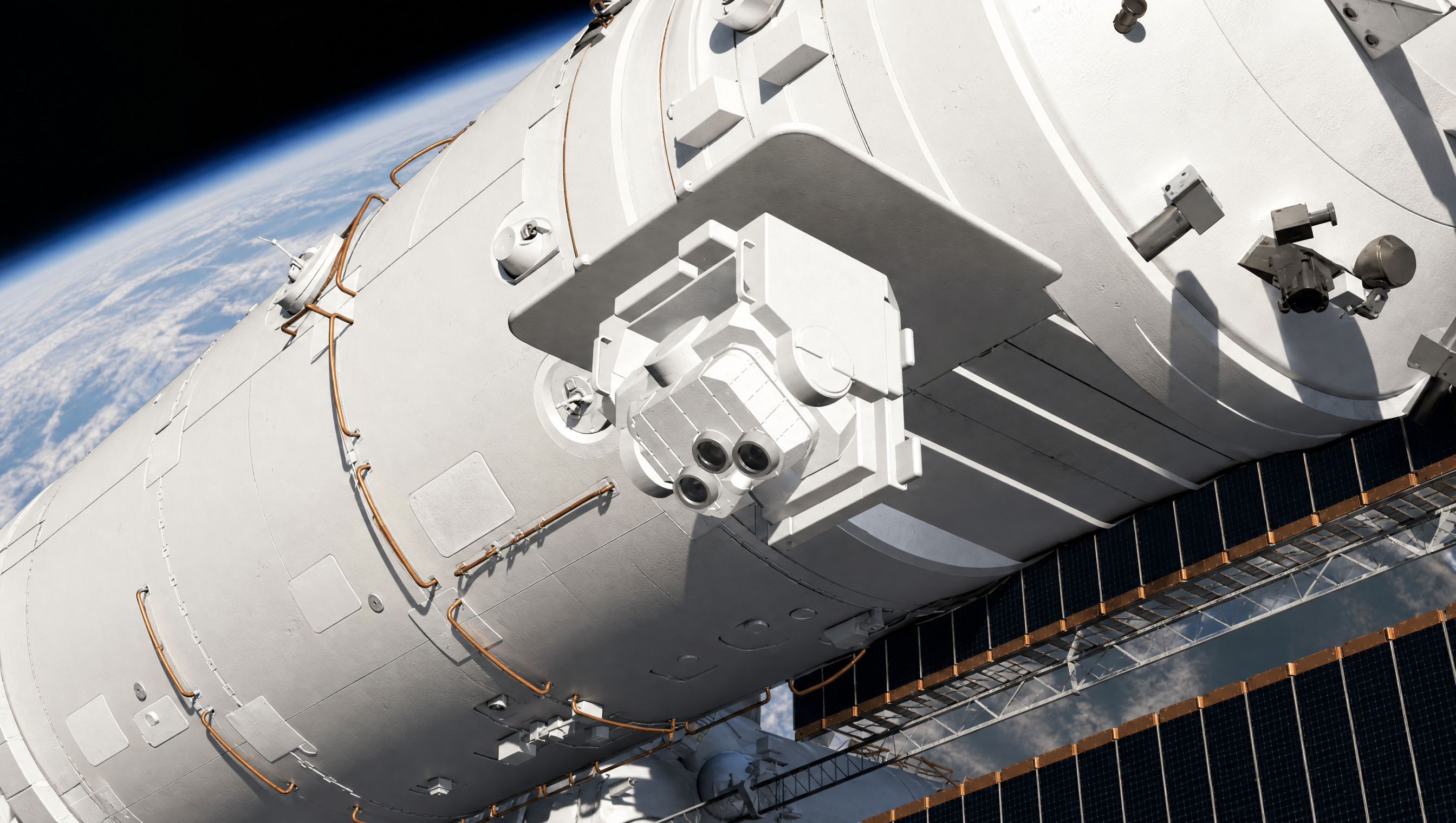
The Multi-Spectral Imaging Carbon Observatory (MUSICO), also dubbed the “Eye for Space”, is a wonder to behold.
It is the world’s first lightweight observatory of its kind, combining high-resolution imaging with high-precision measurements to pinpoint sources of carbon dioxide and methane emissions from space.
More importantly, it is the first-ever scientific payload from Hong Kong to be deployed on the national space station.
Led by HKUST, this mission marks a historic breakthrough, validating Hong Kong’s prowess in developing high-end aerospace instruments.
“This project not only highlights HKUST’s accumulated strengths in aerospace engineering, satellite remote sensing, and environmental engineering, but also proves that Hong Kong’s research capabilities can make substantial contributions to the nation’s highest-level aerospace platforms,” said Prof. Nancy IP, President of HKUST.
Prof. SUN Dong, Secretary for Innovation, Technology and Industry of the HKSAR Government, noted that MUSICO is a major milestone in Hong Kong’s participation in national space missions.
This highly advanced technology would provide high‑quality scientific data to support the national dual‑carbon goals of achieving peak carbon emissions and carbon neutrality, as outlined in the 15th Five‑Year Plan, he said.
Smaller Than a Washing Machine
While typical industrial carbon monitors tend to be massive, the HKUST-led team achieved the near-impossible. They shrank a high-precision observatory into a package roughly the size of a domestic washing machine. Incredibly, it is about 60 centimeters long and weighs less than 80 kilograms. Yet it is nevertheless extremely powerful.
Operating at 400 kilometers above Earth, MUSICO measures the intensity of sunlight as it passes through the atmosphere and reflects off the planet. By analyzing “optical fingerprints,” it can detect greenhouse gas concentrations with a spectral resolution of only 0.2 nanometers.
Moreover, MUSICO can identify emission sources on the ground within a 100-meter grid, allowing it to pinpoint specific emitters such as power plants, coal mines, and landfills, covering an estimated 99% of carbon dioxide and methane emissions from these sources nationwide.
A Miracle Two Years in the Making
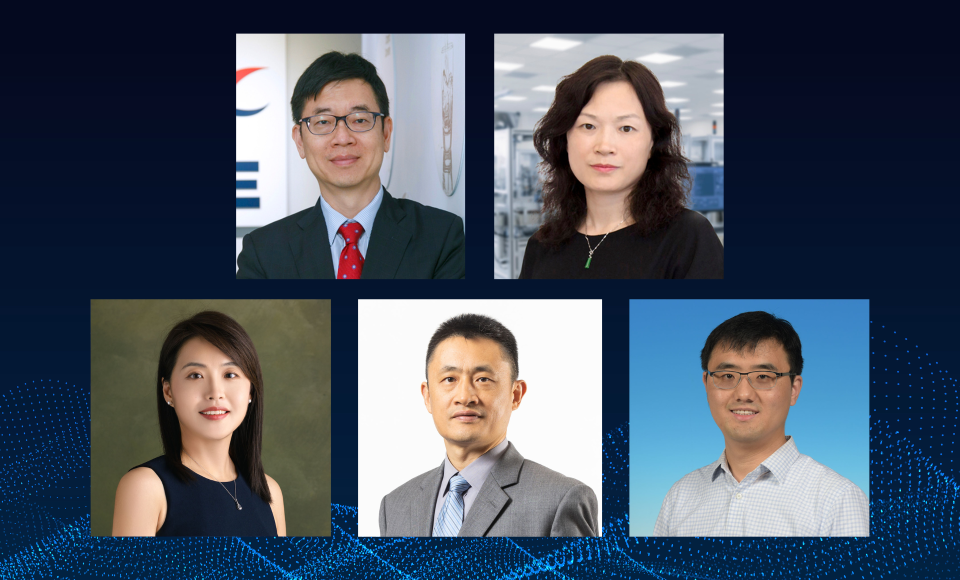
MUSICO’s journey to the Tiangong Space Station was nothing short of an engineering marvel, according to Prof. SU Hui, Project Lead, Chair Professor of the Department of Civil and Environmental Engineering, and Global STEM Professor at HKUST. To make this happen, the team had to ensure optical perfection and mechanical stability under strict size and weight constraints.
“It is a miracle,” Prof. Su reflected, noting how the project progressed from conception to launch in just two years. “Integrating these key technologies into a lightweight payload represents a landmark engineering and scientific achievement, demonstrating that the technology has reached internationally advanced standards.”
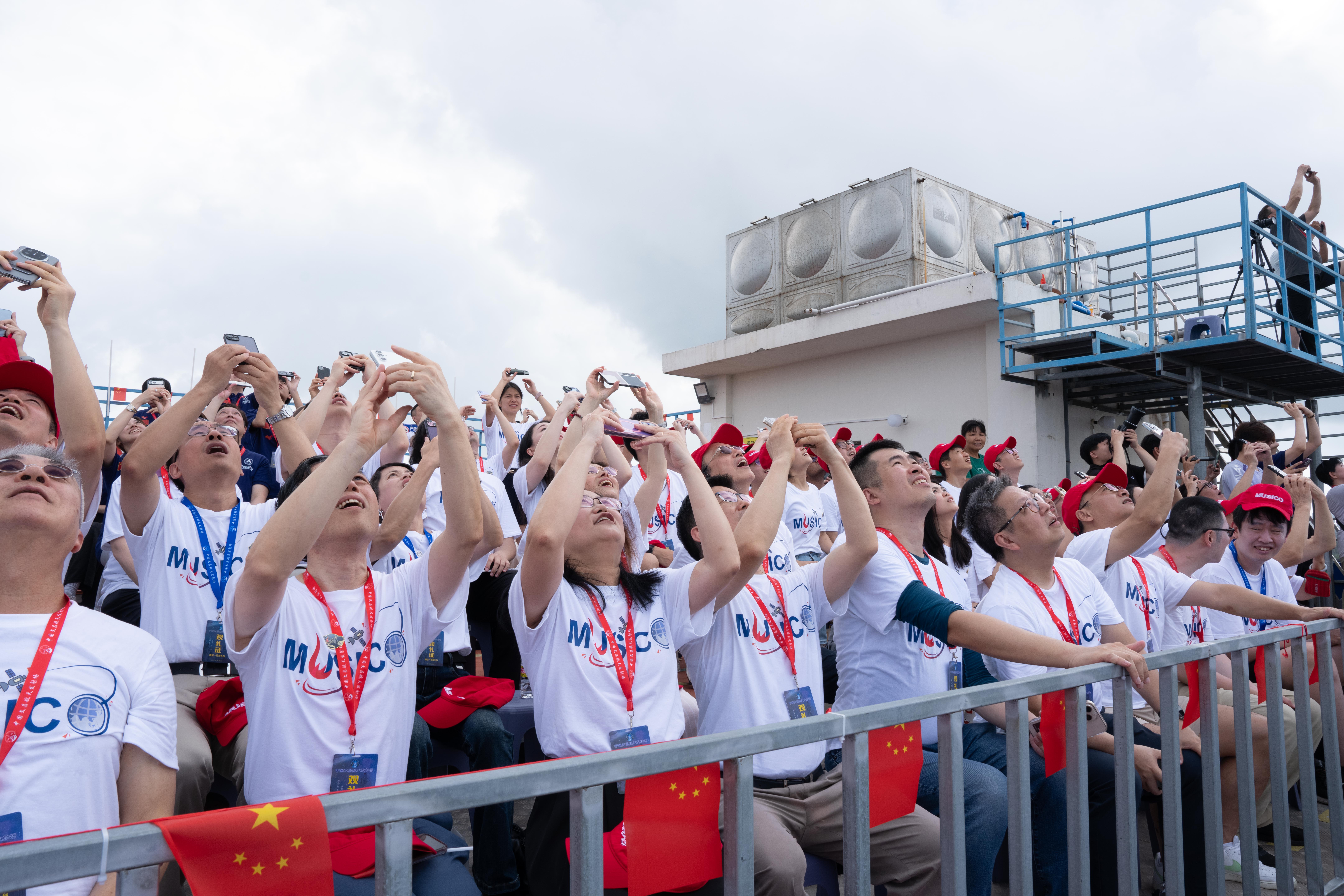
The moment of triumph came at the Wenchang Space Launch Site in Hainan. A group of 70 HKUST members watched the rocket blast off, a scene Prof. Su describes with great pride and immense relief.
For a Greener Tomorrow
MUSICO’s mission extends far beyond the technical; it is a tool for global climate governance. Prof. ZHANG Limin, Co‑Project Lead, National Engineer Awardee and Head of the Department of Civil and Environmental Engineering at HKUST, emphasized that the data will be shared with government agencies and research institutions in Hong Kong, across the Greater Bay Area and at the national level.
These include the Ministry of Ecology and Environment and the HKSAR’s Environmental Protection Department, the Hong Kong Observatory, and local industry leaders such as CLP Power, all of whom will use the data to refine emission assessments. Additionally, MUSICO will provide the scientific backbone for cross‑regional climate research along the Belt and Road.
This historic feat was made possible through an interdisciplinary dream team led by HKUST, involving the Departments of Civil and Environmental Engineering and Computer Science and Engineering, as well as the Divisions of Emerging Interdisciplinary Areas, Environment and Sustainability, and Public Policy, alongside partners from Hong Kong Baptist University and Lingnan University.
The project received approval from the Technology and Engineering Center for Space Utilization of the Chinese Academy of Sciences (CAS). It is jointly developed with the CAS Changchun Institute of Optics, Fine Mechanics and Physics, and it is supported by the Innovation and Technology Commission of the HKSAR and the HKUST-incubated startup Stellerus Technology Limited.
As MUSICO begins its mission in orbit, it marks the start of a new chapter in which HKUST helps shape the future of both our nation and our planet. It is a powerful testament to what can be achieved when we aim for the stars through vision, collaboration, and relentless innovation.