



HKUST Boundless Article
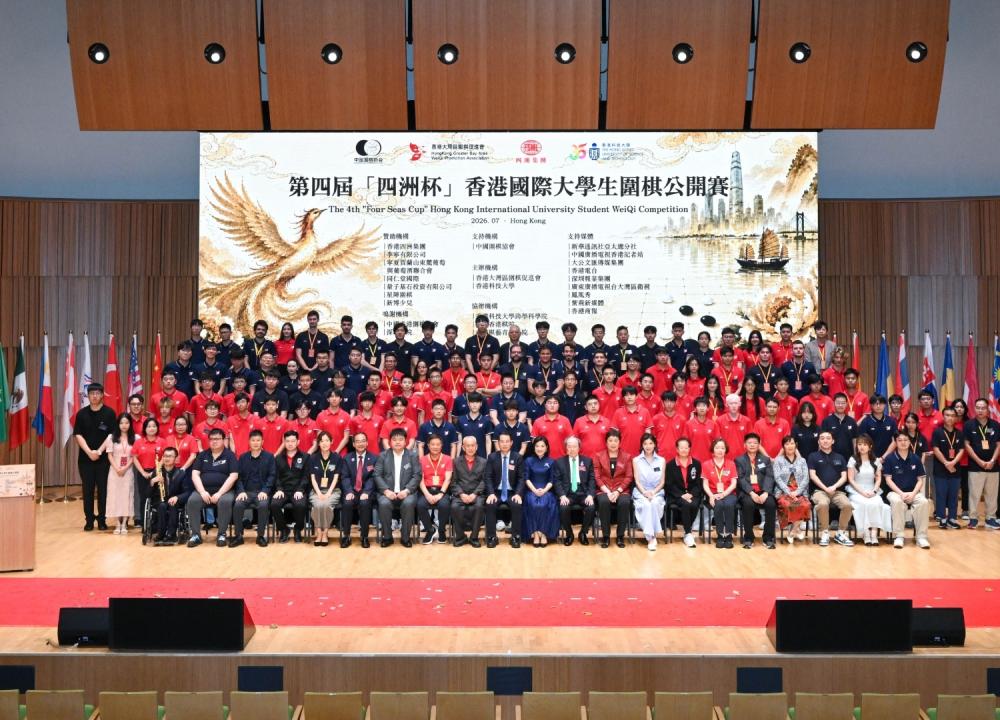
Weiqi, one of the oldest known board games in human history, requires complex strategic maneuvers while also promoting Chinese culture to a broader audience, helping bridge cultures and bring young people together.
HKUST therefore co-hosted the 4th "Four Seas Cup" Hong Kong International University Student Weiqi Competition with the Hong Kong Greater Bay Area Weiqi Promotion Association from July 15 to 18, bringing together top players from universities across China, Japan, Korea, and Southeast Asia.
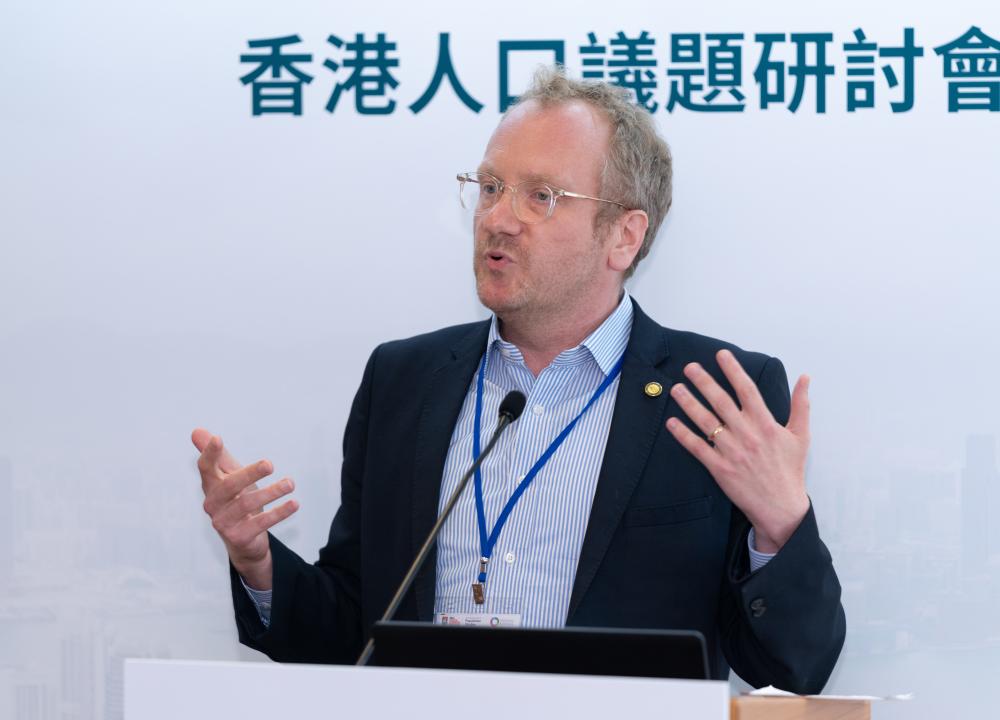
Prof. Stuart Gietel-Basten, Associate Dean for Research, Global Engagement, and Equity, Diversity, and Inclusion (EDI) at HKUST's School of Humanities and Social Science, has been appointed to the G7 Gender Equality Advisory Council in recognition of his leadership and scholarly work in social science and public policy.
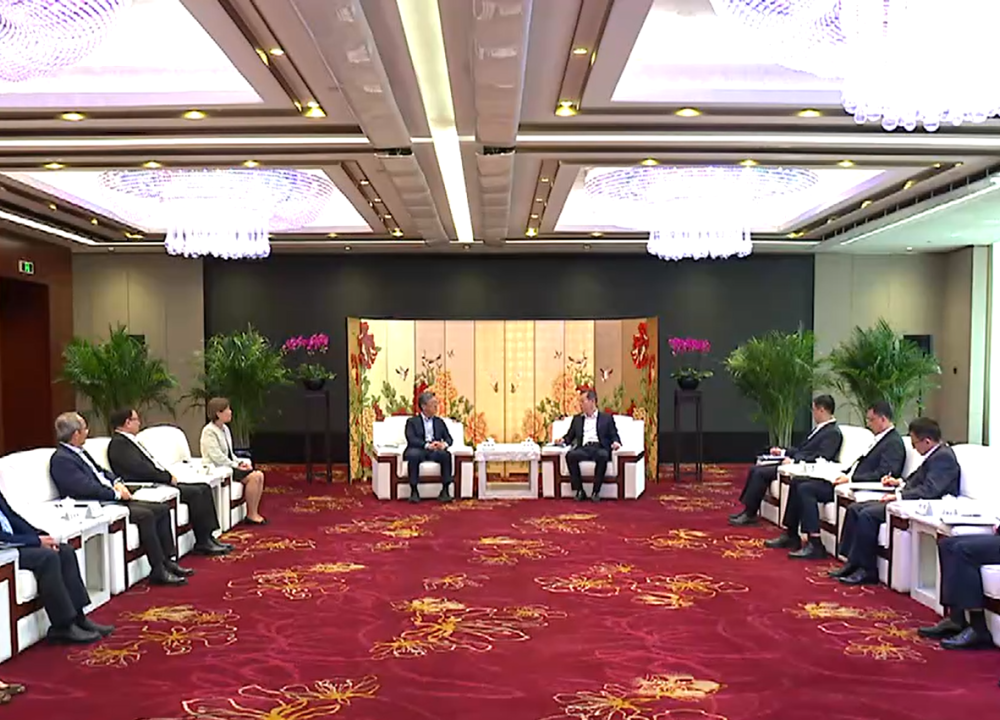
A high-level HKUST delegation, led by Council Chairman Prof. Harry SHUM, President Prof. Nancy IP, and HKUST(GZ) President Prof. Lionel NI, met with Guangzhou Party Secretary FENG Zhonghua and Mayor SUN Zhiyang in Guangzhou to discuss deepening university-city collaboration and advancing high-quality development in education, science, technology, and talent across the Greater Bay Area (GBA).
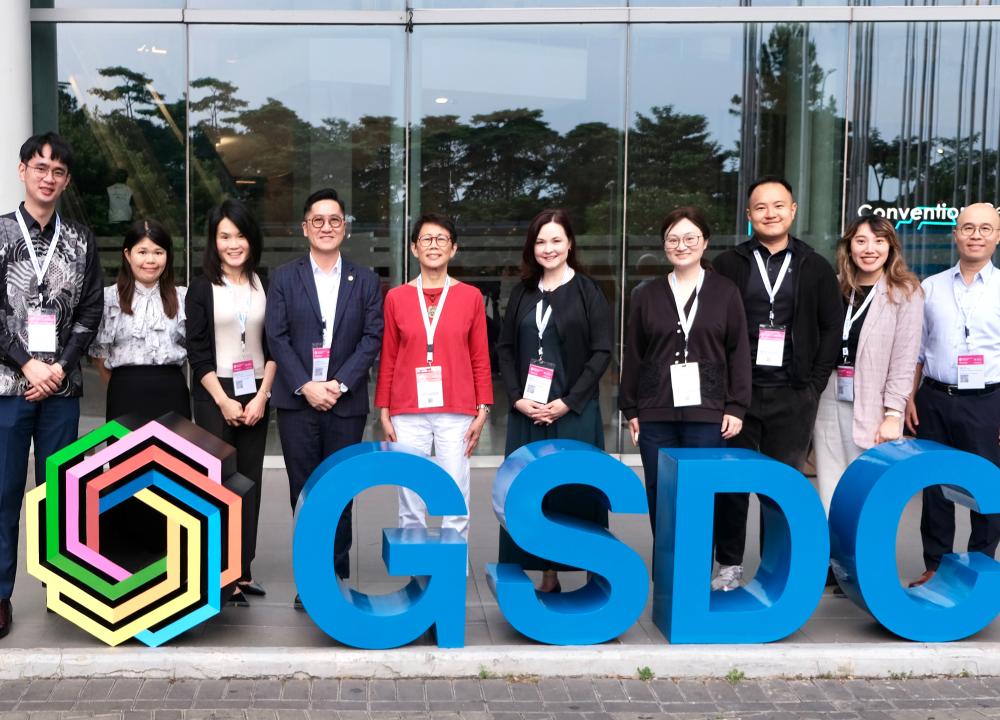
Climate change, urban resilience, biodiversity loss — three challenges in three different fields, but one shared truth: no single institution, sector, or region can solve any of these problems alone.
That conviction anchored this year's Global Sustainability Development Congress (GSDC), with HKUST serving as the sole Future Health Partner.
GSDC brought together leaders from higher education, government, business, and civil society in Jakarta, Indonesia, from 22 to 25 June.
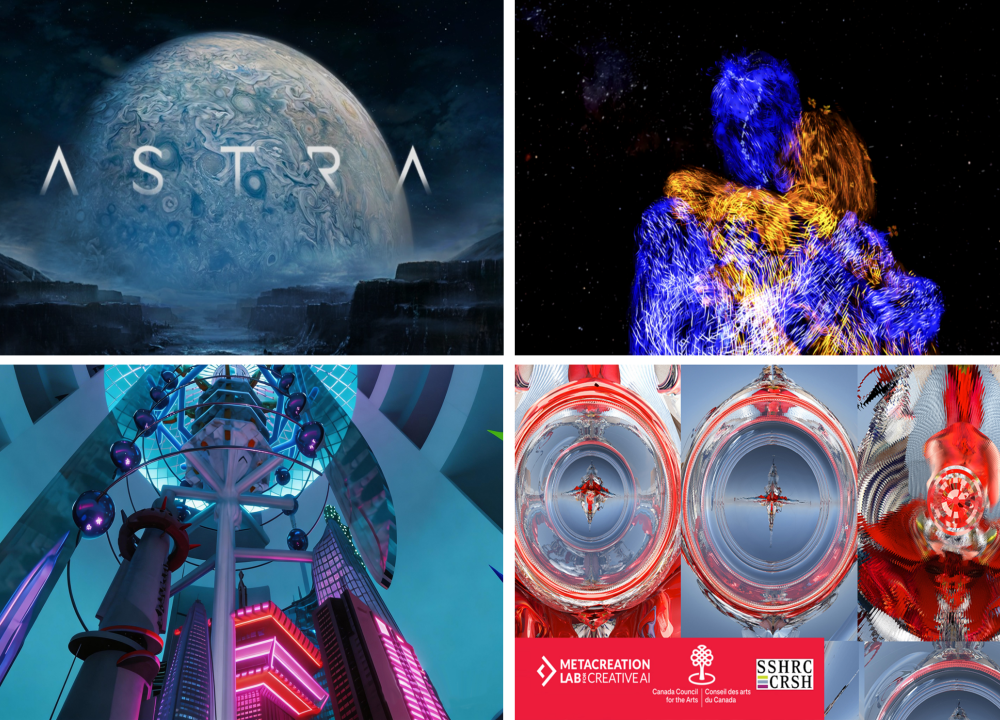
Imagine you could defy the boundaries of space: in an instant, you travel from HKUST's Clear Water Bay campus to its Guangzhou campus, and then back again in the blink of an eye. It is like stepping through Doraemon's "Anywhere Door" – transcending geography, dissolving distance.
In today's world, this is no longer science fiction. Thanks to groundbreaking technologies like Mixed Reality (MR) and Artificial Intelligence (AI), this magical experience has become a reality. And this summer, it is happening right at HKUST.
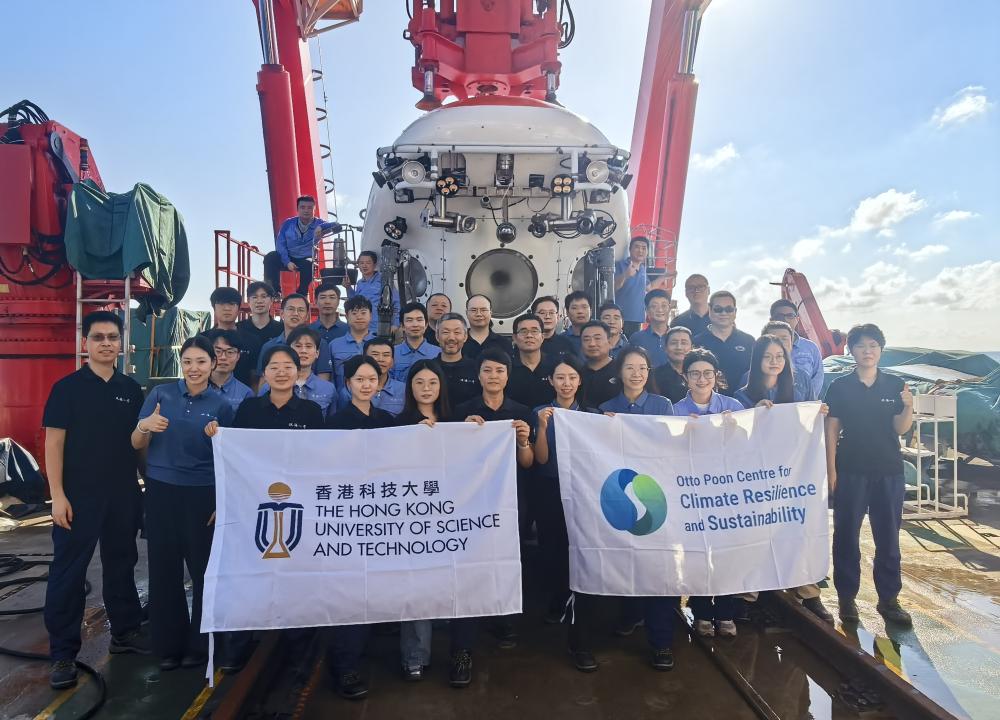
A deep-sea scientific expedition aboard the research vessel Shenhai Yihao to the Haima cold seep in the South China Sea marked the first time a large group of early-career researchers from Hong Kong has participated in such a manned deep-diving voyage.
The achievement represents a major step forward for Hong Kong scholars in engaging deeply with national deep-sea research platforms and international deep-sea scientific programs.
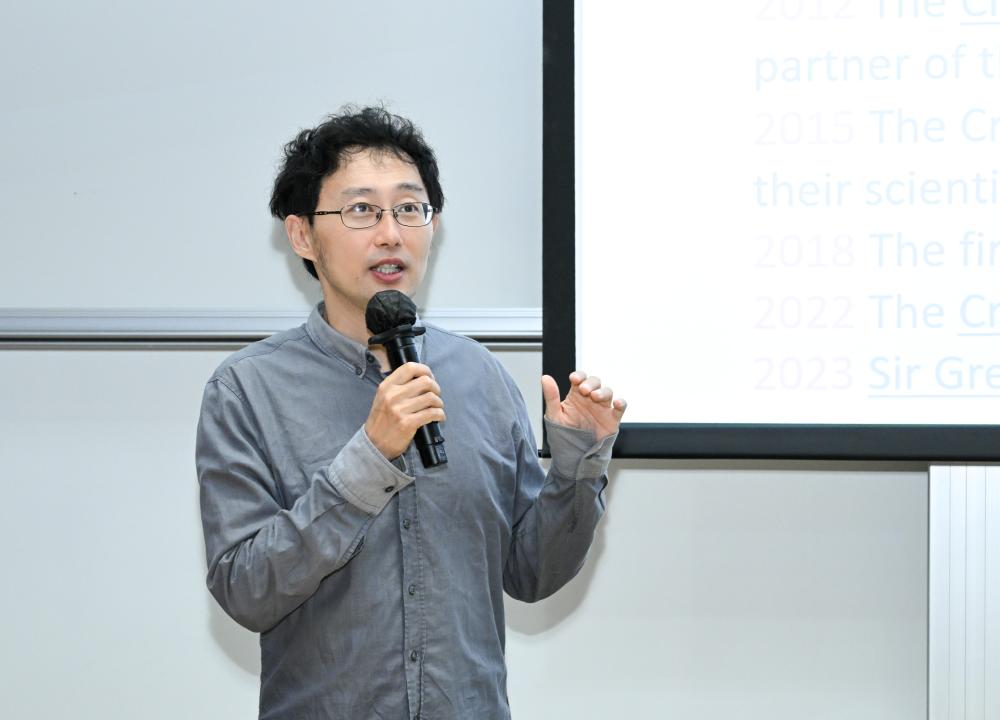
Bridging the gap between theoretical physics and industrial semiconductor engineering will help cultivate the next generation of quantum innovators in our region, according to Prof. Sen YANG, Director of the Center for Complex Quantum Systems (CCQS) and Professor of Physics at HKUST.
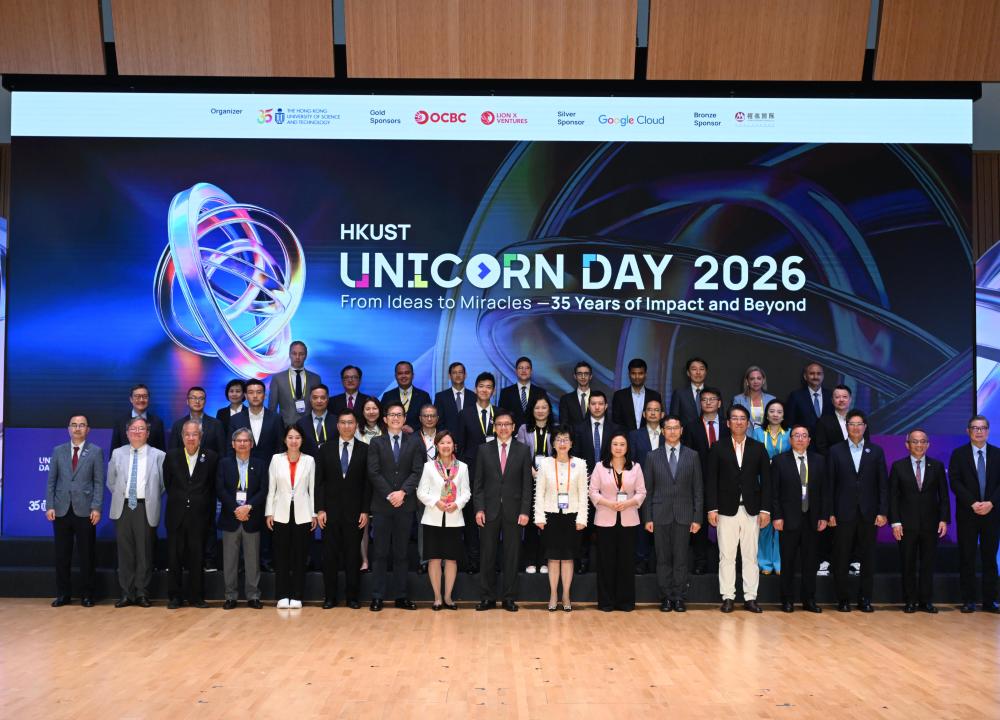
HKUST’s Unicorn Day returned this year as a vibrant showcase of the University’s growing influence in entrepreneurship and innovation, bringing together a global community to reflect on its achievements and look ahead to what comes next.