



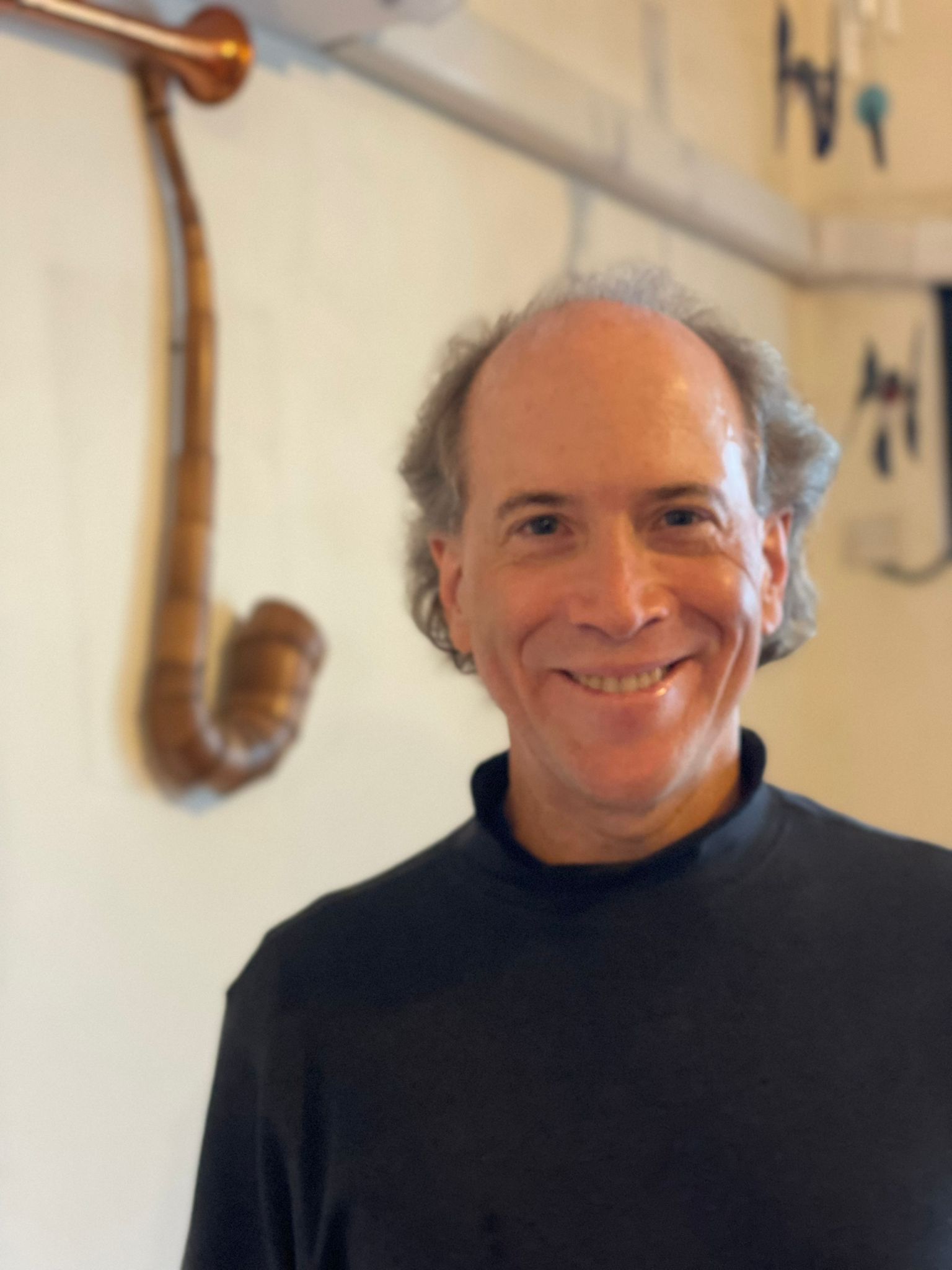
Walking past a Computer Science classroom, you might expect rows of students focused on complex algorithms or code. But a lecture by Professor Andrew HORNER from the Department of Computer Science and Engineering is quite different.
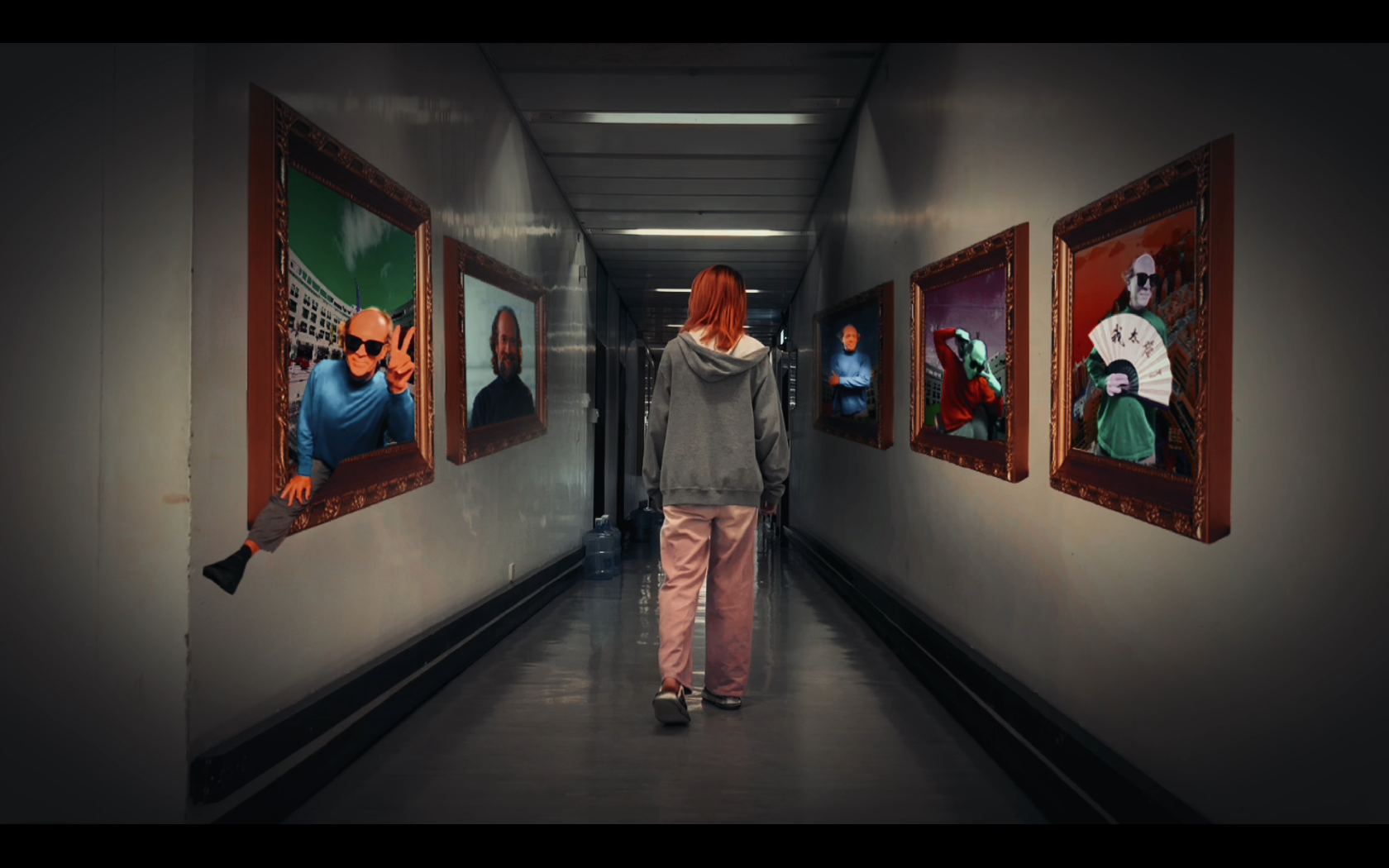
There, the air crackles with the energy of what Prof. Horner calls a “Hogwarts magic class,” where students learn to cast visual and sound spells in music videos and trailers as audio designers, editors, and directors.
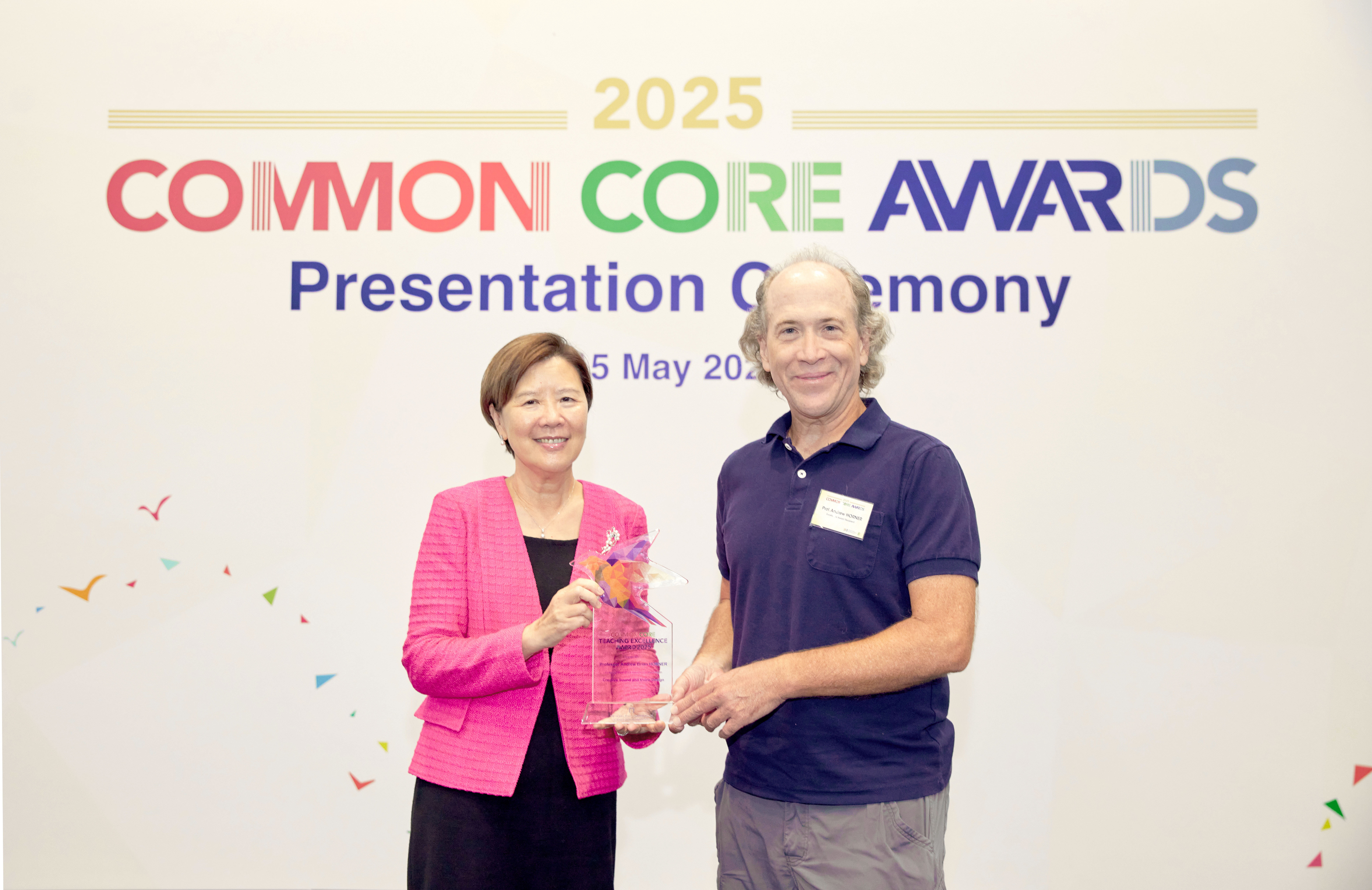
His philosophy of teaching, which turns technical training into a transformative learning adventure, was recently recognized with the 2025 Common Core Teaching Excellence Award.
Breaking Barriers through Creative Quests
For Prof. Horner, teaching is built on experiential, mission-based learning rather than rigid instructions. In his award-winning course COMP 1943: Creative Sound and Video Design, assignments are designed as open-ended quests.
“Each student faces a challenge, and the outcome is always different and surprising,” he explains. “When they remix a film scene with unexpected music, they suddenly witness how sound and image can completely change meaning.”
One of the most striking features of this course is its diversity and inclusivity. The course welcomes explorers from all majors, regardless of their musical background. By integrating Generative AI tools, Prof. Horner empowers students to bypass technical barriers and focus on their creative vision.
“Diversity is our strength,” he says. While students with advanced music theory might recompose or even create from scratch, novices use AI to layer sounds and textures they once thought were out of reach. This spell-binding approach ensures every student can thrive and contribute to the assignments professionally.
Everyone Is Creator and Audience
The heart of the course also lies in its peer-learning pattern. The screening sessions are legendary. The atmosphere turns electric with anticipation and nervous excitement. Students cheer, laugh, and sometimes gasp at the unexpected twists.
“Watching students surprise themselves — and each other — is the essence of active learning.” Prof. Horner says.
When evaluating these diverse projects, Prof. Horner looks for a unifying creative vision — a hook that ties the project together. He mentions a student project that combines visuals from the film Interstellar with the soundtrack by singer Adele from the movie Skyfall.
“What really impresses me is when a student’s work tells a story or evokes emotion – not just technically sound, but also artistically compelling.”
The Evolving Educators
In an era of rapidly emerging technologies, Prof. Horner believes students can achieve once-unimaginable outcomes.
“Our job is not to provide all the answers, but to guide them in asking better questions, making reflective choices, and connecting their passions to real-world challenges,” he suggests.