



HKUST Boundless Article
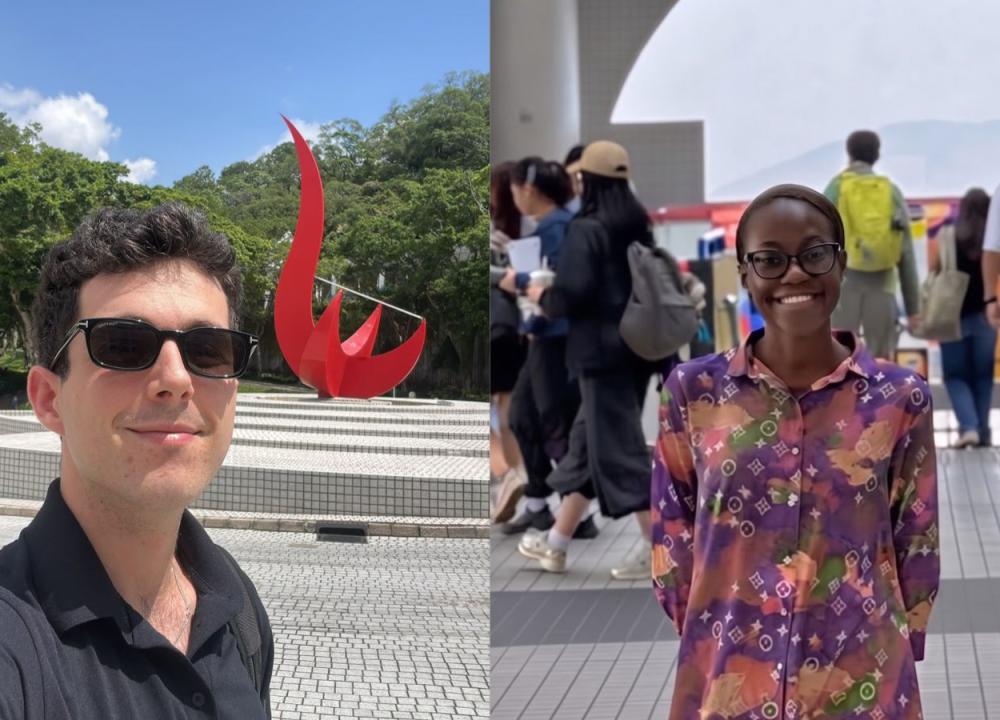
A 23-hour flight from Tanzania and a leap of faith from Israel’s vibrant startup ecosystem may seem worlds apart. But non-local students like Mary NGOSO, a first-year student on the BSc in Quantitative Social Analysis program at HKUST, and Ran BOSKIS, a first-year student in Business and Management, are discovering a transformative educational experience at HKUST.
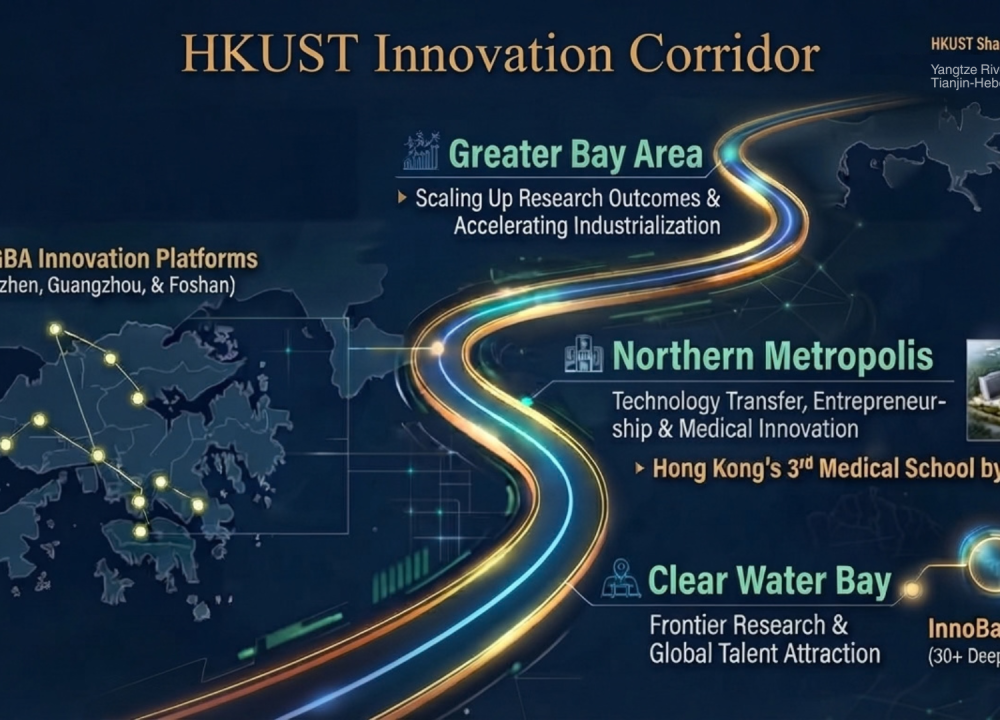
Hong Kong has always been a city that reinvents itself. From trading port to financial hub, each chapter has been written by those bold enough to see what comes next.
The HKSAR Government's 2026 Policy Address and its first-ever Five-Year Plan (2026–2030) mark another such turning point — a clear line from the city's storied past to a future built on innovation, talent, and high-value industries. It is a historic milestone, not only for long-term growth, but for deeper integration with the nation's development.
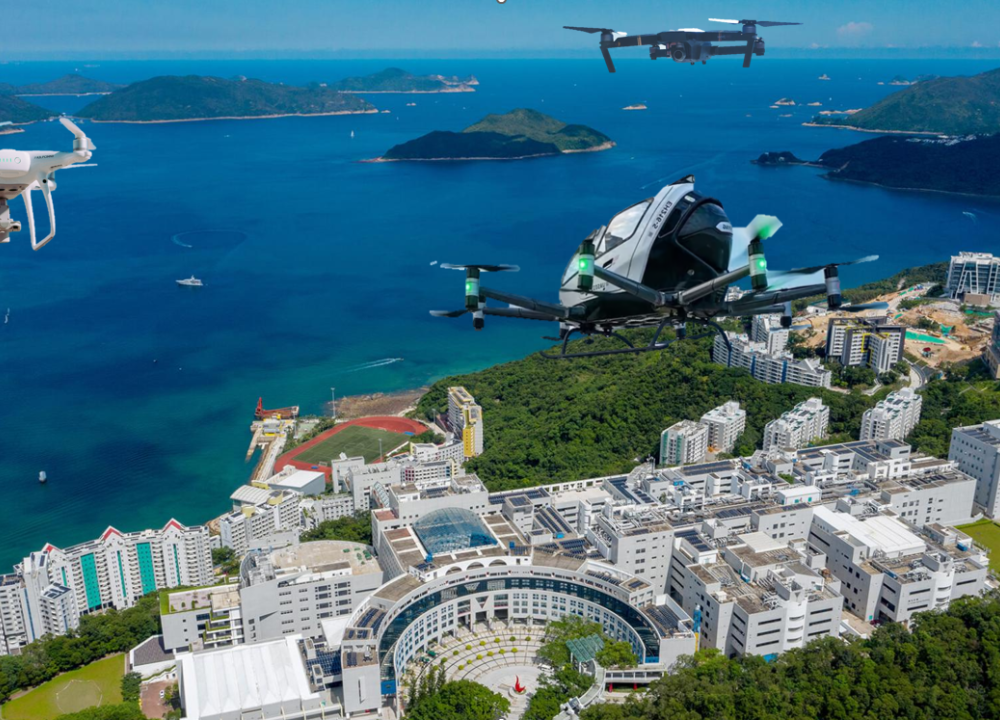
Imagine a city where logistics, emergency rescues, and daily commutes glide seamlessly above the traffic, untethered by the constraints of crowded streets.
For a densely populated, hyper-connected metropolis like Hong Kong, the low-altitude economy (LAE) isn't just a futuristic concept. It is emerging as a vital frontier for urban transformation and economic growth.
By expanding development from ground space into airspace, the LAE promises to revolutionize how a smart city operates.
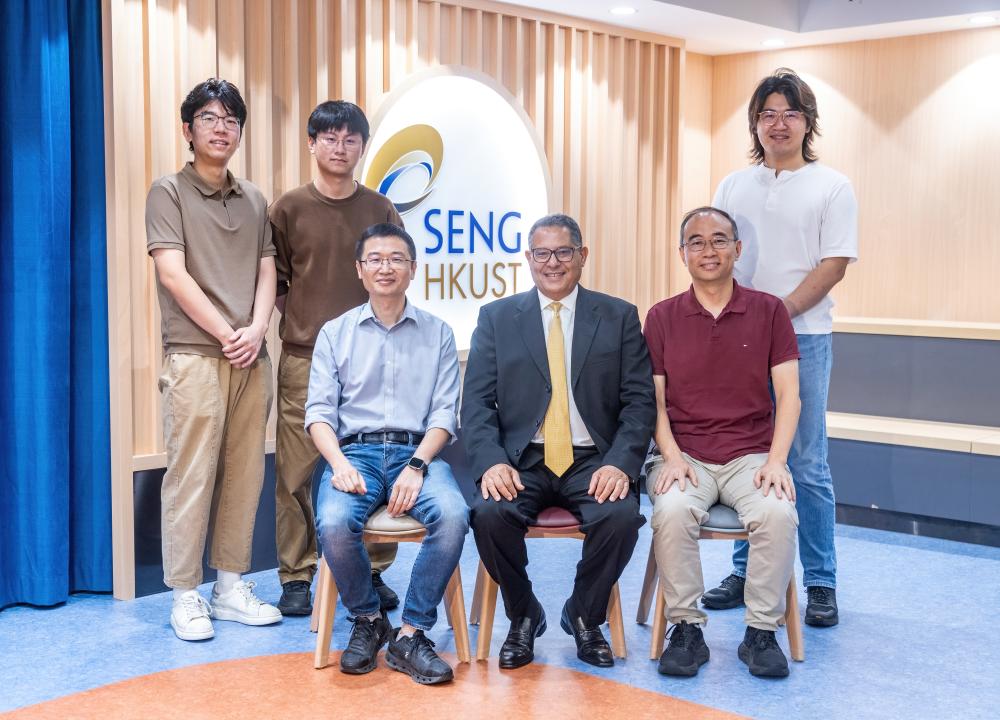
Imagine a smart city where millions of autonomous vehicles, medical monitors, and industrial sensors are constantly exchanging data. Today’s wireless networks are built to deliver this data as accurately as possible. But in the near future, this sheer volume of information could create a serious bottleneck.
A research team at HKUST has proposed a groundbreaking framework for tackling this problem, one that seeks to teach machines to think before they speak.
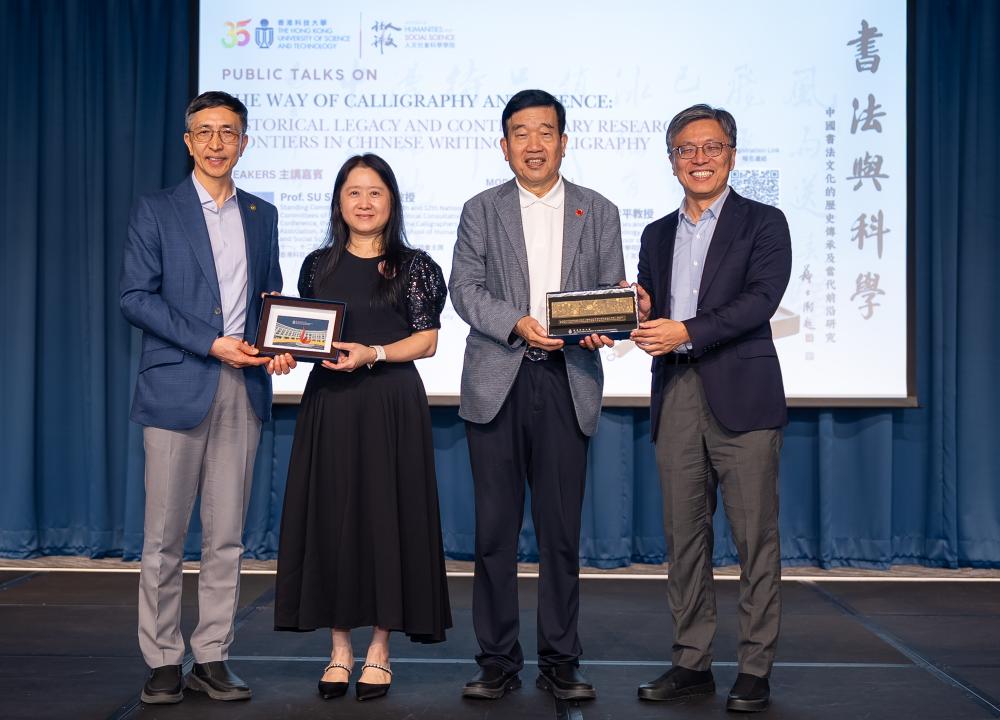
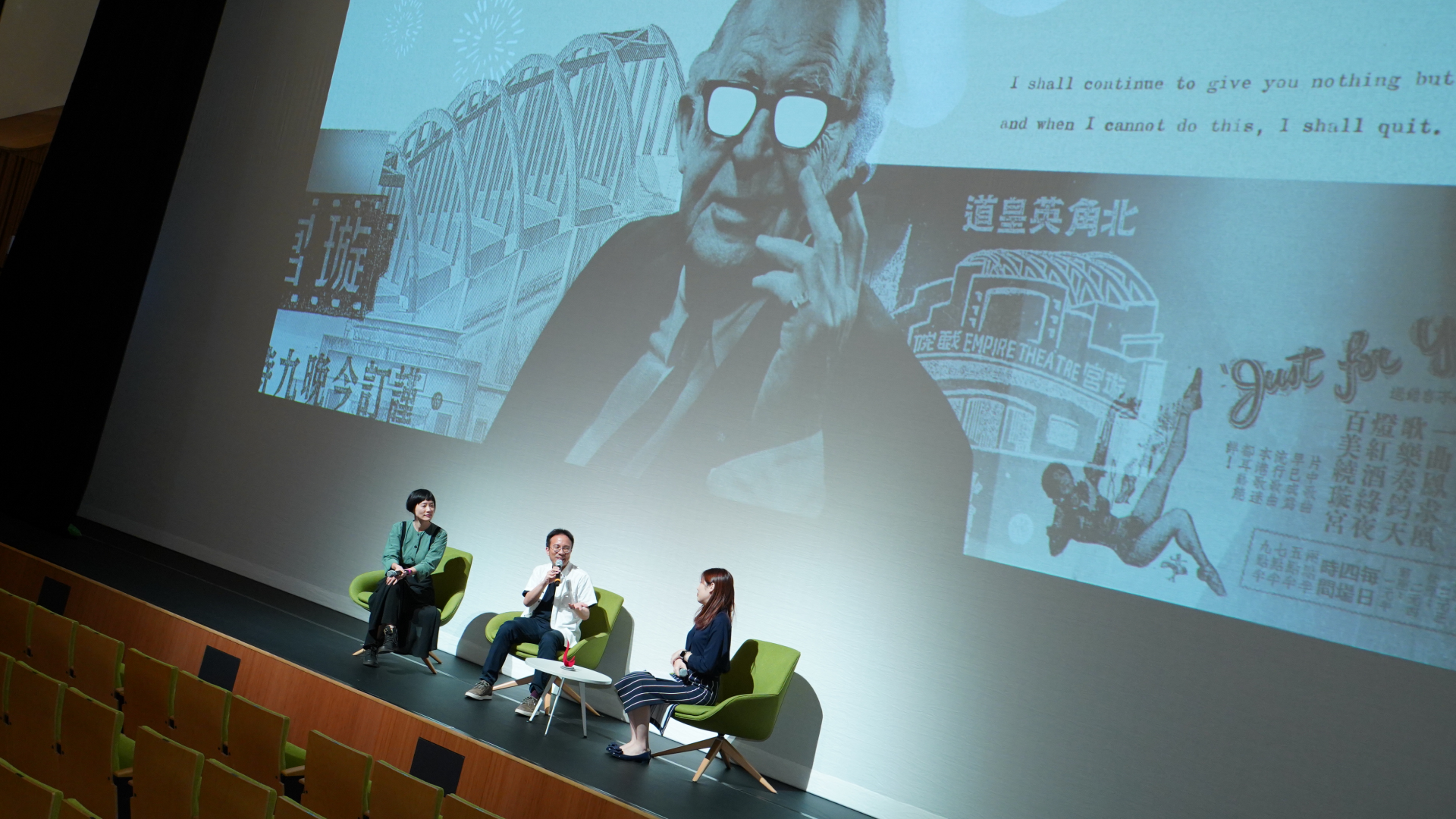
The unique, component-based structure of Chinese characters is the key to both their historical survival and their effective mastery in the modern digital age, according to both speakers at a recent public seminar hosted by the School of Humanities and Social Science (SHSS) on September 3.
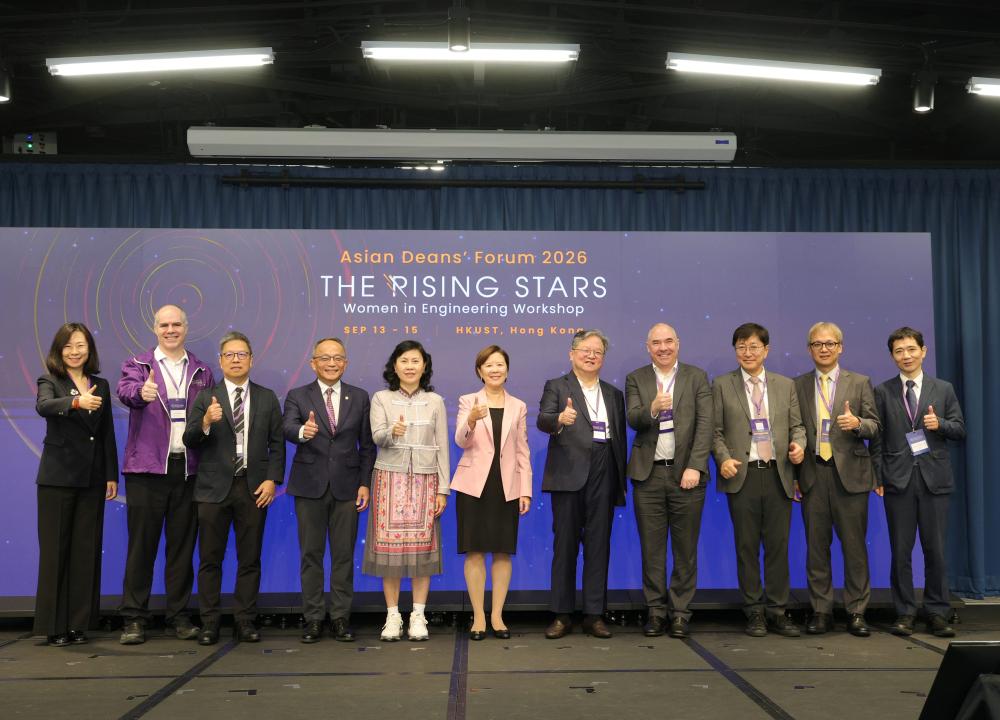
Helping women realize their ambitions in engineering requires visible role models, access to mentorship, and institutions committed to creating opportunities.
Through the Asian Deans’ Forum (ADF) 2026 and the Rising Stars Women in Engineering Workshop (September 13 to 15), HKUST has placed these priorities at the heart of a collaborative effort in promoting diversity, mentorship, and excellence in engineering education across the region.
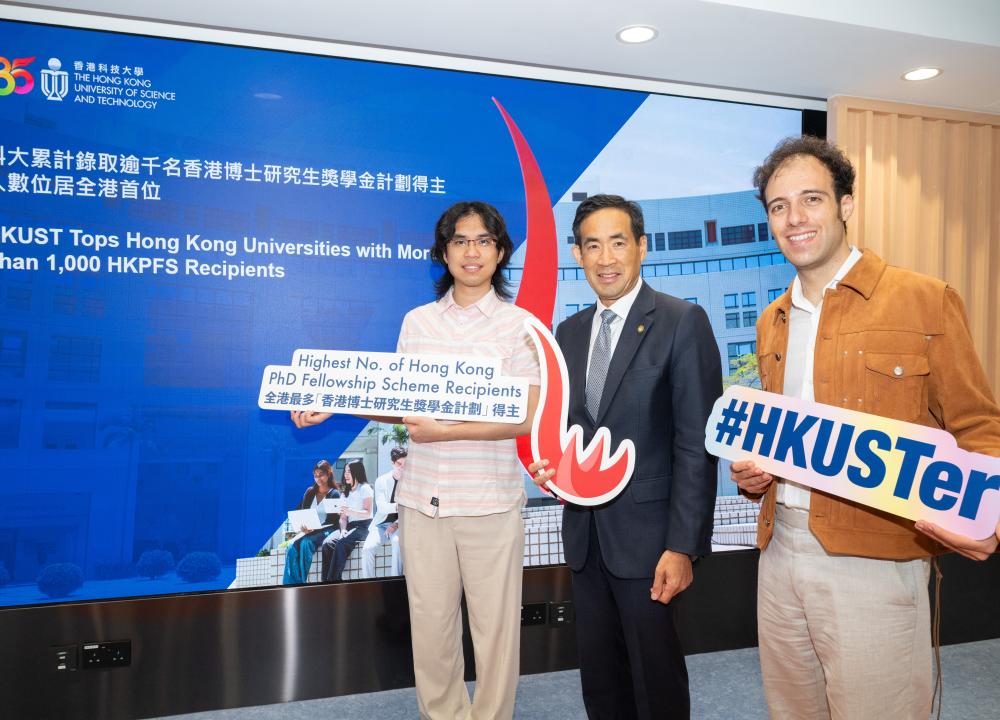
Hong Kong is rapidly cementing its status as one of the world’s premier incubators for global talent. Inspired by the HKSAR Government’s bold push to establish the city as an international education hub, HKUST is firmly aligned with the “Study in Hong Kong” brand, reaching out to the brightest research-oriented students across the globe.
