



HKUST Boundless Article
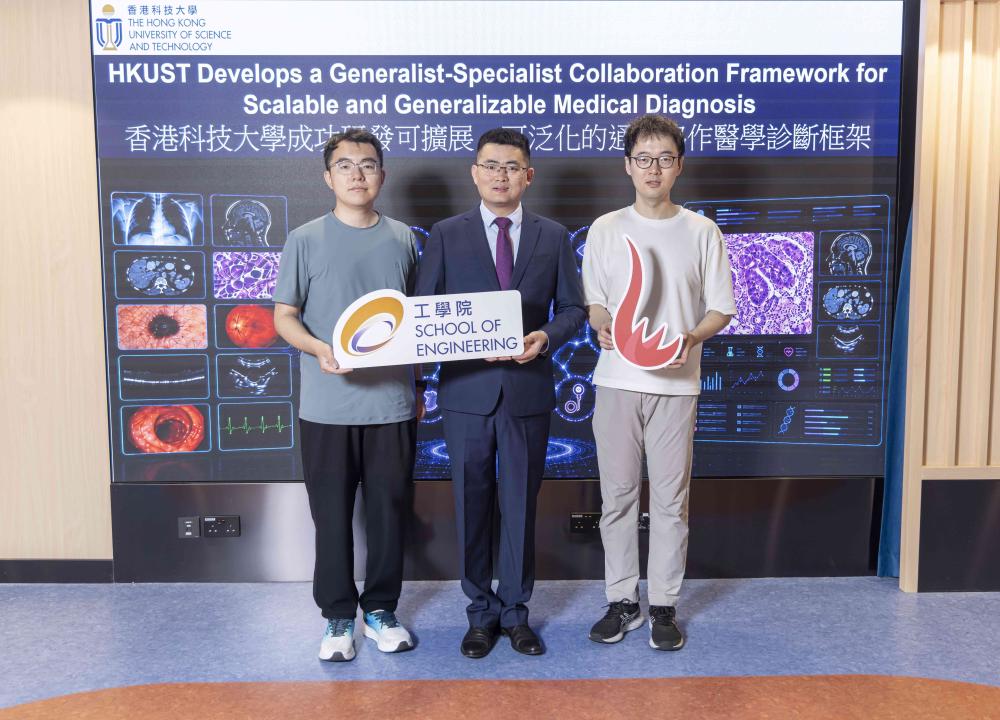
For years, medical AI has faced a dilemma: “generalist” models are flexible but lack pinpoint diagnostic precision, while “specialist” models are highly accurate but too narrow and costly to scale.
Now, a breakthrough from HKUST has elegantly solved this puzzle, paving the way for AI to enter everyday clinical workflows seamlessly and safely. The vision of a hospital where AI collaborates like a seasoned medical board is now one step closer to reality.
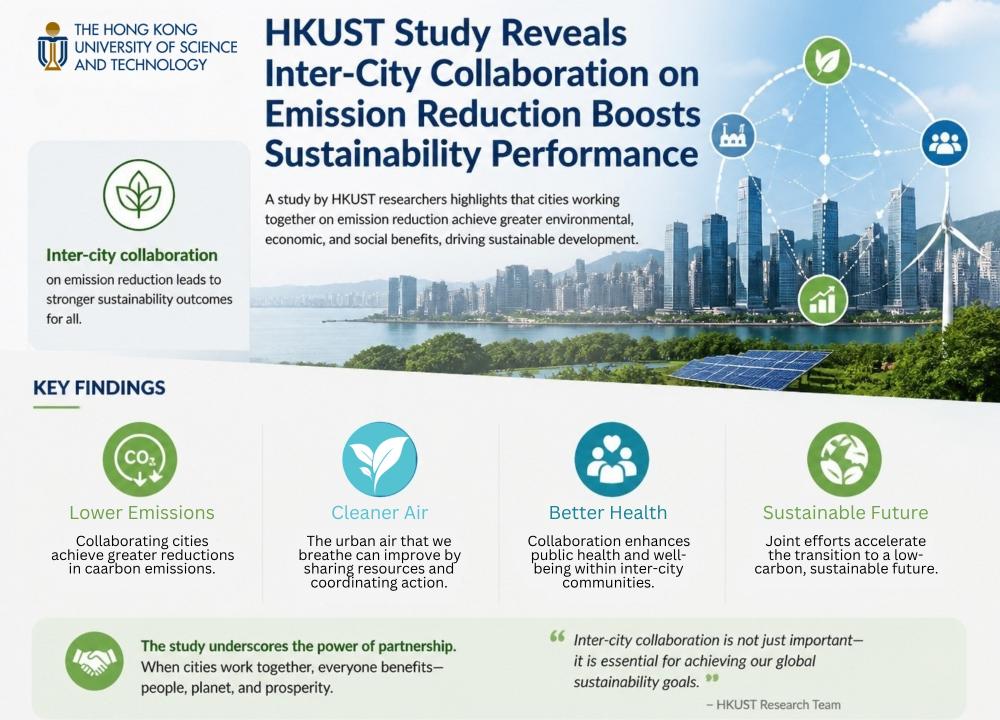
When a city pledges to go green, it is tempting to imagine building an invisible environmental wall around its borders. But the atmosphere does not read metropolitan maps. As a team of HKUST researchers has shown through recent research, the most pressing climate challenge of our time lies in the complex web of emissions that inextricably links local sustainability to the actions of urban centers around the world.

Every day, the world's industries and municipalities discharge vast quantities of wastewater laced with organic pollutants that threaten ecosystems and public health. The conventional response—advanced oxidation processes—demands large volumes of chemical oxidants, removes only a fraction of total organic carbon, and often generates toxic by-products. It is, in essence, a destructive approach to a problem that demands precision.
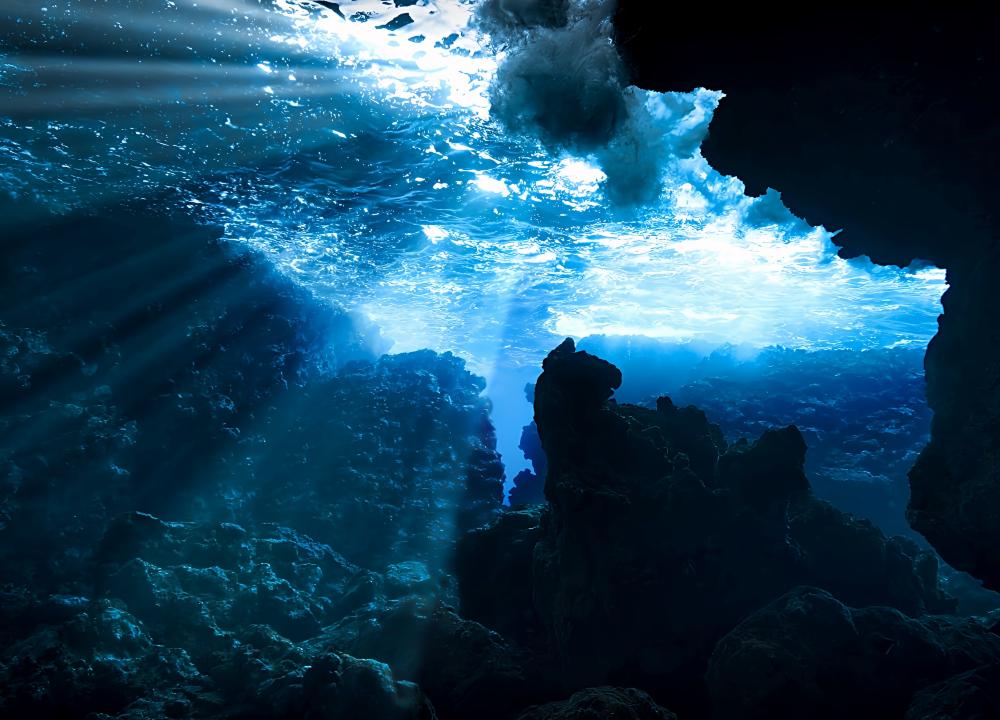
Covering more than 70 percent of Earth’s surface, the oceans regulate our climate, sustain marine ecosystems, and support life on a global scale. However, the complexity of the underwater world is often overlooked and taken for granted because so much of it is hidden from view.
This is precisely the challenge that Prof. GAN Jianping and his research team at HKUST set out to confront.

Floating in microgravity inside China’s Tiangong Space Station, Hong Kong’s first payload specialist, Dr. LAI Ka-Ying, alongside her Shenzhou-23 crewmates, carefully assembled and mounted a compact high-tech payload developed by HKUST on the exterior of the station.
The launch and operational success of “MUSICO”, the Multi-Spectral Imaging Carbon Observatory, brings together two Hong Kong firsts: our first astronaut and the first Hong Kong-developed scientific payload to be deployed on a national space station, representing a unique confluence of Hong Kong talent.

HKUST is building a fast-moving bridge between research and real-world application through the Industrial Alliance alongside the inaugural Cheng Kar-Shun Robotics Institute (CKSRI) Industrial Summit.
The dynamic platform will help turn intelligent breakthroughs into technologies that can be tested, improved, and deployed.
Built around one shared goal, the alliance aims to advance embodied intelligence and other emerging technologies, in alignment with the national “AI+ initiative” in the 15th Five-Year Plan.
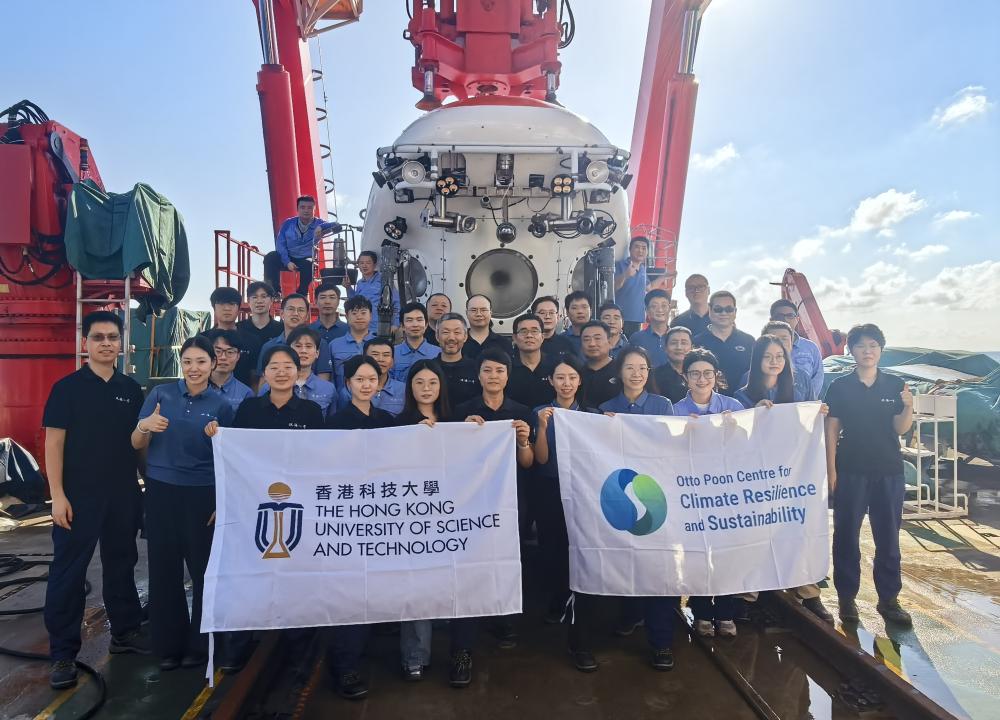
A deep-sea scientific expedition aboard the research vessel Shenhai Yihao to the Haima cold seep in the South China Sea marked the first time a large group of early-career researchers from Hong Kong has participated in such a manned deep-diving voyage.
The achievement represents a major step forward for Hong Kong scholars in engaging deeply with national deep-sea research platforms and international deep-sea scientific programs.

We know that the bond between a teacher and a student can supercharge learning. But what if the “teacher” isn't human?
A recent study from HKUST, published in the neuroscience journal Neuron, suggests that a brief pre-class interaction with an AI can change how your brain prepares for learning.