






Q&A: Decoding ‘Cell’ Conversations with CarGAP
Prof. SUN Fei, Department of Chemical and Biological Engineering, discusses breakthrough research on cell-to-cell communication in the body.

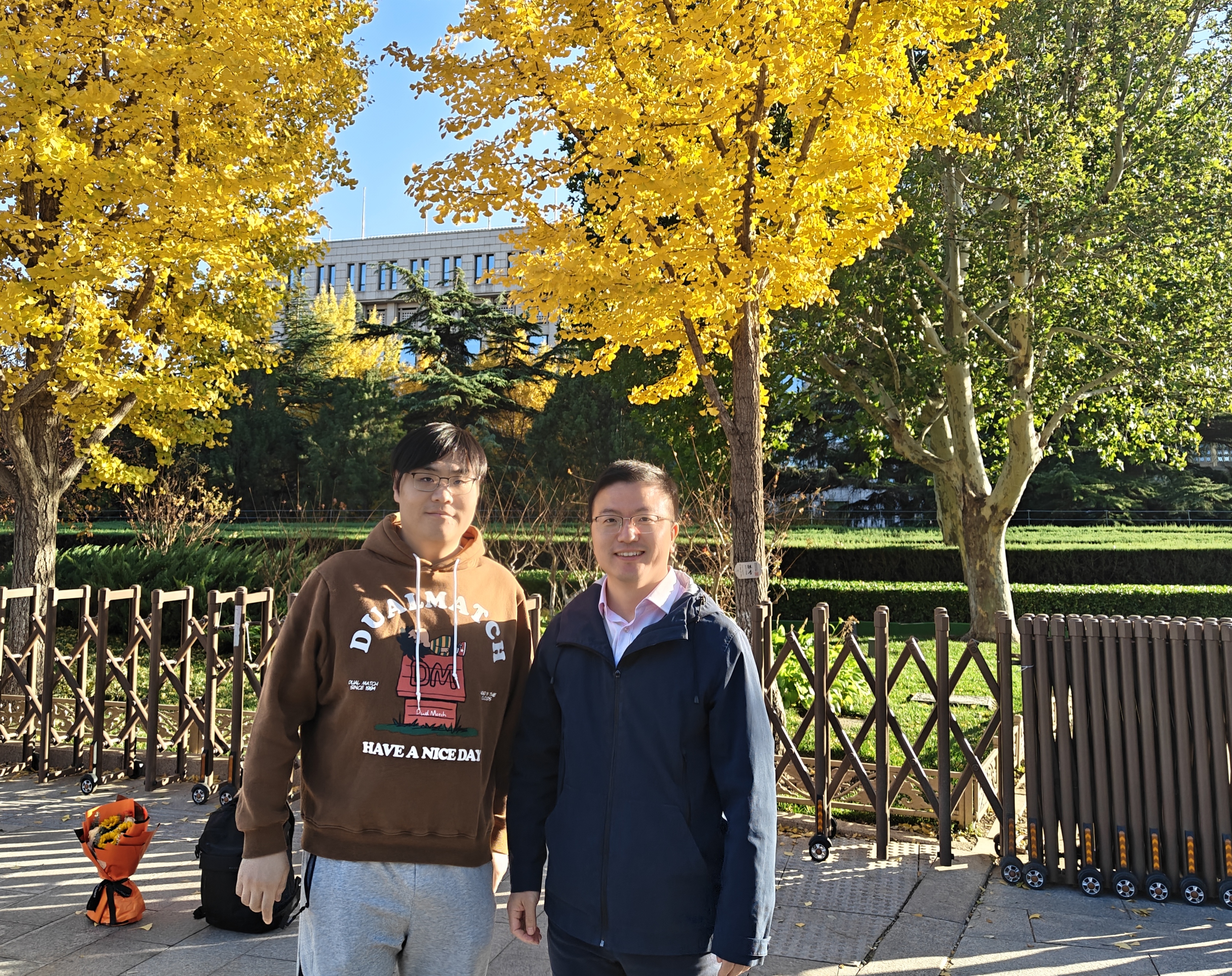
Boundless: Professor Sun, thank you for joining us. Your research revolves around the idea of gap junctions in the body. What are these gap junctions, and why should non-scientists care about them?
Prof. Sun: Think of gap junctions as microscopic “cell” phones. They're tiny channels that let neighboring cells instantly share electrical signals and small molecules. This rapid communication is vital to life. They ensure our hearts beat in sync, help our brains process information, and facilitate how tissues develop and heal. Life-threatening conditions like heart arrhythmia, neurological disorders, or even cancer can develop if these channels break down. Understanding them is key to understanding health itself.
Boundless: Are they hard to study?
Prof. Sun: Yes, because we've lacked precise tools. Older methods were heavy-handed. Genetically deleting gap junction proteins, also known as connexins, had severe side effects and affected many other cellular processes because they play dual roles: they form intercellular communication channels and contribute to cell adhesion and mechanical coupling in many tissues. We needed a way to selectively "mute" these channels in specific cells without rupturing intercellular adhesion or causing any cellular damage. That's the challenge CarGAP solves.
Boundless: What exactly is CarGAP, and how does it work?
Prof. Sun: CarGAP is a tool that acts like a molecular "remote control.” It combines a vitamin B12–derived molecule and low-intensity green light. First, we attach a light-sensitive protein component to the gap junction proteins. When we add vitamin B12, the channels close; when we shine a gentle green light, they reopen. It's reversible, targeted, and effective at very low light intensities, so it doesn't harm cells or tissues.
Boundless: What makes CarGAP different from existing tools like genetically engineered proteins that respond to light or respond to molecules?
Prof. Sun: CarGAP stands out because it is the first genetically encoded tool that directly and reversibly controls the closing and opening of gap junction channels themselves—with true precision over both time and space—in vivo. Different from other light-responsive proteins, CarGAP is truly dual-responsive through the combination of the small molecule (i.e., vitamin B12) and low-intensity green light in one engineered protein. Since B12 is a nutrient rather than a signaling molecule, it has minimal side effects and can even cross the blood-brain barrier. Essentially, CarGAP is gentle and clean.
Boundless: You've already used CarGAP in fruit fly ovaries. What did you learn?
Prof. Sun: We were able to reversibly control gap junctions between stem cells and their supportive niche by using CarGap in Drosophila, which revealed how these channels transport signaling molecules to guide how germ cells develop. Crucially, CarGAP let us block only the channel function—while preserving the proteins' structural roles—which we couldn’t do before with existing tools. This uncovered nuanced roles for gap junctions in stem cell regulation that were previously hidden.
Boundless: What are the broader implications of this work?
Prof. Sun: Because gap junctions exist in practically all tissues and organs of multicellular species, CarGAP can help researchers better understand heart function, brain circuits, immune responses, cancer progression, and tissue engineering. It could be possible to tune cell-to-cell communication in lab-grown organs with pioneering levels of accuracy and even screen for drugs that modulate junctional signaling. Long-term, this could accelerate the development of smarter, more targeted therapies for diseases rooted in communication breakdowns in the body.
Boundless: What's next for your team?
Prof. Sun: We're expanding CarGAP to more biological contexts—like neural circuits and retinae—and refining its delivery for potential therapeutic exploration. But equally important is sharing this tool with the global research community. We hope that CarGAP becomes a standard tool for studying how cells build, maintain, and repair complex living systems.
Boundless: Thank you, Professor Sun, for sharing this exciting work with us. Prof. Sun’s research titled “Controllable gap junctions by vitamin B12 and light” is available here.