

Covering more than 70 percent of Earth’s surface, the oceans regulate our climate, sustain marine ecosystems, and support life on a global scale. However, the complexity of the underwater world is often overlooked and taken for granted because so much of it is hidden from view.
This is precisely the challenge that Prof. GAN Jianping and his research team at HKUST set out to confront.
As Chair Professor and Head of the Department of Ocean Science, Prof. Gan has dedicated years to studying ocean systems and advocating for greater public appreciation of the marine environment.
His vision has now taken a major step forward with the launch of the WavyOcean Digital Twin Earth System Version 3.0.
Building on a Gold Medal at the 51st International Exhibition of Inventions Geneva, this powerful online platform creates an interactive digital representation of the ocean and its surrounding environment, and for the first time, it is publicly available.
“The ocean is Earth's largest life-support system, yet it is often overlooked because it is not easily visible. WavyOcean aims to build a bridge through digital twin technology so that everyone has the opportunity to observe it, understand it, and take a more active role in protecting it,” Prof. Gan said.
He hopes more people can understand the stories unfolding beneath the ocean’s surface, from estuaries to the open ocean and from regional ecosystems to basin-scale climate drivers.
Exploring the deep oceans
To make complex ocean science easier to explore, the team built the platform around a playful, intuitive concept, “Taohai,” which means “searching or discovering from the sea” in Chinese.
Inspired by the effortless experience of online shopping, WavyOcean 3.0 lets anyone search, filter, combine, and visualize intricate marine data just as they would fill up an online shopping cart.
The platform represents a multi-level upgrade from previous versions, constructing a highly sophisticated digital twin of our regional marine environments. This new multimodal integration fuses data across the atmosphere, land, and ocean into a single system.
Users can observe how river discharge and rainfall interact with ocean currents or track ecological variables such as levels of chlorophyll, nutrients, and dissolved oxygen.
An Immersive desktop voyage
The latest version has significantly expanded its horizons, mapping out the Guangdong–Hong Kong–Macao Greater Bay Area and coastal seas such as the Bohai Sea, Yellow Sea, East China Sea, and South China Sea, extending as far as the vast western Pacific Ocean.
The platform’s brand-new immersive 3D rendering engine makes navigation smoother and enables real-time interaction. From your screen, you can rotate, zoom, and dive deep into the ocean’s internal structure from multiple perspectives.
For those who want to look even closer, the system offers flexible cross-sectioning and advanced analytical tools. You can take a virtual cross-section in any direction to see how temperature, oxygen, salinity, or currents change from the surface down to the seafloor. These tools provide valuable support not only for scientific research, but also for education and policymaking.
Designed for all
To serve different audiences, the team has launched two distinct versions of the platform. The Public Edition provides students, educators, and science enthusiasts with information about the marine environment through an accessible interface. Meanwhile, tailored for researchers, policymakers, and industry partners, the Professional Edition offers advanced visualization and analytical capabilities.
To begin your voyage, visit the WavyOcean Digital Twin Earth System or the Taohai platform and sign up for a free account. No software installation is required.
Please get in touch with the research team at earthhk@ust.hk for more information.
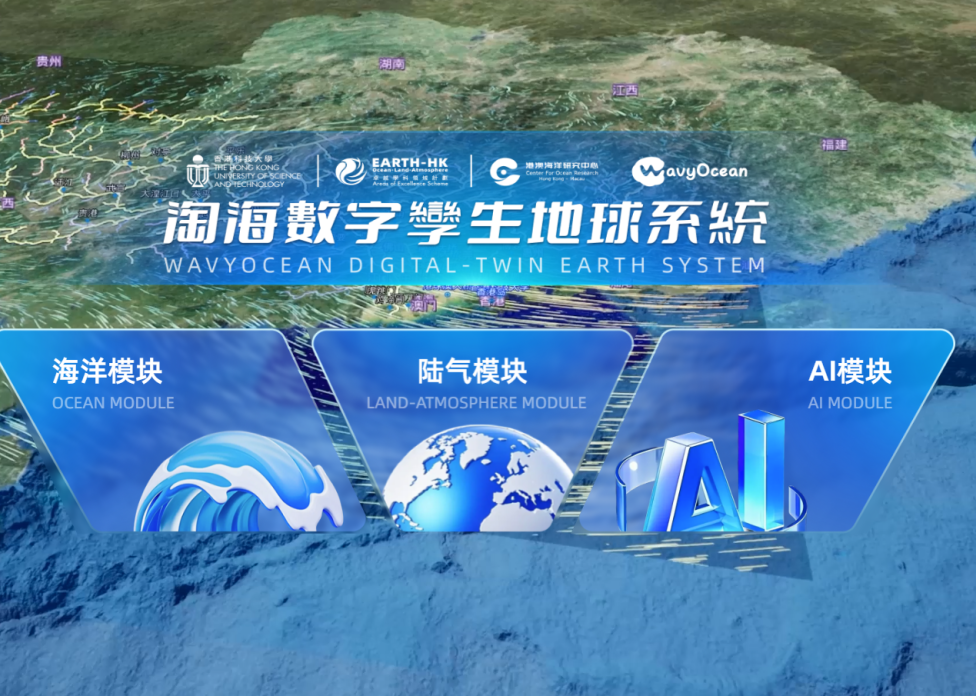
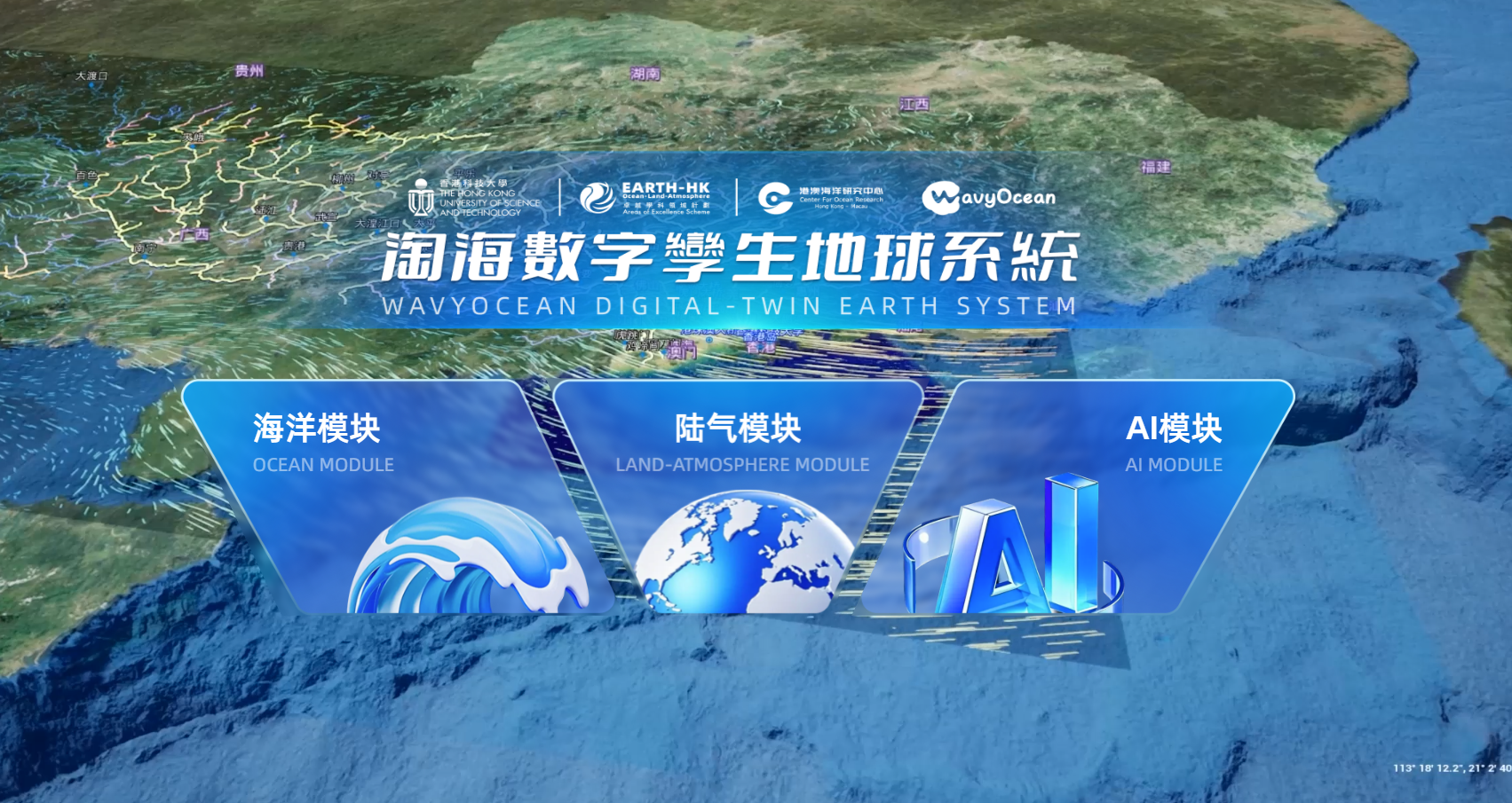
The online WavyOcean 3.0 platform allows users to search, combine, and visualize ocean data through an interactive interface.
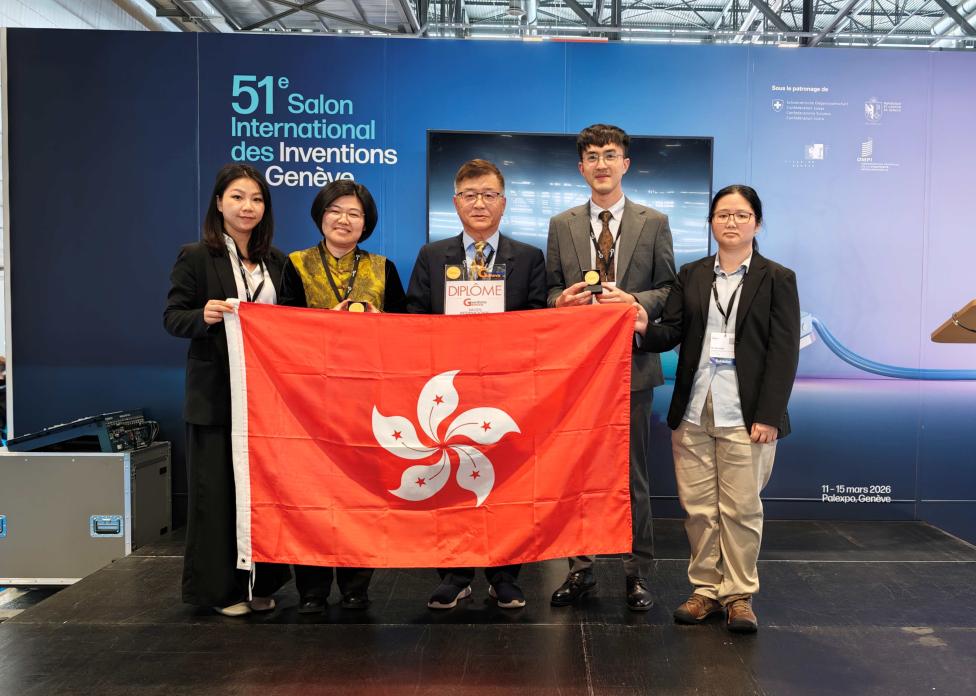
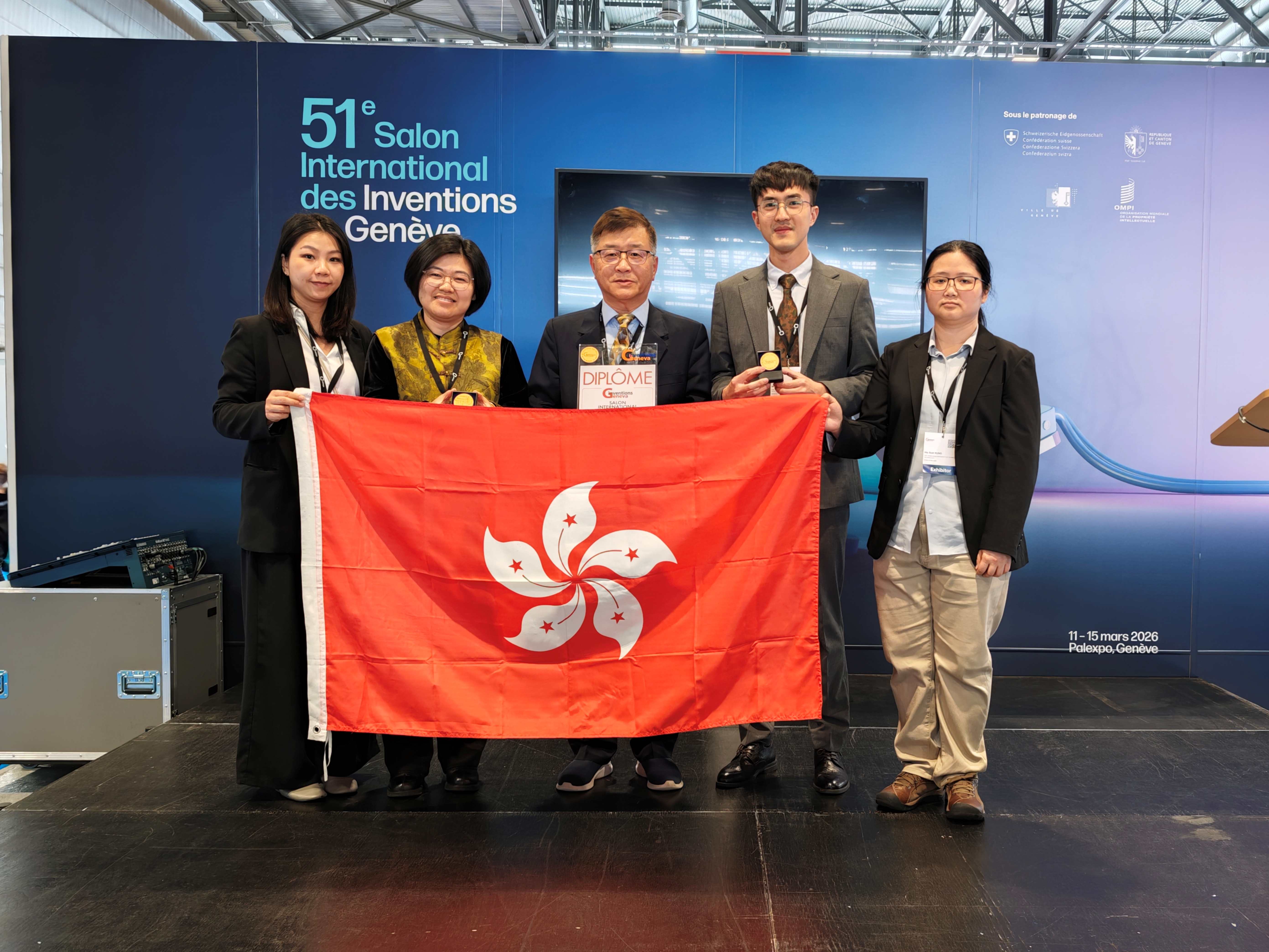
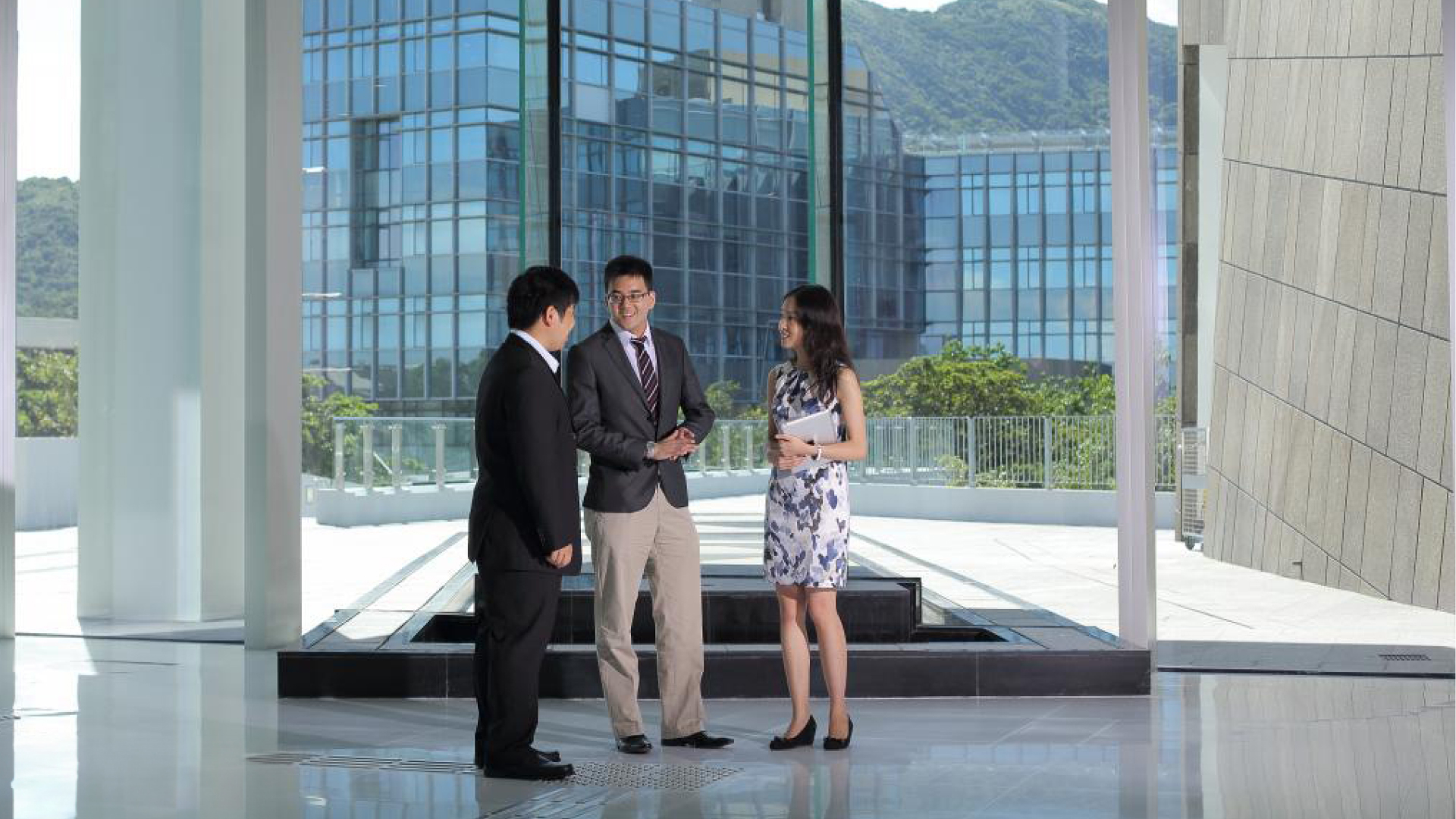
Prof. Gan Jianping (center) and his research team won a Gold Medal at the 51st International Exhibition of Inventions Geneva for this technology.