





Developed economies worldwide, including Hong Kong, are now dealing with the issue of aging societies. Extended lifespans place significant caregiving and financial burdens on older adults, their families, and healthcare systems, creating an urgent need to understand the biological basis of “healthy aging.”
In response, a 5-year study project launched at HKUST, with support from the Bright Future Charitable Foundation, has set out to unlock the secrets to healthy longevity using HKUST’s groundbreaking technologies.
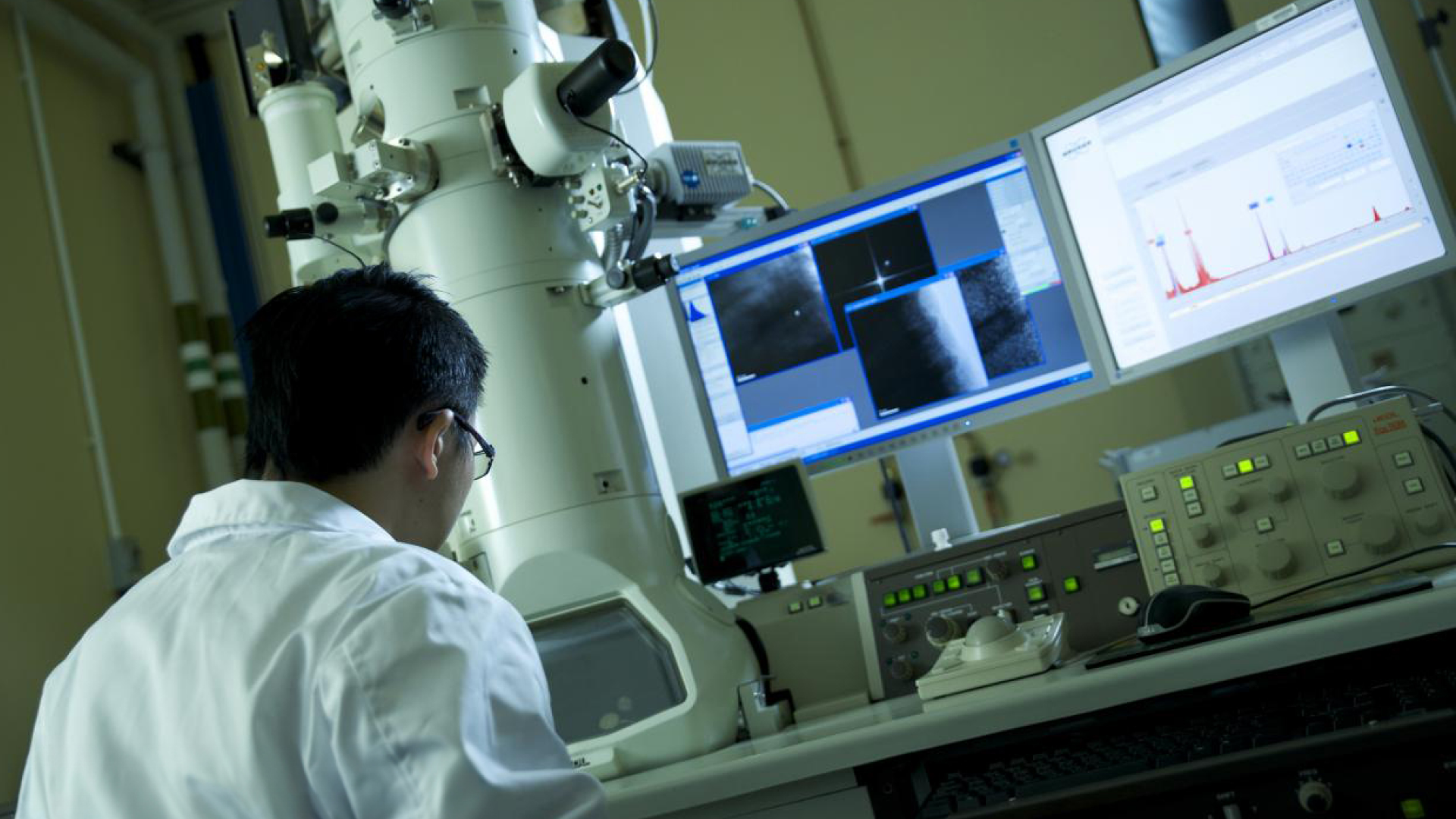
These technologies include advanced blood testing and multi-omics data analysis platforms, which, alongside AI models, will uncover genetic components and protein biomarkers, enabling researchers to identify patterns across diverse human datasets.
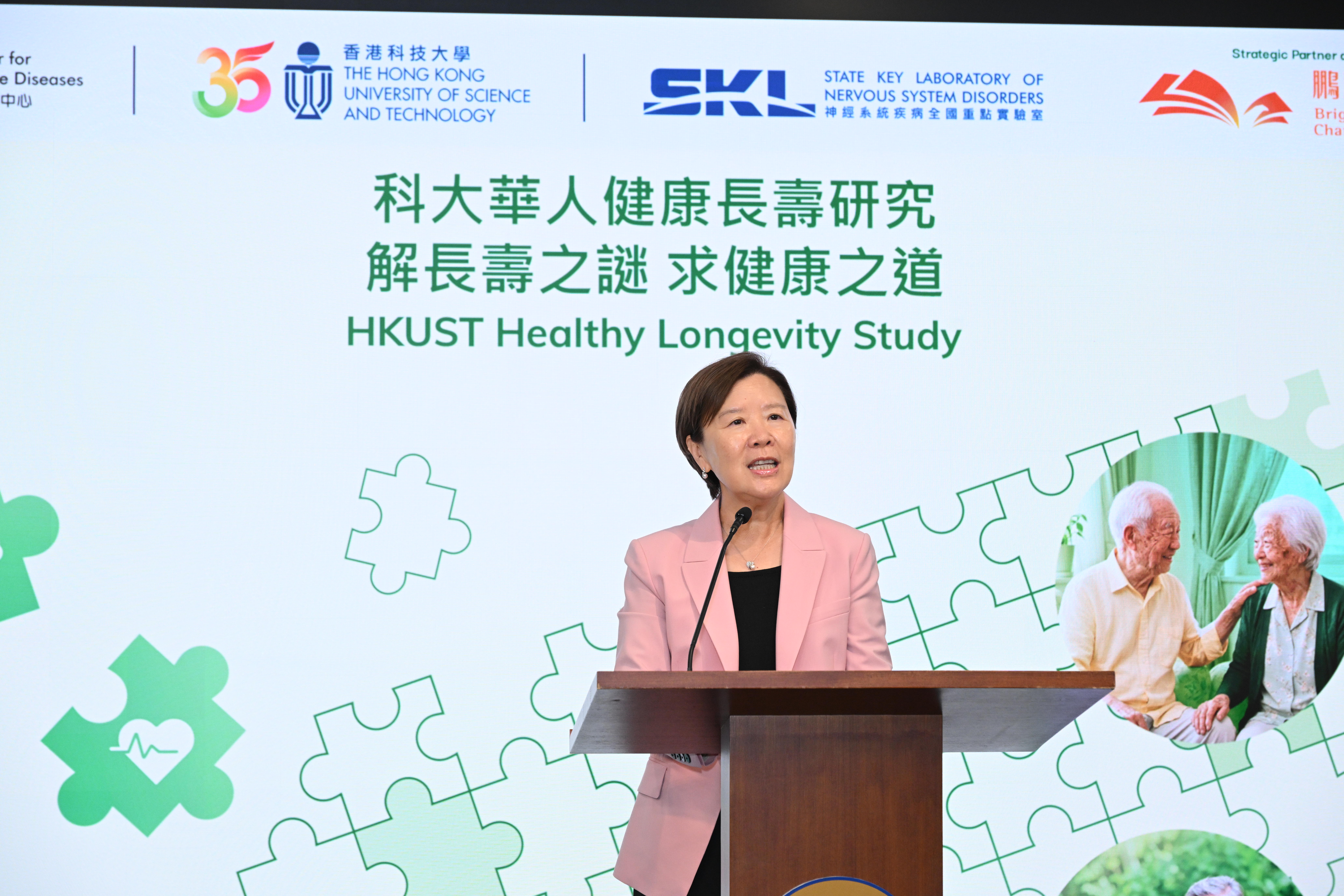
Prof. Nancy IP, HKUST President and Director of the State Key Laboratory of Nervous System Disorders, emphasises the urgency of the longevity issue.
“Population aging is a major challenge facing Hong Kong and the rest of the world, and healthy longevity is a matter of significant social importance,” she said.
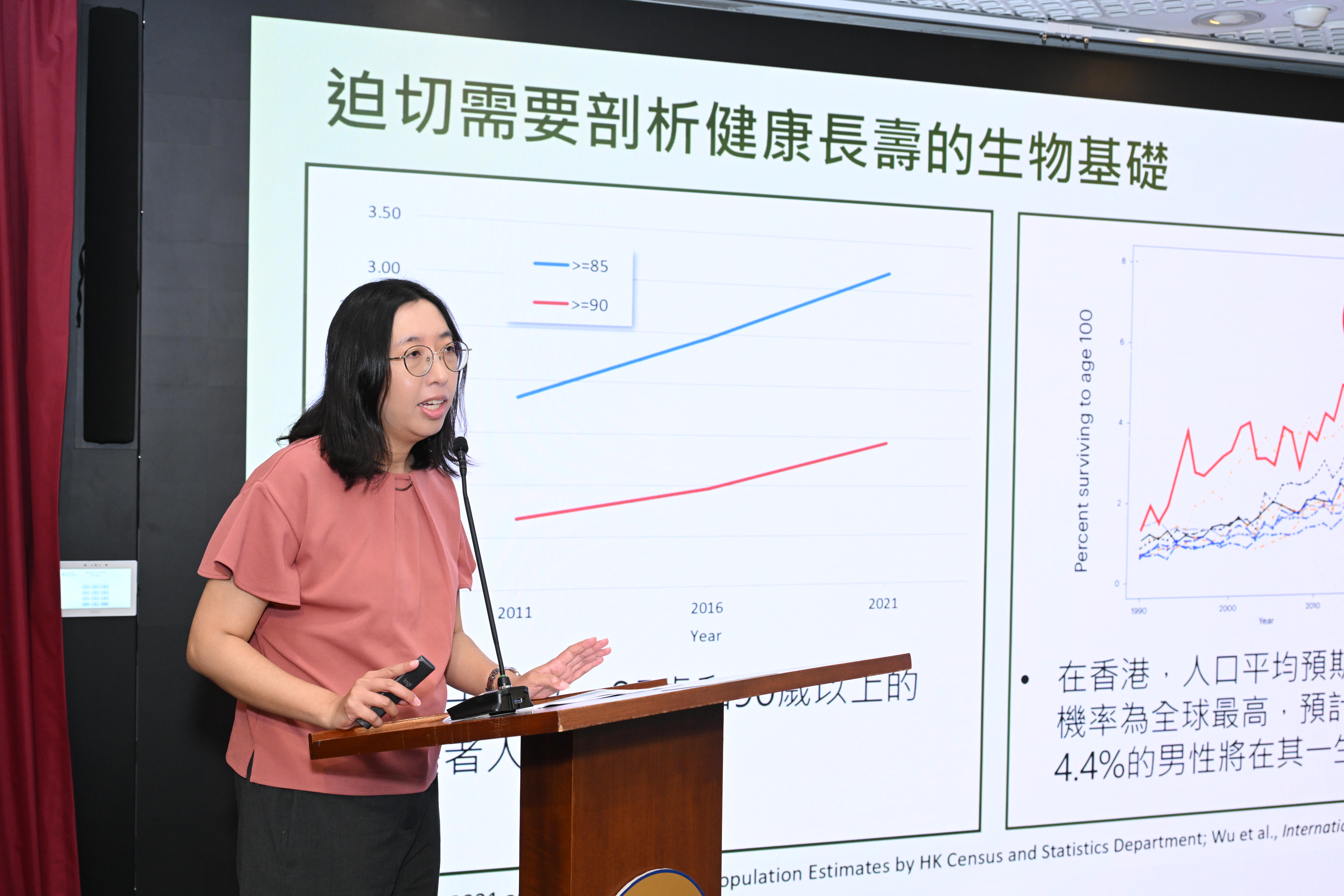
The data certainly supports this view. Figures from the Census and Statistics show that the number of residents aged 90 or above increased from approximately 46,000 in 2011 to about 102,000 in 2021. What’s more, according to a report by the International Journal of Epidemiology, as many as 12.8% of females and 4.4% of males in the local population are expected to reach age 100 in their lifetime.
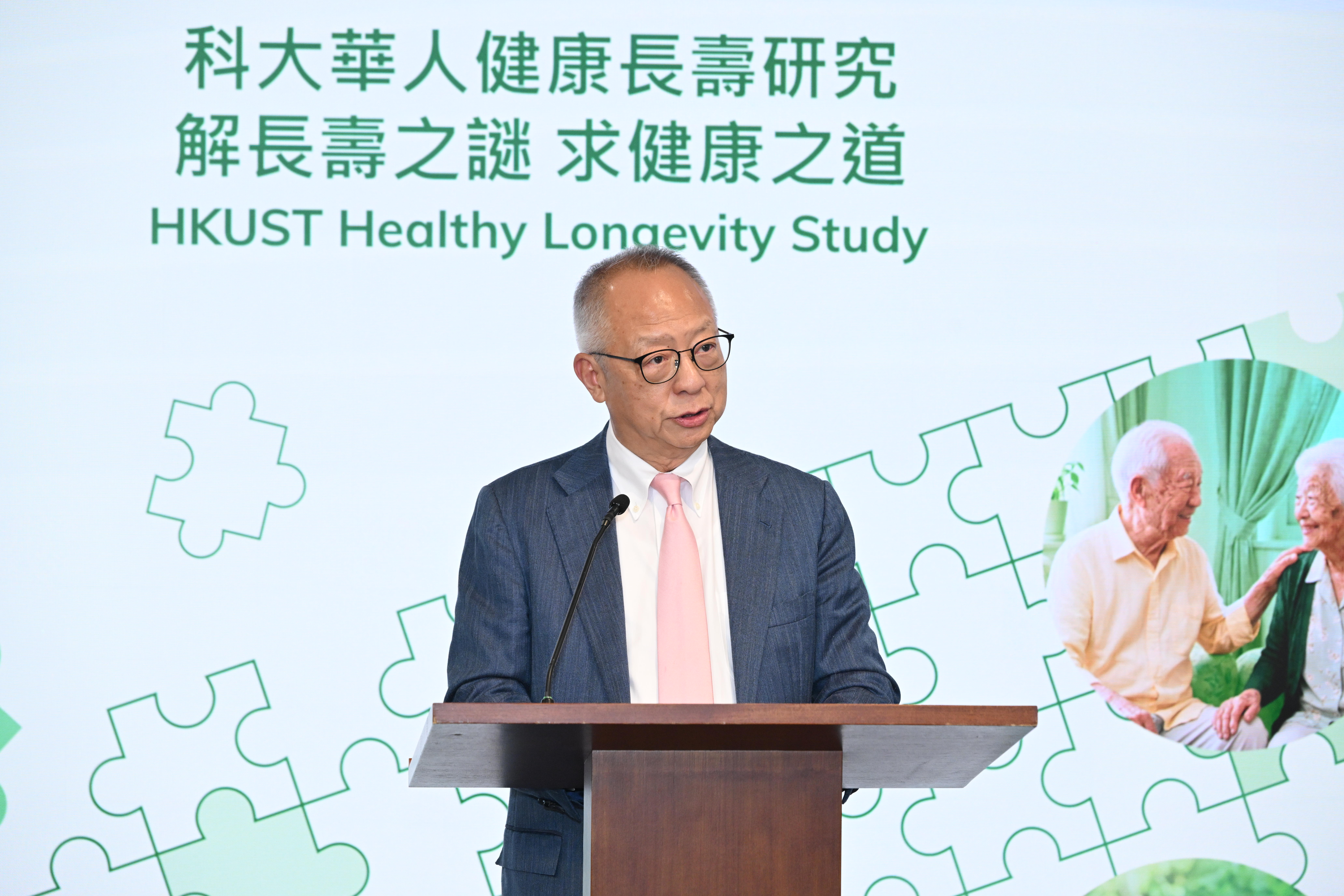
Dr. Roy CHUNG, Founder and Chairman of the Bright Future Charitable Foundation, shares President Ip’s vision.
“Hong Kong’s rapidly aging population is an undeniable reality. Our goal is not only to extend lifespan, but also to enhance health span,” he said, noting that the new study will generate practical, evidence-based insights for personal health management and elderly care by integrating cutting-edge science and technology.
The study will begin immediately and be conducted on a comprehensive scale, involving a sample of 500 Chinese seniors aged 90 or above. In addition, it will systematically identify factors associated with healthy longevity—particularly those that are modifiable, such as sleep patterns, diet, nutrition, and exercise.
This approach will lay the groundwork for future personalized health-management and intervention strategies by explaining the underlying biological mechanisms of healthy aging.
In addition, the study will establish a biobank focused on genetic and biological markers of healthy longevity in the Chinese population, creating a valuable resource for future clinical and medical research.
Individuals interested in taking part in the study or seeking further information may contact the research team at 2356 3155 or via WhatsApp at 6707 6830.