
Into the Deep: Early-Career HK Scientists Explore the Haima Cold Seep with Jiaolong HoV
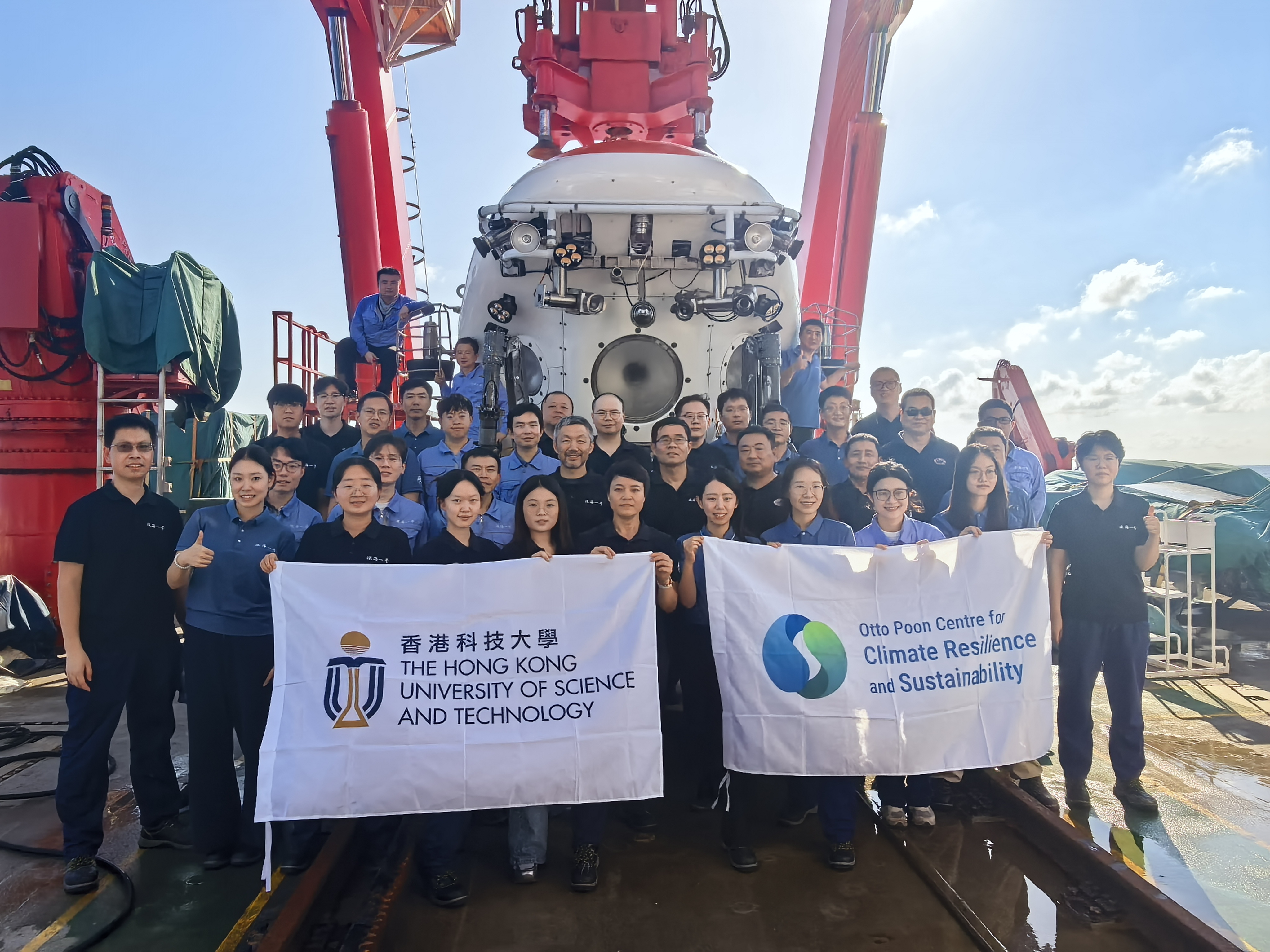
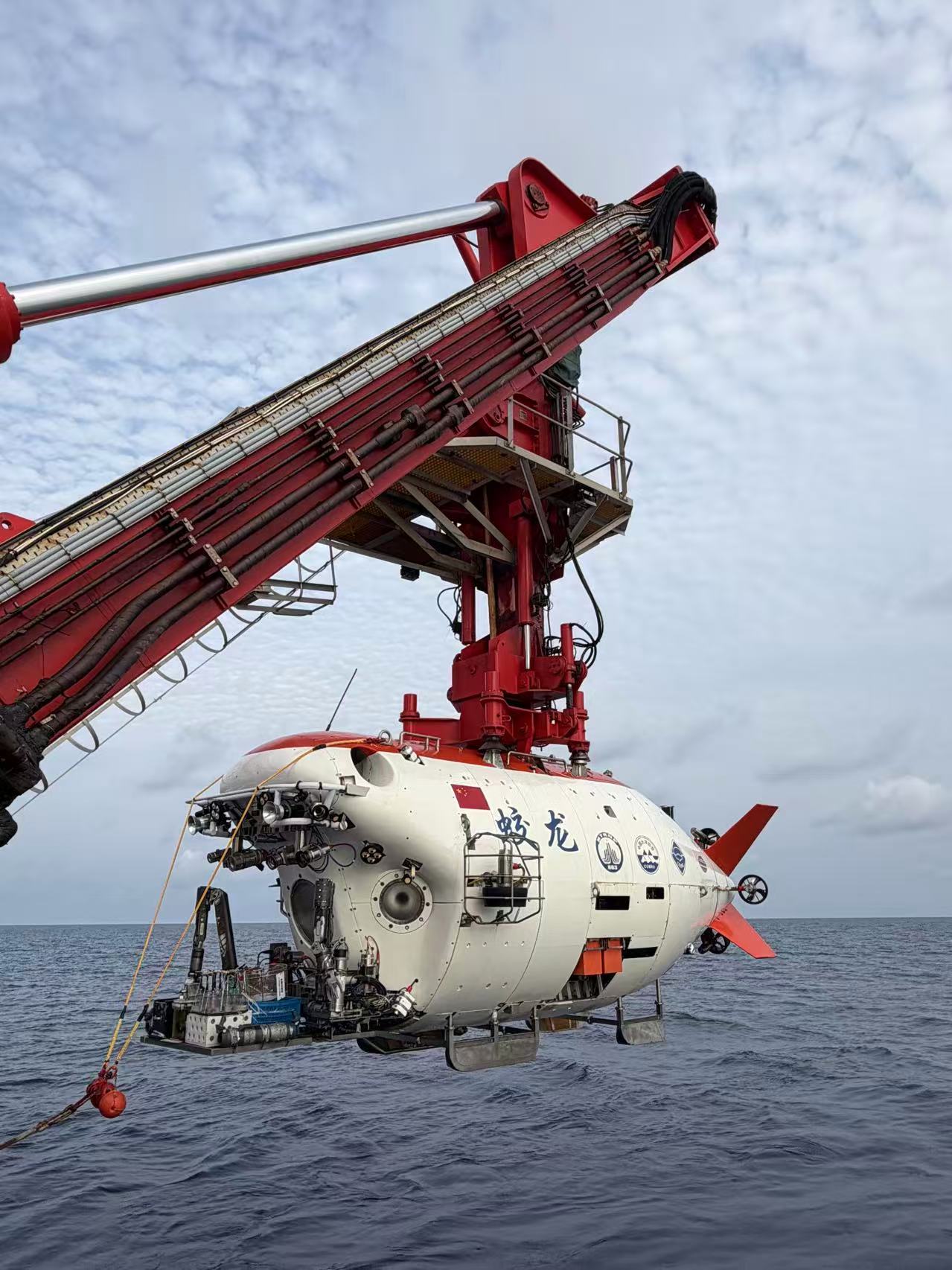
A deep-sea scientific expedition aboard the research vessel Shenhai Yihao to the Haima cold seep in the South China Sea marked the first time a large group of early-career researchers from Hong Kong has participated in such a manned deep-diving voyage.
The achievement represents a major step forward for Hong Kong scholars in engaging deeply with national deep-sea research platforms and international deep-sea scientific programs.
The expedition aligns with the United Nations’ “Ocean Decade” and “Science Decade” initiatives through two flagship international programs led by Prof. QIAN Pei-Yuan of HKUST: CliMetS (Global Climate Impacts of Methane Seeps) and MOCSI (Mysteries of Ocean Cold Seep Interfaces).
The multidisciplinary joint expedition focused on critical scientific inquiries into deep-sea cold-seep ecosystems, methane seepage processes, and the biogeochemical mechanisms governing methane formation and transformation.
Studying these deep-sea systems is scientifically and environmentally important because it connects oceanographic research to urgent global challenges.
“Deep-sea cold seep systems represent an important, interdisciplinary frontier that bridges life sciences, earth sciences, environmental science, and climate change research,” pointed out Prof. Pei-Yuan QIAN, Chair Professor of the Department of Ocean Science at HKUST, who led the expedition.
Fieldwork Aboard Jiaolong
This expedition was strategically managed by the China Deep Ocean Affairs Administration and executed by the National Deep Sea Center (MNR), leveraging resources from HKUST's Otto Poon Center and the Southern Marine Science and Engineering Guangdong Laboratory.
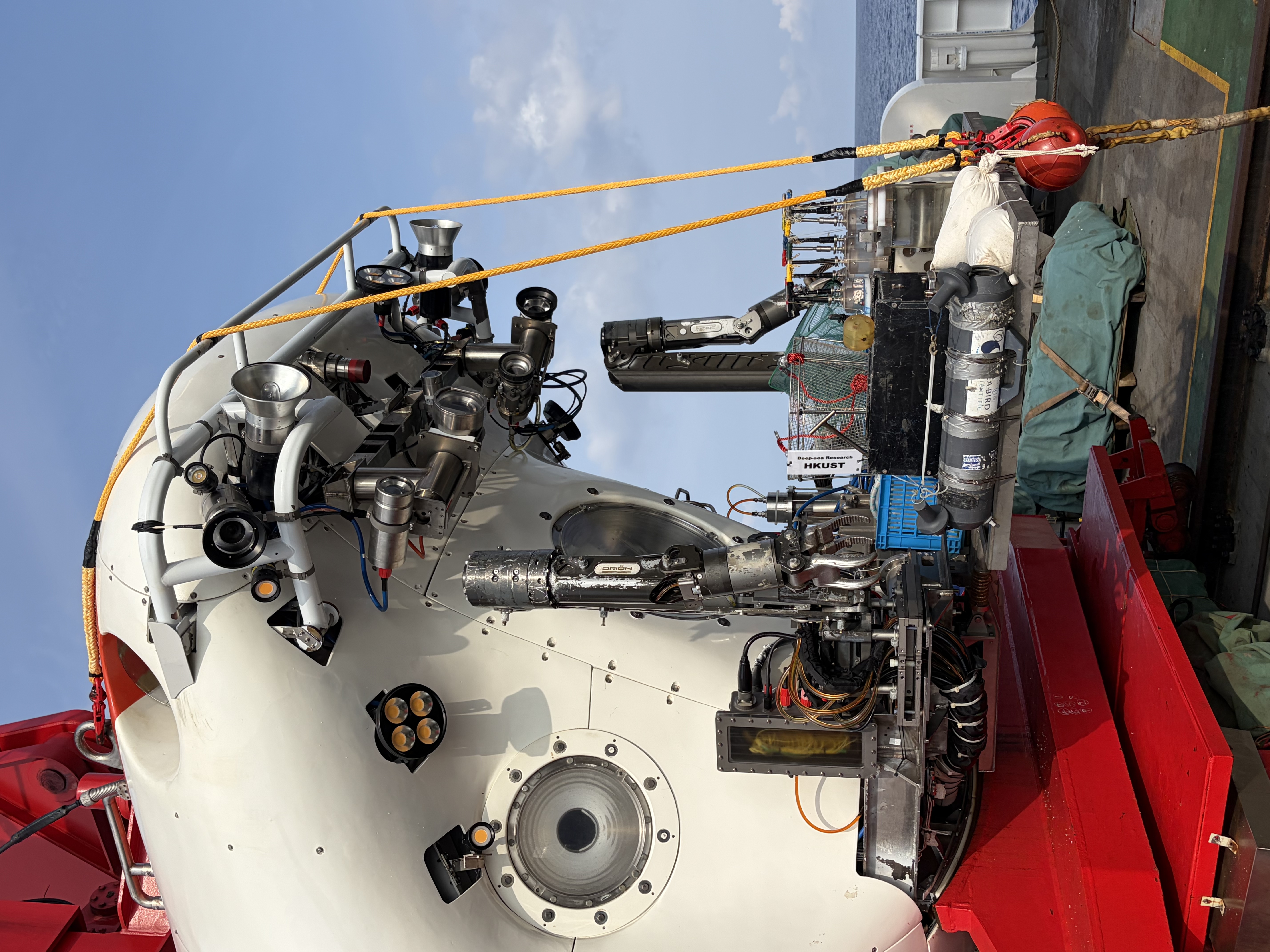
The team conducted in situ observations and environmental measurements and collected biological, sediment, and water samples during multiple dives to a depth of 1,400 meters in the Haima cold seep region, aboard the Jiaolong submersible.
“The Haima cold seep is a critical methane seepage system in the South China Sea, serving as a natural laboratory for studying extreme-environment life processes, methane cycling, and climate interactions,” Prof. QIAN said.
“Findings are expected to establish a scientific foundation for understanding how cold seep ecosystems in the South China Sea form, persist, and evolve, advancing global knowledge of deep-sea biogeochemistry and climate-relevant methane dynamics,” Prof. QIAN said.
Researcher Perspectives
The team comprised 15 HKUST early-career researchers specializing in marine biology, microbial ecology, biogeochemistry, and deep-sea ecosystem dynamics.
One of the participants, Dr XU Ting, said observing the Haima cold seep ecosystem in its pristine natural habitat was hugely enriching for her research.
“This unique field experience and the practical insights have deepened my professional understanding of the methane seep ecosystems,” Dr. Xu said.
“As a direct result, my two closely interconnected research directions have been further solidified: investigating the adaptive evolution of endemic organisms that thrive in extreme methane seep environments and assessing how methane seep activities shape the community composition, population connectivity, and ecological functions of deep-sea biological assemblages,” she added.
Future Directions & Impact
The successful completion of the Haima cold seep expedition further demonstrates the growing engagement and influence of Hong Kong’s scientific community in cutting-edge deep-sea research, laying a solid foundation for nurturing a new generation of marine science talent and expanding Hong Kong's deep-sea research capabilities.
The data and samples acquired during this expedition will support a wide range of follow-up research efforts, including studies of critical microbial processes and investigations of the coupling relationships between deep-sea biological communities and environmental factors.
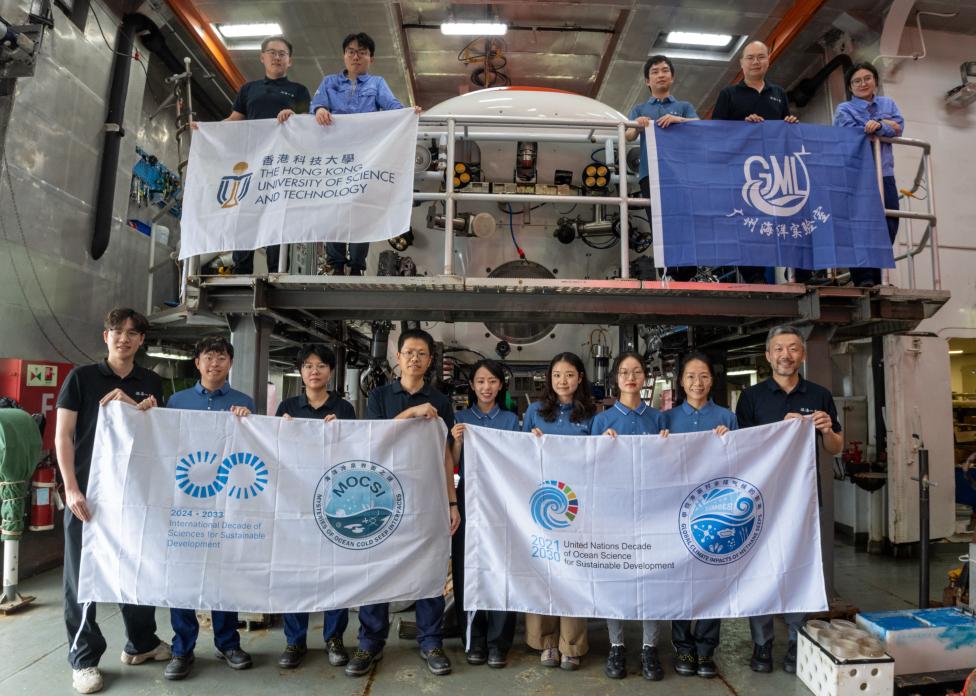
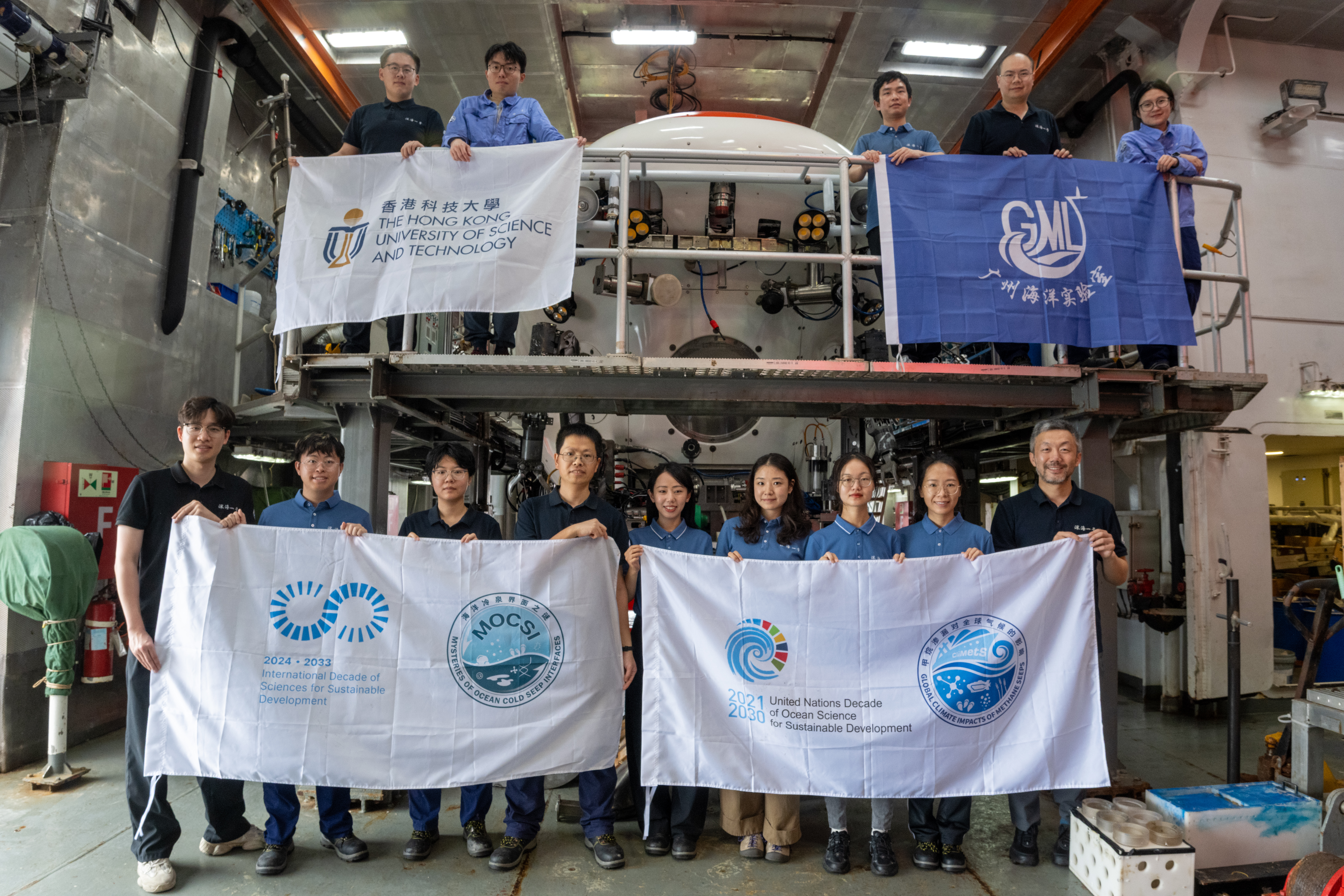
Group Photo of HKUST Participants with Chief Scientist Dr. Hao WANG (first on the right, ground row)
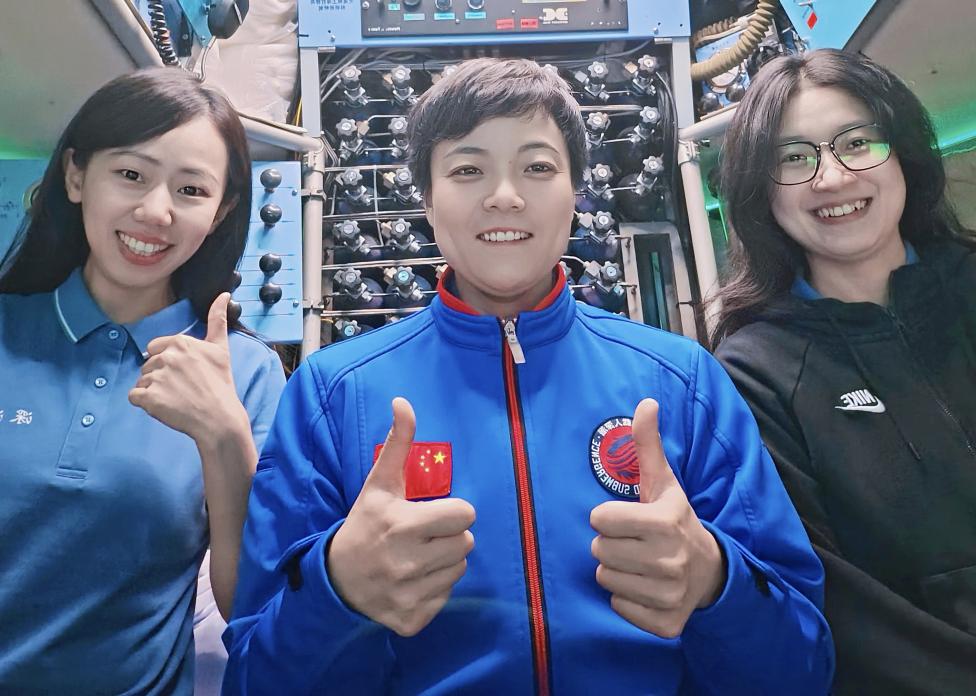
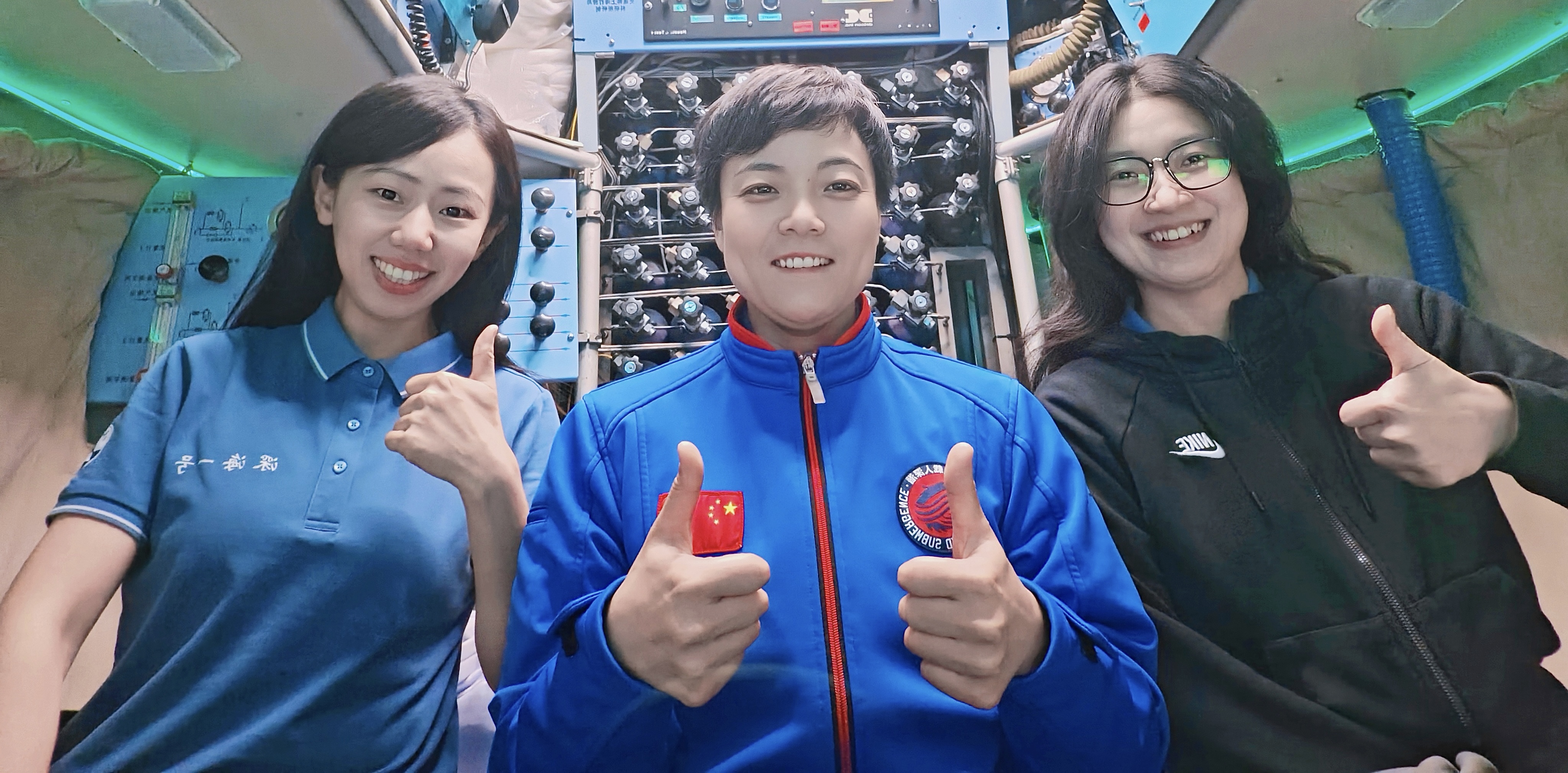
JR450 Dive Crew Group Photo
From left to right: Dr. XU Ting (HKUST Diving Scientist); Ms.ZHAO Shengya (National Deep Sea Center Submersible Pilot); Ms. ZHOU Xiaotian (HKUST Diving Scientist)