



HKUST Boundless Article
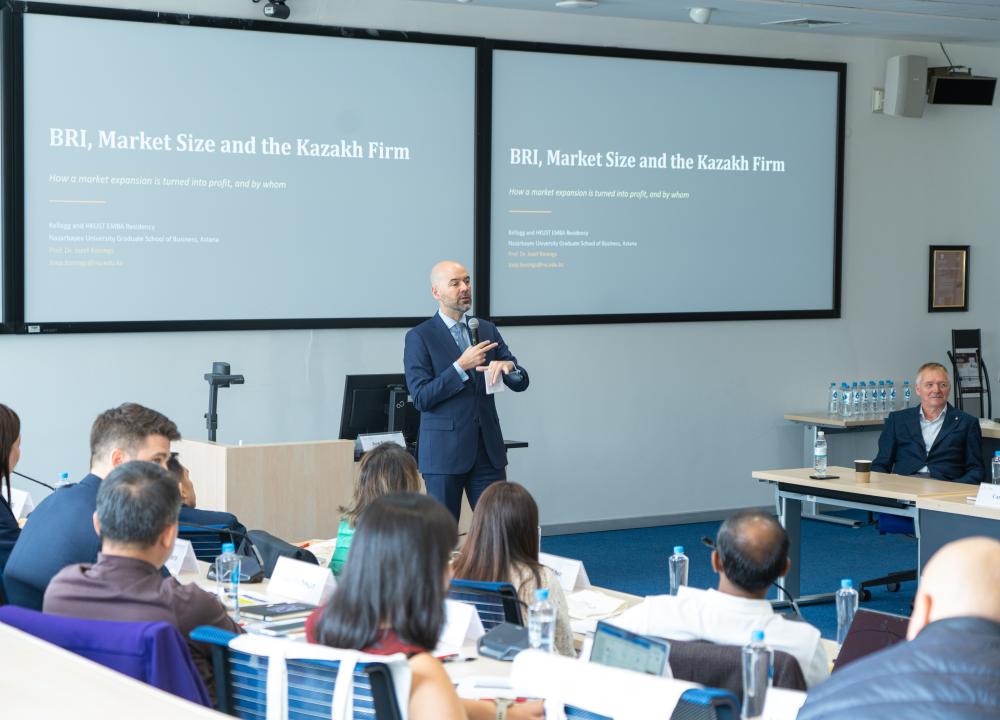
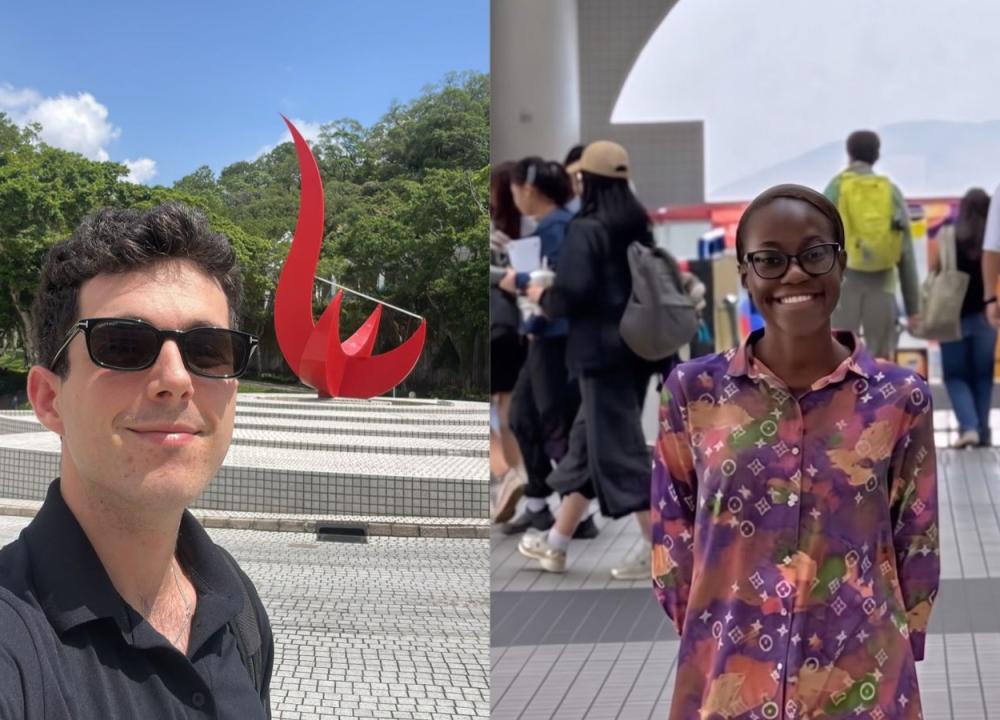
A 23-hour flight from Tanzania and a leap of faith from Israel’s vibrant startup ecosystem may seem worlds apart. But non-local students like Mary NGOSO, a first-year student on the BSc in Quantitative Social Analysis program at HKUST, and Ran BOSKIS, a first-year student in Business and Management, are discovering a transformative educational experience at HKUST.
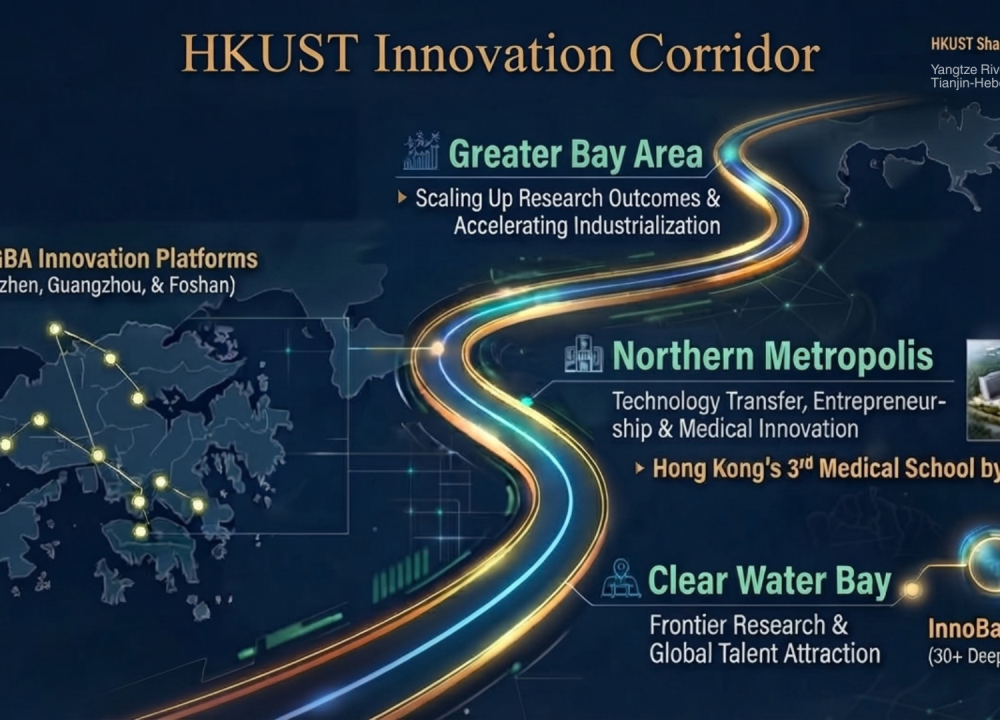
Hong Kong has always been a city that reinvents itself. From trading port to financial hub, each chapter has been written by those bold enough to see what comes next.
The HKSAR Government's 2026 Policy Address and its first-ever Five-Year Plan (2026–2030) mark another such turning point — a clear line from the city's storied past to a future built on innovation, talent, and high-value industries. It is a historic milestone, not only for long-term growth, but for deeper integration with the nation's development.
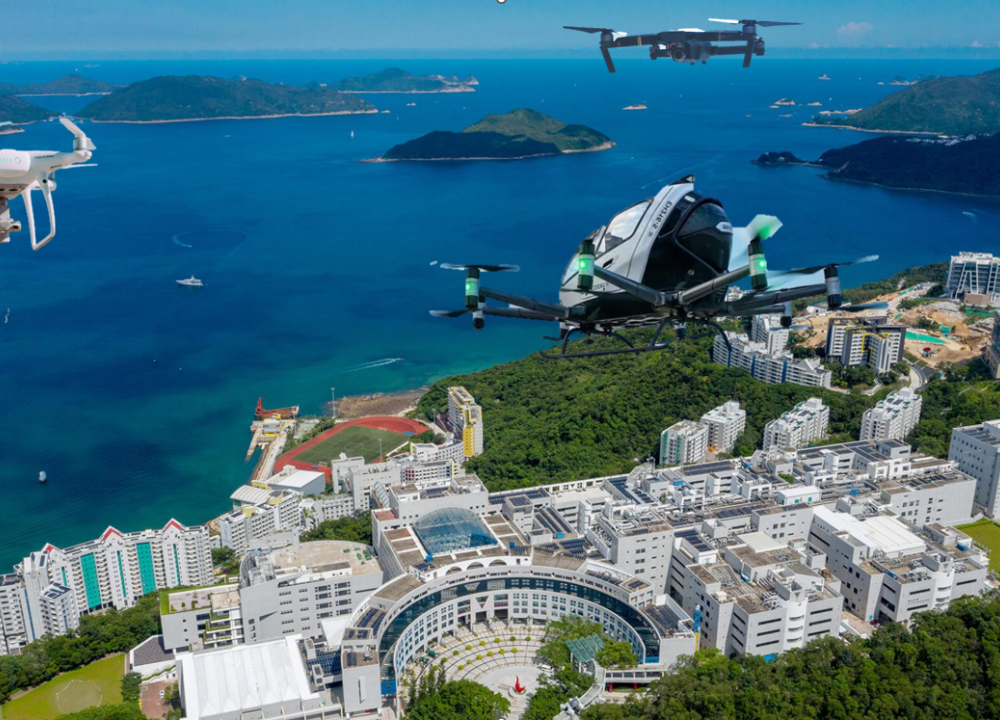
Imagine a city where logistics, emergency rescues, and daily commutes glide seamlessly above the traffic, untethered by the constraints of crowded streets.
For a densely populated, hyper-connected metropolis like Hong Kong, the low-altitude economy (LAE) isn't just a futuristic concept. It is emerging as a vital frontier for urban transformation and economic growth.
By expanding development from ground space into airspace, the LAE promises to revolutionize how a smart city operates.
Imagine a smart city where millions of autonomous vehicles, medical monitors, and industrial sensors are constantly exchanging data. Today’s wireless networks are built to deliver this data as accurately as possible. But in the near future, this sheer volume of information could create a serious bottleneck.
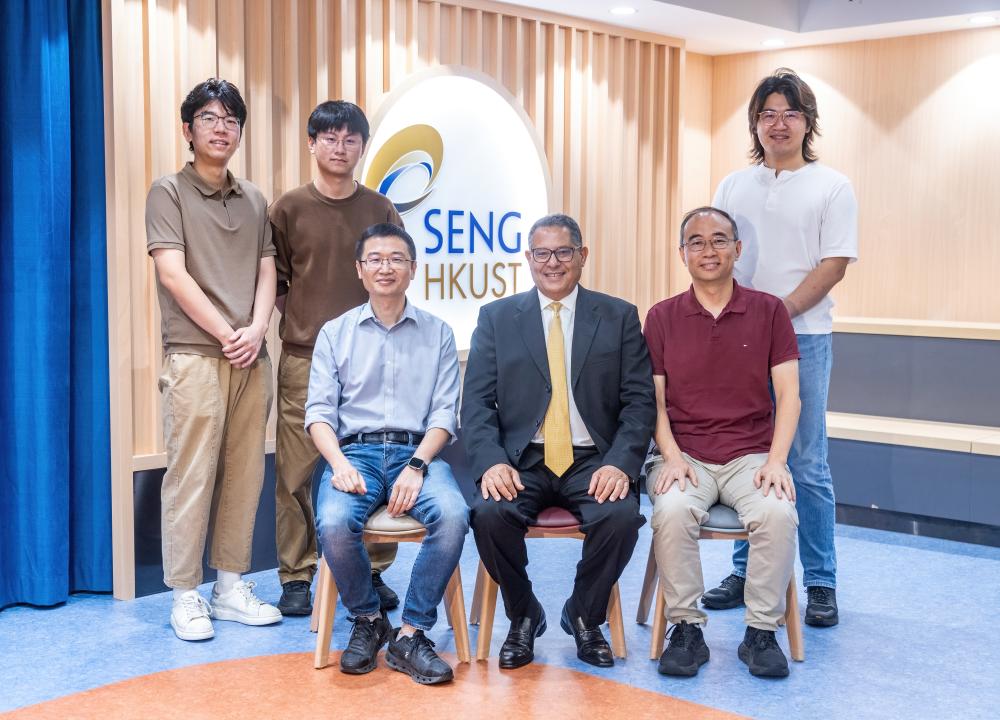
A research team at HKUST has proposed a groundbreaking framework for tackling this problem, one that seeks to teach machines to think before they speak.
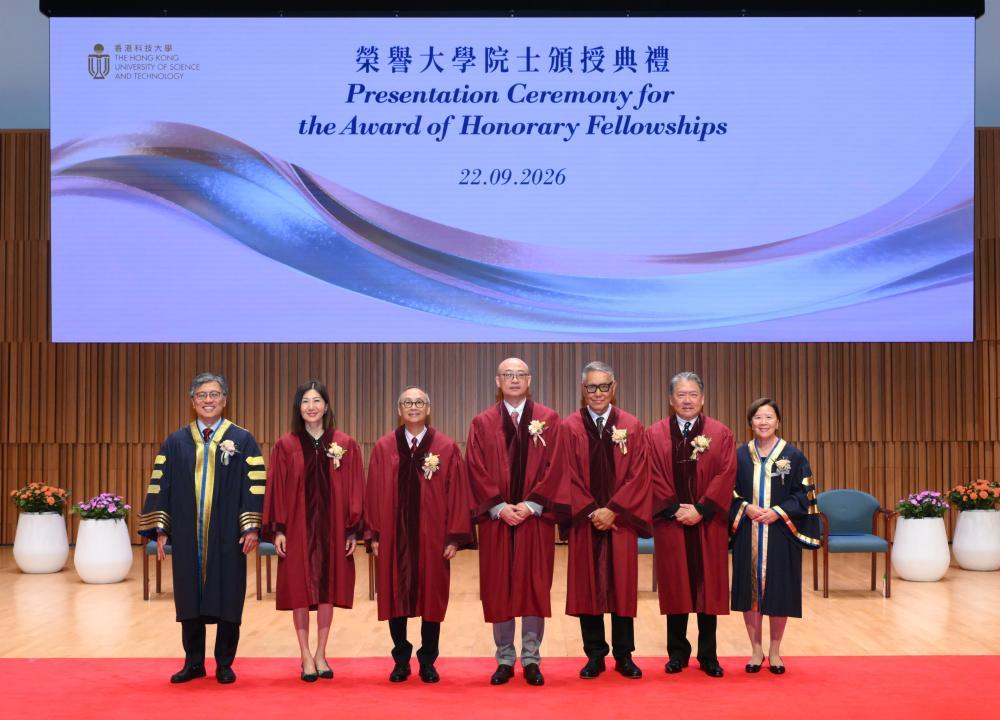
At HKUST, where scientific discovery meets deep humanistic inquiry, five distinguished leaders were recently welcomed into the University family at the Honorary Fellowship Conferment Ceremony. This honor recognizes their outstanding achievements across finance, sustainable development, intelligent manufacturing, Chinese art, and music, as well as their enduring contributions to society and longstanding support for the University.
The new Fellows are Ms. Bonnie Yiting CHAN, Mr. Rembert LAI Siu-Kin, Mr. PAN Yi, Prof. WU Hung, and Dr. YU Long.
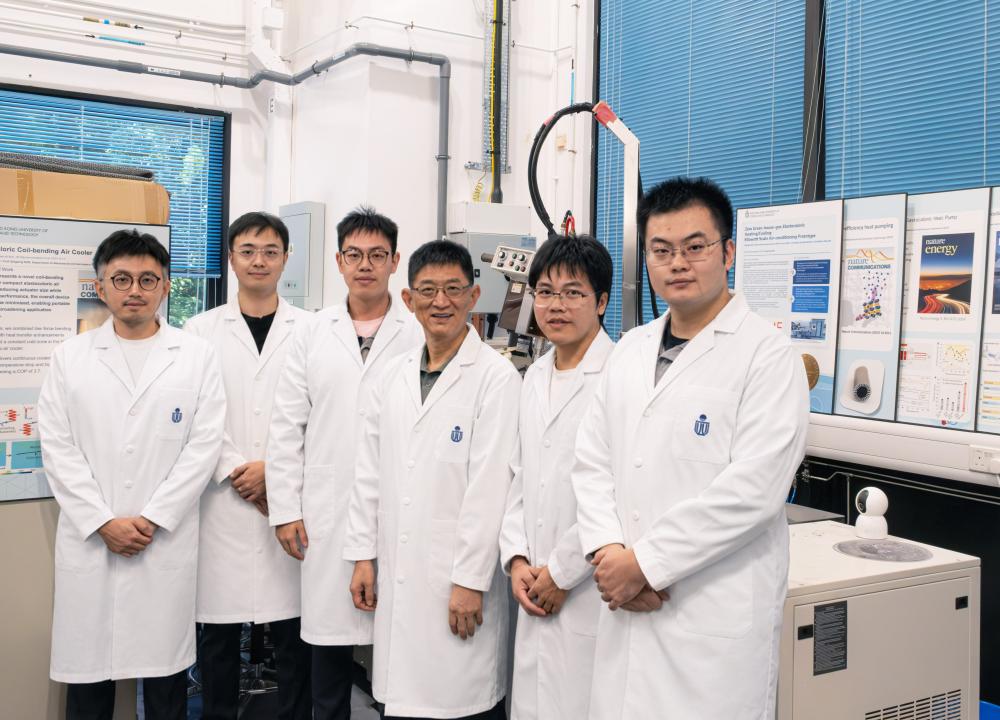
Every time an air conditioner springs into action, it quietly fights a two-pronged battle: one against soaring energy demand and another against the planet’s climate.
That’s because traditional vapor-compression systems in such air-cons rely on energy-intensive processes and climate-altering refrigerants, making them a paradox of modern comfort.
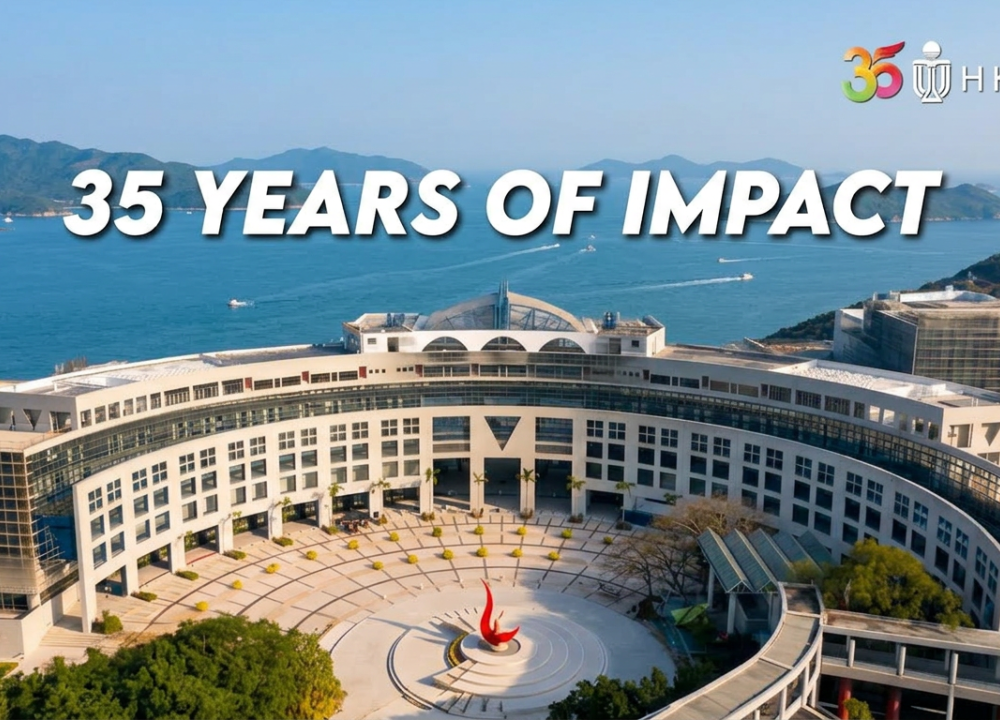
As HKUST celebrates its 35th Anniversary, a new wave of brand promotion is bringing the University's story beyond campus and into the daily lives of the Hong Kong community. Building on a series of high-visibility branding initiatives, from bus body, tram body and airport lightbox advertisements to lamp post buntings on Hong Kong's roadways, the latest phase expands the campaign's reach to MTR trackside digital panels throughout the city.