

Building What Runs: How the HKUST Firebird Hackathon Shapes the Future of AI
Global innovators from nine countries and regions accept the gauntlet thrown down by industry leaders to develop creative, workable AI solutions for Google Cloud, HKGAI, and TK Group.
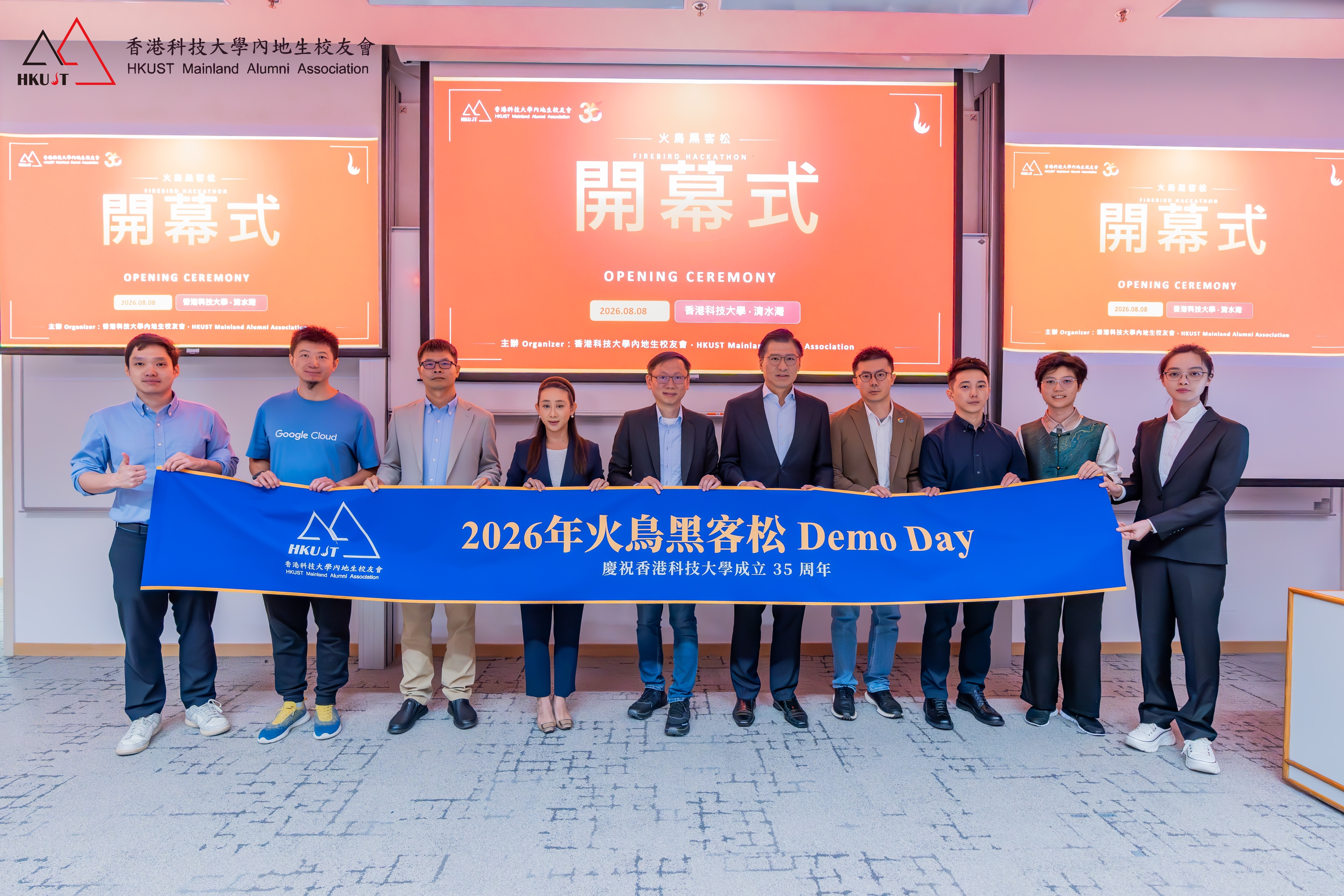
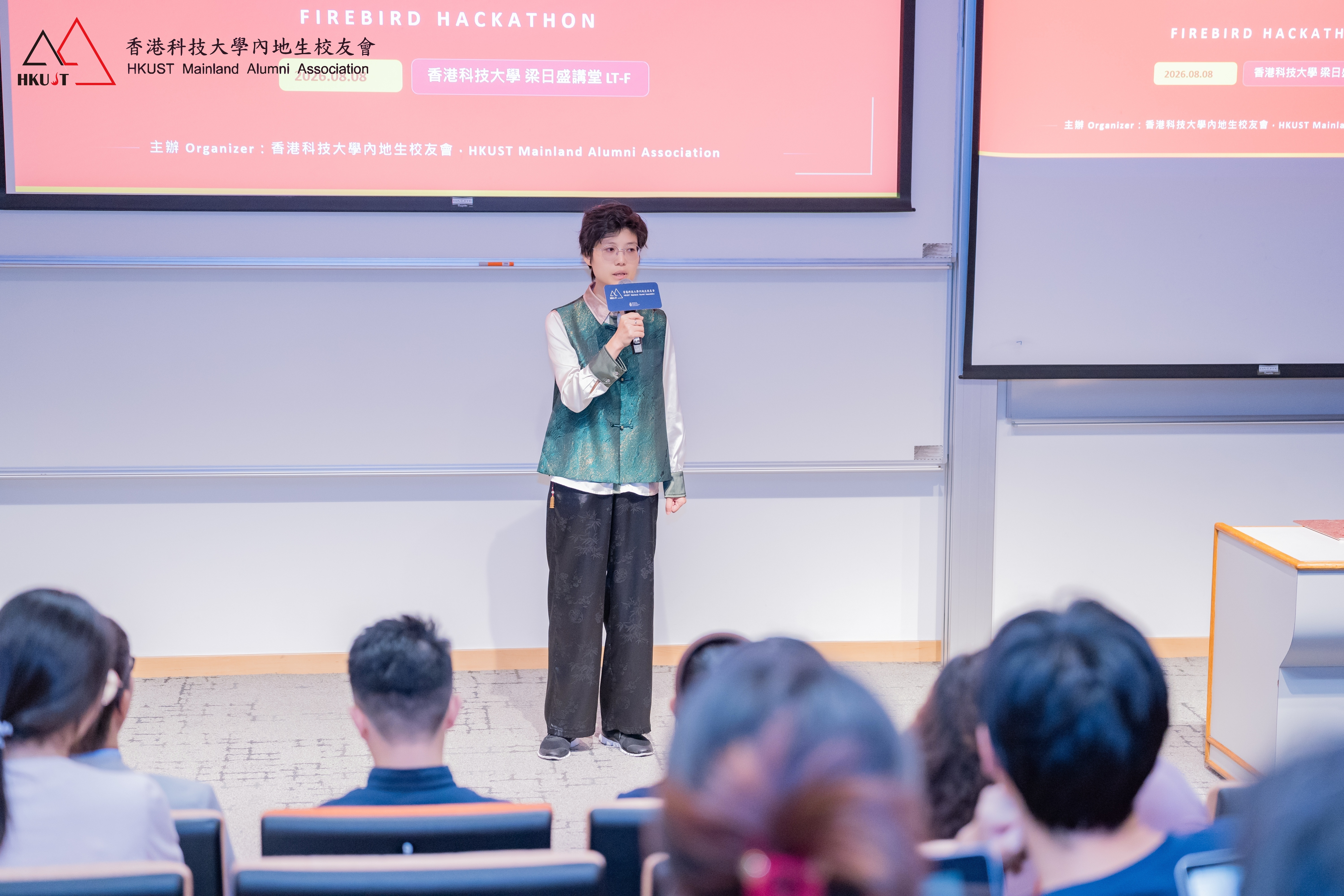
A live demonstration of a prototype can speak louder than a thousand words. This philosophy was on full display during the final pitching round of the HKUST Firebird Hackathon on August 8, where judges focused on one simple criterion: “No slideware, just things that run.”
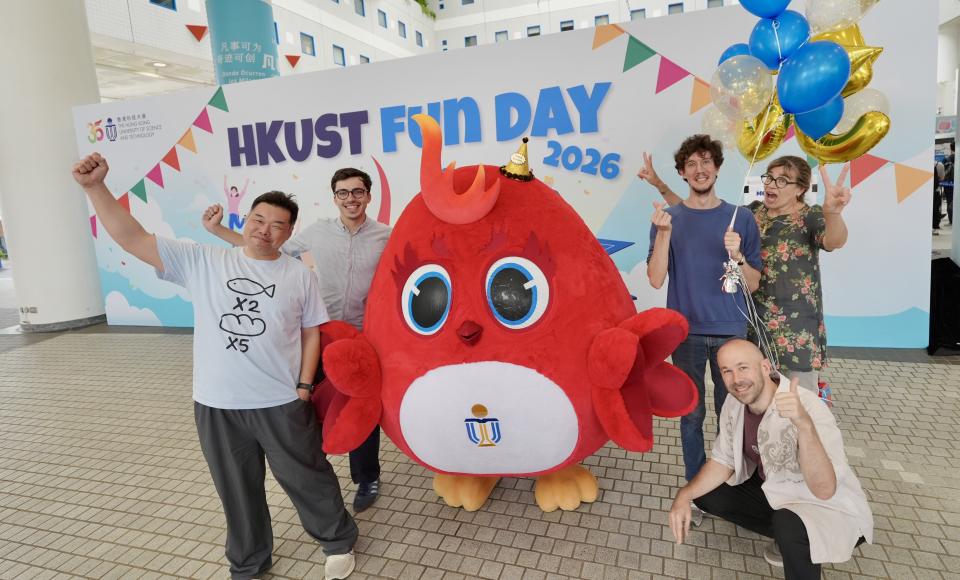
Held as part of HKUST’s 35th anniversary celebrations, the Firebird Hackathon exemplified HKUST’s long-standing commitment to translating academic excellence into real-world impact.
The collaboration among the co-organizers—HKUST Mainland Alumni Association (MAAHKUST), Blue Bay Incubator, and the Hong Kong Generative AI Research and Development Center (HKGAI)—underscores the productive partnership between HKUST alumni and the region’s start-up and research ecosystem.
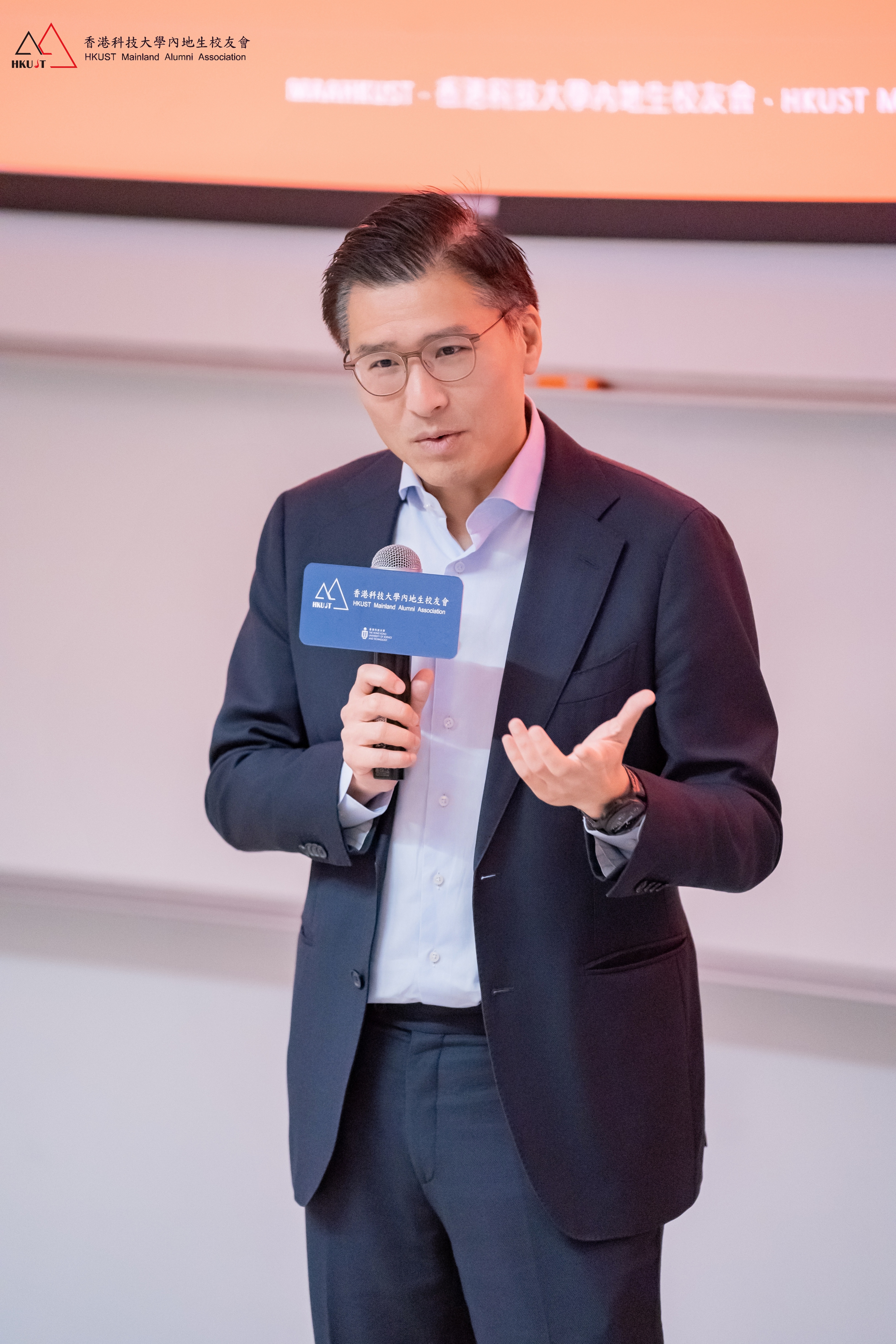
“For 35 years, HKUST has answered the questions of its time through research and education,” said Prof. HUI Kai-Lung, Associate Vice-President (Academic Development) at HKUST.
“Artificial intelligence is reshaping how knowledge is produced and how talent is cultivated. A university’s responsibility is not only to stand at the technological frontier, but also to equip the next generation to translate technology into social value,” he said.
The hackathon proved so popular that 104 teams comprising over 200 students joined the intensive online preliminary round on July 18. Competitors included developers, researchers, and entrepreneurs from the Chinese Mainland, Hong Kong SAR, Australia, Japan, Pakistan, Sweden, Switzerland, United Kingdom, and United States.
Twenty teams advanced to the final Demo Day, where their prototypes were presented to a ten-member judging panel comprising HKUST faculty, cloud architects, AI researchers, and industry executives.
The competition featured two distinct tracks, the Challenge Track and the Open Track, designed to test participants’ technical depth, creativity, and entrepreneurial mindset. Teams were provided with cloud infrastructure, computing resources, and generative AI tools to help transform their ideas into viable solutions.
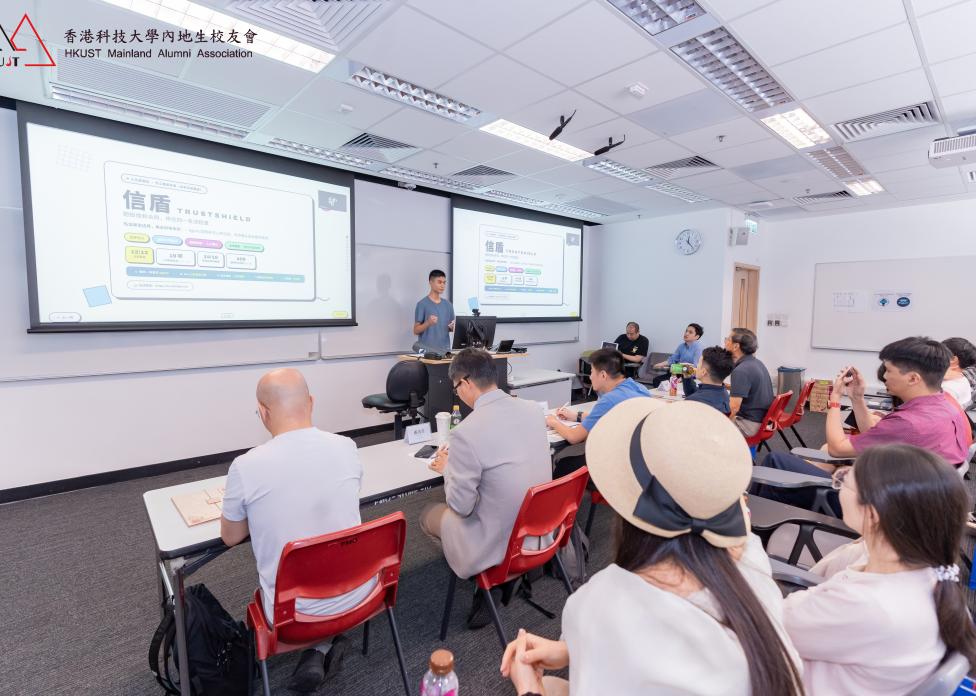
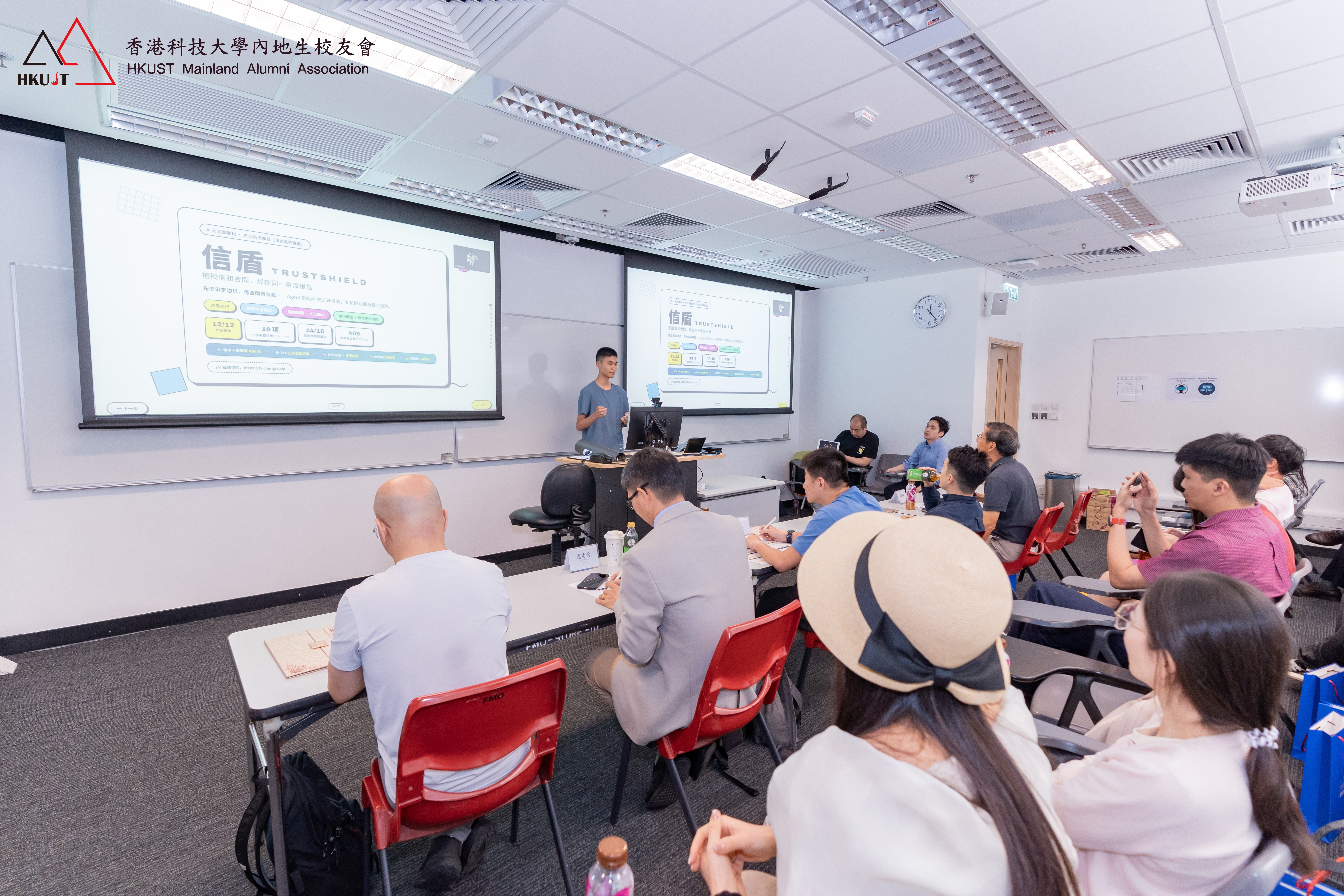
The final Demo Day put innovation to the test as teams unveiled their prototypes and demonstrated how AI can help solve real-world challenges.
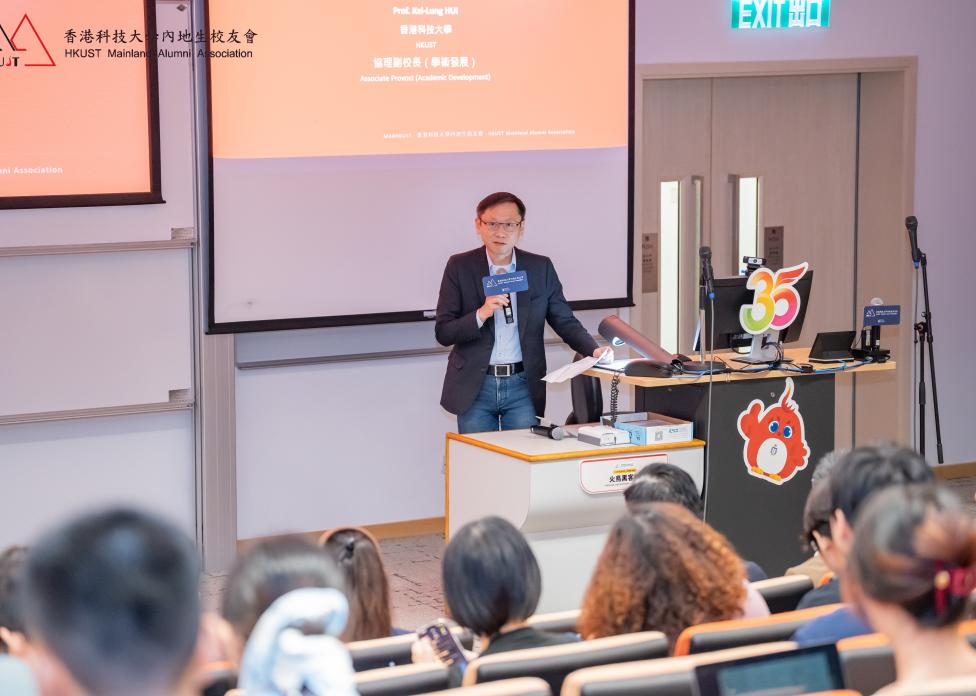
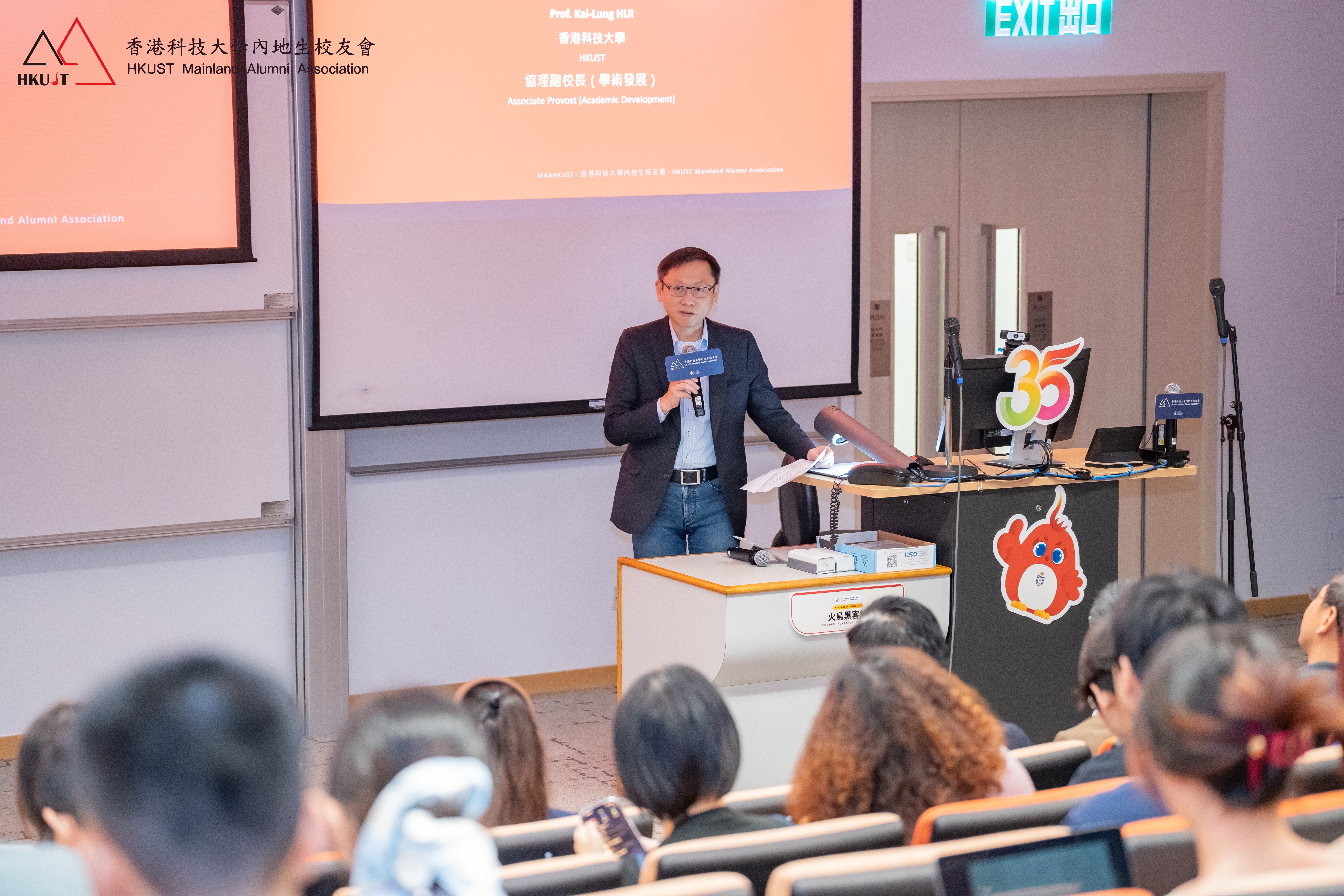
Prof. Hui Kai-Lung emphasized that universities must not only advance knowledge at the technological frontier but also nurture innovators capable of creating value for society.
Tackling Real-world Business Challenges
In the Challenge Track, participants took on genuine business problems posed by three industry partners:
- Google Cloud challenged teams to build AI for enhancing learning, research, and administration in higher education.
- HKGAI tasked participants with designing everyday life AI tools compatible with its native HKChat large language model.
- TK Group asked participants to develop AI agents to support talent recruitment and streamline contract reviews.
Firebird 404, a three-member team that included an HKUST alumnus, won the Challenge Track championship. Their winning solution, TrustShield, is a risk-control AI workbench designed for manufacturing contracts. For TK Group, the platform helps enterprises identify contractual risks and improve review efficiency, showing how AI can deliver immediate value in day-to-day business operations.
Turning Everyday Observations into Innovation
Unlike the Challenge Track, the Open Track set no fixed briefs, encouraging teams to identify unmet needs from their own observations. Projects ranged from AI-powered career coaches and child-focused learning companions to wearable biometric rings for proactive cardiac risk detection.
Legendary Horizons, a team of four undergraduates from HKUST’s Division of Integrative Systems and Design, took the championship with PAL, a multi-sensory plush toy companion designed to spark children’s curiosity and encourage interactive learning through engaging sensory experiences.
Judges were impressed by how thoughtfully teams blended technology with real understanding of pain points. For the participants, however, the value went beyond results: as one team put it, the experience reflects “a responsibility conferred by experience, not by capital.” Competing alongside their fellow innovators and exchanging ideas throughout the process became an invaluable part of the journey.
Building a Stronger Innovative Ecosystem
In his opening remarks, the Honorable Duncan CHIU, Legislative Council Member for the Technology and Innovation Constituency, noted that Hong Kong is at a critical stage in its journey to becoming an international innovation and technology hub.
“Innovation and technology competition is ultimately a talent competition,” he said. “What matters is whether we can attract talent, keep them here, and inspire them to turn their ideas into a career in this city.”
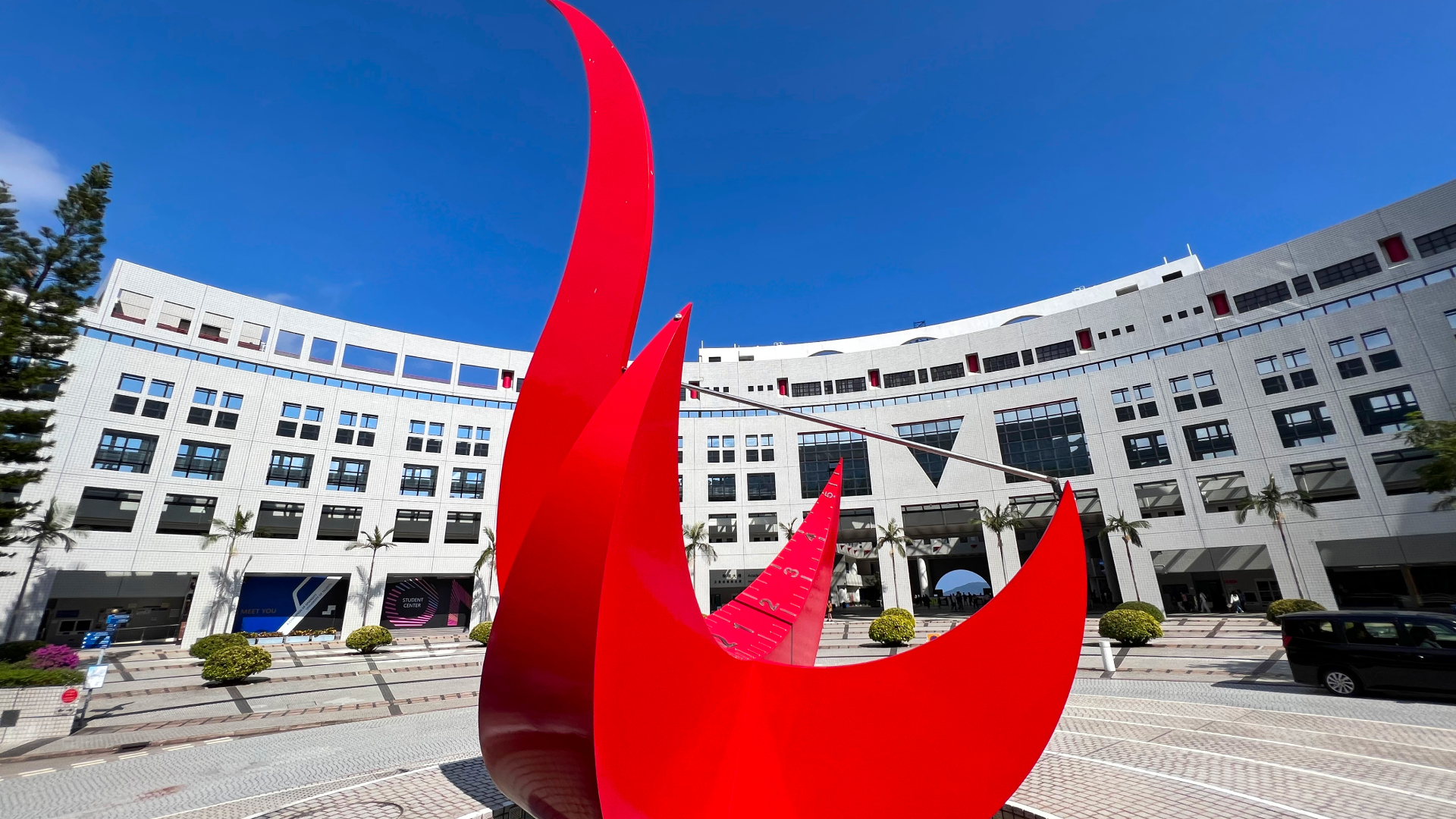
Ms. PU Qi, President of MAAHKUST, said that the Firebird (Red Bird) symbol—HKUST’s most iconic emblem—represents a spirit of innovation focused on the future. Inspired by that spirit, MAAUST launched the Firebird Hackathon to use AI as a catalyst for young innovators.
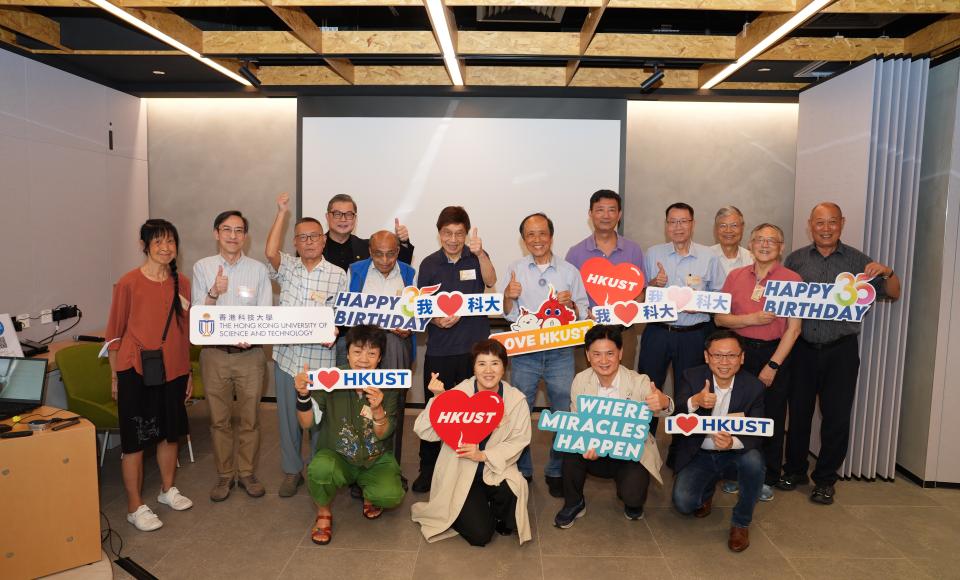
Founded in 2012, MAAHKUST strengthens ties between mainland alumni and the broader HKUST community through networking, professional development, and social engagement.
Reflecting on the finalists, Ms. Pu noted that nearly 60 percent of them held master’s or doctoral degrees, and many were taking part in a hackathon for the first time.
“The charm of a hackathon is not whose code is most perfect,” Ms. Pu told the teams, “but who can turn an idea into a prototype that runs, and a prototype into a product that moves people.”
Echoing this vision, Ms. MA Ye, Vice-President of MAAHKUST and Co-Chair of the Organizing Committee, said the hackathon was created to build a shorter path among academia, industry, and capital, helping young innovators engage directly with real market needs, especially in the Greater Bay Area.
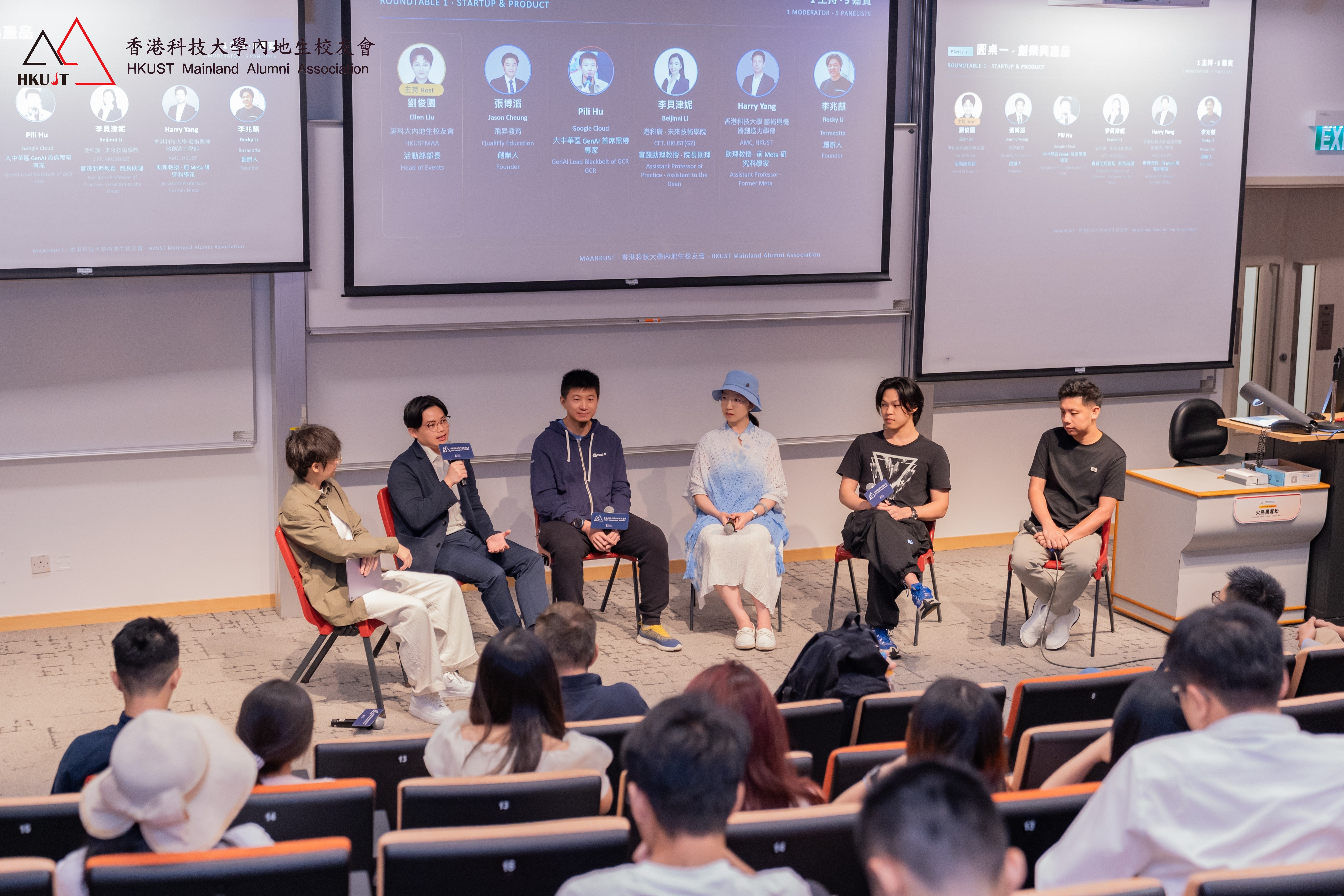
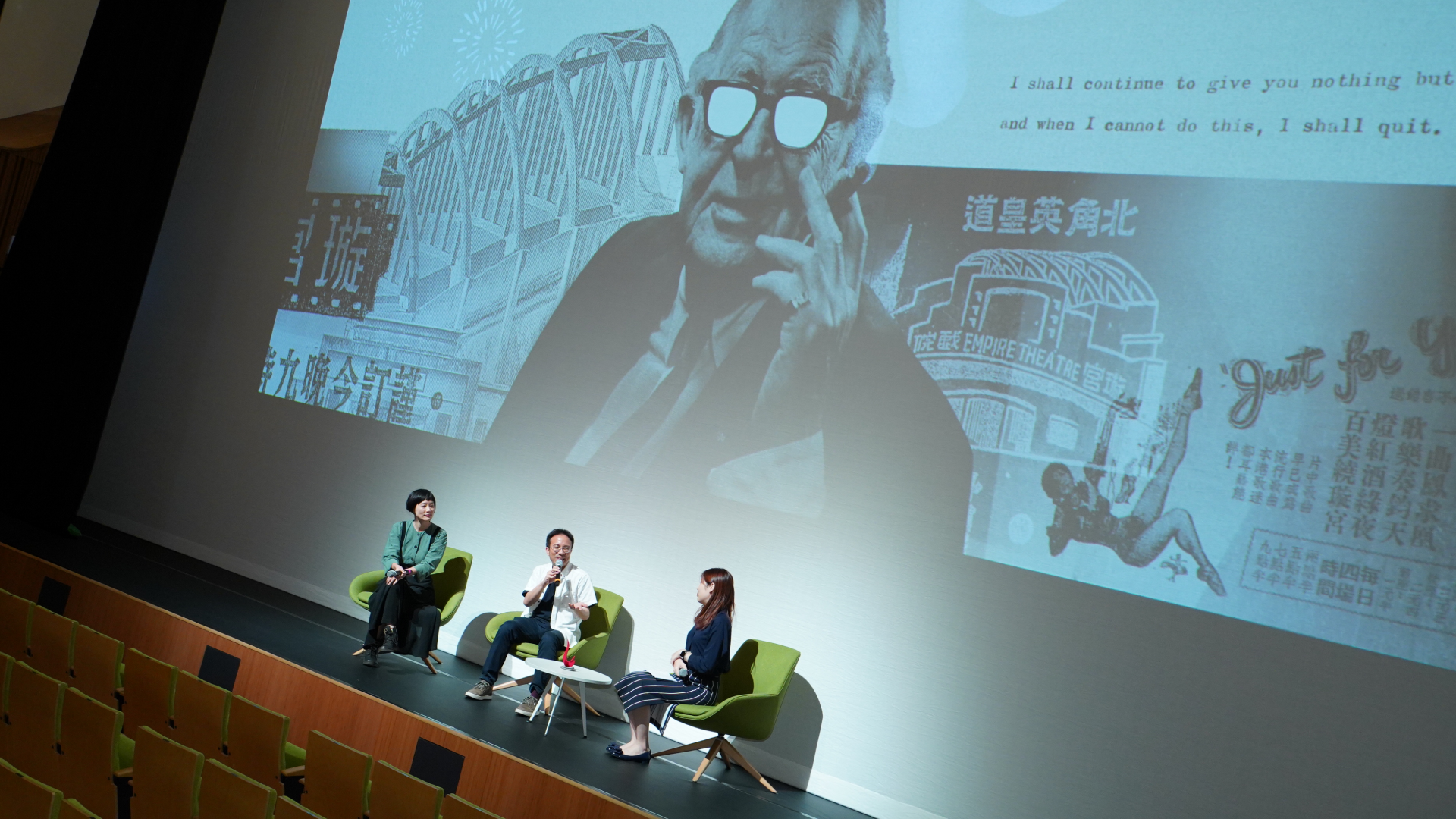
Beyond the competition itself, two expert roundtables further explored AI’s transition from early prototypes to scalable products. The first session, featuring leaders from MAAHKUST, HKUST (Guangzhou), and venture firms, examined what separates genuine AI market opportunities from superficial “AI packaging”. Speakers emphasized that young entrepreneurs should strive to build something unique and irreplaceable, especially as AI products become easier to replicate.
The second session brought together experts from Google Cloud, HKGAI, TK Group, and HKUST academia to discuss the operational boundaries of enterprise AI agents. The panel concluded that as AI increasingly enters management and decision-making, organizations must establish clear accountability frameworks and ensure robust human oversight.
With support from industry sponsors and commercialization resources from the HKUST Entrepreneurship Center, these teams are now well positioned to ensure their solutions run on Demo Day and in the real world for society's benefit.
If you would like to explore future hackathons or incubation opportunities, visit: