



HKUST Secures Dual UNESCO Endorsements for Two International Deep-Sea Research Programs
Research on Methane Seeps and Cold-seep Biodiversity to Tackle Global Climate Challenges

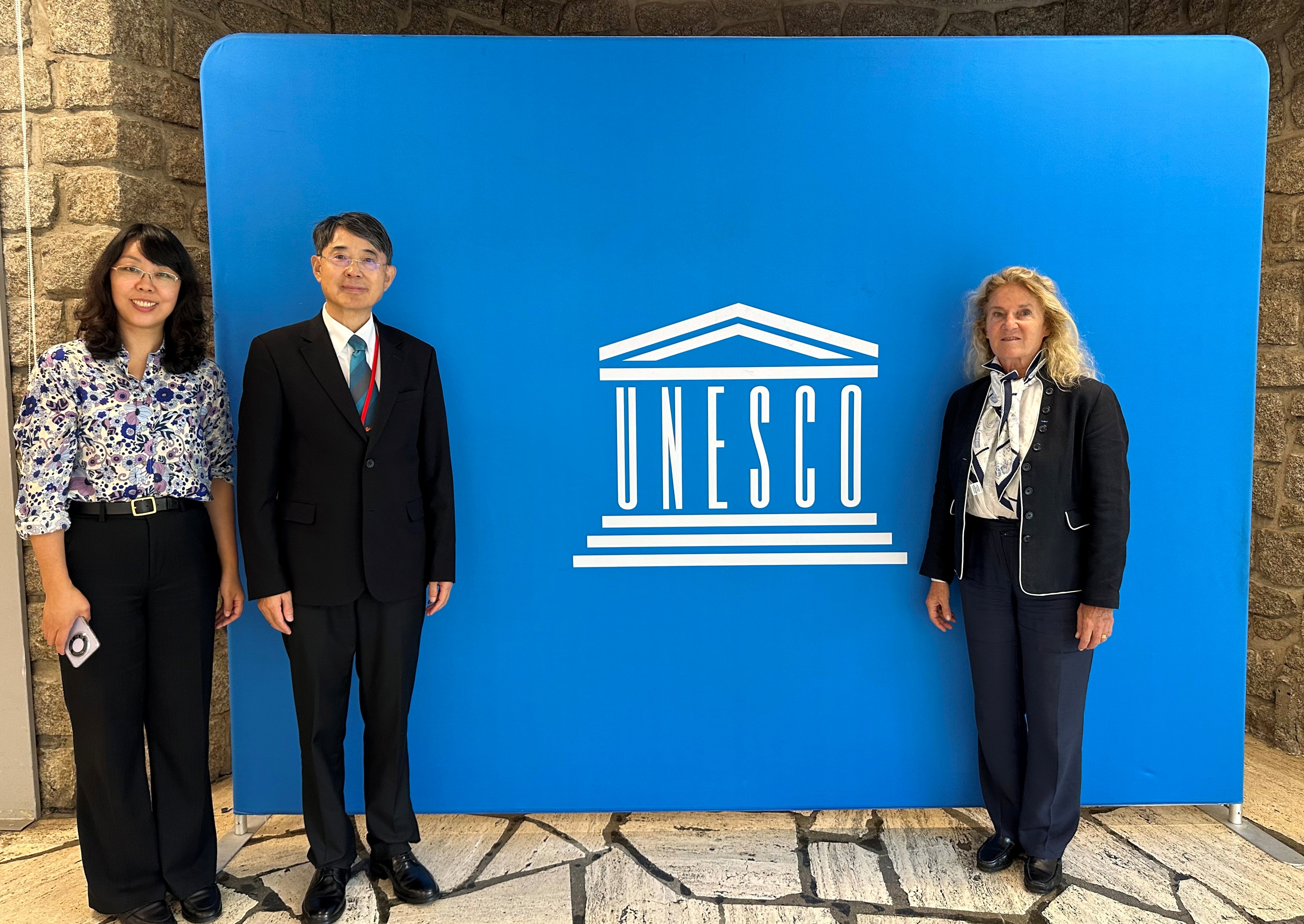
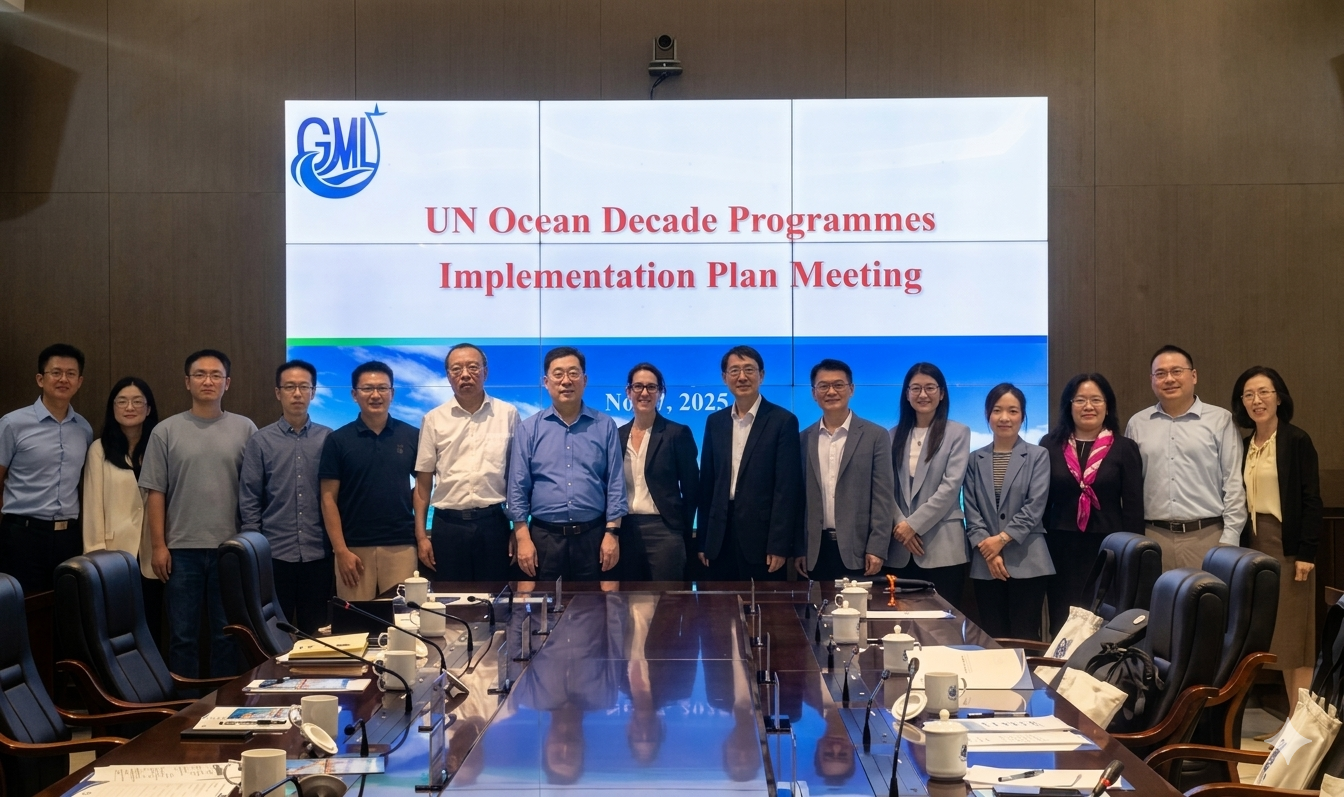
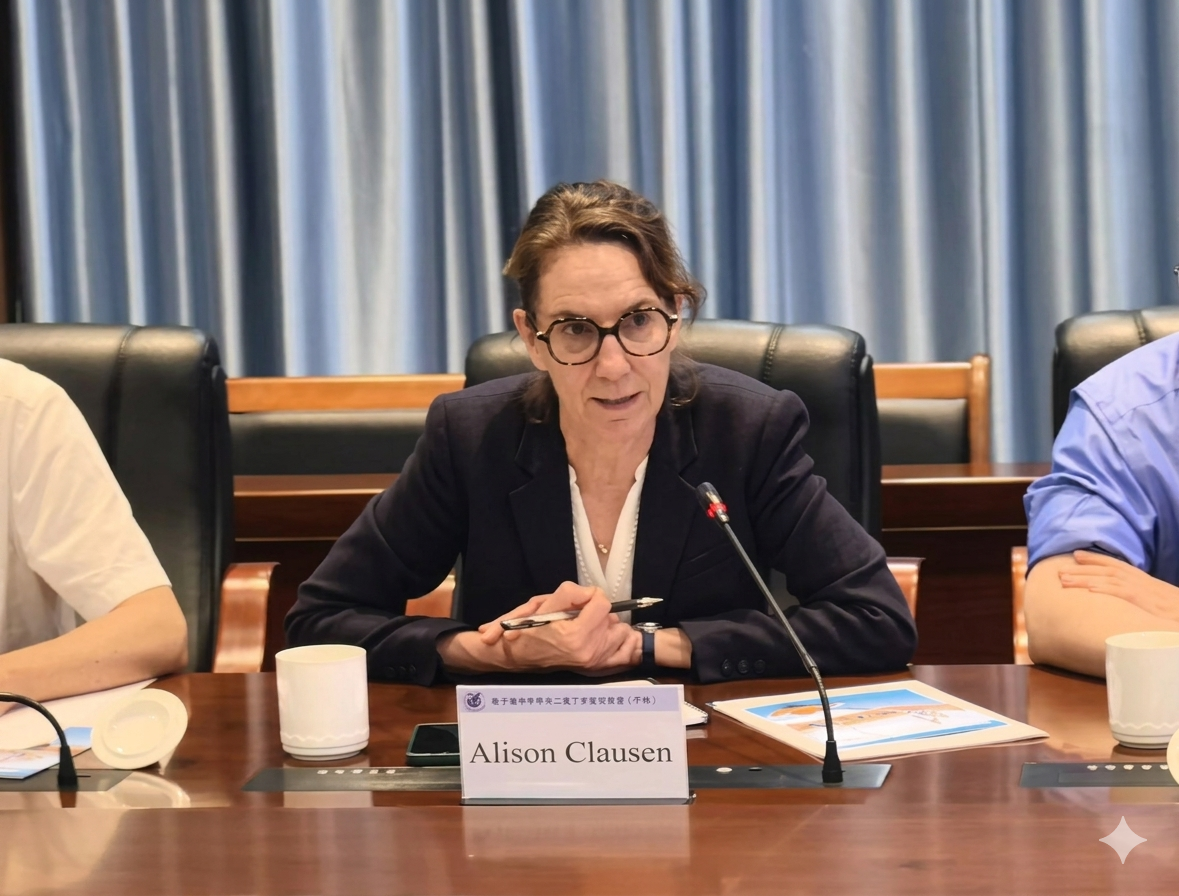
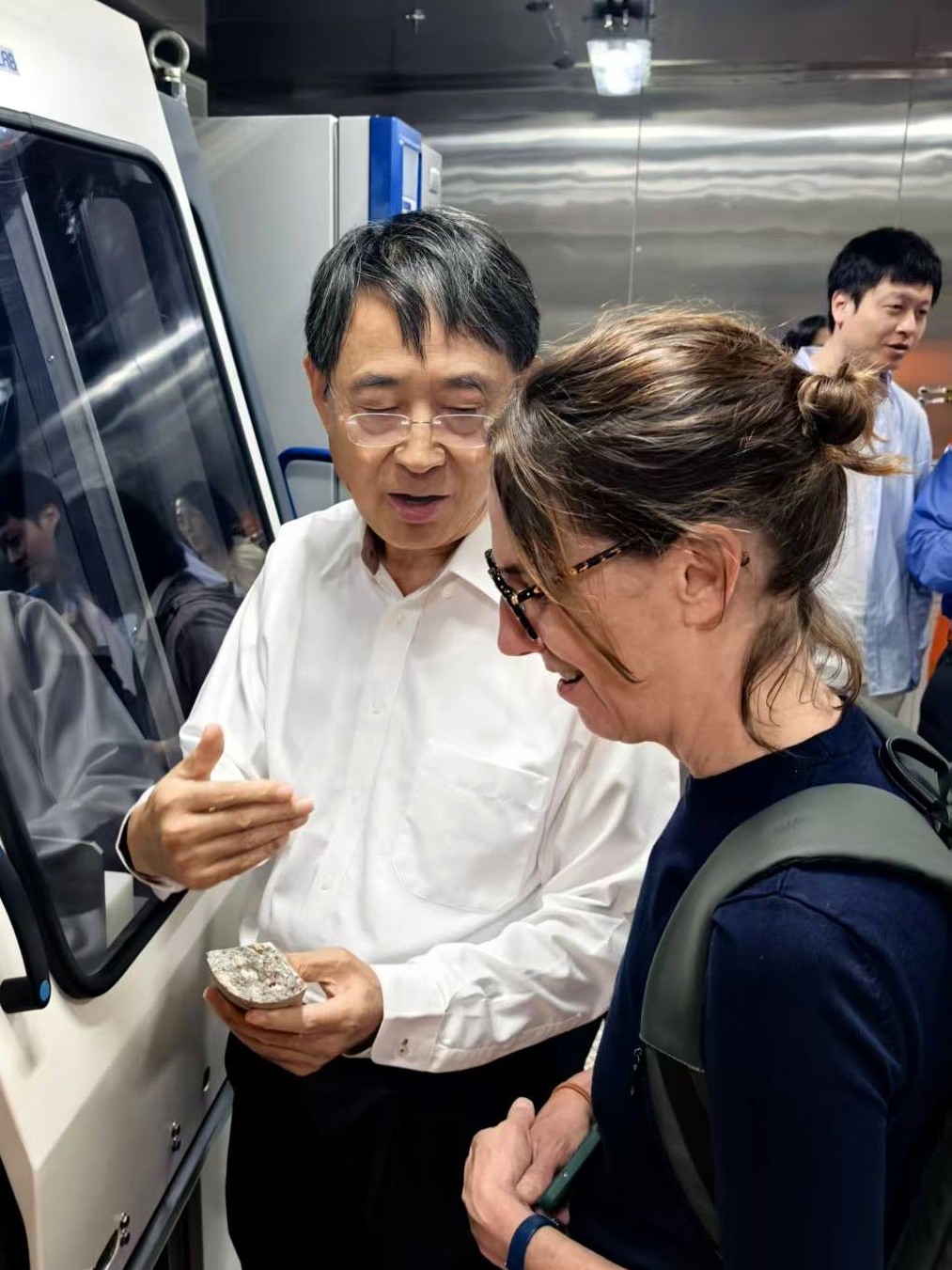
Two international deep-sea research initiatives, led by the Southern Marine Science and Engineering Guangdong Laboratory (Guangzhou) (GML) with significant contributions from The Hong Kong University of Science and Technology (HKUST), have received official endorsement from the United Nations Educational, Scientific and Cultural Organization (UNESCO). Both initiatives are designed to address critical gaps in climate science by investigating seabed methane seeps' role in global warming and exploring biodiversity in extreme deep-sea ecosystems. The two programs are poised to strengthen global collaboration and deliver scientific insights essential for tackling future climate challenges.
The two research initiatives—the Global Climate Impacts of Methane Seeps Program (CliMetS) and the Mysteries of Ocean Cold Seep Interfaces Program (MOCSI)—have been endorsed under the United Nations Decade of Ocean Science for Sustainable Development (2021–2030) (the Ocean Decade) and the United Nations International Decade of Science for Sustainable Development (2024–2033) (the Science Decade), respectively. Together, these dual endorsements also underscore HKUST’s scientific excellence and leadership in advancing climate-impact research, particularly in an area of global ocean science that remains respectively underexplored.
Bridging Ocean Science and Climate Action
CliMetS addresses one of the most vital gaps in current climate models—how methane released from seafloor seeps influences global climate systems. Bringing together over 220 researchers from 138 institutions across 53 countries, CliMetS seeks to establish a global observation and mapping network for methane seep-related emissions. Through long-term monitoring of major seep sites across multiple ocean basins and the development of a comprehensive global methane seep database, the program will generate essential data to enhance climate forecasting models, and refine assessments of global warming and climate tipping points, thereby providing a significant scientific foundation for future climate policies and governance.
Unlocking the Mysteries of Life in Deep-Sea Cold Seep
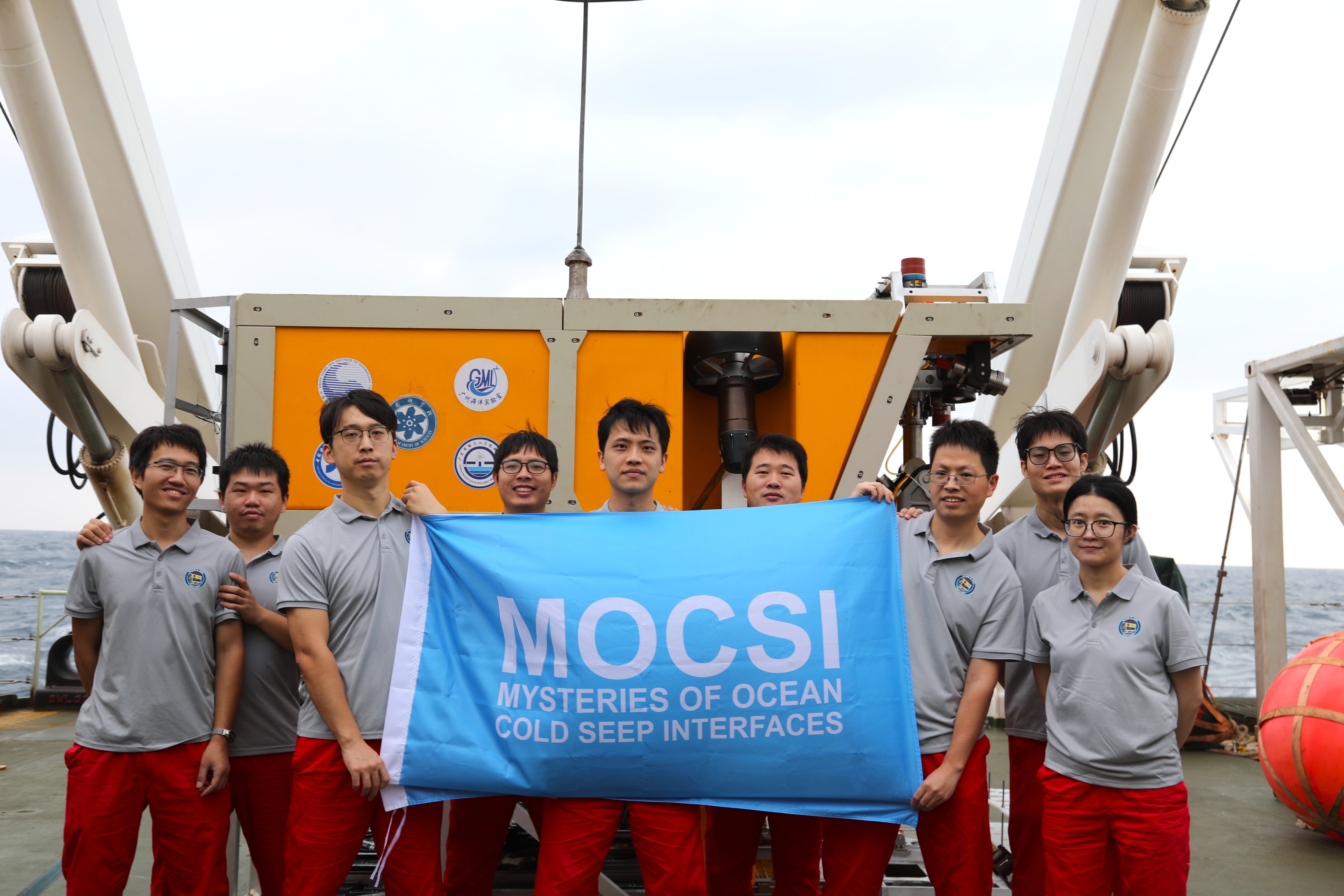
Complementing CliMetS, the MOCSI program, led by GML in partnership with HKUST, focuses on cold seep ecosystems across the Northwest and South Pacific, the western Indian Ocean, and the Atlantic Ocean. Through integrated multidisciplinary approaches, MOCSI seeks to systemically investigate how organisms adapt to extreme conditions of cold seeps, examine their genetic and population connectivity, uncover potential biological resources, and elucidate key biogeochemical cycling mechanisms. By developing a comprehensive scientific framework for these ecosystems, MOCSI will advance global understanding of cold seep biodiversity, ecosystem resilience, and biogeochemical dynamics, thereby providing a solid scientific basis for deep-sea conservation, marine resource management, and sustainable development.
Creating Synergy to Drive Global Collaboration and Capacity Sharing
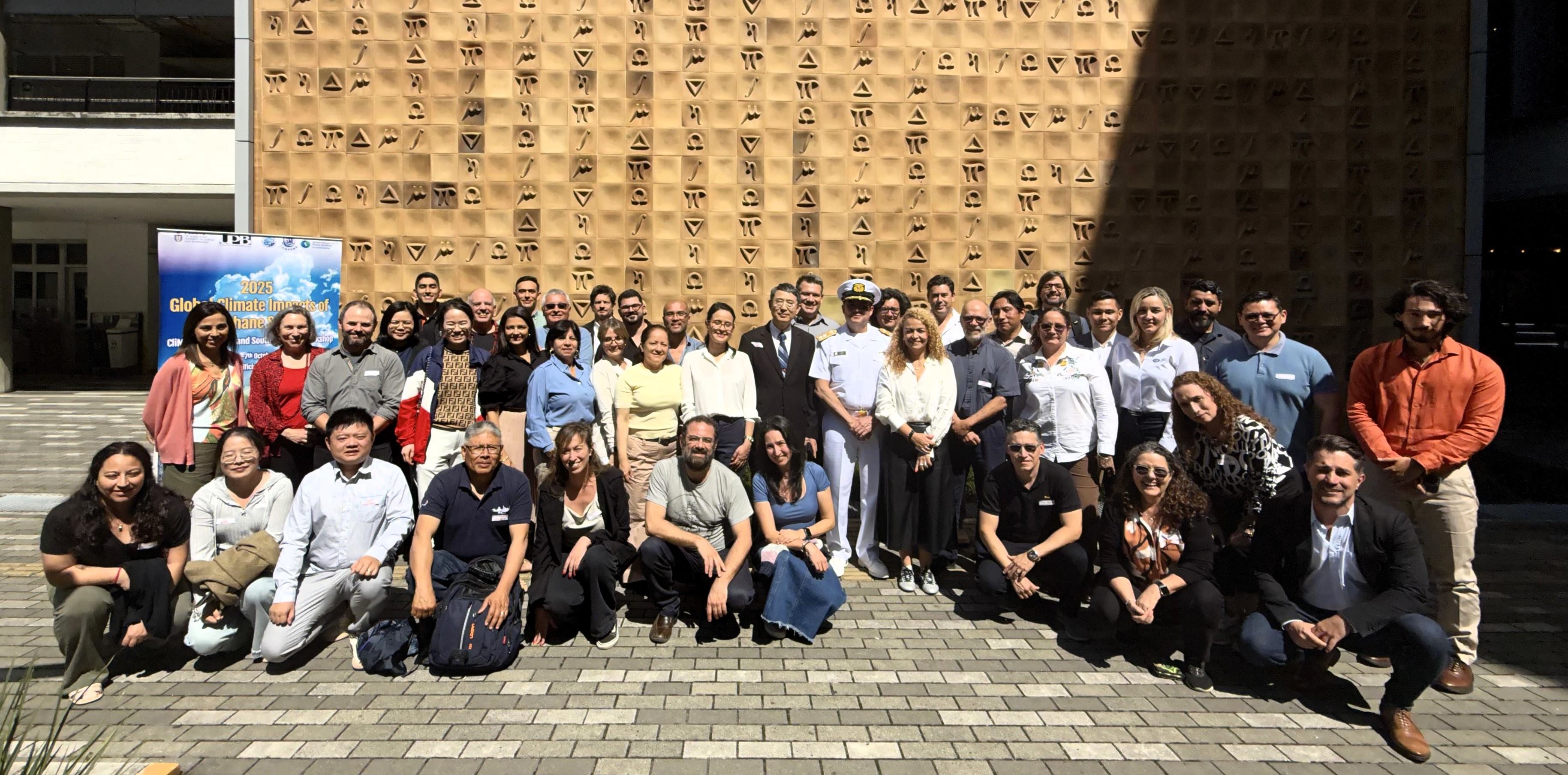
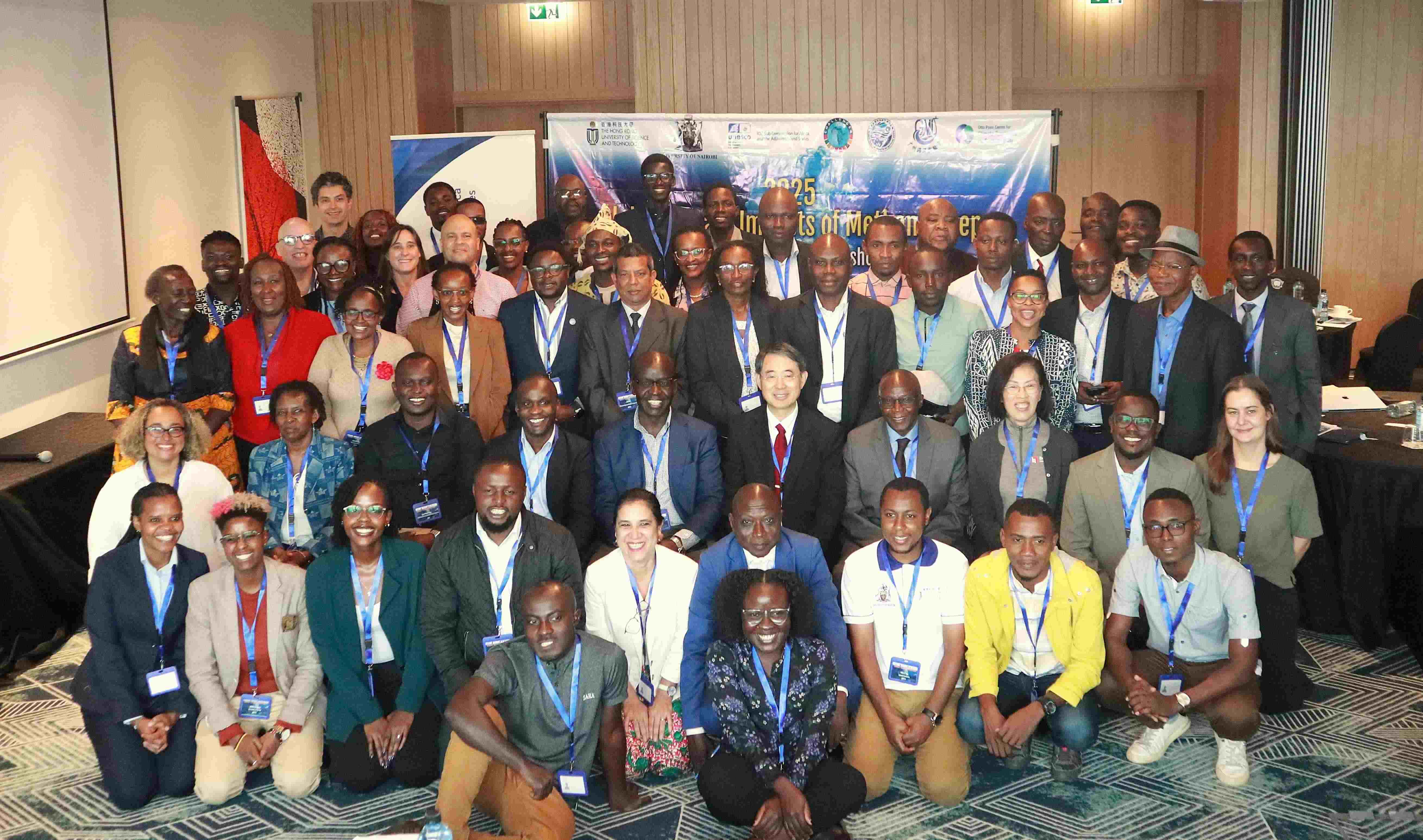
In the coming year, CliMetS and MOCSI will launch two major actions: an international research cruise in the Indian Ocean to investigate methane seeps and collect critical climate-impact data through collaborative fieldwork; and a North American regional workshop to gather local researchers, policymakers, and industry partners to co-design research agendas and enhance regional capacity for methane seep studies. In addition, UNESCO will host a special thematic session on Chemosynthetic Ecosystems at the Science Decade's Conference on July 16 this year at its headquarter in Paris to promote the international collaboration of CliMetS and MOCSI. These initiatives follow two landmark regional workshops held in Colombia and Kenya in last October, where CliMetS brought together over 110 experts from 11 countries in Latin America and 17 countries in Africa, transforming fragmented regional efforts into a unified global front.
By narrowing resource and knowledge disparities across regions and empowering emerging economies—particularly those in the Global South—to take on a more active role, these efforts will support the long-term synergistic development of the two programs, fostering closer integration between climate-focused research on seafloor methane seeps and explorations of deep-sea biodiversity. Together, CliMetS and MOCSI share a common vision of building an open, inclusive, and globally connected research ecosystem that unites scientists, industry, and policymakers worldwide to advance deep-sea research and address future climate challenges.
Solidifying Role of HKUST and GML as a Global Leaders in Deep-sea Research
With these dual UNESCO endorsements, HKUST and GML now stand at the forefront of international deep-sea research, leading efforts that link fundamental ocean discovery with global climate solutions. Prof. QIAN Peiyuan, Chair Professor of the Department of Ocean Science at HKUST, Director of the Hong Kong Branch of GML, and Chair of the Management Committee of both CliMetS and MOCSI, stated: "The dual endorsements of CliMetS and MOCSI represent not only recognition of our research excellence, but also an affirmation of our commitment to global methane seep research. By combining the strengths of these two programs, we aim to join hands with stakeholders from around the world to uncover the ecological mysteries of cold seeps, clarify the role of seabed methane in Earth’s climate system, and translate scientific discoveries into concrete contributions to global sustainability."
Moving forward, HKUST and GML will continue to lead international deep-sea research efforts to decode the ocean’s hidden systems, contributing vital scientific insights to safeguard marine ecosystems, address global environmental challenges, and build a sustainable future for humanity and the ocean.
About The Hong Kong University of Science and Technology
The Hong Kong University of Science and Technology (HKUST) (https://hkust.edu.hk/) is a world-class university known for its innovative education, research excellence, and impactful knowledge transfer. With a holistic and interdisciplinary pedagogy approach, HKUST was ranked 6th in the QS Asia University Rankings 2026, 3rd in the Times Higher Education’s Young University Rankings 2024, and 19th globally and 1st in Hong Kong in the Times Higher Education’s Impact Rankings 2025. Eleven HKUST subjects were ranked among the world’s top 50 in the QS World University Rankings by Subject 2026. In addition, in the Times Higher Education World University Rankings by Subject 2026, HKUST’s Computer Science discipline which encompasses areas such as artificial intelligence and machine learning, has been ranked No. 1 in Hong Kong for ten consecutive years. Our graduates are highly competitive, consistently ranking among the world’s top 30 most sought-after employees. In terms of research and entrepreneurship, over 80% of our work was rated “internationally excellent” or “world leading” in the Research Assessment Exercise 2020 of the Hong Kong’s University Grants Committee. As of January 2026, HKUST members have founded over 1,900 active start-ups, including 10 Unicorns and 21 exits (IPO or M&A).
For media enquiries, please contact:
PR and Media Team, Global Engagement and Communications Office
Email: media@ust.hk
Sign Up for Our Latest News
Latest News

Turning climate science and early warnings into practical action to protect people, strengthen infrastructure and finance resilience is the focus of the Climate Adaptation and Resilience Conference 2026 (CARE2026) at The Hong Kong University of Science and Technology (HKUST). Running from 8 to 10 October, the conference opened with calls to connect scientific knowledge with better preparedness and decisions that make cities more resilient.

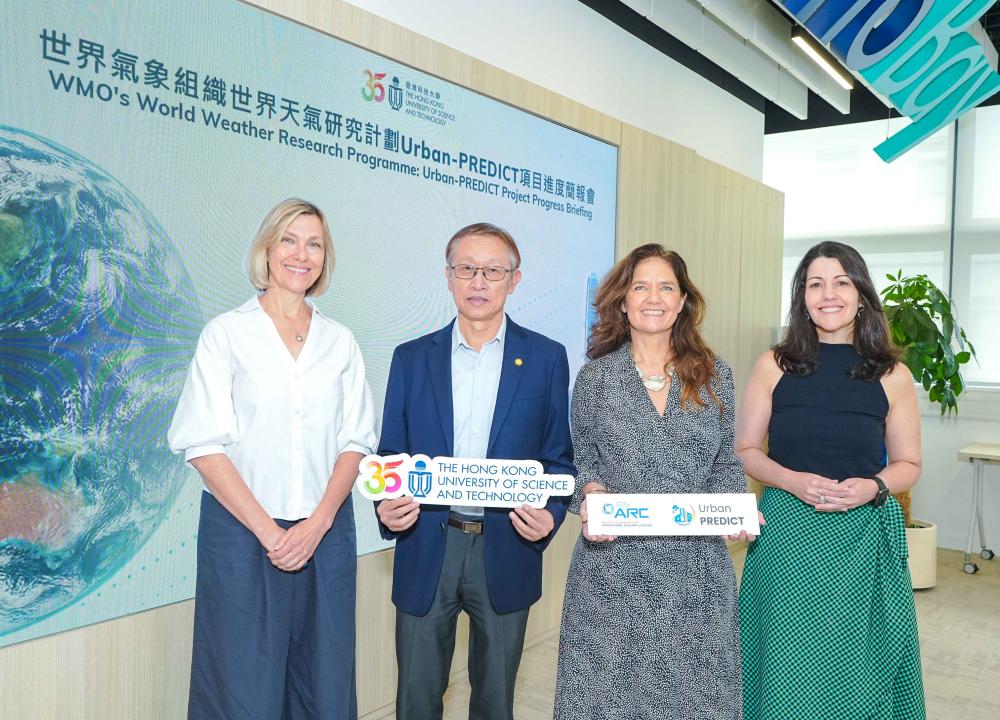
As climate change continues to intensify the frequency and severity of extreme weather events worldwide, a recent United Nations Environment Programme report warns that global temperatures are likely to exceed the 1.5°C threshold within the coming years, posing increasing risks to cities and communities around the world.