


Support Food Waste Recycling for a Greener Campus
The newly rolled-out UST campus-wide food waste recycling program can promote a greener campus.
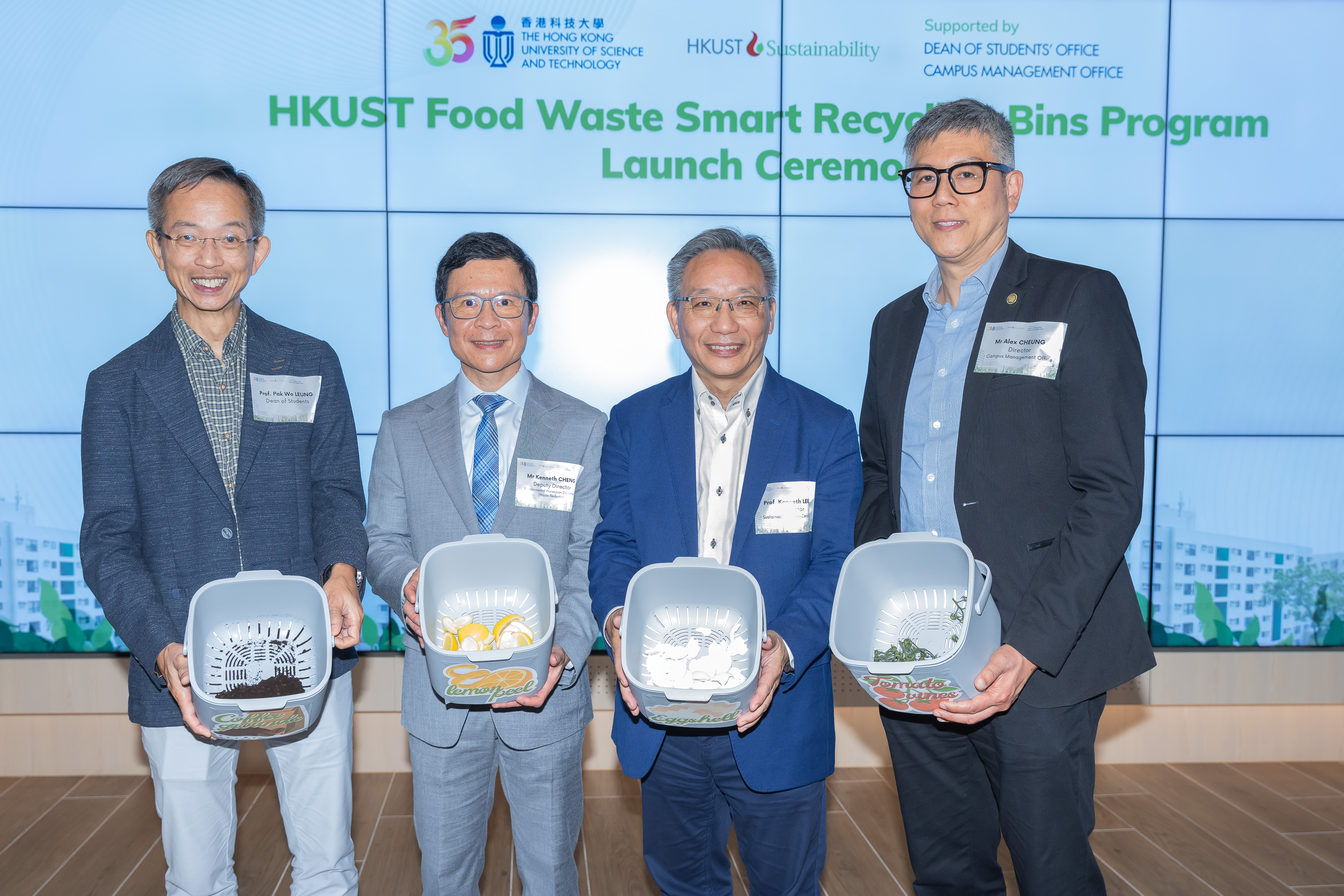
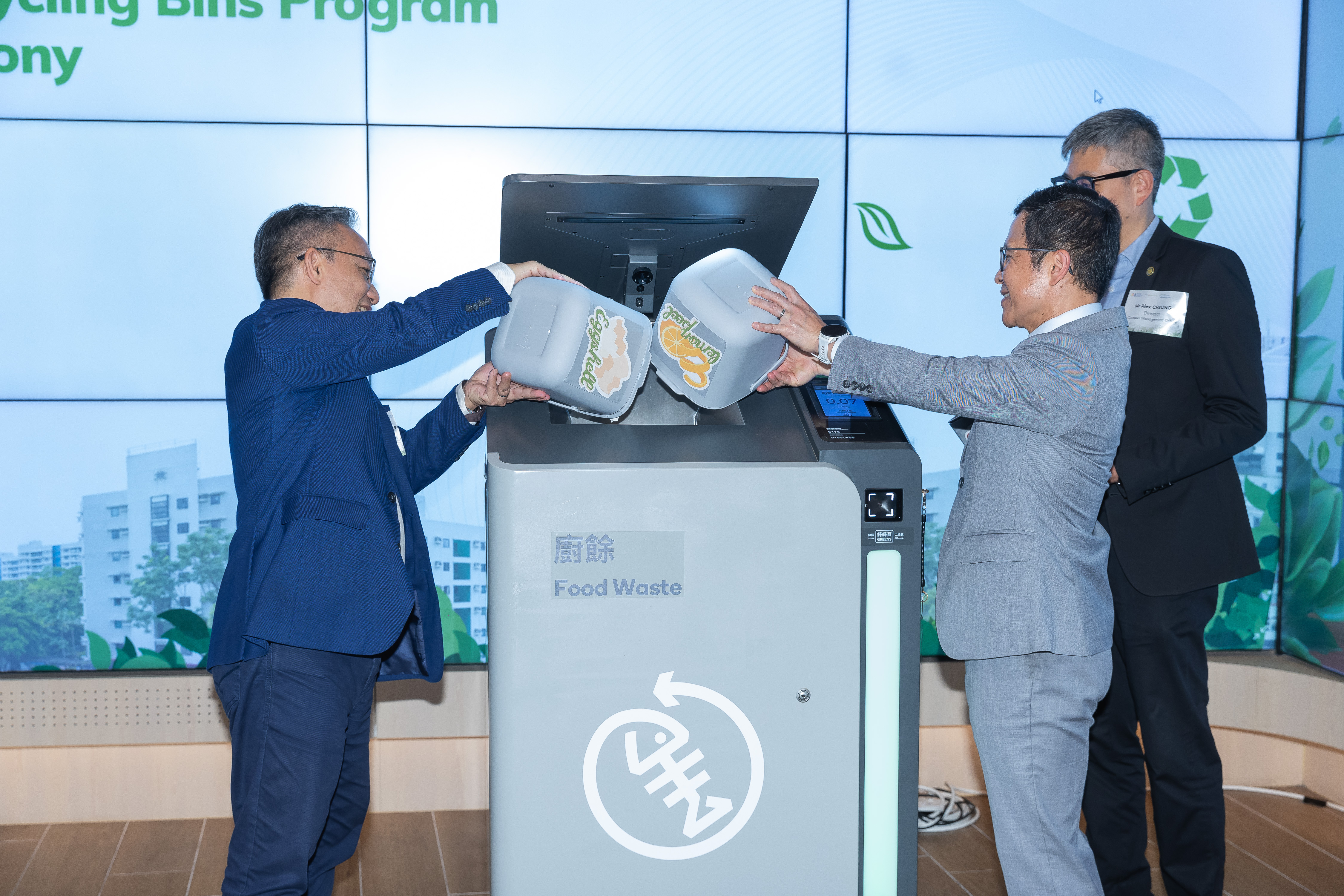
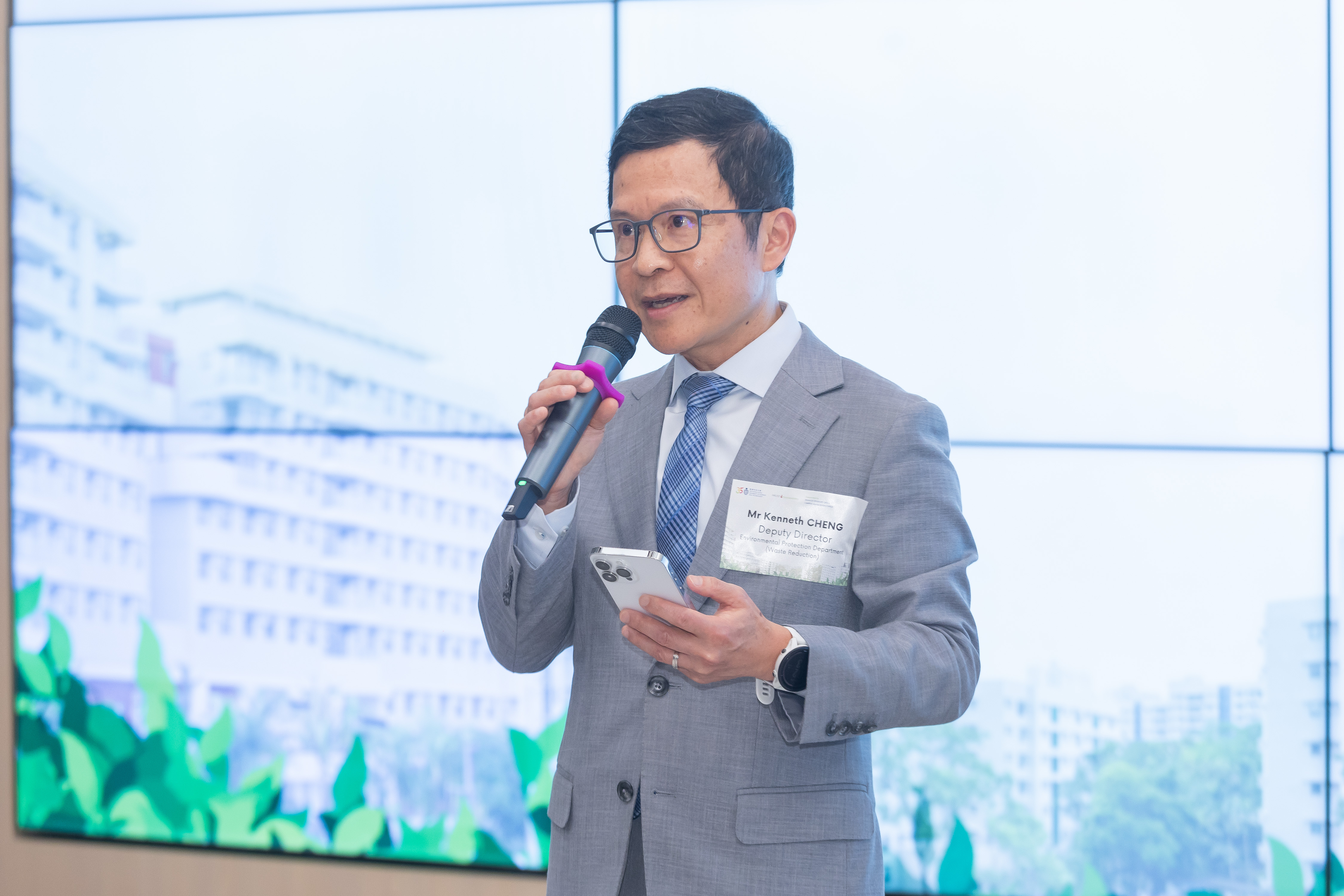
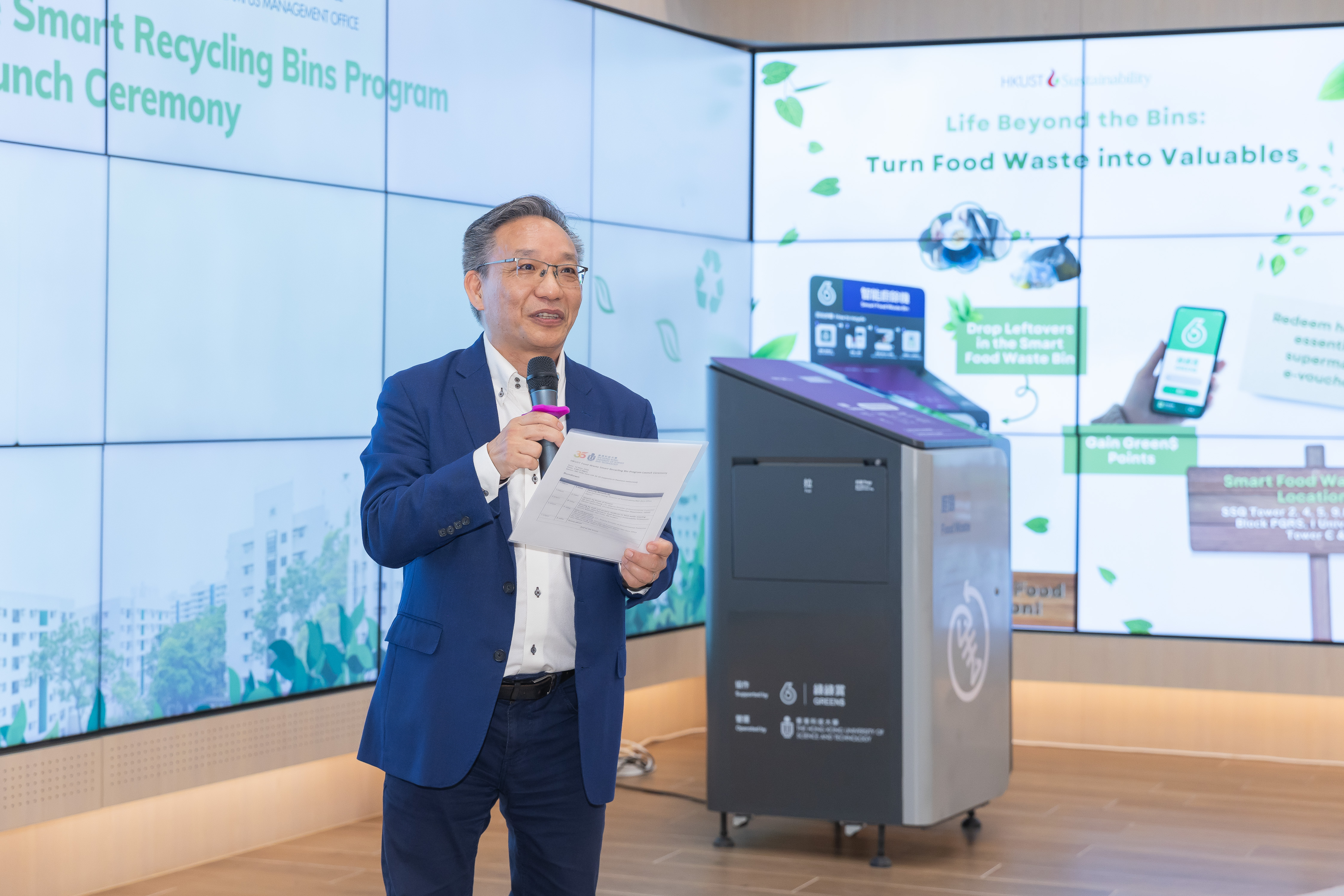
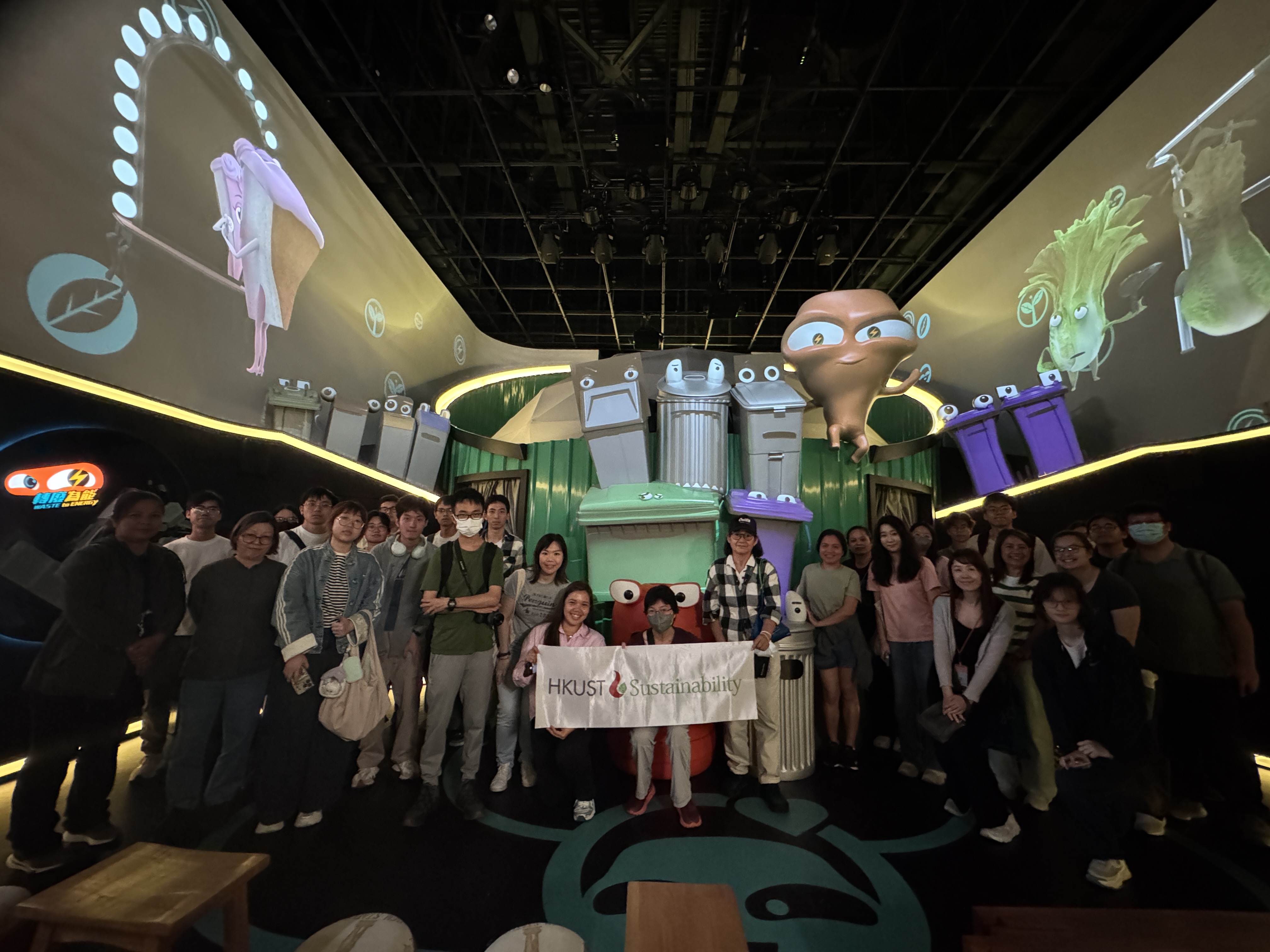
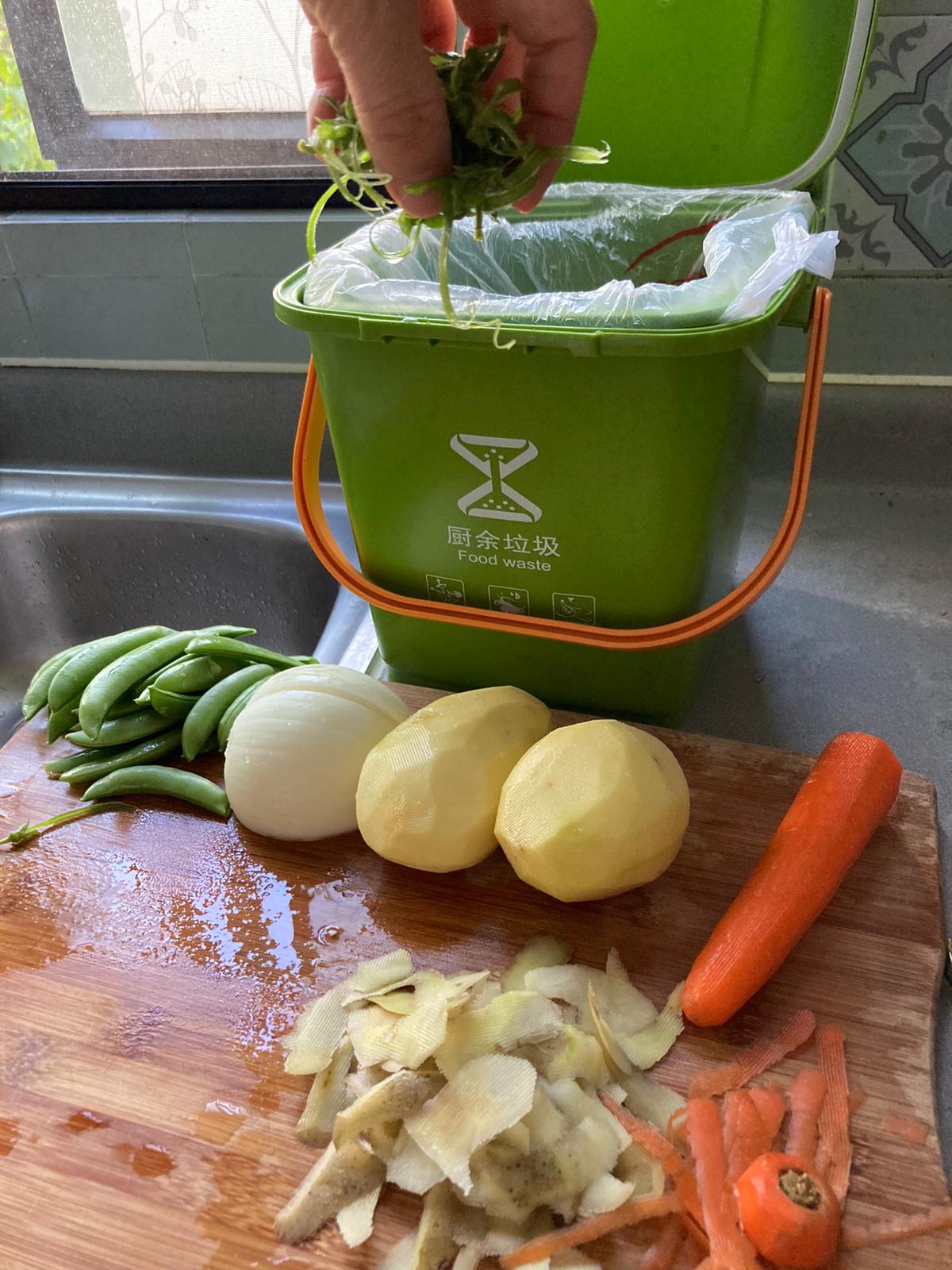
Food waste affects the whole of Hong Kong. It accounts for more than a quarter of all waste, according to recent statistics from the HKSAR Environmental Protection Department (EPD). Not only that, an average of 1.4 metric tons of food waste is generated on the HKUST campus every day, accounting for 44% of the total weight of all recyclable materials. About 5.7% of the total food waste is generated by on-campus residents.
To raise awareness of this pressing issue, HKUST has launched its campus-wide “Food Waste Smart Recycling Bin Program” as part of the "Life Beyond the Bin" campaign.
The aim of the campaign, the first of its kind in a Hong Kong academic institution, reinforces the University's commitment to building a sustainable campus and tackling food waste.
Aligned with the EDP’s Green$ Recycling credits program, the 19 smart food waste recycling bins strategically installed across student halls and staff residences will encourage greater food waste recycling.
“The launch of these 19 food waste smart recycling bins is a major step to empowering our community to actively participate in food waste separation,” said Dr. Kenneth LEUNG, Director of the Sustainability/Net-Zero Office, at the launch ceremony on May 14.
“This initiative, integrated with the government's GREEN$ incentive scheme, directly supports our 2028 Sustainability Challenge to reduce waste by 75% from our 2014 baseline. Our long-term vision is to establish on-campus food-waste treatment, creating a truly circular economy for our community," he added.
During the ceremony, Mr. Kenneth CHENG, J.P., Deputy Director of Environmental Protection (Waste Reduction) at the Environmental Protection Department (EPD), praised HKUST’s efforts in food waste recycling, noting that the University has been actively working with EPD since 2016. Its involvement has included the early food waste collection programs and the Source Separation Program funded by the Environment and Conservation Fund.
“Since joining the EPD’s Pilot Scheme on Food Waste Collection in July 2023, the results have been nothing short of impressive. As of today, HKUST has recovered over 1,200 tonnes of food waste under the Pilot Scheme,” Mr. Cheng said.
How the Smart Recycling Bin Works
The smart bins' effective design for disinfection, pest control, and leakage prevention reassures the HKUST community that recycling has minimal impact on public hygiene.
In particular, ozone (O₃) is used as a powerful oxidizing agent to combat microorganisms, including bacteria, viruses, and fungi, that may affect stored food waste. The O₃ disrupts cellular structures, rendering such elements inactive while minimizing offensive odors.
The bins also repel rats by generating sound waves at 50 to 60 MHz over an area of 150 to 300 square meters, creating an environment rodents dislike.
What’s more, each leak-proof recycling unit is equipped with a standard 120L EDP bin, which is securely mounted to prevent shifting and spillage.
An additional measure is the touch-free lid, which helps prevent the spread of germs. Users need only scan their Green$ membership code or card to automatically open the lid.
Steps to operate Smart Recycling Bin:
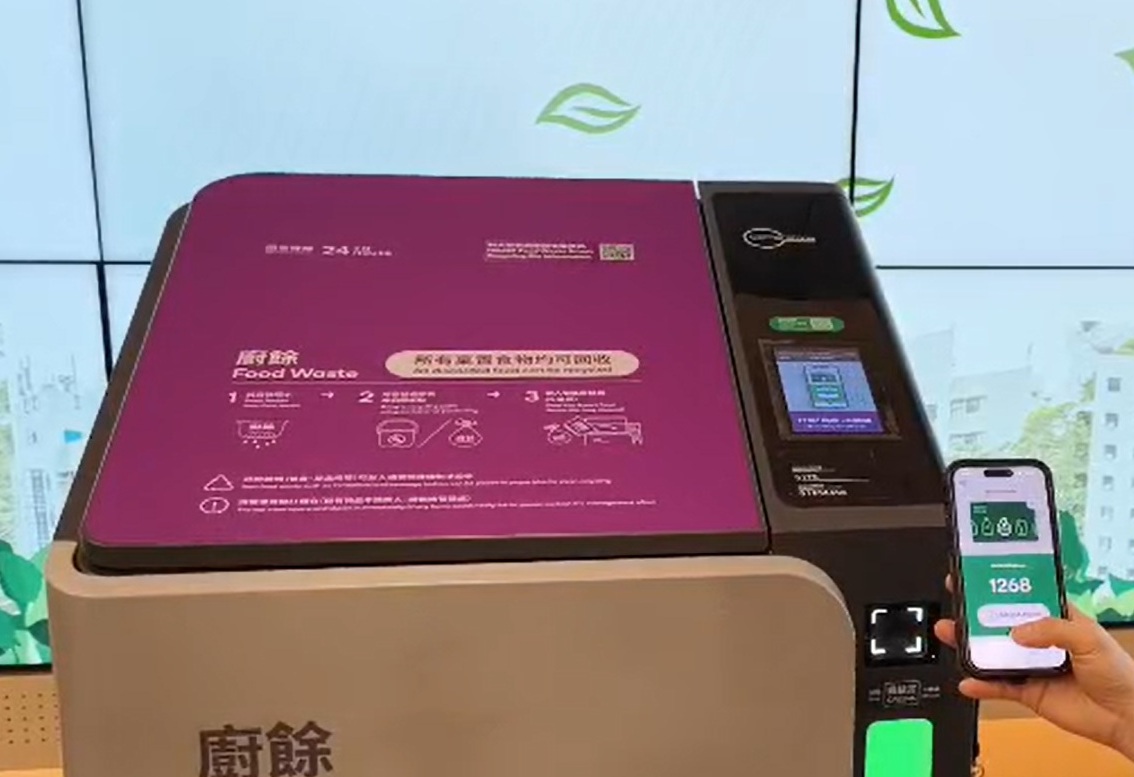 1. Open the Green$ App Membership code.
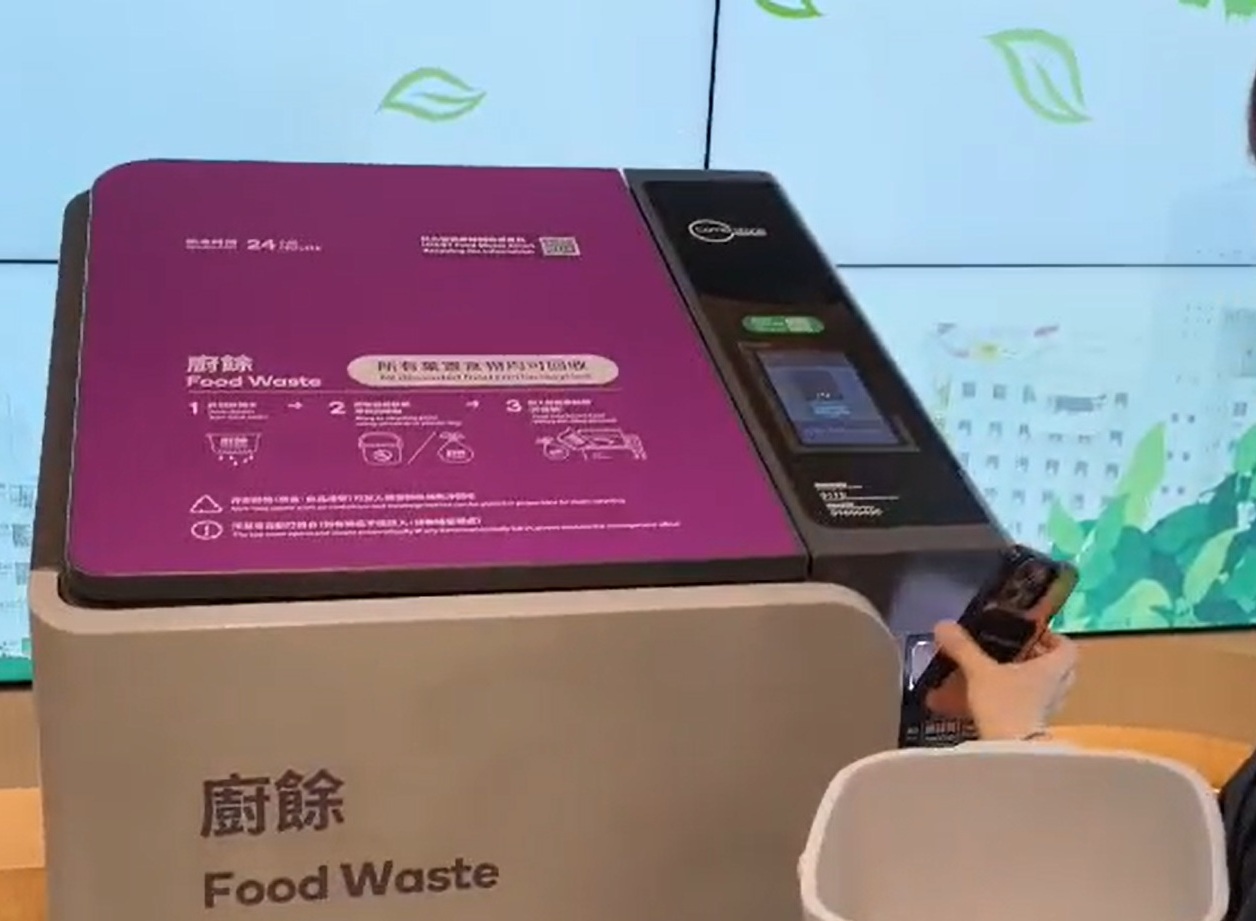 2. Scan the code at the unit’s scanner.
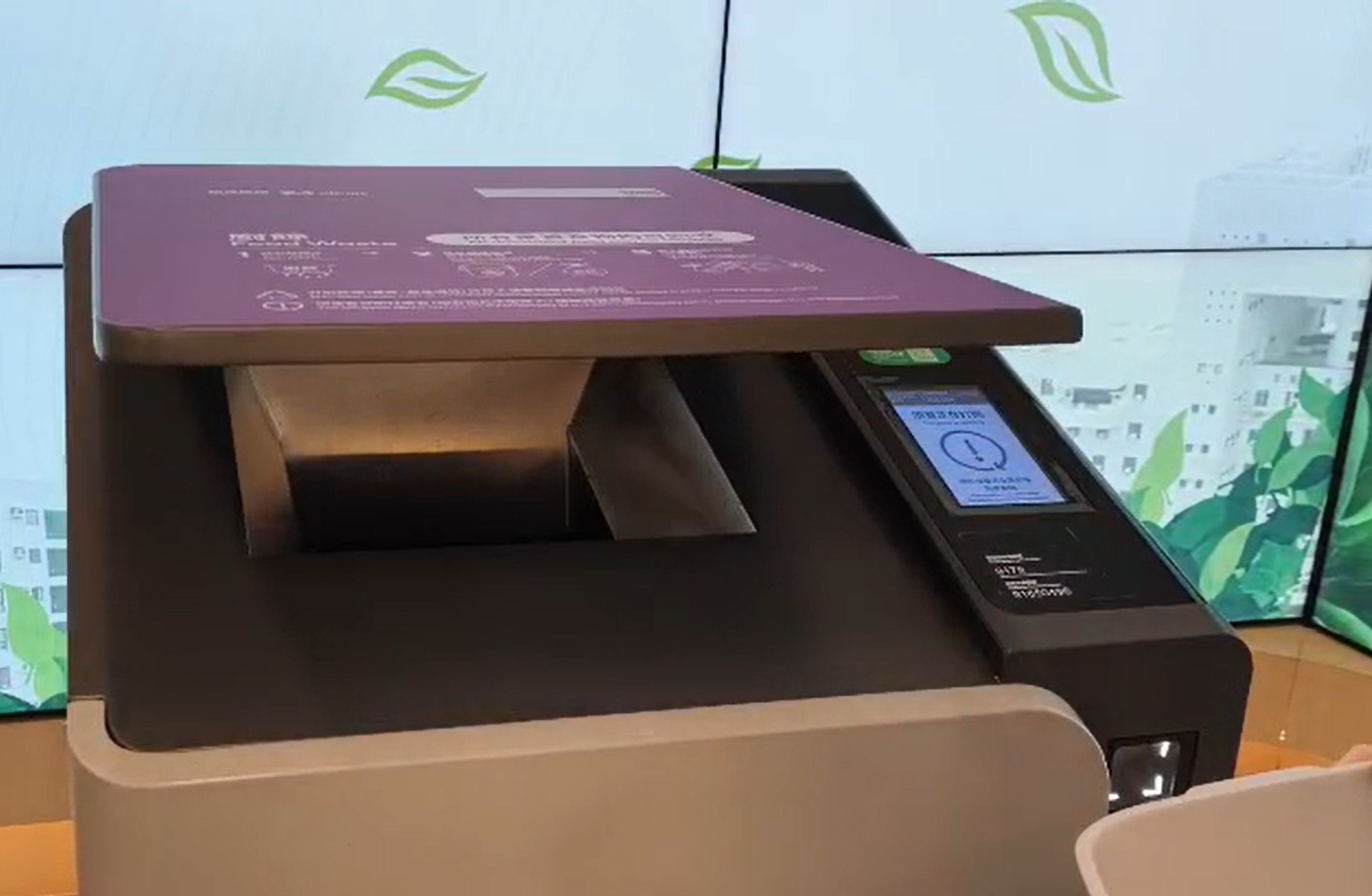 3. Lid opens without touching.
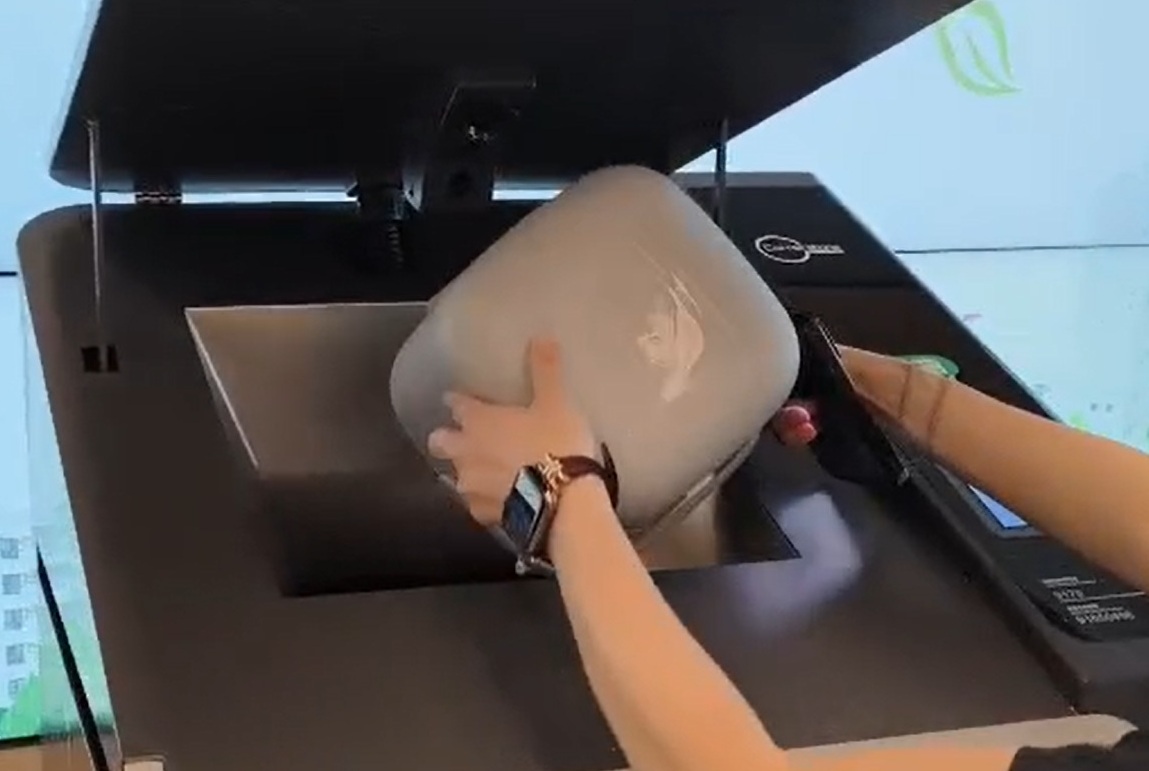 4. Pour in food waste.
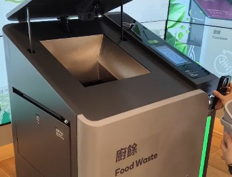 5. Scan the code to close the lid without touching.
What Happens to the Waste?
Once all the food waste has been collected, it is transported to O.Park1, Hong Kong’s first organic resources recovery center, located at Siu Ho Wan, North Lantau, to be recycled into fertilizer and to support the power supply.
According to O. Park1’s information, the collected food waste will undergo anaerobic digestion. The biogas produced during this process is converted into heat and electricity to meet the facility’s energy needs. At full capacity, the facility can export around 14 million kWh of electricity to the power grid each year. This is enough to power aphttps://www.opark.gov.hk/en/index.phpproximately 3,000 households.
Moreover, approximately 20 tons of compost produced per day as a by-product of this process can be used for landscaping and agricultural purposes, significantly reducing waste that would otherwise be sent to landfills.
By reducing reliance on fossil fuels for electricity generation and cutting the amount of organic waste sent to landfills, the facility can prevent the release of approximately 42,000 tonnes of greenhouse gases each year.
For a detailed description of the recycling process, please see O. Park1’s official website.
Staff Quarter Sustainability Ambassador Program
Over 20 HKUST staff residents, including family members and domestic helpers, have been recruited as sustainability ambassadors trained in the correct ways to separate food. These ambassadors will conduct outreach around campus on the food waste program.
To make the program more engaging, a monthly Best Action Photo Award and a Final Award will be presented to the ambassador who represents “the most food waste collected staff quarter tower”.
Not only that, but food waste workshops will also help reinforce the value of transforming food waste into useful resources such as kombucha and eco-cleaning enzymes.
Taking Part by the University Community
Around one in every four HKUST campus families has recycled food waste through the following channels since the bins were put into service in mid-April:
1. Locate a Smart Food Waste Bin using this map.
2. Download the GREEN$ mobile app and sign in or create an account.
3. Tap the GREEN$ button at the bottom of the app homepage and select “Recycle.”
4. Scan your QR Code at the Smart Food Waste Recycling Bin and deposit your food waste.