



As HKUST marks its 35th anniversary, it is also advancing one of its most ambitious initiatives: establishing Hong Kong’s third medical school. A key step in this effort is the appointment of Prof. LI King-Chuen as Founding Dean of Medicine—an appointment that signals the University’s transition from planning to implementation.
Anchoring a major new initiative
Since announcing plans for the new medical school last November, HKUST has been advancing on multiple fronts, from infrastructure development to academic planning. The appointment of a Founding Dean represents a natural next step in building the leadership needed to bring the vision to life.
An internationally recognized physician-scientist and biomedical innovator, Prof. Li brings extensive experience at the intersection of medicine, engineering and education. He previously served as Founding Dean of the Carle Illinois College of Medicine at the University of Illinois Urbana-Champaign, one of the world’s first engineering-based medical schools, where he helped establish its academic model, recruit faculty, and build clinical partnerships.
Under his leadership, the College’s early graduating cohorts achieved a 100% pass rate on licensing examinations, reflecting the strength and rigor of its program.
A homecoming aligned with HKUST’s vision
Prof. Li’s return to Hong Kong follows an invitation from HKUST President Prof. Nancy IP, whose vision for the medical school centers on interdisciplinary integration and future-oriented training.
“President Ip presented me with the opportunity to contribute to an important undertaking with local, national and global impact,” Prof. Li said.
Prof. Ip described Prof. Li as bringing a rare combination of founding dean experience, academic distinction and a forward-looking approach to technology-enabled medical education. She noted that his leadership will be central to building a medical school that is internationally competitive, closely connected to local needs, and capable of contributing to healthcare advancement in Hong Kong and the wider region. She also expressed appreciation to the search committee, led by Council Vice-Chairperson Ms. Edith SHIH, for completing a rigorous global recruitment process.
For Prof. Li, HKUST’s track record in turning ambitious ideas into reality made the decision a natural fit. He sees the new medical school as an extension of that culture—bringing together engineering, data science and biomedical innovation to reshape how doctors are trained.
“I am excited to help build a medical school that reimagines physician training,” he said. “By collaborating closely with partners in Hong Kong and the Greater Bay Area, we aim to nurture a new generation of physician-innovators who will advance healthcare for the benefit of patients and society.”
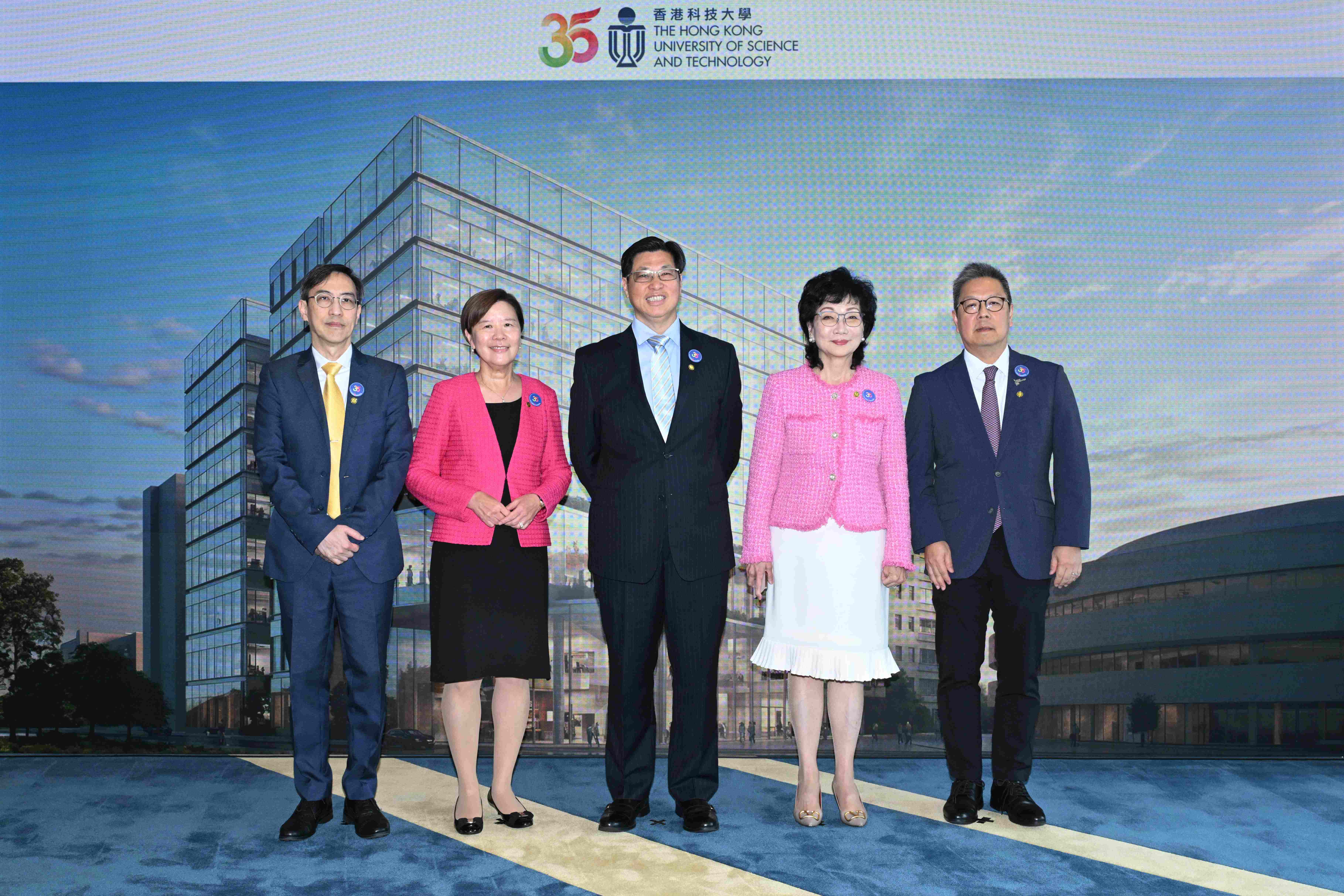
Building the foundations
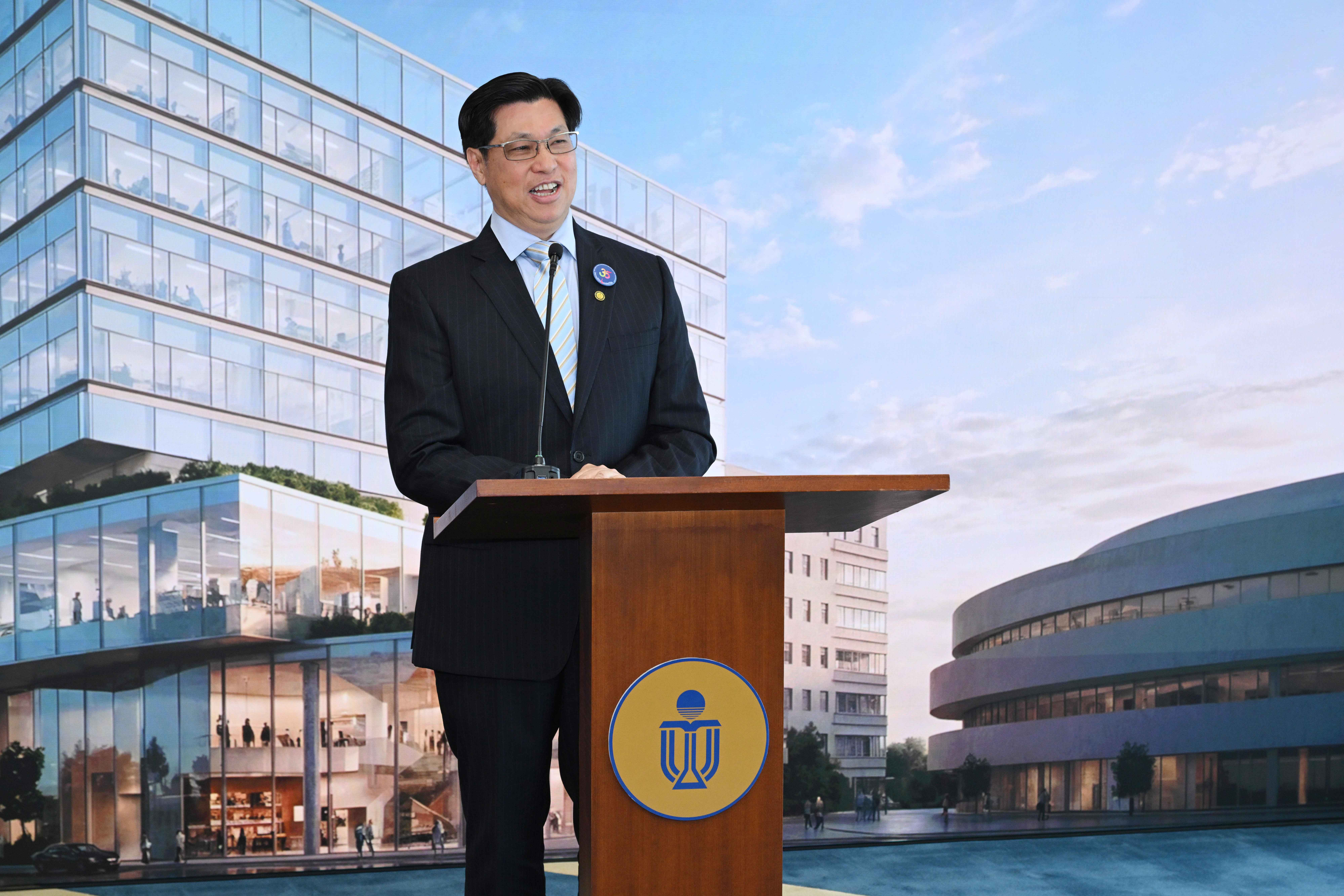
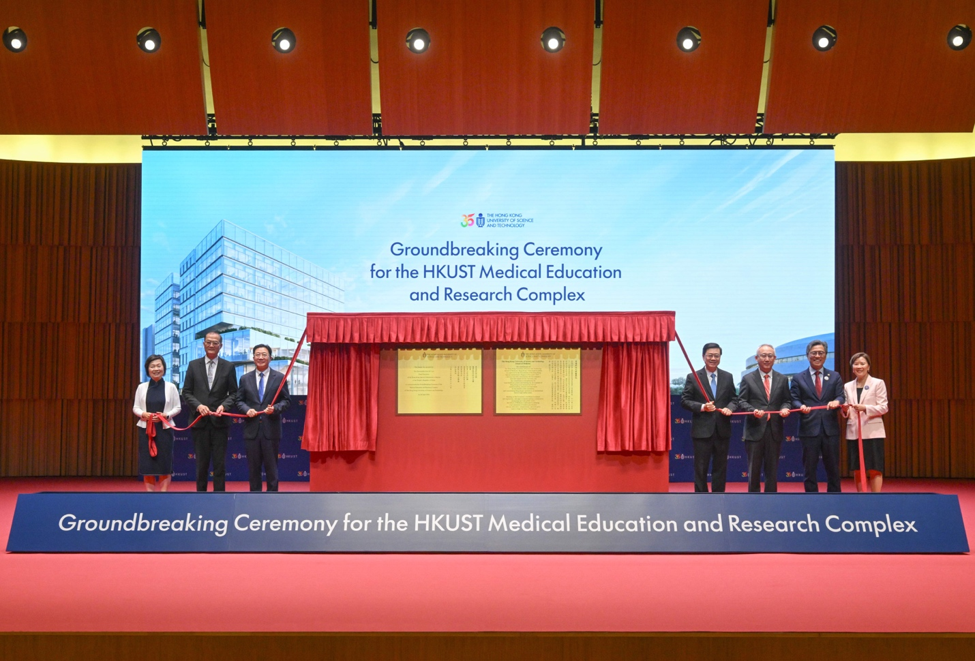
Prof. Li joins HKUST at a time when the medical school initiative is gathering momentum. The construction of the Medical Education and Research Complex commenced with a ground-breaking ceremony held in late April, officiated by Mr. John LEE, Chief Executive of HKSAR, and Mr. ZHOU Ji, Director of the Liaison Office of the Central People’s Government in the HKSAR, marking a significant milestone.
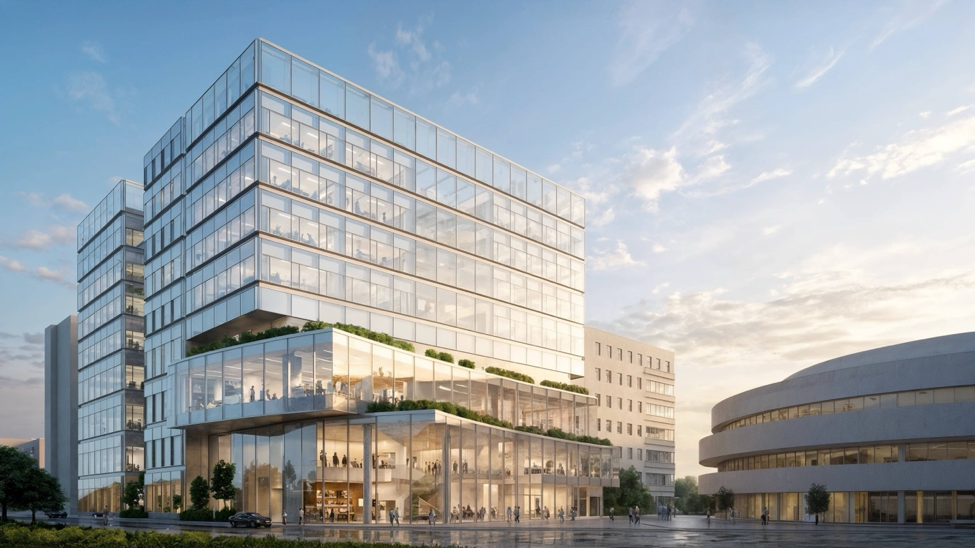
The new eight-story facility will house simulation centers, clinical skills facilities, teaching laboratories, team-based learning spaces, a lecture theatre, a medical library, and dedicated research areas. Designed to support a highly interactive, technology-enabled model of education, the complex will accommodate the founding medical cohort in 2028 before their eventual move to a permanent campus and teaching hospital in the Northern Metropolis University Town.
Rethinking medical education
At the heart of HKUST’s School of Medicine is a focus on how medical education must evolve in response to a rapidly changing healthcare landscape. Advances in artificial intelligence, biomedical innovation and data-driven care are reshaping both clinical practice and the skills required of future doctors.
The planned four-year graduate-entry Bachelor of Medicine and Bachelor of Surgery (MBBS) program, with its first intake expected in the 2028/29 academic year, will reflect this shift. Students will benefit from early clinical exposure starting in Year 1, alongside a curriculum that integrates scientific knowledge, emerging technologies and professional competencies.
The aim is to develop not only clinically capable doctors, but also professionals who can navigate complex healthcare systems and contribute to innovation in practice.
Building an interconnected ecosystem
The development of the School of Medicine extends beyond curriculum design. A key priority is the creation of a strong academic and clinical ecosystem that connects talent, research and real-world application.
Drawing on HKUST’s global network, the University is actively recruiting outstanding faculty and professional staff across disciplines, including clinician-educators, physician-scientists, and researchers. The School’s integration with HKUST’s established strengths in artificial intelligence, robotics, biomedical engineering and data science is expected to be a defining feature.
By embedding medical education within this interdisciplinary environment, HKUST aims to train doctors who are both clinically grounded and technologically fluent.
Partnerships will also play a central role. The University is working to build collaborations with hospitals in Hong Kong and the Greater Bay Area for clinical training and joint research, alongside engagement with government, industry and the international medical community.
Looking ahead
With the appointment of its Founding Dean, HKUST’s School of Medicine is entering a new phase of development. In the coming years, efforts will focus on refining the curriculum, expanding faculty recruitment, strengthening partnerships and preparing for the first intake of students.
For Prof. Li, the work ahead is both ambitious and practical in equal measure.
“At HKUST, there is a strong belief in turning ambitious ideas into reality,” he said. “Building the School of Medicine is part of that ongoing effort.”
As the University continues to expand into new frontiers, the establishment of its medical school reflects a broader commitment—to education, innovation and societal impact—that will shape its next chapter.