




As Hong Kong’s population continues to age, the resulting “silver tsunami” brings significant public health challenges associated with neurodegeneration.
Neurodegeneration refers to the progressive and usually irreversible loss of neurons (nerve cells) in the brain, leading to conditions such as Alzheimer’s disease—a common form of dementia—and Parkinson’s disease, which is characterized by tremors, stiffness, and balance problems.
In response to this public health issue, and in line with its steadfast commitment to supporting seniors in the local community and beyond, faculty members from diverse disciplines at HKUST seek to unite global expertise to drive cutting-edge, multidisciplinary research on neurodegenerative diseases.
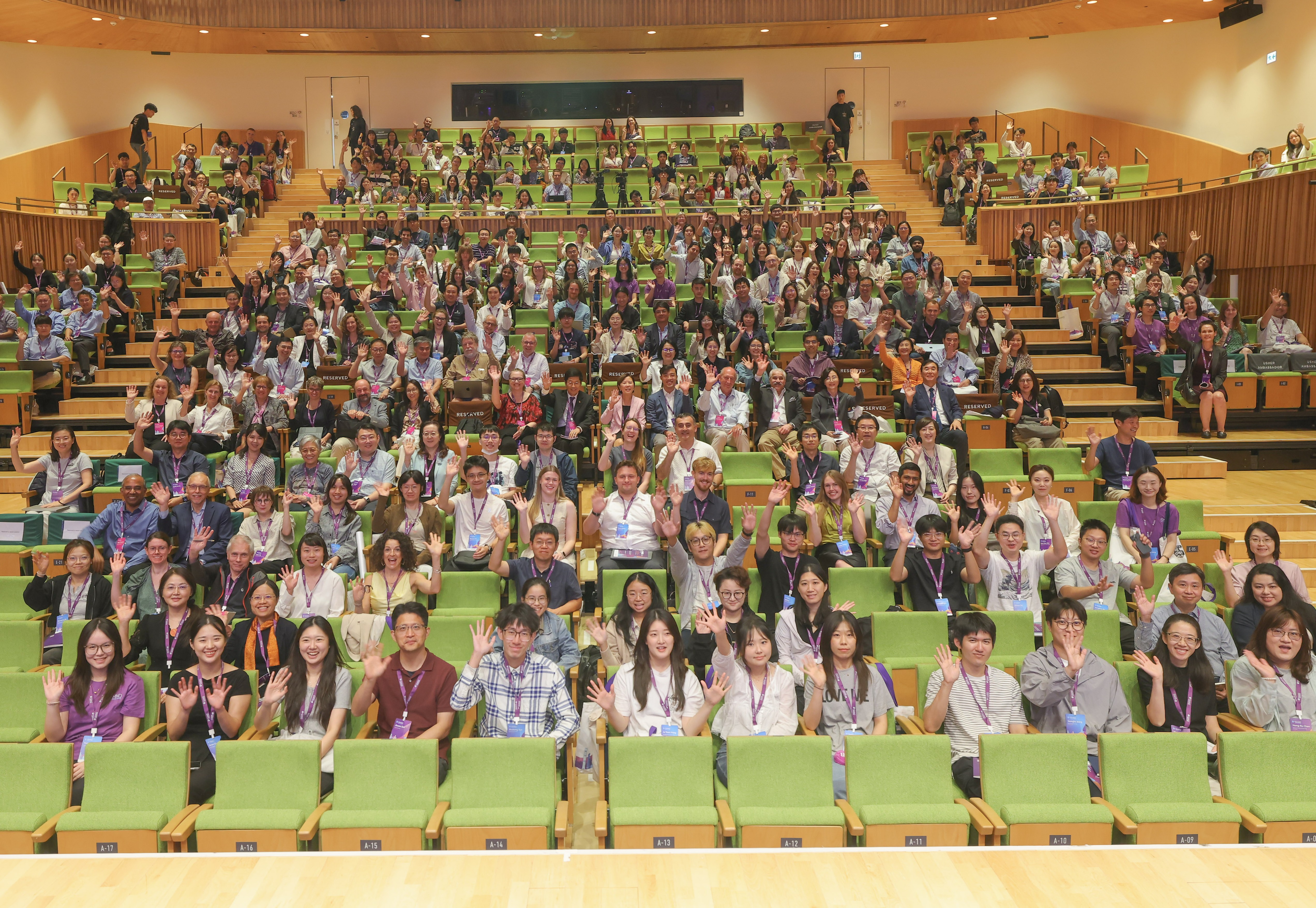
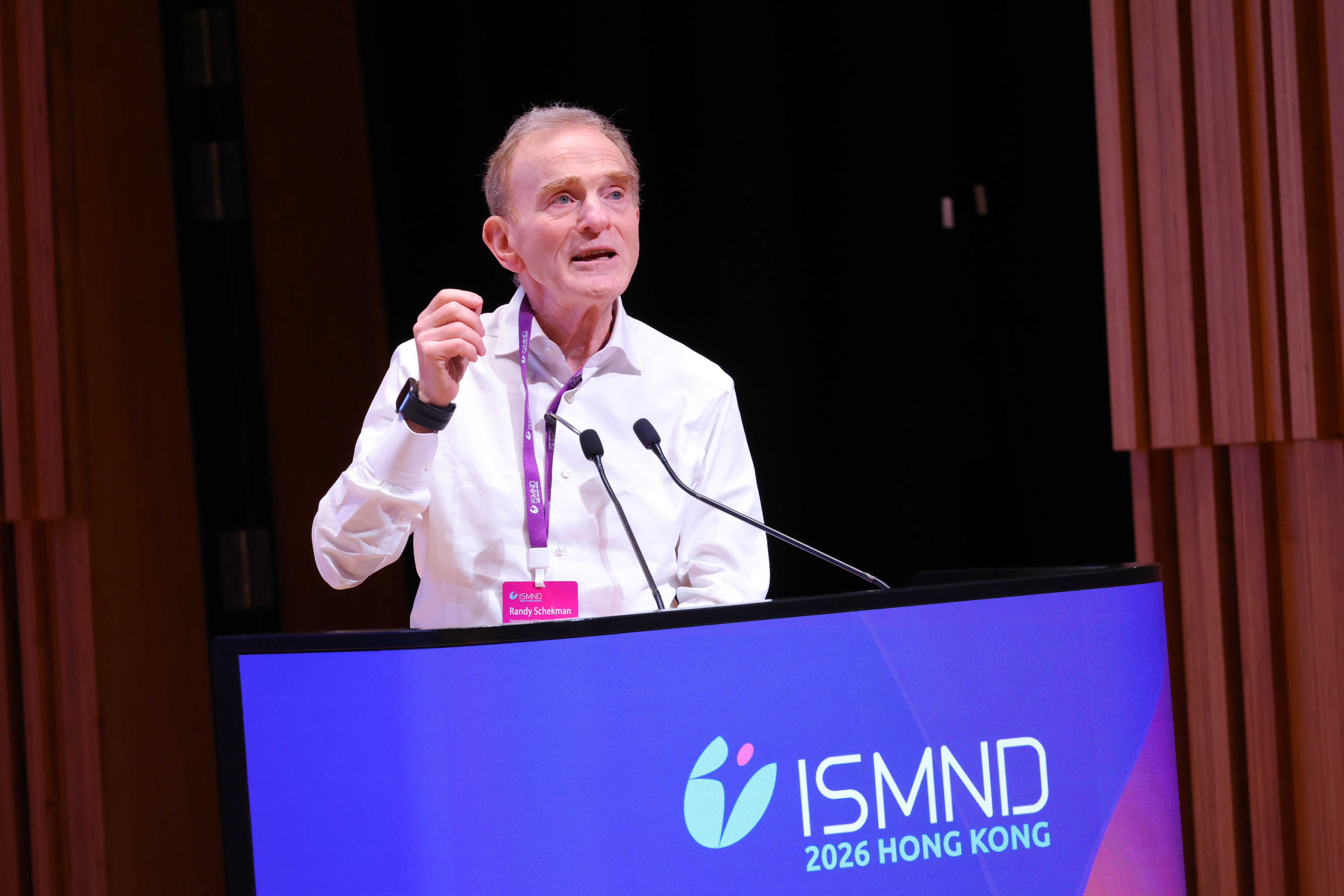
Against this backdrop, HKUST recently convened global experts at the International Society for Molecular Neurodegeneration (ISMND) 2026 Conference to tackle such complex biological puzzles.
As a flagship event celebrating HKUST’s 35th anniversary, this year’s conference was held at the Shaw Auditorium from October 20 to 23. The comprehensive program featured keynote lectures, invited talks, short presentations, poster sessions, panel discussions, and exhibitions.
Discussions centered on recent advances in understanding the fundamental cellular processes that go awry in neurodegenerative diseases and innovative therapeutic strategies being developed to combat them.
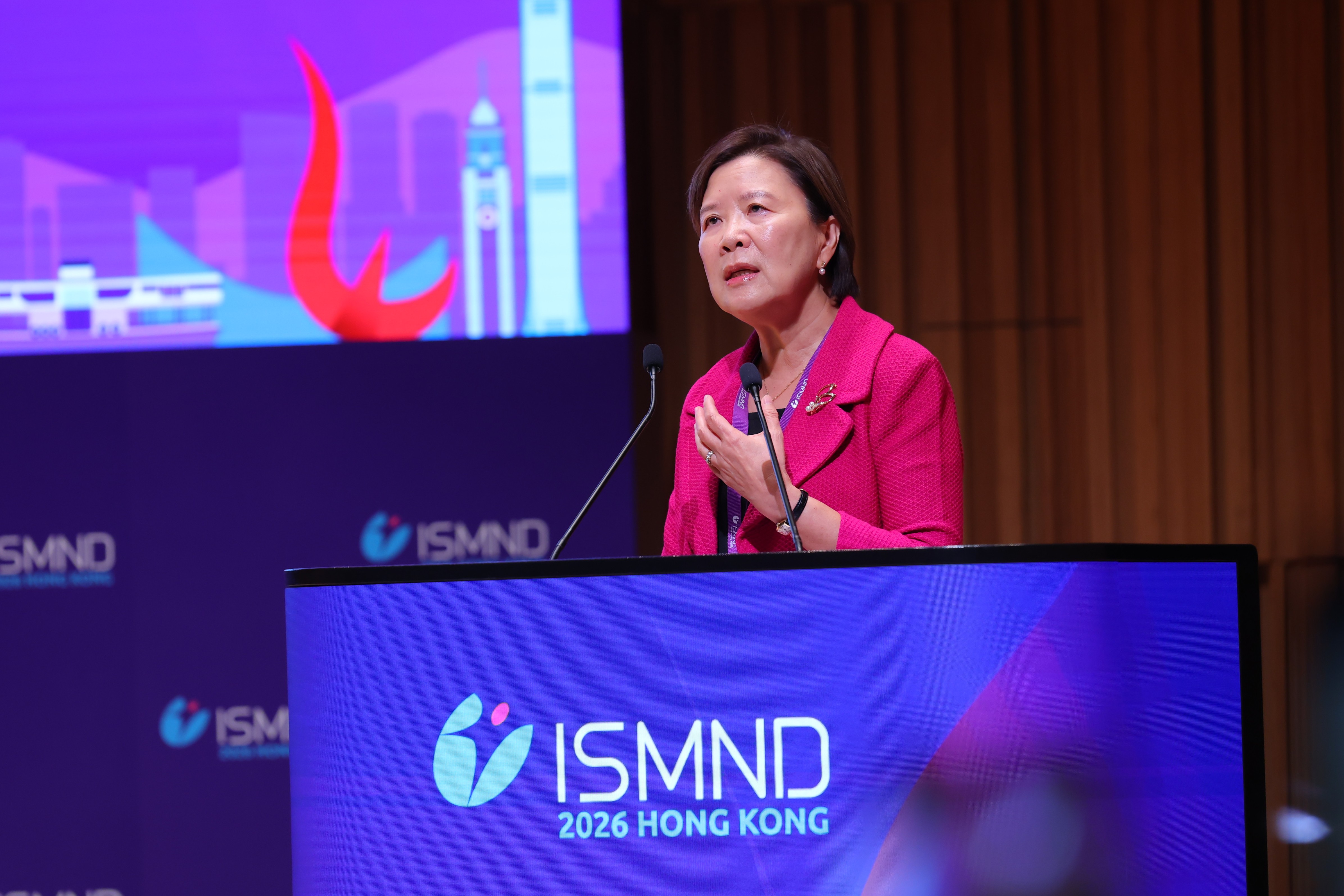
“Neurodegenerative diseases represent one of the most pressing health challenges of our time,” said Prof. Nancy IP, President of HKUST and the Director of HKUST’s State Key Laboratory of Molecular Neuroscience.
As a neuroscientist, she shared how she had seen both the immense scientific complexity of these diseases and their profound impact on families and patients.
“By bringing together brilliant minds from across the globe to deepen our understanding of cell biology and develop novel therapeutics, this conference exemplifies the collaborative, high-impact endeavor we champion at HKUST,” she said.
Prof. Ip added that the University’s commitment to advancing medical education, translational research, and healthcare innovation includes establishing the School of Medicine.
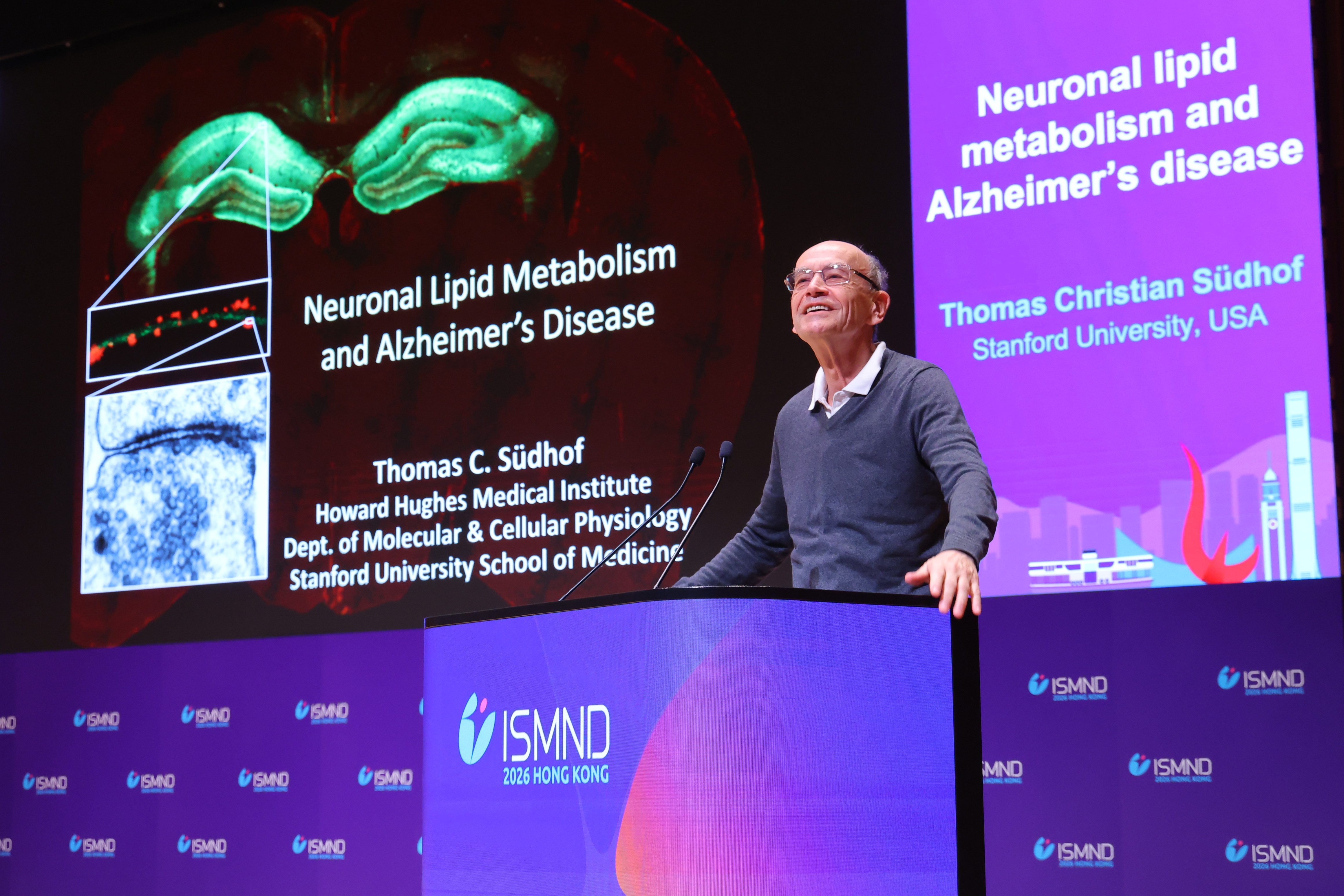
The conference also featured keynote talks by two Nobel Laureates in Physiology or Medicine.
Prof. Thomas SÜDHOF examined the role of cholesterol metabolism and the protein ApoE in neurons from a fundamental cell biology perspective. He also suggested hypotheses that relate this role to the pathogenesis of Alzheimer’s disease.
Prof. Randy SCHEKMAN reflected on his research journey and interest in Parkinson’s disease research and explained how his team uncovered the mechanism by which the protein α-syn abnormally crosses cellular membranes via endosomes.
In addition, HKUST researchers discussed significant local breakthroughs in the field. Prof. Ip talked about her team’s latest advances in blood-based biomarkers for Alzheimer’s in a talk titled “Understanding the biomarkers of neurodegenerative diseases: Insights into the development of diagnosis and therapeutics.”
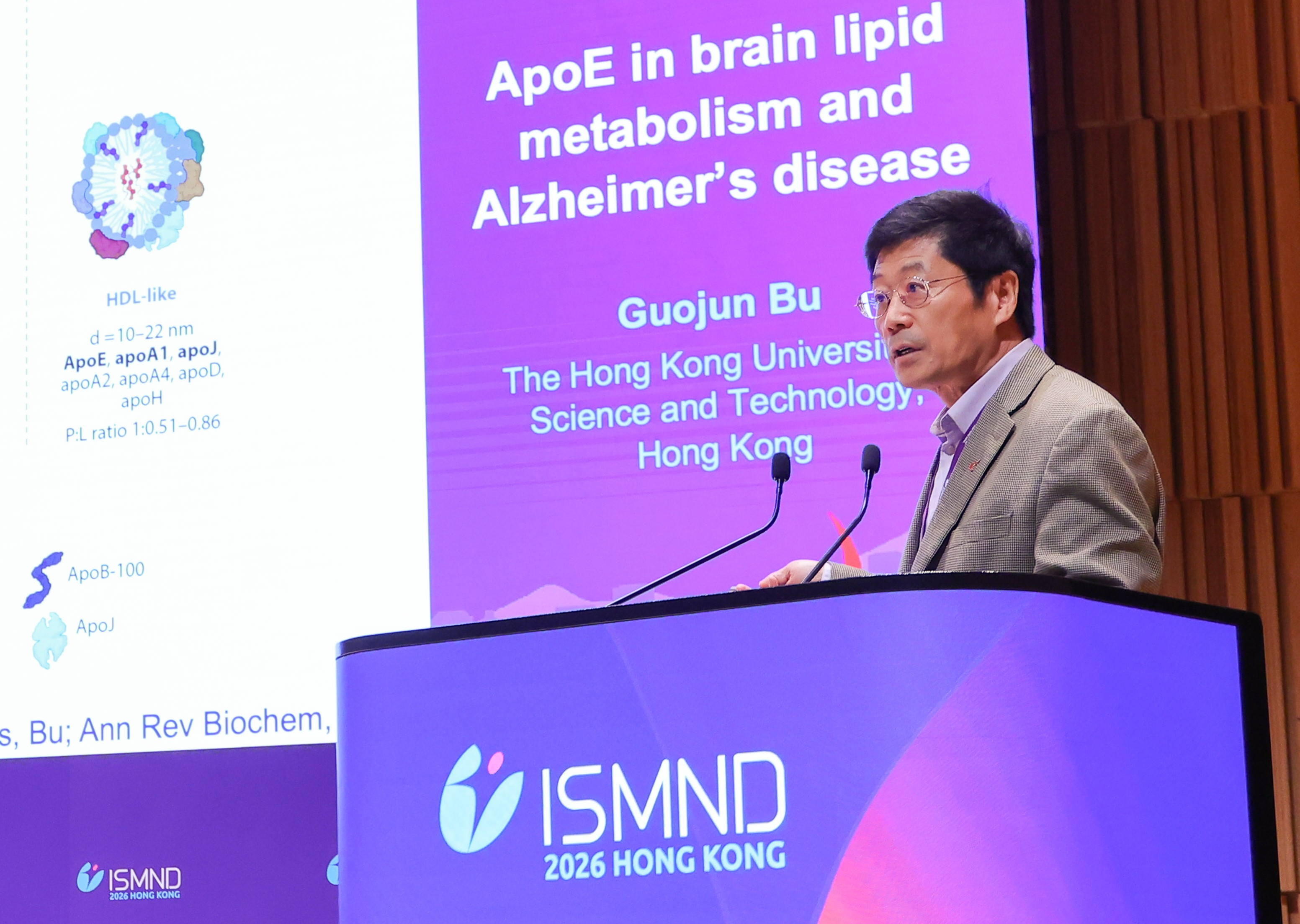
Meanwhile, Prof. BU Guojun, Head of the Division of Life Science and ISMND Founder, highlighted isoform-specific lipid pathways regulated by ApoE, pointing to promising new avenues for Alzheimer’s therapeutics.
In his closing remarks, Prof. Bu, also the editor-in-chief of the journal Molecular Neurodegeneration, said supporting the next generation of scientists is one of the ISMND’s key priorities.
“In addition to examining disease mechanisms and breakthrough therapeutics, this conference offered early-career researchers an invaluable stage to exchange ideas, share fresh insights, and directly interact with global authority figures in neurodegeneration,” he said.
Through these efforts, the University is helping advance the search for better diagnosis, treatment, and care for patients affected by these conditions.