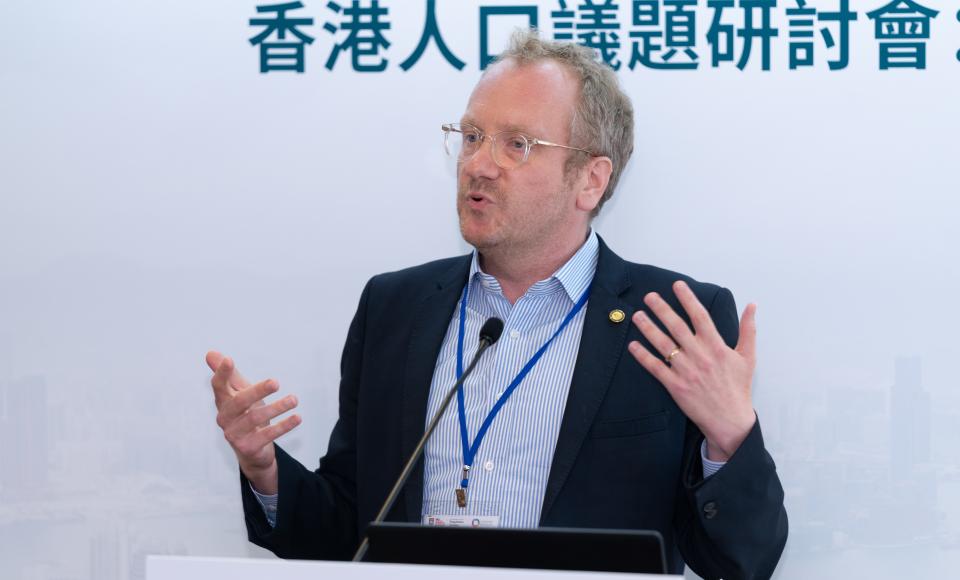



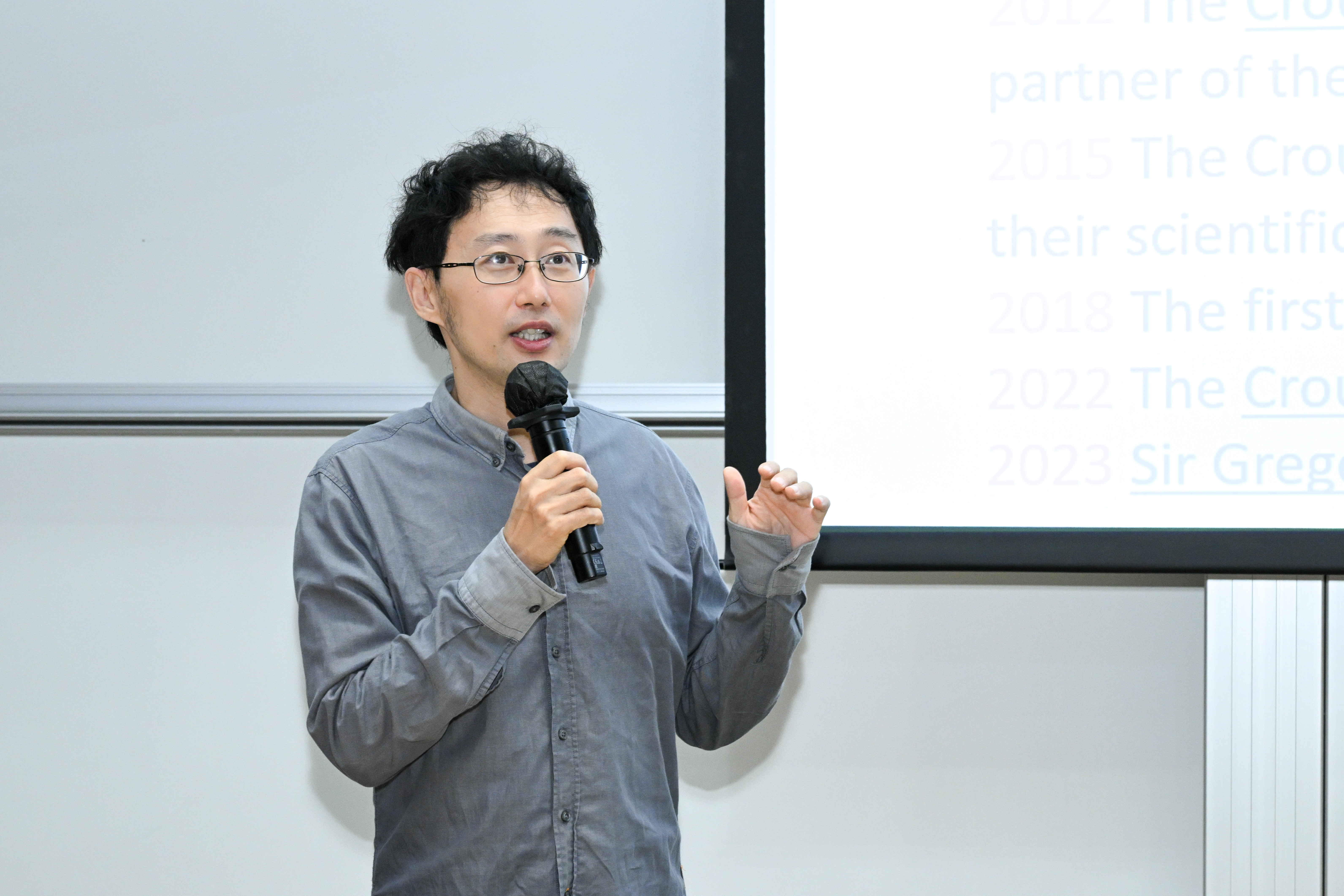
Bridging the gap between theoretical physics and industrial semiconductor engineering will help cultivate the next generation of quantum innovators in our region, according to Prof. Sen YANG, Director of the Center for Complex Quantum Systems (CCQS) and Professor of Physics at HKUST.
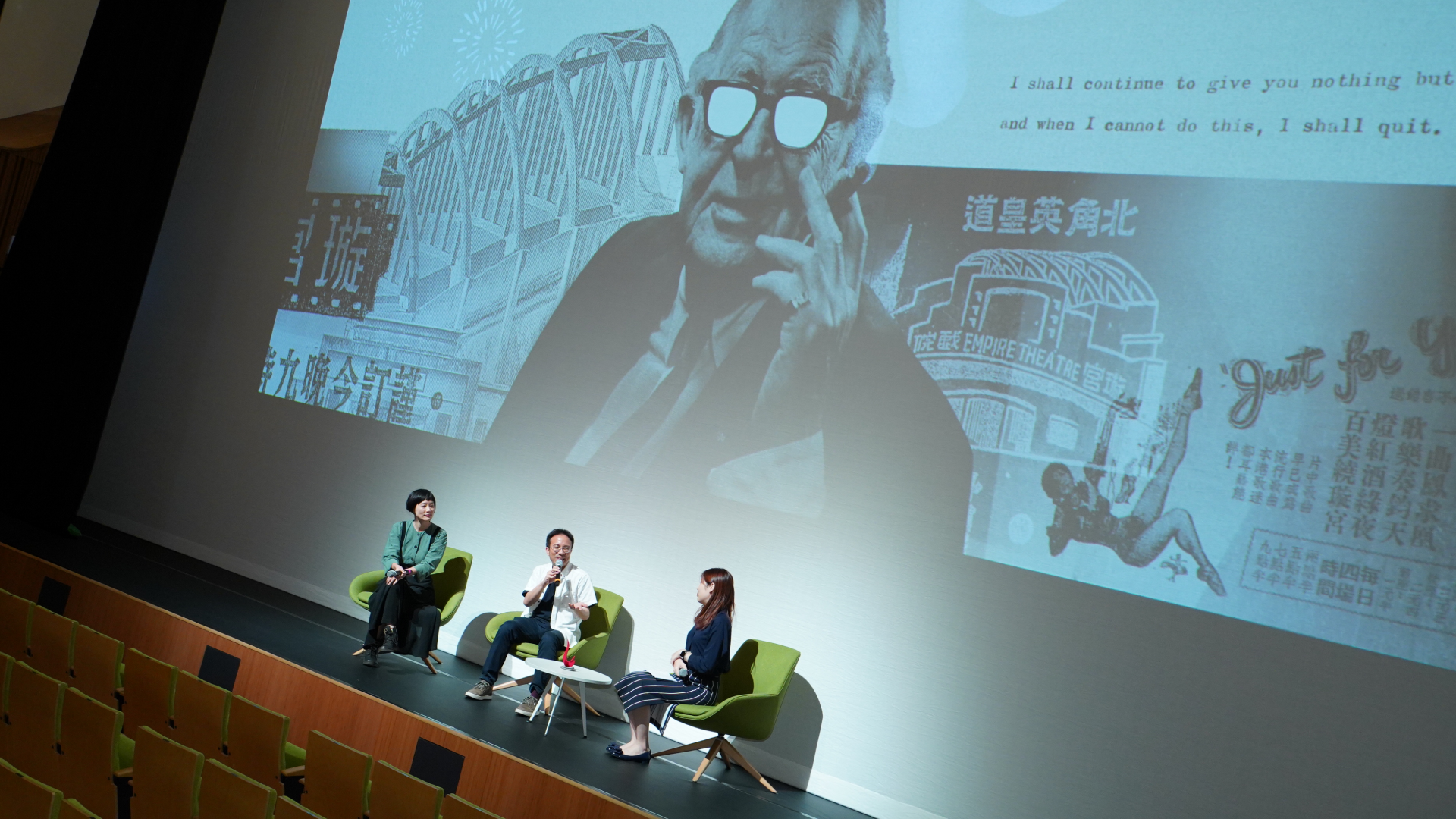
Speaking during a recent workshop titled “Quantum Technologies” and held in conjunction with the Croucher Foundation in late May, Prof. Yang emphasized the importance of quantum science as an interdisciplinary engine for innovation across a range of fields.
“We are equipping our students with the cross-disciplinary language and technical toolkit needed to drive regional manufacturing, launch deep-tech startups, and secure competitive research funding,” he said.
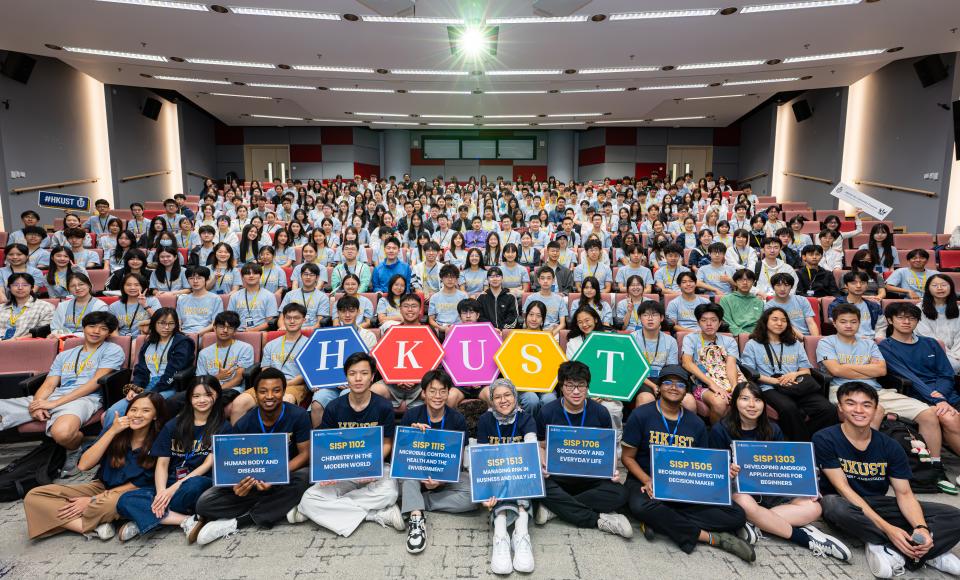
Rather than limiting participation to a single niche, the program held at the Kaisa Group Lecture Theater was intentionally designed to engage a broad student base.
“Participants spanned multiple disciplines—including physics, chemistry, and engineering—and represented various universities across the Greater Bay Area,” Prof. Yang said. “This inclusive approach ensures that the next generation of quantum innovators is not siloed, but rather deeply interconnected across academic boundaries.”
Breaking Down Academic Silos
Interdisciplinary inclusivity is a hallmark of CCQS, which is deeply engaged in researching new quantum materials with properties that can be designed, predicted, and tested. There is also a key focus on atoms, ions, and photons that can be manipulated in small ensembles or even individually, as well as on small clusters of qubits that can be precisely controlled to run small-scale quantum programs.
The faculty members associated with CCQS also have wide-ranging, interdisciplinary research agendas. They come from the Departments of Mathematics, Chemistry, Chemical & Biological Engineering, Electronic & Computer Engineering, as well as the HKUST Energy Institute, the Cheng Kar-Shun Robotics Institute, and the School of Business and Management.
Anchoring a Regional Ecosystem
The international aspect of the program also enriched the overall learning experience by bringing together global leaders in the field from the USA, Europe, and across Asia, including the Chinese Mainland, Japan, and Singapore.
“Researchers and institutions in Asia—particularly those in the Greater Bay Area—are now at the forefront of the global quantum race, uniquely positioned to leverage the region’s dominant semiconductor supply chain and advanced manufacturing infrastructure,” Prof. Yang said.
He added that university-based initiatives, such as those at HKUST, serve as a collaborative anchor throughout campus. Similarly, the Croucher Foundation serves as a vital catalyst for long-term research by funding cross-disciplinary networking activities.
“They unite local talent, provide world-class facilities, and build a sustainable regional ecosystem capable of translating fundamental quantum science into commercial deep-tech industries,” he explained.
From Qubits to Real-World Impact
The schedule for the three-day event covered a wide range of topics aligned with HKUST’s expertise in quantum science. These topics were related to the rapidly evolving field of quantum technologies based on wide-bandgap semiconductors, with particular emphasis on color-center qubits in solid-state systems. A qubit, which is a foundational building block of quantum computing, functions like a supercharged version of a traditional computer bit.
“Color centers hold immense potential for quantum communications and sensing, all of which were deeply explored during the workshop,” explained Prof. Yang.
Meanwhile, scientists at HKUST are making significant progress through cross-disciplinary collaboration. Whether pioneering defect discovery in quantum materials, optimizing surface chemistry, or engineering integrated control electronics, HKUST’s early-career researchers are perfectly positioned to build cross-functional careers spanning agile quantum startups and major industrial semiconductor foundries.
“Quantum science also holds strong potential for future medical diagnostics, particularly in the early detection of diseases like cancer, by enabling highly sensitive, non-invasive biomolecular imaging,” Prof. Yang notes, spotlighting the huge potential for HKUST’s continued dedication to researching this exciting field.