




Dialogue to Action: HKUST’s University-Wide Response to the AI Era
As AI reshapes how knowledge is created, shared, and applied, universities must equip students not only with technical skills but also with critical thinking, ethical judgment, and creativity needed to thrive in an AI-driven world. At HKUST, conversations about the future of the humanities and social sciences are helping to shape a broader institutional response to this transformation.
Artificial intelligence is rapidly changing how people learn, work, communicate, and make decisions. While much of the public discussion focuses on technological breakthroughs, AI is also prompting deeper questions about ethics, culture, language, governance, identity, and the very nature of knowledge.
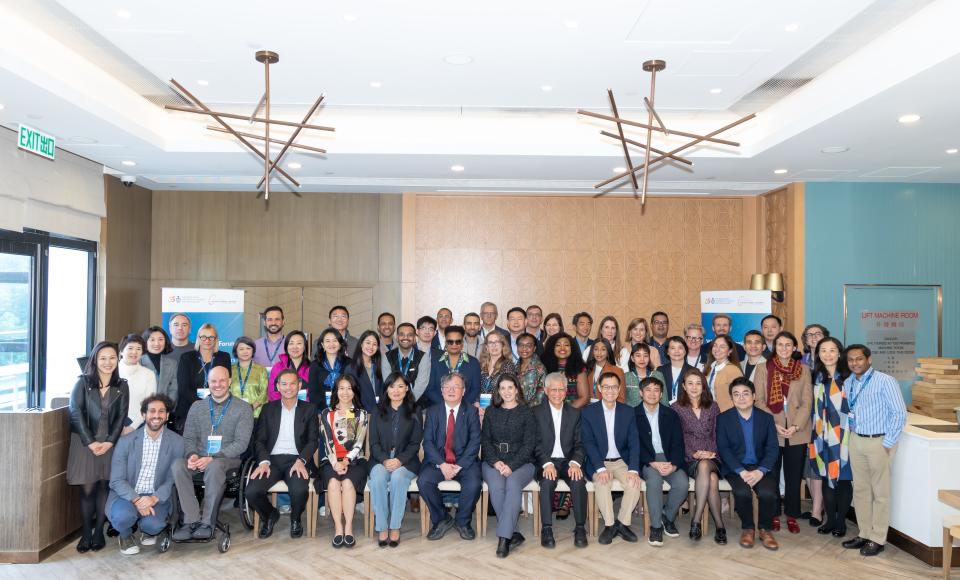
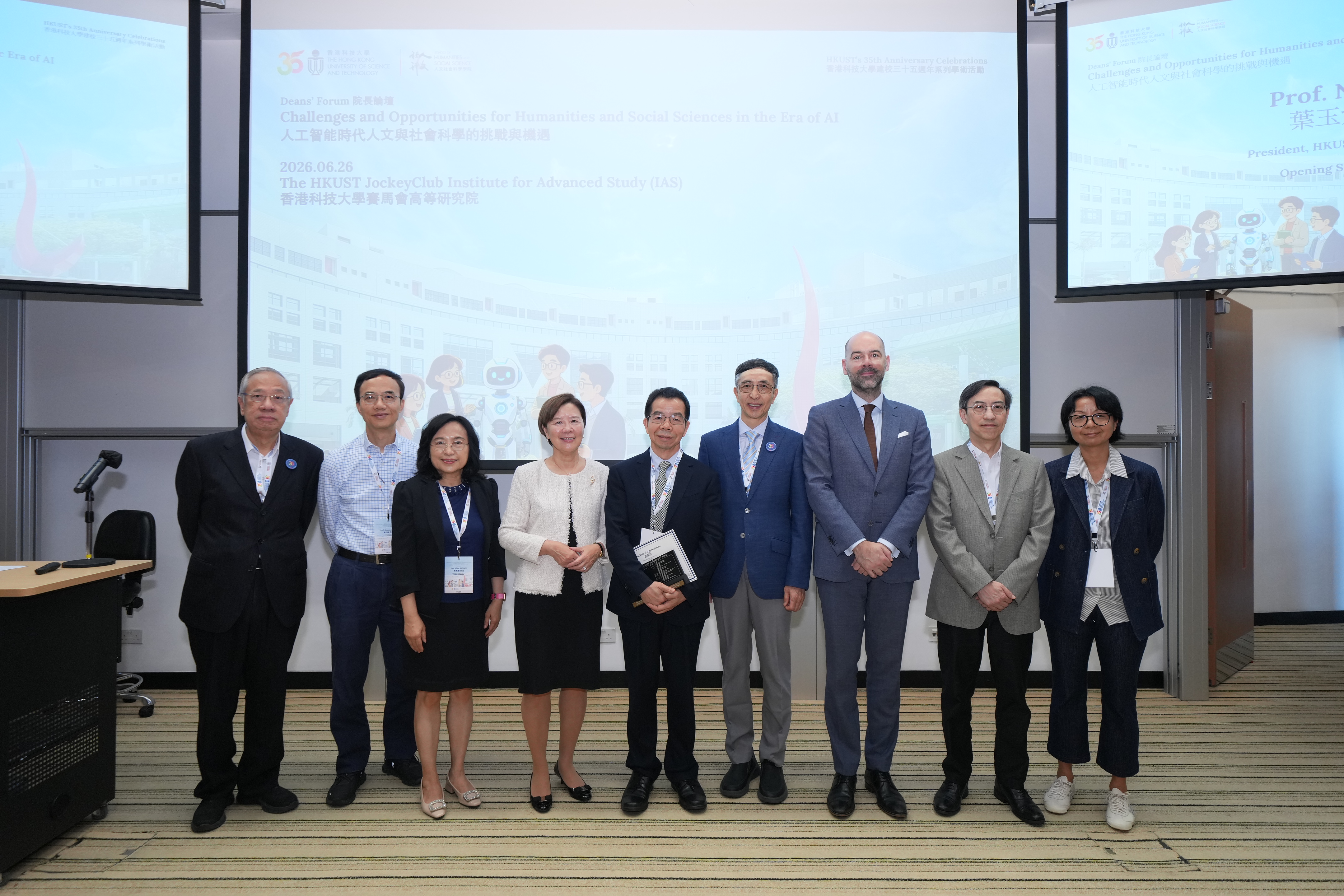
These issues were at the center of the HKUST Deans’ Forum, Challenges and Opportunities for Humanities and Social Sciences in the Era of AI, organized by the School of Humanities and Social Science on June 26, 2026. Faculty leaders, scholars, and industry experts gathered to explore the implications of AI for education and how universities can prepare students for a world increasingly shaped by intelligent technologies.
Redefining the Nature of Knowledge
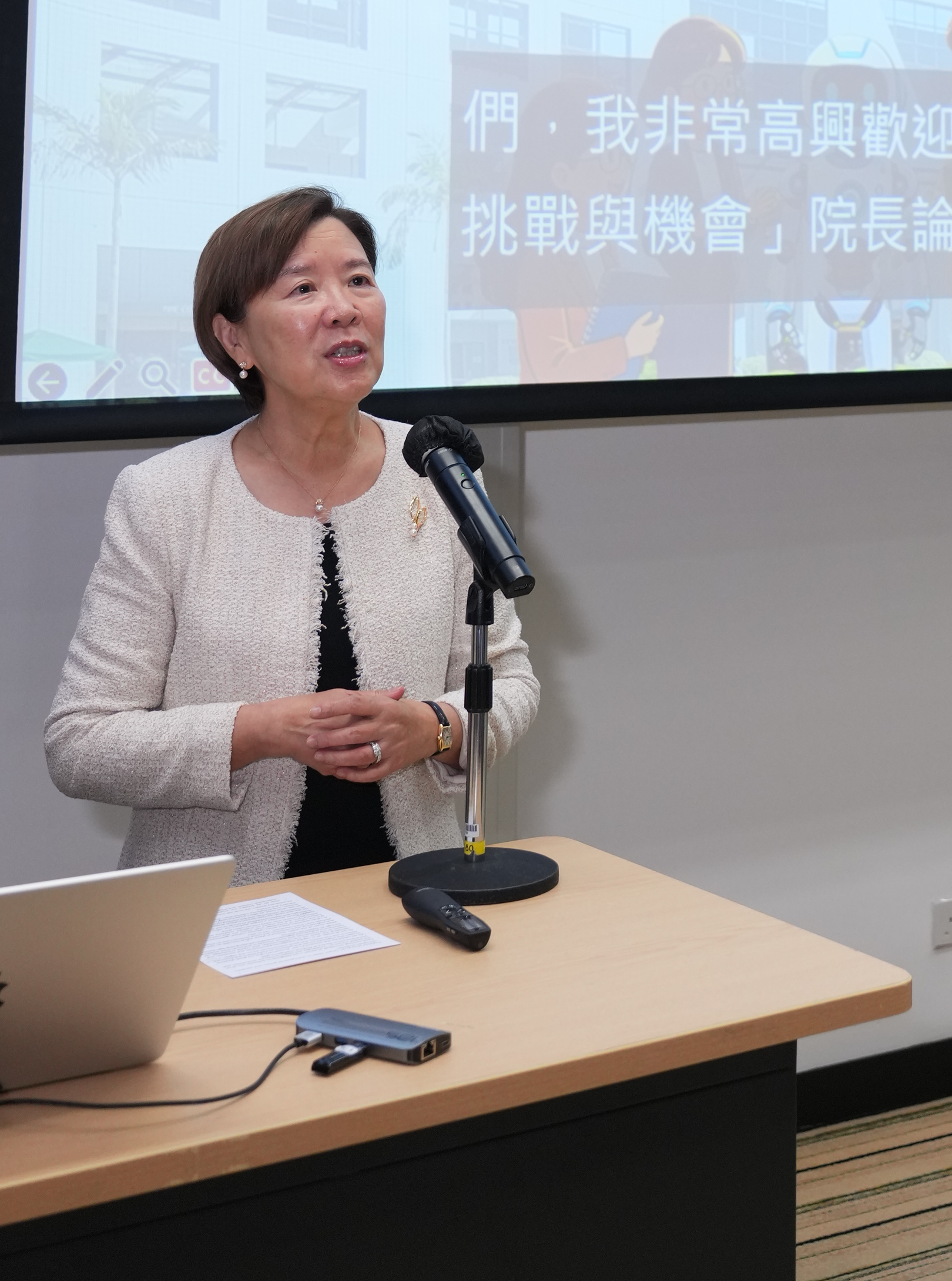
In her opening remarks, HKUST President Prof. Nancy IP highlighted the profound impact AI is having on economies, societies, and everyday life worldwide. More importantly, she noted that AI is transforming the ways people create, communicate, and consume knowledge.
"AI raises important questions about ethics, identity, culture, governance, language, and the nature of knowledge itself," said Prof. Ip. "There are also valid concerns about bias and the potential impact of AI on creativity and curiosity. These are precisely the issues that universities must address as we prepare students for the future."
The forum emphasized that the implications of AI extend far beyond technology. As intelligent systems become increasingly capable of generating content, summarizing information, and even producing creative work, educators are being challenged to rethink how knowledge is taught, evaluated, and understood.
Echoing this perspective, Prof. LI Ping, Dean of the School of Humanities and Social Science, cautioned against overreliance on AI tools. While AI can enhance learning and productivity, he stressed that it should not replace the intellectual habits that underpin meaningful inquiry.
Students, he argued, must continue to cultivate the ability to question assumptions, synthesize ideas, and think independently. These capacities—critical thinking, curiosity, and creativity—remain essential for humans navigating complex social and technological challenges.
Rather than diminishing the importance of the humanities and social sciences, the rise of AI may make these disciplines even more relevant. Understanding human behavior, values, cultures, and institutions will be critical as societies grapple with the opportunities and consequences of increasingly powerful technologies.
Universities in an Era of Disruption
The conversation continued with a broader examination of how higher education must evolve in response to rapid technological change.
Mr. Rohit TALWAR, a renowned futurist and CEO of Fast Future Publishing, argued in his keynote address that universities have a crucial role in helping society adapt to an increasingly unpredictable future. Beyond producing skilled graduates, institutions must help individuals understand emerging technologies, navigate social change, and address new ethical and policy challenges.
"Steadiness, stability, and predictability have become things of the past," Mr. Talwar said. "Innovation, responsiveness, and quality are the true drivers that will shape our future world."
His remarks reinforced a central theme of the forum: while AI may transform how people access and process information, human judgment, adaptability, and ethical reasoning will remain indispensable.
From Discussion to Action
The questions raised at the Deans’ Forum are not confined to the humanities and social sciences. As AI becomes embedded across industries and professions, every student—regardless of discipline—will need a foundational understanding of how to work with these technologies effectively and responsibly.
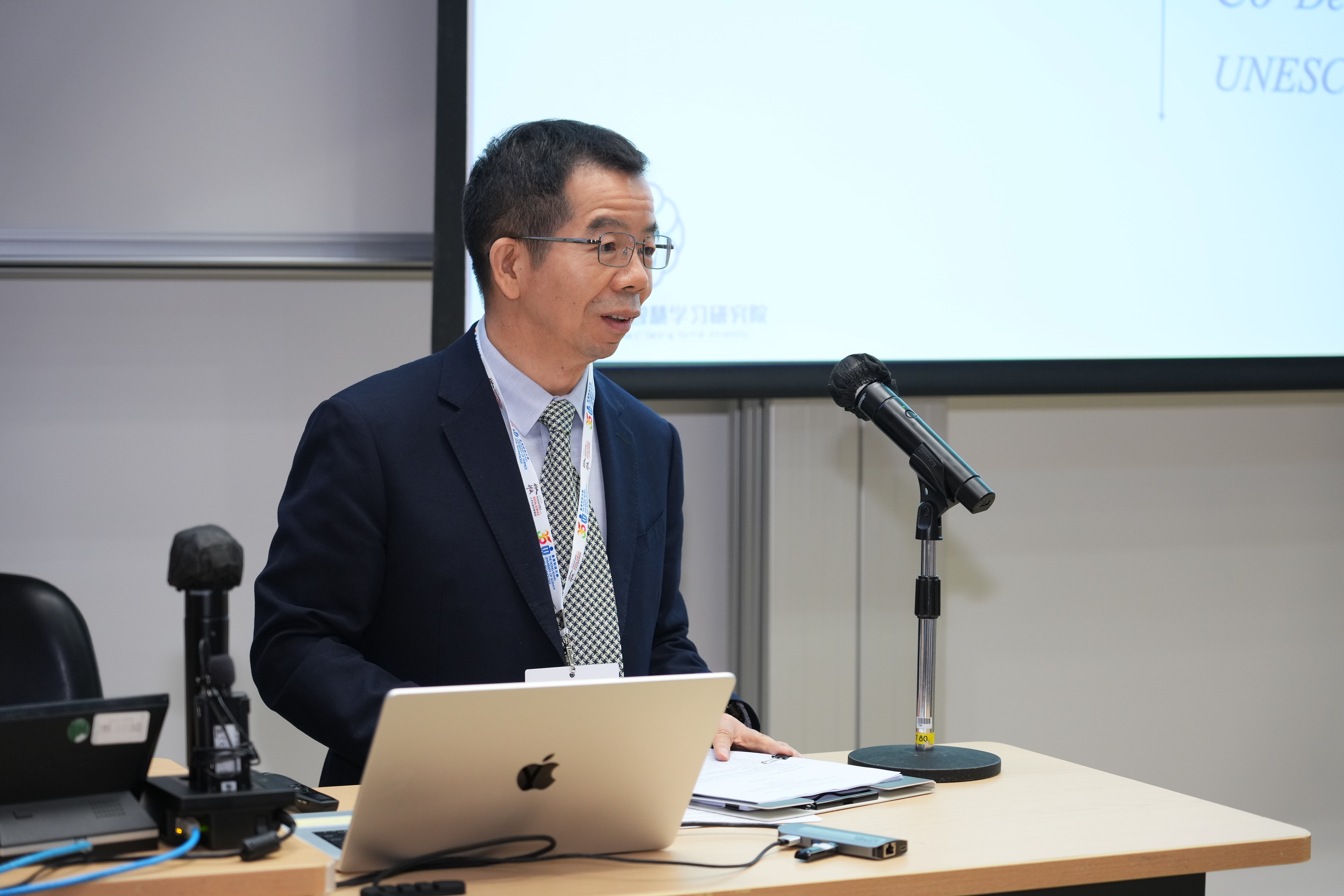
Framing his keynote address from this perspective, Prof. HUANG Ronghuai, UNESCO Chair on Artificial Intelligence in Education, suggested that our students should not only have AI literacy but also be skillful and ethical users and developers of AI for knowledge acquisition and application.
For HKUST, this means translating discussions of AI's societal impact into concrete educational initiatives that prepare students for the future.
Building AI Literacy Across the University
Beginning in the 2026-27 academic year, all incoming undergraduate students will complete a mandatory six-credit AI Common Core Program.
The program comprises two courses: Foundations of AI Literacy: Human-AI Orchestration and AI Horizons. Together, they are designed to provide students with both foundational AI knowledge and opportunities to explore applications relevant to their own disciplines.
The initiative reflects HKUST's belief that AI should be viewed not simply as a tool, but as a collaborative partner in learning, research, and innovation. Students will learn how to use AI effectively while understanding its limitations, ethical implications, and societal impact.
According to Prof. Jimmy FUNG, HKUST Associate Provost (Teaching and Learning), the program represents a new approach to education that combines technological literacy with human-centered thinking.
"HKUST's new AI Common Core Program pioneers a new model of human-AI collaborative learning centered on the concept of Human-AI Orchestration," he said. "Students will learn not only how to use AI tools, but also how to integrate the complementary strengths of humans and AI to drive innovation and address complex challenges."
Embedding AI Across Teaching and Research
The AI Common Core Program forms part of a broader university-wide commitment to advancing AI education, research, and innovation.
In 2018, HKUST established the Center for AI Research (CAiRE), the first dedicated AI research center among local universities. The center promotes interdisciplinary collaboration across scientific, technological, business, educational, and societal dimensions of AI.
Following the emergence of generative AI technologies, HKUST launched the Education and Generative AI Fund in 2023 to support innovative teaching and learning projects. Faculty members are encouraged to explore how generative AI can enhance educational practices while maintaining academic rigor and integrity.
More recently, in June 2026, HKUST partnered with Suzhou Calmcar Electronics Technology Co. to establish the Physical AI Innovation Center. The center focuses on advancing next-generation AI systems that better understand and interact with the physical world, addressing challenges in reasoning, decision-making, and real-world actions.
Preparing for an AI-Driven Future
The discussions at the Deans’ Forum highlighted a fundamental reality: the AI era is not simply a technological transition, but a societal one. As knowledge creation, communication, and decision-making continue to evolve, universities must prepare students to navigate both the opportunities and the complexities that accompany these changes.
At HKUST, this effort combines critical reflection with practical action—from examining the implications of AI through the lens of the humanities and social sciences to embedding AI literacy throughout the curriculum and expanding interdisciplinary research initiatives.
Ultimately, the University's goal is not only to help students use AI effectively, but also to ensure they can think critically about its role in society and contribute responsibly to a future shaped by intelligent technologies.
For more information on HKUST’s key AI initiatives, feel free to keep tabs on the following websites and news:
• HKUST Launches Mandatory AI Common Core Program to Nurture Future Leaders Comprehensive Scholarships to Attract Top Talent
• Center for AI Research (CAiRE)
• HKUST and CalmCar Establish Physical AI Innovation Center