




News & Stories
2026
News
HKUST Researchers Reveal a Tiered Adaptation Strategy in Deep-Sea Chemosynthetic Symbiosis
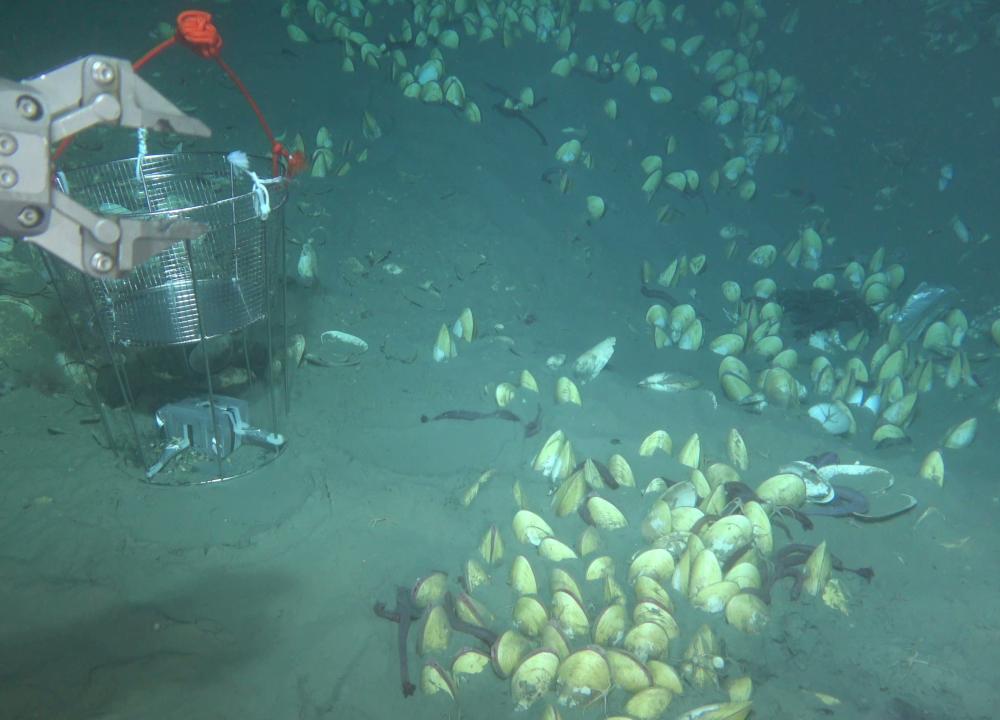
A research team led by Prof. QIAN Peiyuan, Chair Professor of the Department of Ocean Science at The Hong Kong University of Science and Technology (HKUST), in collaboration with international partners, has made significant progress in uncovering how deep-sea chemosynthetic symbioses cope with environmental change. The findings reveal that metabolic flexibility in the symbionts, coupled with the host’s finely regulated population of bacterial symbionts, mutually sustains the host’s energy stability. This provides important in situ evidence of how chemosynthetic holobionts at deep-sea cold seeps remain resilient when energy supplies fluctuate and highlights the key role of a tiered adaptation strategy in sustaining the stability of cold seep ecosystems.
News
HKUST Develops Self-Sustaining Seawater-to-Hydrogen System
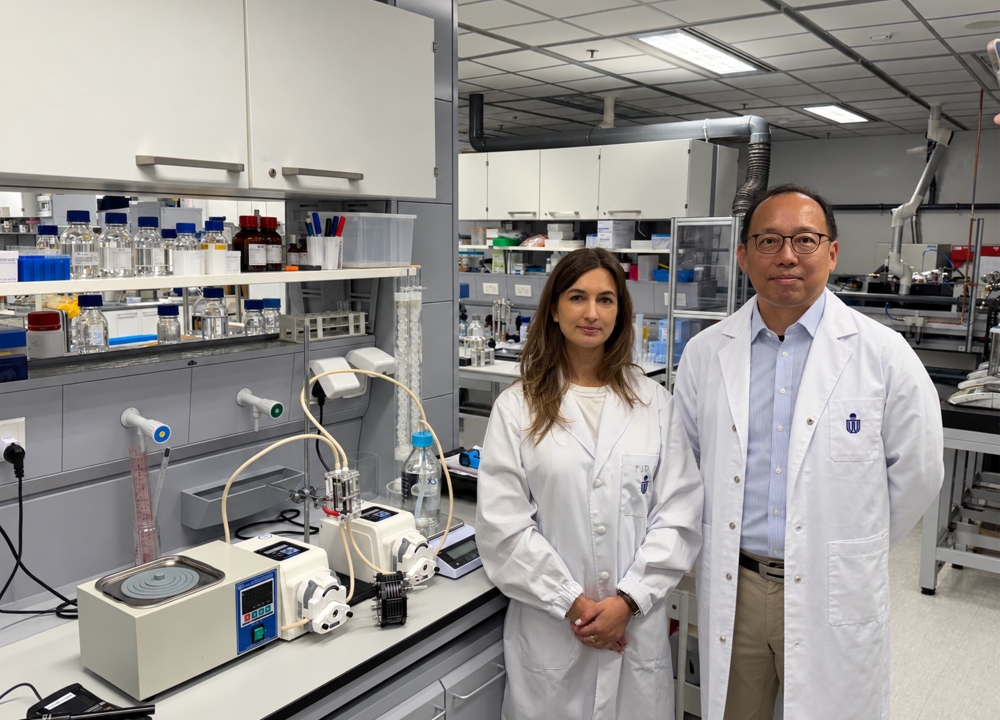
A research team from The Hong Kong University of Science and Technology (HKUST), in collaboration with Arizona State University (ASU) and The Hong Kong Polytechnic University (PolyU), has developed a sustainable integrated seawater-to-hydrogen system that can produce hydrogen directly from seawater while converting waste heat from electrolysis into a resource for producing the purified water required for hydrogen production. By integrating hydrogen production, water generation, and thermal management into a single system, the technology could help reduce the reliance of green hydrogen production on freshwater resources and offer a new approach for sustainable hydrogen development in water-scarce regions.
Stories
Cheng Kar-Shun Robotics Institute (GZ) Unveiled—An Enduring Partnership Flourishes
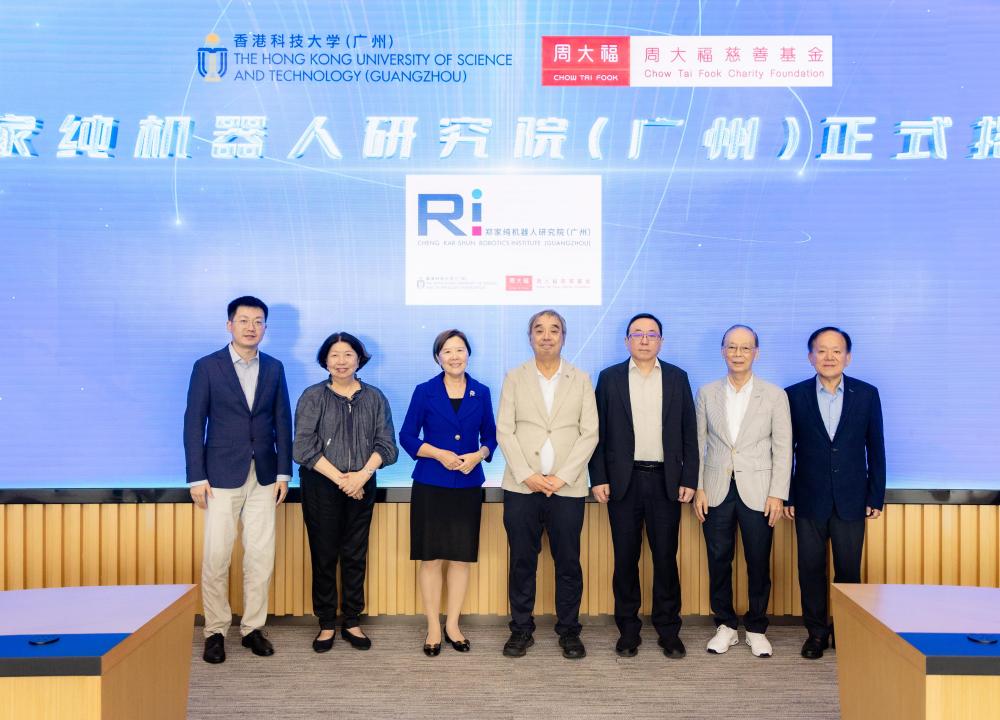
In the 35 years since HKUST’s establishment, the Cheng family and their Chow Tai Fook Charity Foundation have been steadfast supporters of the University’s development, working closely together on research and innovation. The naming and unveiling of the Cheng Kar-Shun Robotics Institute (Guangzhou) at The Hong Kong University of Science and Technology (HKUST(GZ)) on August 26 symbolizes how this longstanding partnership has now extended beyond Clear Water Bay to Nansha in Guangzhou. The Institute deepens collaboration among HKUST, the Cheng family, and the Foundation, and cultivates the growing research synergy between HKUST’s two campuses, reflecting their shared determination to advance innovation and development in robotics.

News
HKUST Develops Novel Cartilage-Inspired Polymer Nanocoating to Substantially Extend Battery Lifespan
A research team led by The Hong Kong University of Science and Technology (HKUST) has developed a biomimetic nanocoating that could significantly extend the lifespan of batteries used in smartphones, electric vehicles (EVs), and other electronic devices. Inspired by the stress-buffering function of human cartilage, the team has developed an innovative cartilage-inspired polymer nanocoating that effectively suppresses the degradation and wear of battery cathode materials at the source. The new technology not only enables batteries to retain exceptionally high capacity after thousands of charge-discharge cycles but also opens a promising new pathway toward the industrial deployment of next-generation nickel-rich lithium-ion batteries.

News
HKUST Releases First Batch of Hong Kong Images Captured by "MUSICO" in Celebration of 77th Anniversary of Founding of the People's Republic of China
The Hong Kong University of Science and Technology (HKUST) today released the first batch of Hong Kong remote sensing images captured by the Multi‑Spectral Imaging Carbon Observatory (MUSICO), showcasing a major achievement by Hong Kong researchers participating in the nation’s space program while celebrating the 77th anniversary of the founding of the People’s Republic of China.

News
HKUST Develops Breakthrough Liquid-Metal Smart Patch for Clinical-Grade At-Home Cardiorespiratory Monitoring
A research team led by Prof. Hnin Yin Yin NYEIN from the Department of Chemical and Biological Engineering at The Hong Kong University of Science and Technology (HKUST) has developed a novel wearable device named "HELP" (heteromodal epidermal liquid-metal patch). By leveraging liquid-metal technology, this soft, skin-like patch simultaneously tracks both breathing and heart activity. This comfortable, non-invasive technology marks a promising step toward a future where patients with chronic respiratory and heart conditions can receive continuous, clinical-grade health monitoring right at home.
News
HKUST Unveils World’s First Zero-Degradation Elastocaloric Cooling Device to Revolutionize Sustainable Refrigeration Technology
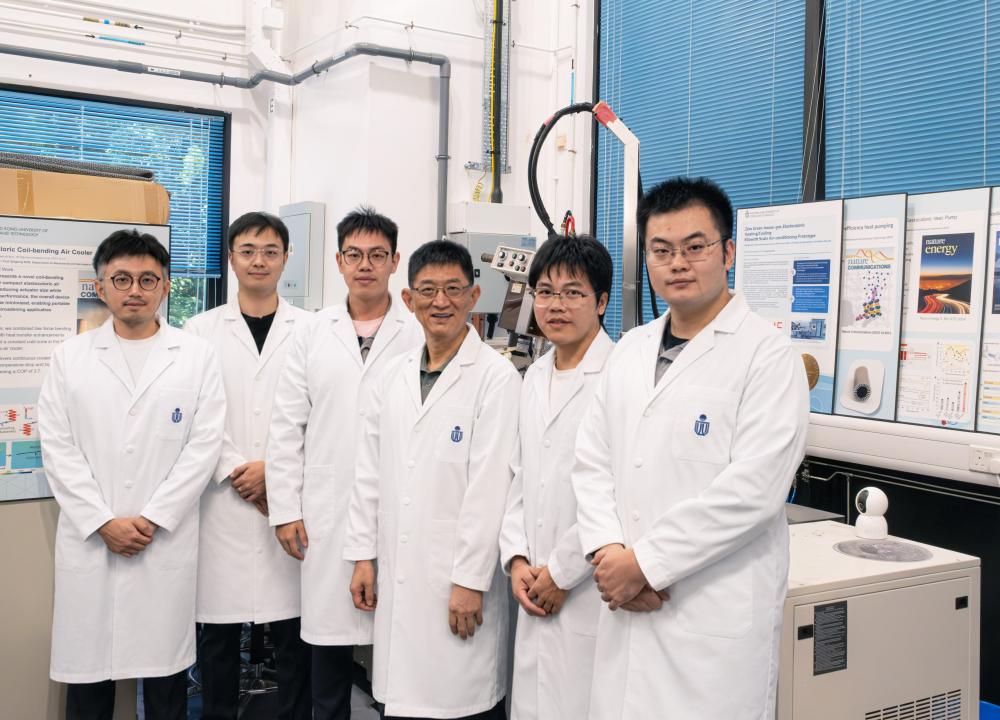
Invaluable to modern society, refrigeration faces challenges from traditional vapor-compression systems, which are energy-intensive and employ refrigerants that exacerbate the greenhouse effect and damage the ozone layer. Addressing this, a research team from The Hong Kong University of Science and Technology (HKUST) has unveiled the world’s first zero-degradation elastocaloric cooling device. Powered by a fatigue-resistant, solid-state refrigerant, this innovation delivers durable and green cooling, maintaining its stable performance even over a stunning one million operational cycles. This breakthrough will usher in highly efficient eco-friendly cooling, driving progress towards sustainable global development.
News
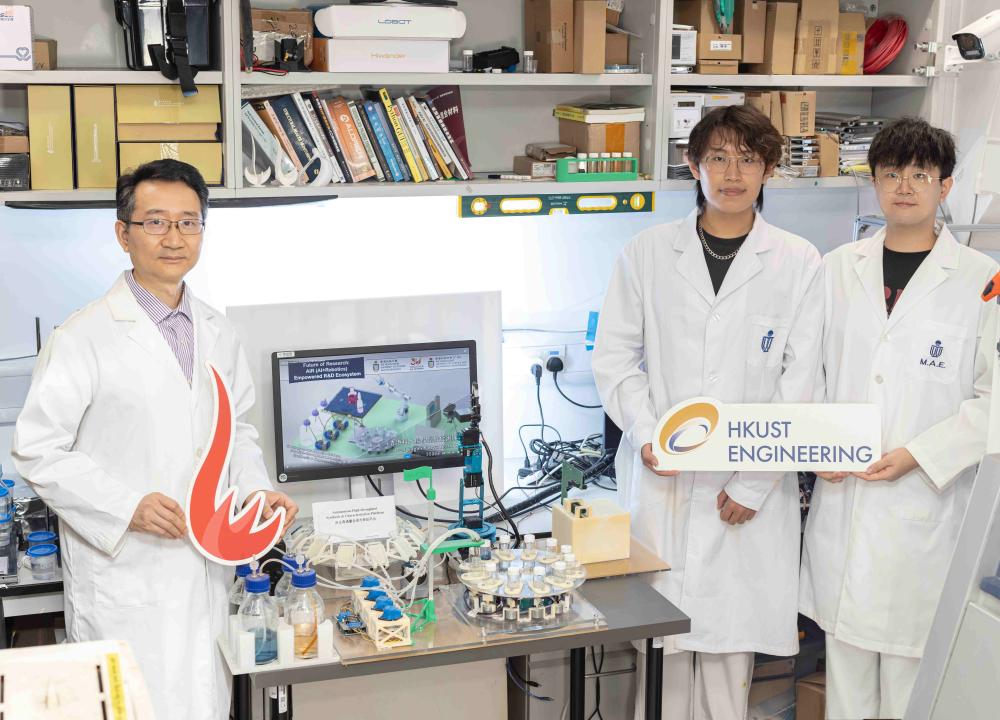
HKUST Develops Optimization Framework for Autonomous Materials Experimentation Platforms
A research team from The Hong Kong University of Science and Technology (HKUST) has developed a new modeling and optimization framework that helps researchers design modularized autonomous experimentation (MAE) platforms for new materials by determining the optimal combination of equipment before construction begins, thereby reducing both time and cost before the platform is physically built.