

HKUST Establishes Biodiversity and Nature-Based Solutions Hub to Drive Education, Research, Innovation, and the New Biodiversity Core Curriculum
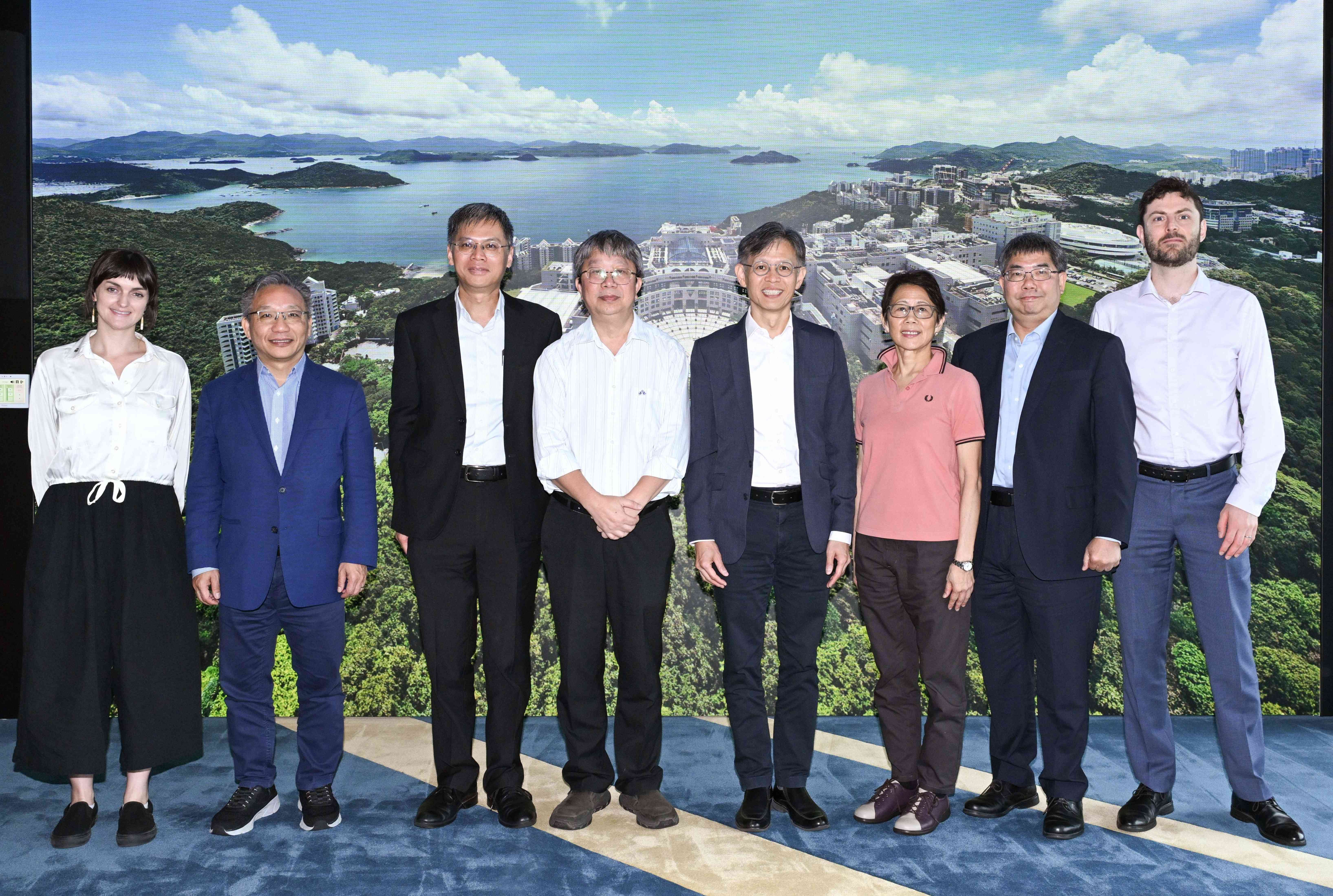
The Hong Kong University of Science and Technology (HKUST) has established the Biodiversity and Nature-Based Solutions Hub under the Division of Environment and Sustainability (ENVR) of the Academy of Interdisciplinary Studies (AIS) to advance biodiversity education, research, innovation and public engagement, alongside the efforts of its My Climate Risk Hub.
The establishment of the Hub marks a significant milestone in promoting biodiversity education and nature-based solutions (NbS) in Hong Kong. As part of this initiative, HKUST is developing a new biodiversity core curriculum, scheduled for launch in 2027. The curriculum is designed to equip all students with an understanding of Hong Kong’s biodiversity, conservation priorities, and the role of NbS in fostering a more resilient and sustainable city. This underscores that biodiversity is no longer a specialist environmental subject but central element in the city’s climate adaptation, urban development, resilience planning and quality of life. The new curriculum has been welcomed by the Agriculture, Fisheries and Conservation Department (AFCD) of the HKSAR Government as it aligns closely with the HKSAR Government's Hong Kong Biodiversity Strategy and Action Plan 2035.
“Biodiversity is not only about nature conservation. It is about the systems that sustain life, health, economies and communities,” stated Prof. Alexis LAU, Head of the Division of Environment and Sustainability at HKUST. “By integrating biodiversity into the core curriculum, we emphasize that every student, regardless of whether they study engineering, business, science, medicine, social science or technology, should understand how human prosperity depends on nature, and how their future professional choices can help restore the living systems around us.”
A key focus of the Hub will be the integration of biodiversity and climate science. While climate change and biodiversity loss are often treated as distinct crises, they are deeply interconnected. Climate change accelerates biodiversity loss by altering habitats, disrupting ecosystems, changing rainfall patterns, warming oceans, and increasing extreme weather risks. Conversely, healthy ecosystems are among society’s most powerful allies in responding to climate change.
Forests, wetlands, mangroves, soils, oceans and urban green spaces store carbon, regulate water flows, reduce heat, protect coastlines and strengthen community resilience. By bridging biodiversity and climate science, HKUST aims to help students and the broader public understand why protecting nature is essential to protecting people.
"Climate science explains how the planet is changing, while biodiversity helps us grasp the implications of those changes for life on Earth,” remarked Prof. CHEN Fei, Associate Head and Professor of the Division of Environment and Sustainability, and Director of the IAS Atmospheric Research Center, who is an internationally acclaimed expert in urban weather and climate research. "By integrating the two, students can see that protecting nature is one of the most practical and impactful strategies for protecting ourselves."
By enhancing its biodiversity capacity, HKUST will connect expertise across climate science, sustainability, ecology, engineering, data science, design, media, finance, policy, and community engagement. The University is actively recruiting scholars and practitioners with expertise in biodiversity and related fields.
AIS also contributes design, media and creative capabilities that can present biodiversity and climate issues in innovative and compelling ways. Through data visualization, digital media, storytelling, arts, technology and field-based learning, HKUST aims to make nature more visible, understandable and valued.
“Biodiversity protection depends not only on scientific knowledge, but also on public understanding,” said Prof. Jimmy FUNG, Associate Provost (Teaching and Learning) at HKUST. “Through a multidisciplinary approach, HKUST can help students and the wider community see nature differently and therefore value it more deeply.”
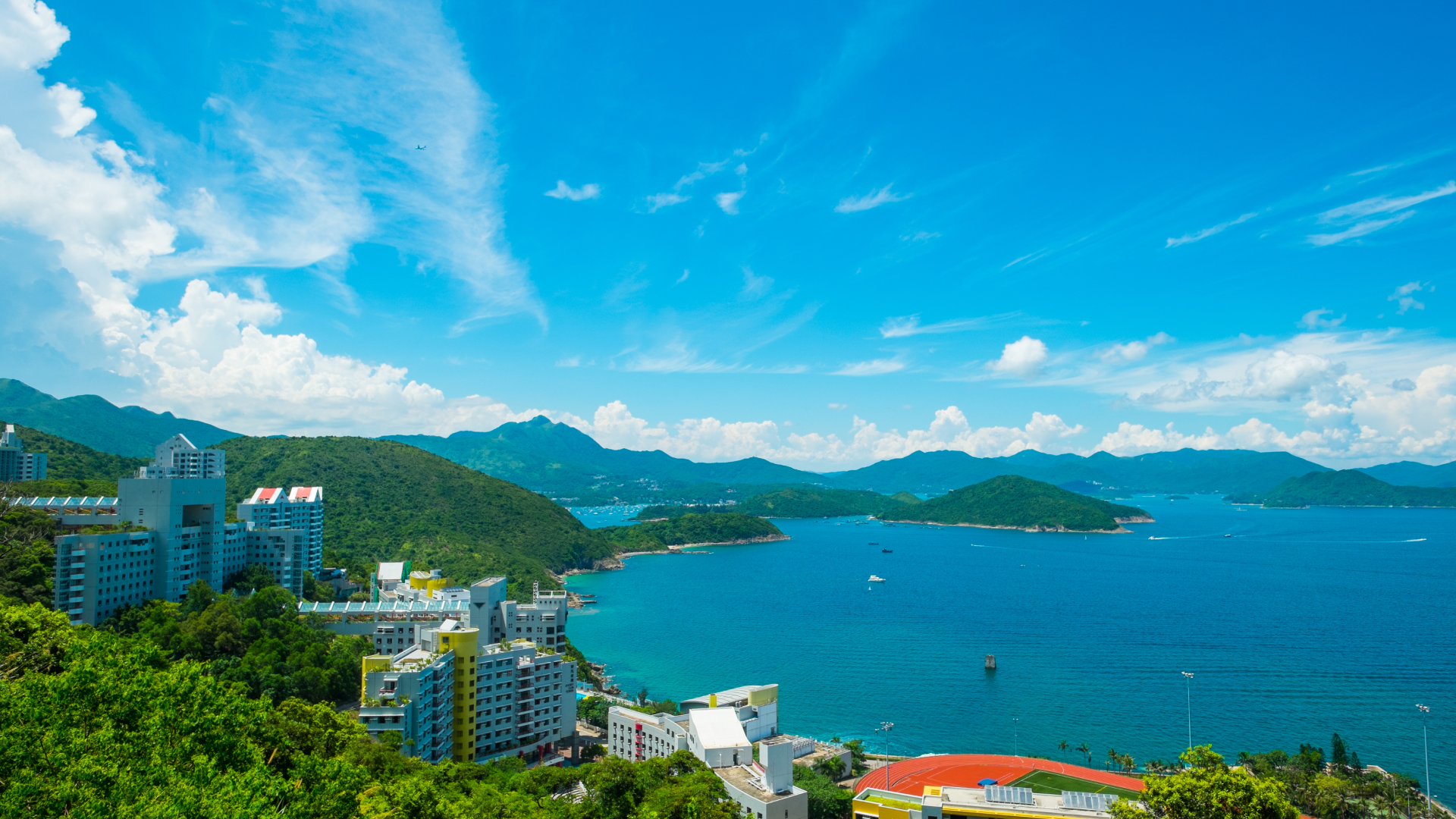
Since 2019, HKUST has demonstrated a strong track record of utilizing the campus as a Living Laboratory for sustainability innovation, positioning the University uniquely to bring this vision to life. As the only university campus in Hong Kong that manages a coastline, and with both terrestrial and marine environments, HKUST can use its campus as a testbed for biodiversity education, research, monitoring, restoration, and innovation.
As the campus evolves, HKUST can integrate biodiversity-positive design and NbS into its infrastructure, buildings, landscapes, slopes, drainage systems, outdoor spaces and coastal areas. This approach treats the campus as a living system, where buildings, vegetation, water, shorelines, and habitats can be planned and managed to support both people and nature. Over time, the campus can evolve into not only a hub of academic innovation but also an ecological, educational, and community asset for the surrounding neighborhood and the broader public in Hong Kong.
“HKUST’s campus itself serves as a testing and learning environment,” said Prof. Kenneth LEUNG, Director of Sustainability/Net Zero Office at HKUST. “As the University continues to build and renew its infrastructure, we have the opportunity to demonstrate how we can work with nature in harmony rather than against it. This is how biodiversity education becomes tangible: students can see, measure, test, and enhance NbS on the campus where they study every day.”
The Hub will foster cross-disciplinary biodiversity and climate research in collaborations with other universities, research institutions, government departments, community partners, and the private sector. As part of this commitment, HKUST has designated 10 October 2026 during its flagship Climate Adaptation and Resilience Conference 2026 (CARE2026) to convene scholars and partners to explore research collaboration on biodiversity, NbS, and climate resilience. The discussions will focus on how universities can work more closely with the HKSAR Government and the private sector to support the implementation of Hong Kong Biodiversity Strategy and Action Plan (BSAP) and the broader application of NbS.
“No single institution or discipline can address biodiversity loss or climate risk alone,” emphasized Prof. Christine LOH, Chief Development Strategist of the Institute for the Environment at HKUST and Co-chair of CARE2026. “Through the new Hub and CARE2026, HKUST aims to bring scholars and stakeholders together to explore how universities in Hong Kong can collaborate more effectively with one another and with the government. This initiative seeks to translate research into practical knowledge that can inform policy, planning, design and long-term stewardship.”
“This initiative bridges what we teach, what we research, how we build, and how we engage with society,” said Prof. Alexis Lau. “It reflects a university-wide commitment to preparing students and communities for a future where nature, climate, technology, and human well-being must be understood together.”
Hosted at HKUST, the My Climate Risk Hub under the WMO-World Climate Research Program (WCRP) provides a platform for connecting regional expertise and local context with the broader WMO-WCRP My Climate Risk framework. This supports the translation of research into climate-resilient strategies and actions aligned with international priorities.
About The Hong Kong University of Science and Technology
The Hong Kong University of Science and Technology (HKUST) (https://hkust.edu.hk/) is a world-class university known for its innovative education, research excellence, and impactful knowledge transfer. With a holistic and interdisciplinary pedagogy approach, HKUST was ranked 6th in the QS Asia University Rankings 2026, 3rd in the Times Higher Education’s Young University Rankings 2024, and 19th globally and 1st in Hong Kong in the Times Higher Education’s Impact Rankings 2025. Eleven HKUST subjects were ranked among the world’s top 50 in the QS World University Rankings by Subject 2026. In addition, in the Times Higher Education World University Rankings by Subject 2026, HKUST’s Computer Science discipline which encompasses areas such as artificial intelligence and machine learning, has been ranked No. 1 in Hong Kong for ten consecutive years. Our graduates are highly competitive, consistently ranking among the world’s top 30 most sought-after employees. In terms of research and entrepreneurship, over 80% of our work was rated “internationally excellent” or “world leading” in the Research Assessment Exercise 2020 of the Hong Kong’s University Grants Committee. As of January 2026, HKUST members have founded over 1,900 active start-ups, including 10 Unicorns and 21 exits (IPO or M&A).
Sign Up for Our Latest News
Latest News

Turning climate science and early warnings into practical action to protect people, strengthen infrastructure and finance resilience is the focus of the Climate Adaptation and Resilience Conference 2026 (CARE2026) at The Hong Kong University of Science and Technology (HKUST). Running from 8 to 10 October, the conference opened with calls to connect scientific knowledge with better preparedness and decisions that make cities more resilient.

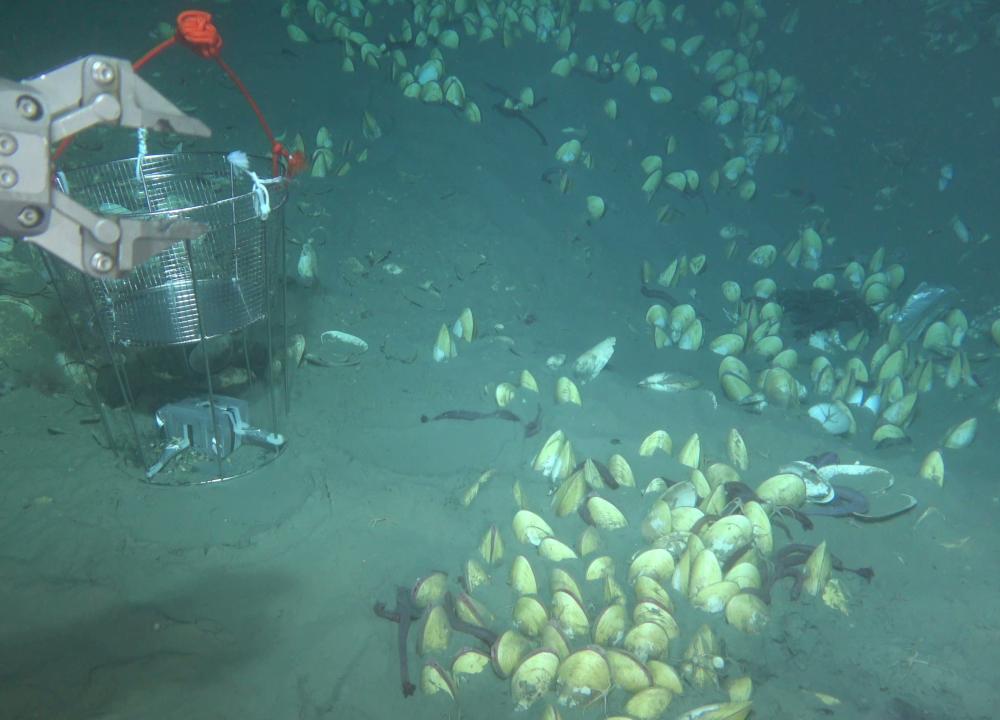
A research team led by Prof. QIAN Peiyuan, Chair Professor of the Department of Ocean Science at The Hong Kong University of Science and Technology (HKUST), in collaboration with international partners, has made significant progress in uncovering how deep-sea chemosynthetic symbioses cope with environmental change.