




HKUST Launches NeuroCare Community Project to Screen 6,000 Elderly for Early Alzheimer’s

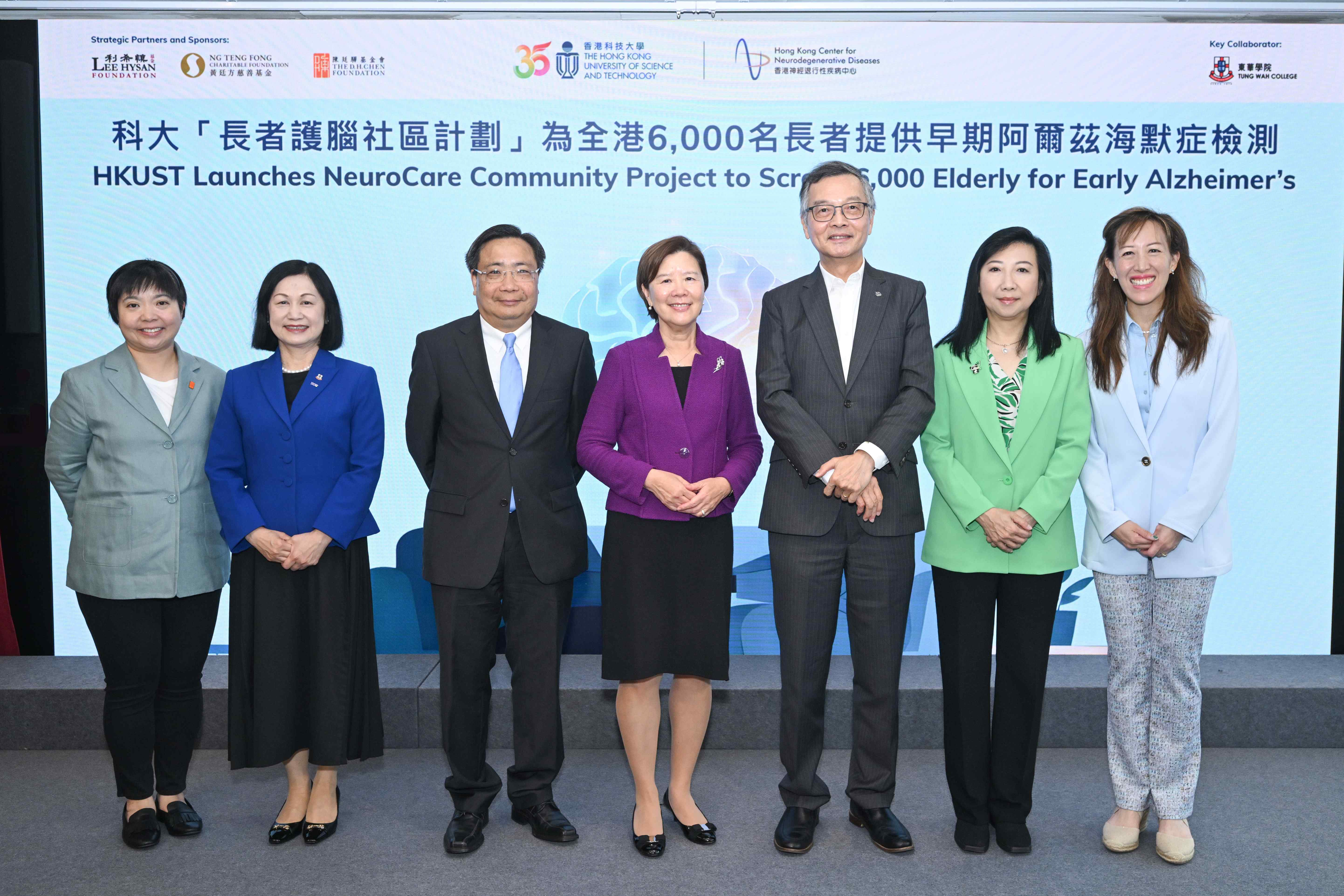
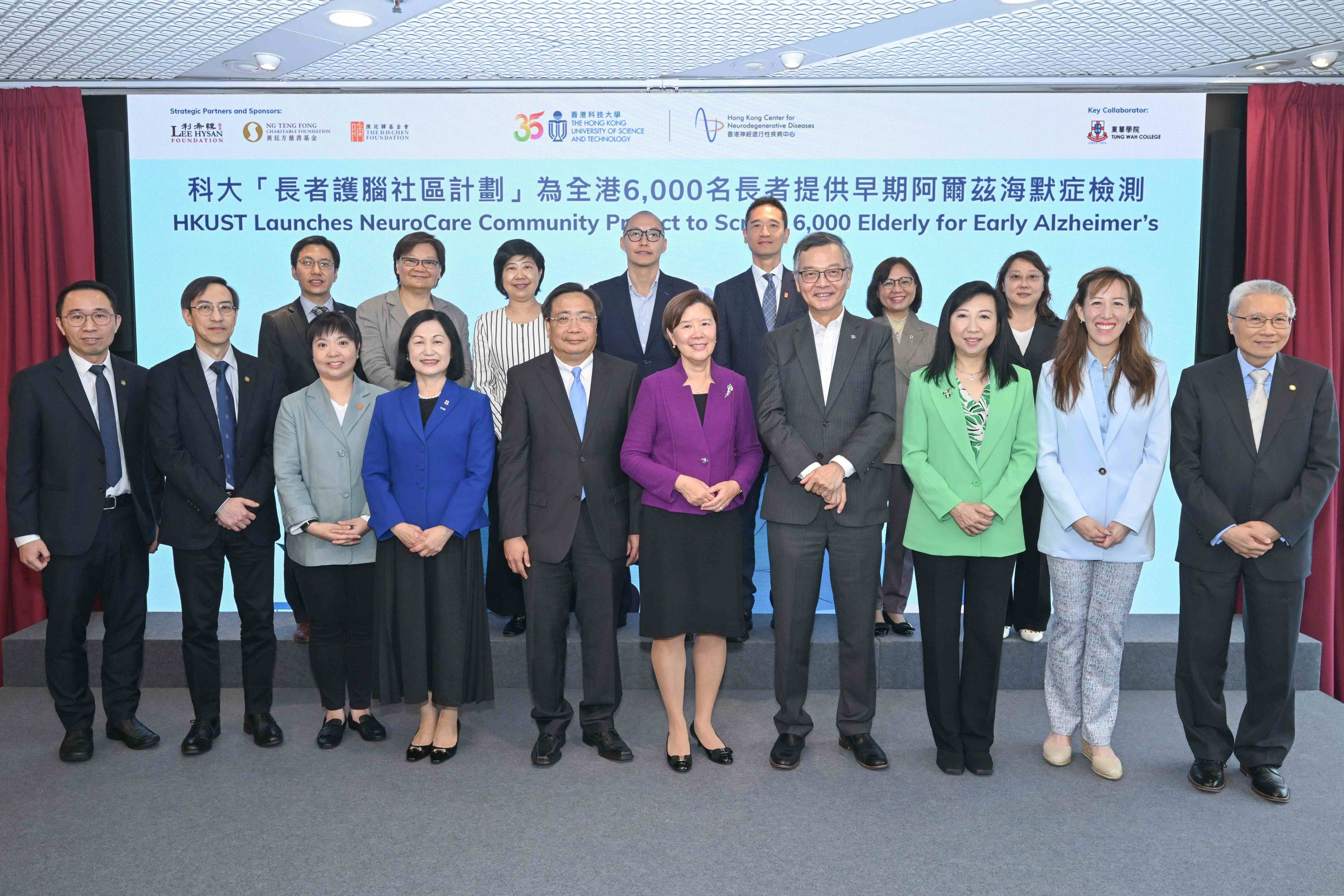
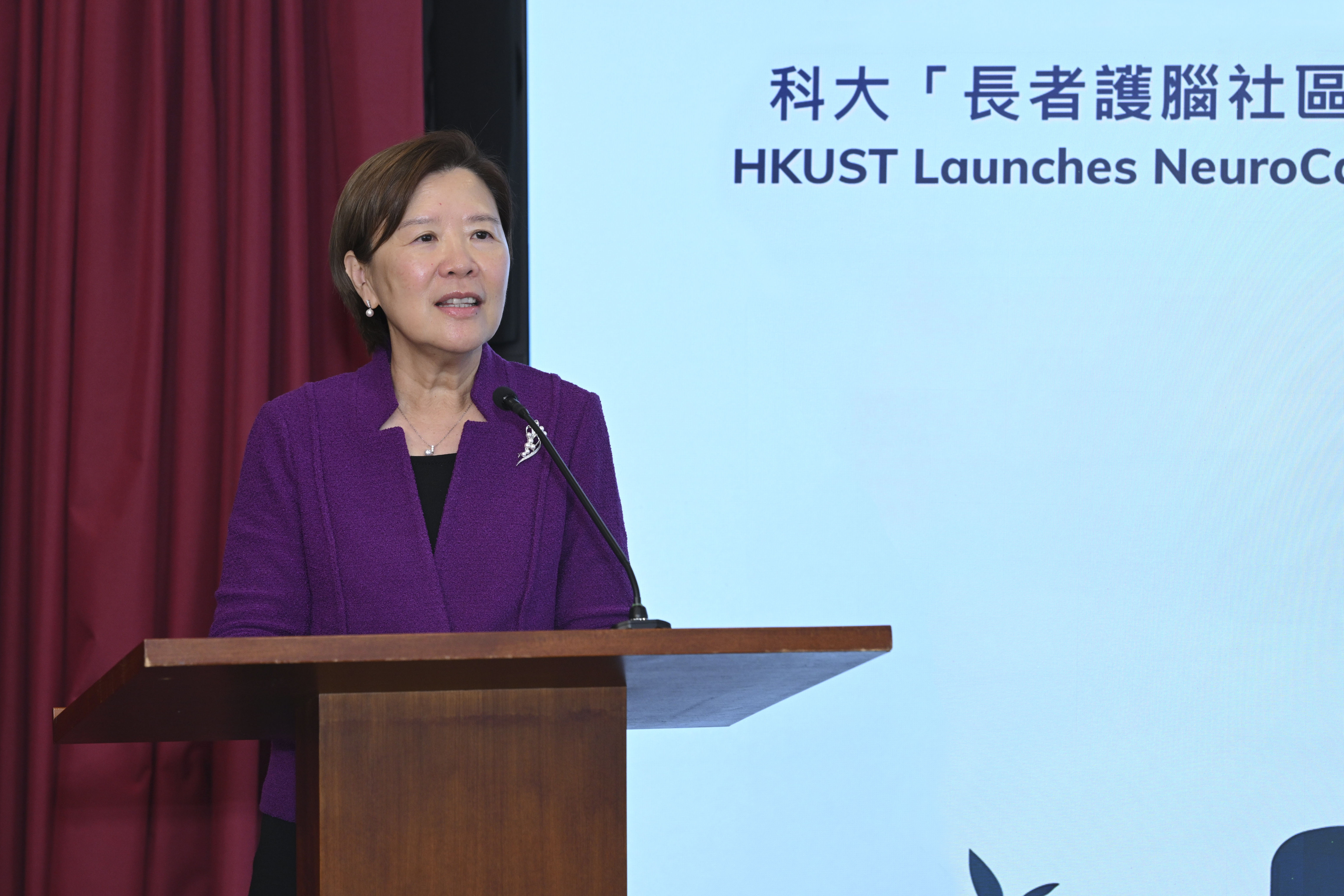
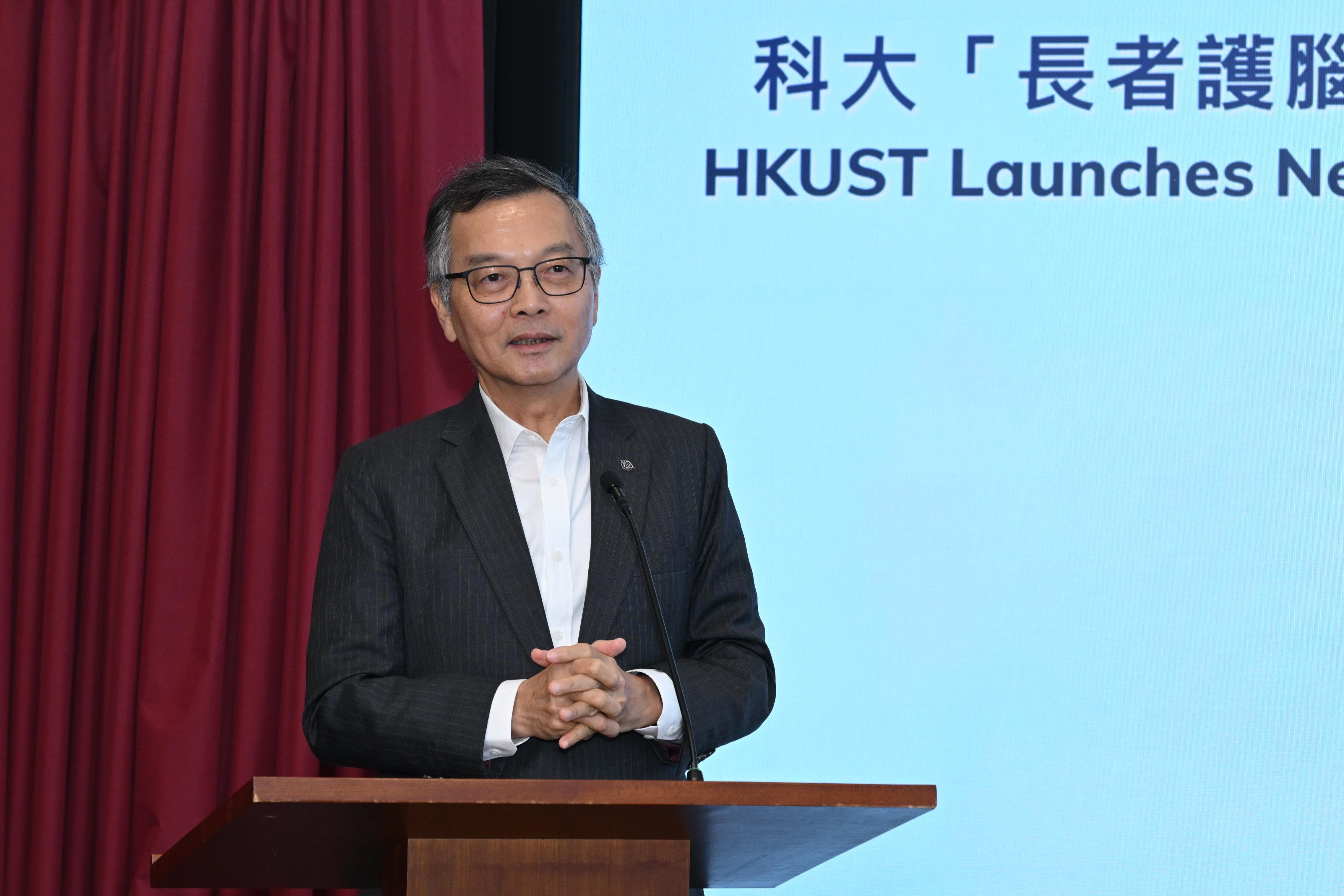
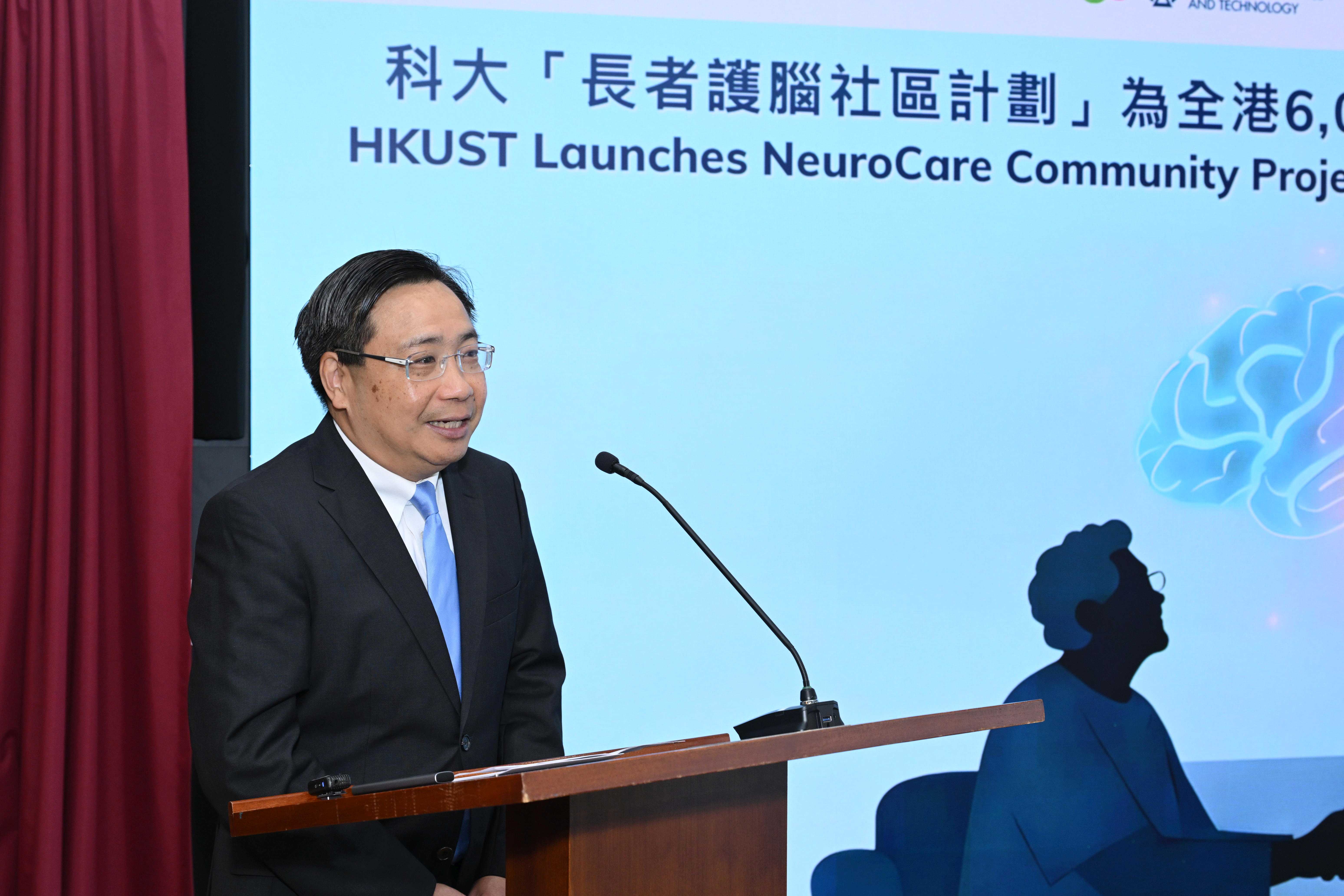
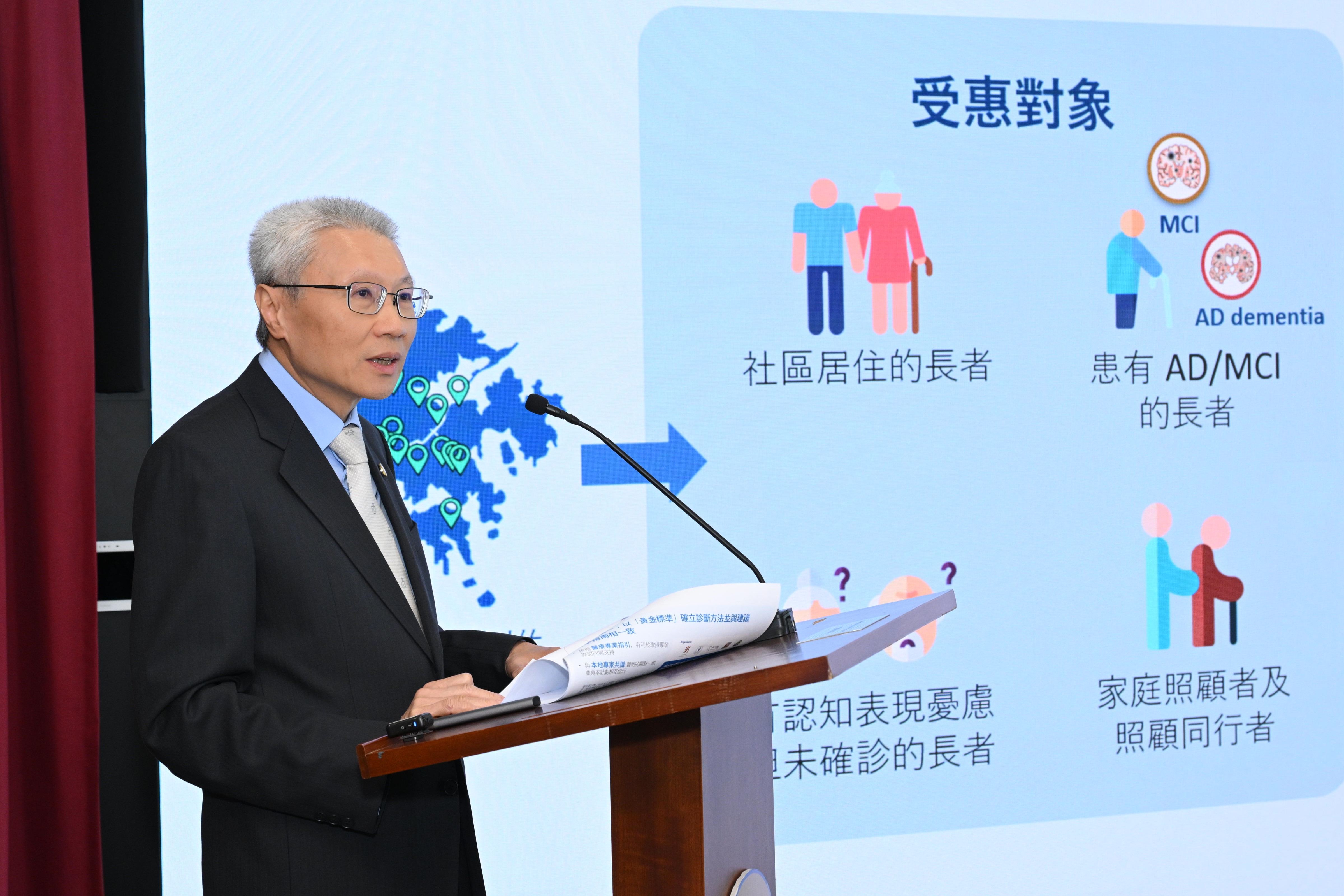
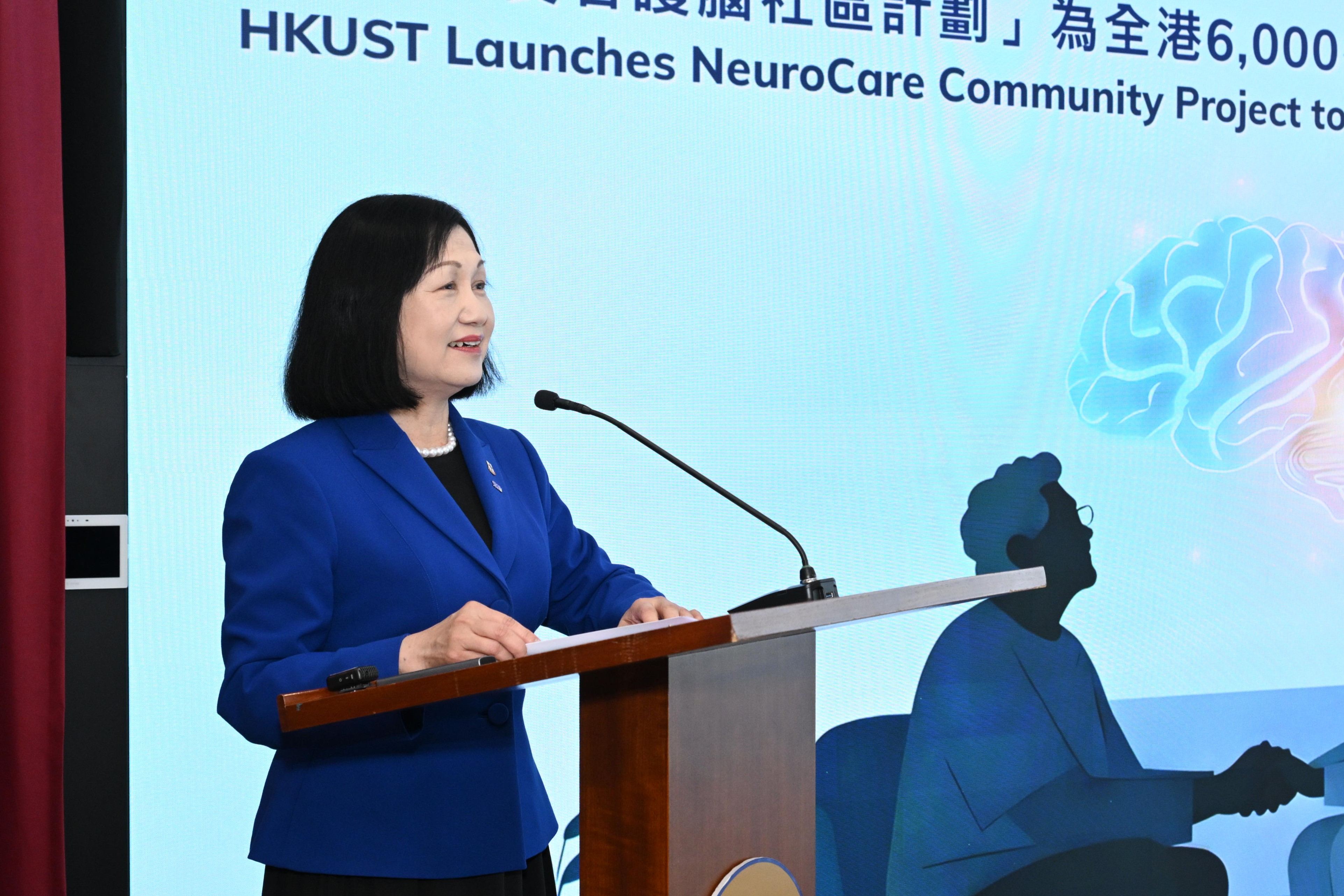
The Hong Kong University of Science and Technology (HKUST) today launched the NeuroCare Community Project (the Project), a five-year initiative to enhance early detection of Alzheimer’s risk for Hong Kong’s elderly who need support. Working with over 40 community centers under more than a dozen non-governmental organizations (NGOs), and in collaboration with Tung Wah College (TWC), the Project aims to screen 6,000 community-dwelling elderly aged 60-75, shifting the focus from late-stage diagnosis to proactive, community-based care.
With the rapid aging of Hong Kong’s population, it is projected that by 2039, individuals aged 65 or above will account for over 30% of the total population, making early intervention for cognitive health an urgent necessity.
For a long time, the widespread implementation of Alzheimer’s disease detection at the community level has faced numerous obstacles. High testing costs, invasive procedures, and a lack of public awareness about the importance of early detection have hindered the accessibility of such services.
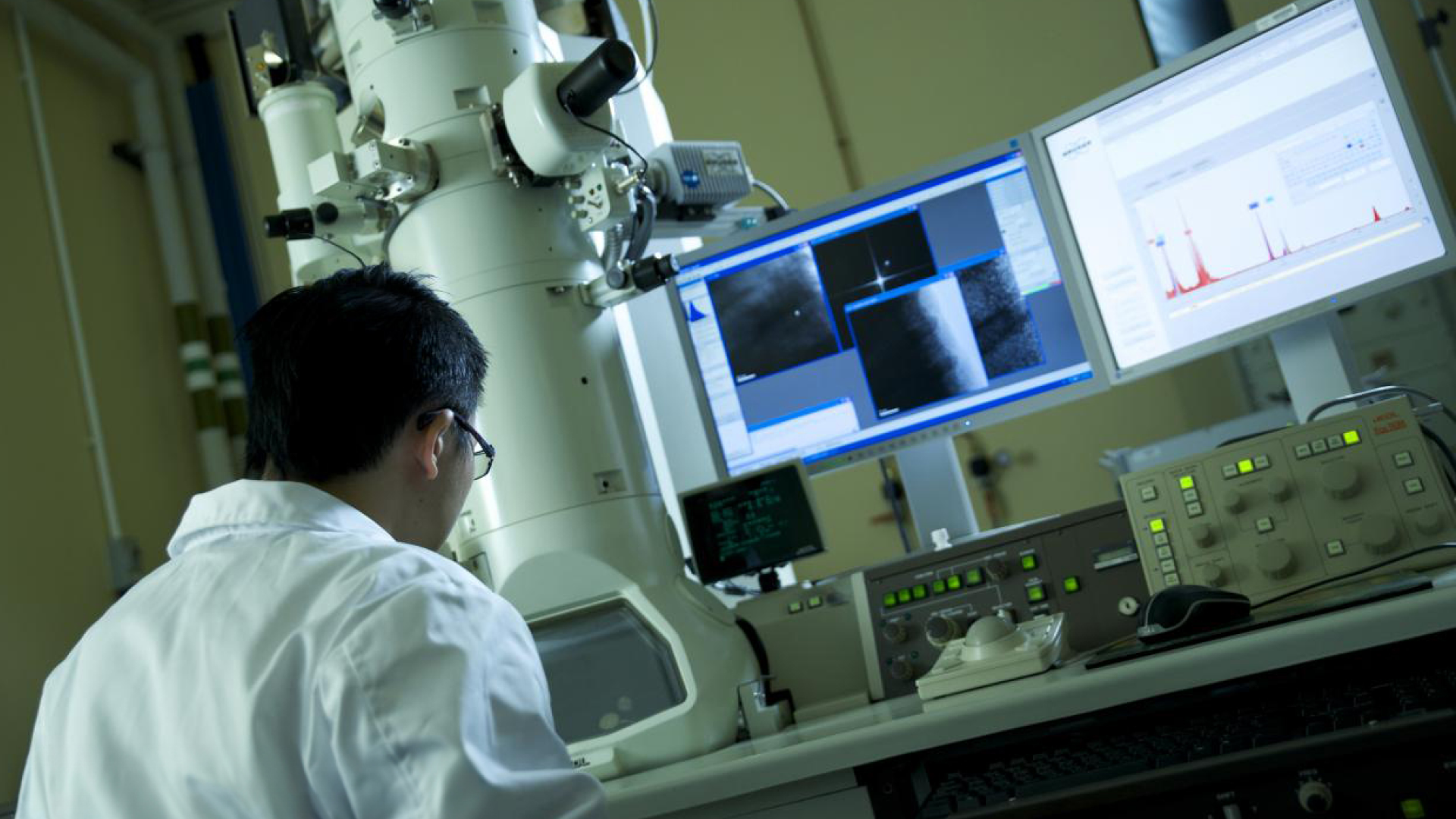
Thanks to the generous funding from the Lee Hysan Foundation, the Ng Teng Fong Charitable Foundation, and The D. H. Chen Foundation, the Project will leverage blood-based testing technology developed by HKUST to provide free screening services for community-dwelling elderly individuals.
The Project adopts a structured, four-stage approach. Participants will receive cognitive assessments and routine blood tests, while those who are eligible will also undergo biomarker evaluations and advanced brain imaging to identify early signs of Alzheimer’s disease (AD) and mild cognitive impairment (MCI). The goal is to quickly and effectively connect families affected by Alzheimer’s to care pathways, ensuring timely intervention to better manage cognitive decline, reduce caregiver burden, and alleviate dementia-related anxiety.
The program is led and organized by HKUST, with support from the InnoHK Hong Kong Center for Neurodegenerative Diseases (InnoHK HKCeND), and implemented in collaboration with Tung Wah College, which coordinates the operations of frontline NGOs and community education initiatives. Through cross-sector collaboration, the program fosters close cooperation among researchers, clinical professionals, and community organizations to support elderly individuals showing early signs of Alzheimer’s disease, with the long-term goal of establishing a sustainable care framework for Hong Kong.
The comprehensive dataset gathered—encompassing clinical, biological, and lifestyle information—will serve as a foundation for future scientific breakthroughs. The multi-disciplinary team plans to refine early detection technologies, identify novel biomarkers for disease progression, and contribute to global efforts to advance effective management and risk-reduction strategies for Alzheimer’s disease.
Following Brain Awareness Week (March 16-22, 2026), a global campaign to increase public understanding of brain health, this Project highlights the importance of pairing meaningful societal impact with proper education. Community education is therefore an integral component of the Project, working in synergy with the support from donors, collaborative partners, and participating NGOs.
Prof. Nancy IP, President of HKUST and Center Director of InnoHK HKCeND, expressed her gratitude to the donors and partners. “We are deeply grateful to the Lee Hysan Foundation, the Ng Teng Fong Charitable Foundation, and The D. H. Chen Foundation. Their generous support has made the NeuroCare Community Project possible, allowing us to bring our blood-based multi-protein test—the first of its kind in the world—from the clinical setting into the community. By integrating Alzheimer’s blood biomarkers across multiple biological pathways, this innovative, less-invasive technology enables early disease detection that can transform the trajectory of brain health—giving families the gift of time to plan, seek support, and take proactive steps together. This critical initiative is not only improving dementia care today but also democratizing access to advanced healthcare, helping to build a healthier, more resilient future for our aging population.”
Dr. the Honourable LAM Ching-Choi, Member of the Executive Council of the HKSAR Government and Chairman of the Advisory Committee on Mental Health, welcomed HKUST’s NeuroCare Community Project, stating, "The blood‑based testing technology developed by HKUST represents a significant scientific breakthrough, as it is capable of identifying the risk of Alzheimer’s disease before patients are aware of any symptoms. By identifying high‑risk individuals early, we can intervene at a very early stage. In the past, by the time patients noticed cognitive problems, it was often too late — the pathogenic proteins in the brain had already caused irreversible damage. If we can detect high‑risk cases at a very early stage — even before symptoms appear — drug development stands a real chance of controlling the disease. More importantly, medical research shows that lifestyle measures can slow deterioration. Managing blood pressure, blood sugar, and other cardiovascular risks, exercising more, and staying socially engaged can all significantly slow cognitive decline. The announcement today aims to bring research into the community. If we can identify people without symptoms who are unaware of their risk and help them delay onset by several years, the overall number of people living with cognitive impairment can be reduced."
Mr. Ivan LEE Kwok-Bun, Commissioner for Innovation and Technology of the HKSAR Government, said, "The Government has been actively promoting the research centers under the InnoHK research clusters to enhance the process of translating their research outcomes with potential to create positive societal impact and benefit society with practical applications and probably commercialization of their R&D outcome. The blood-based testing technology developed by HKUST and InnoHK Hong Kong Center for Neurodegenerative Diseases translates frontier research into an early risk identification tool that can be applied in community settings. This will help enable the early detection of risks associated with Alzheimer’s disease and mild cognitive impairment, thereby facilitating more effective responses to population aging and fully reflecting the vision of 'people-oriented scientific research'. I look forward to InnoHK continuing to promote collaboration between the research community and various sectors of society, achieving synergy and translating research outcomes into applications that bring benefits to society."
Ms. Cecilia HO, President of Lee Hysan Foundation, shared, "In 2016, The Foundation commenced support for Prof. Nancy Ip and her team at HKUST on their Alzheimer' s-related research, and we are excited to be continuing our collaboration with the NeuroCare Community Project. The initiative aims to validate an accurate, less-invasive, and cost-effective method for early detection of AD and MCI in the community. We hope this will be a major boon to the elderly population locally and worldwide."
Ms. Nikki NG, Director of the Ng Teng Fong Charitable Foundation and Director of Philanthropy at Sino Group, said, "Our Foundation is grateful for the opportunity to support this meaningful initiative led by HKUST, in close collaboration with Tung Wah College and the many NGOs serving on the frontline. Their dedicated efforts to bring early dementia care into the community are truly inspiring. Through this shared purpose, we hope to contribute to a healthier and more compassionate society—one where all our elders are treated with respect and dignity, and where kindness is part of everyday life."
Ms. Karen CHEUNG, Trustee and Chief Strategist of The D. H. Chen Foundation, said, "Supporting HKUST's NeuroCare Community Project advances The D. H. Chen Foundation’s mission to build a more compassionate society by delivering equitable, community-based screening for early Alzheimer's disease and mild cognitive impairment. By working closely with community partners, the initiative helps older adults recognize early signs of Alzheimer's and plan ahead with clarity and dignity. We greatly appreciate their thoughtful efforts to support ageing with confidence and care."
Prof. Sally CHAN, President of TWC, added, "This partnership with HKUST marks an important step forward in advancing primary healthcare within our community. At TWC, we are committed to translating interdisciplinary research into tangible benefits for society. By combining our strengths in health education and community engagement with innovative technologies, we can enable early detection of Alzheimer's disease and offer meaningful support to older adults and their families. Our goal is to make a positive impact on cognitive health and to promote greater awareness of the critical role early detection plays in addressing Alzheimer's disease."
For enquiries regarding the recruitment details of the NeuroCare Community Project, please contact Ms. Renee Ng of Tung Wah College (Email: reneekfng@twc.edu.hk; Phone/WhatsApp: 6229 0352).
About The Hong Kong University of Science and Technology
The Hong Kong University of Science and Technology (HKUST) (https://hkust.edu.hk/) is a world-class university known for its innovative education, research excellence, and impactful knowledge transfer. With a holistic and interdisciplinary pedagogy approach, HKUST was ranked 6th in the QS Asia University Rankings 2026, 3rd in the Times Higher Education’s Young University Rankings 2024, and 19th globally and 1st in Hong Kong in the Times Higher Education’s Impact Rankings 2025. Thirteen HKUST subjects were ranked among the world’s top 50 in the QS World University Rankings by Subject 2025, with “Data Science and Artificial Intelligence” coming in 17th worldwide and first in Hong Kong. Our graduates are highly competitive, consistently ranking among the world’s top 30 most sought-after employees. In terms of research and entrepreneurship, over 80% of our work was rated “internationally excellent” or “world leading” in the Research Assessment Exercise 2020 of the Hong Kong’s University Grants Committee. As of January 2026, HKUST members have founded over 1,900 active start-ups, including 10 Unicorns and 21 exits (IPO or M&A).
For media enquiries, please contact:
PR and Media Team, Global Engagement and Communications Office
Email: media@ust.hk
Sign Up for Our Latest News
Latest News
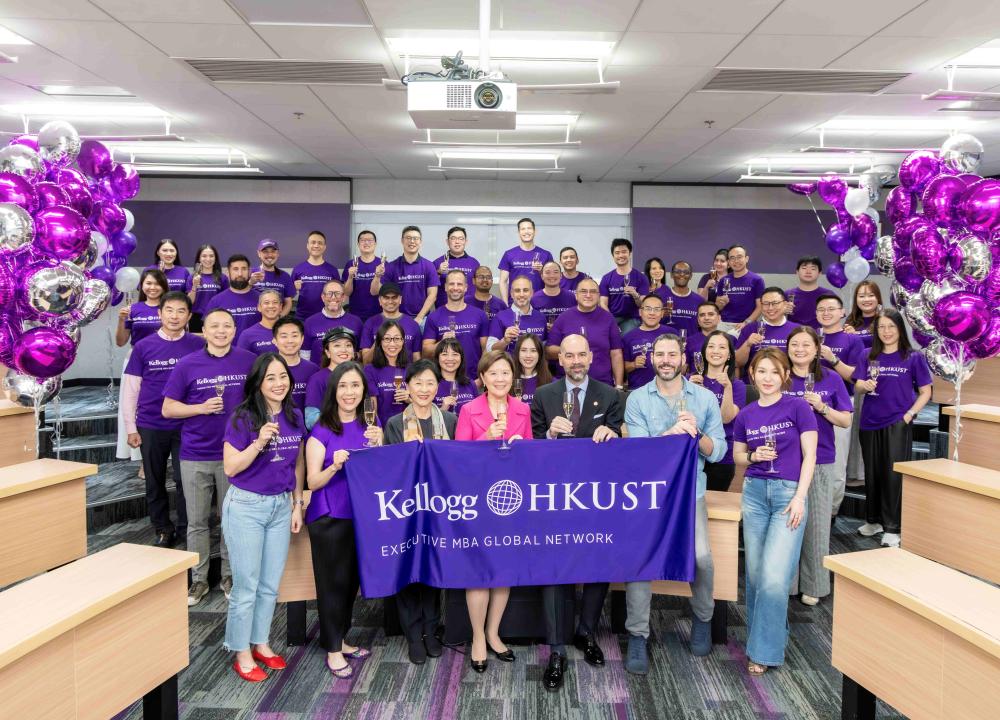
The Kellogg-HKUST Executive MBA (KH EMBA) Program has secured the No. 1 position globally in the Financial Times Executive MBA Ranking 2026, released today, marking an unprecedented 13th time the program has attained the top position.

The Hong Kong University of Science and Technology (HKUST) has once again demonstrated its global research excellence in Stanford University's latest World's Top 2% Scientists ranking. A total of 244 and 205 HKUST scholars were featured in the Single-Year Impact and Career-Long Impact lists, respectively, accounting for approximately 40% of the University's tenure-track faculty.
