



"Together with Scientists" — Nobel Laureates Share Scholarly Wisdom
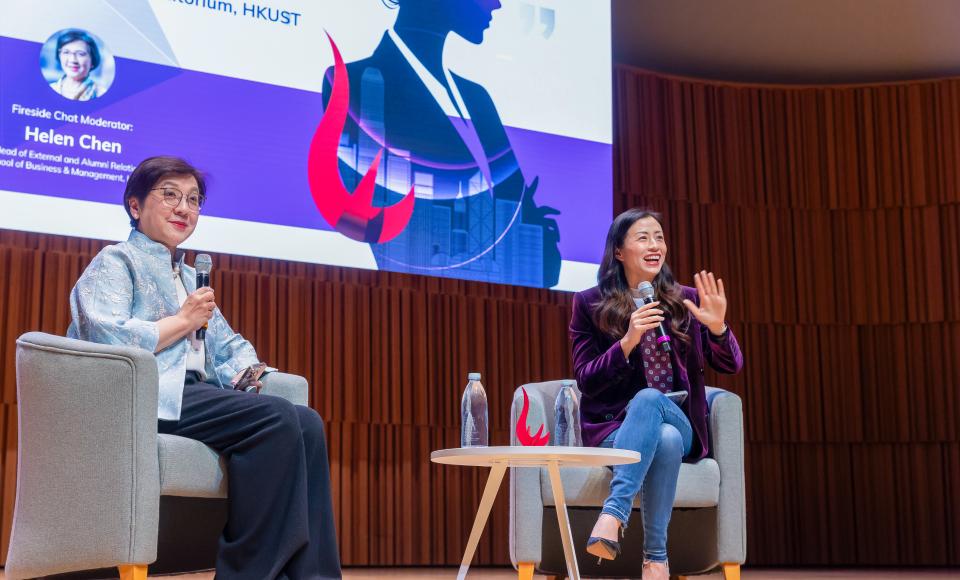
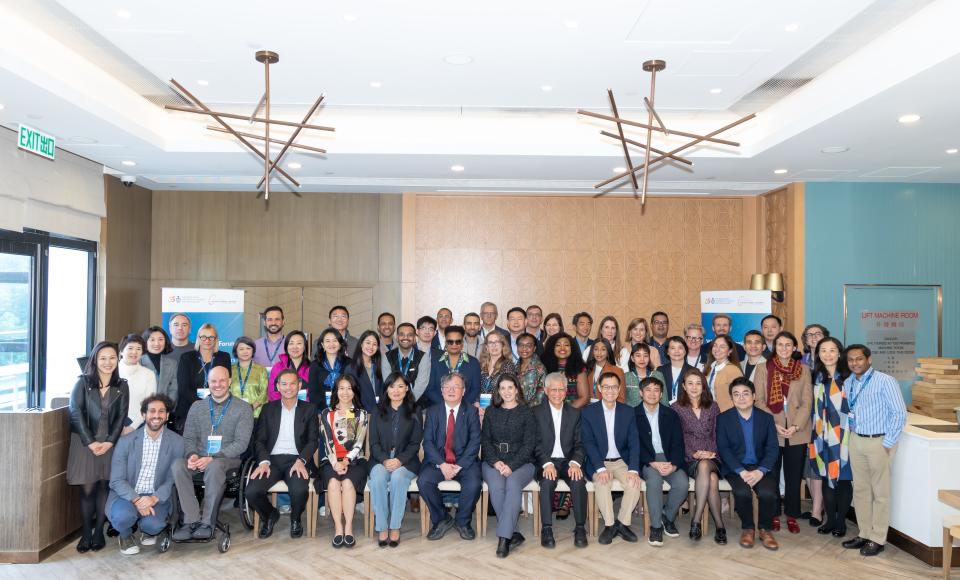
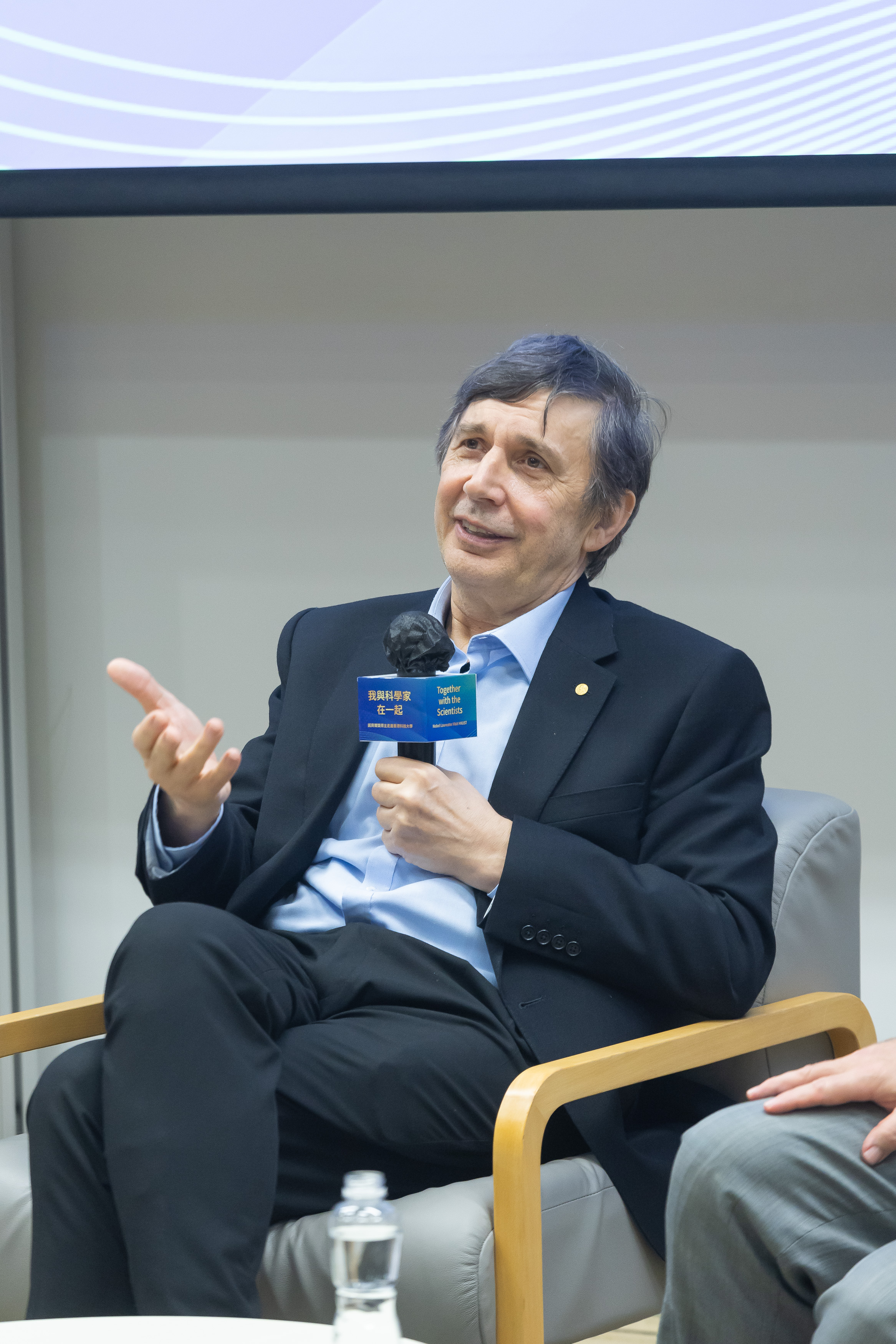
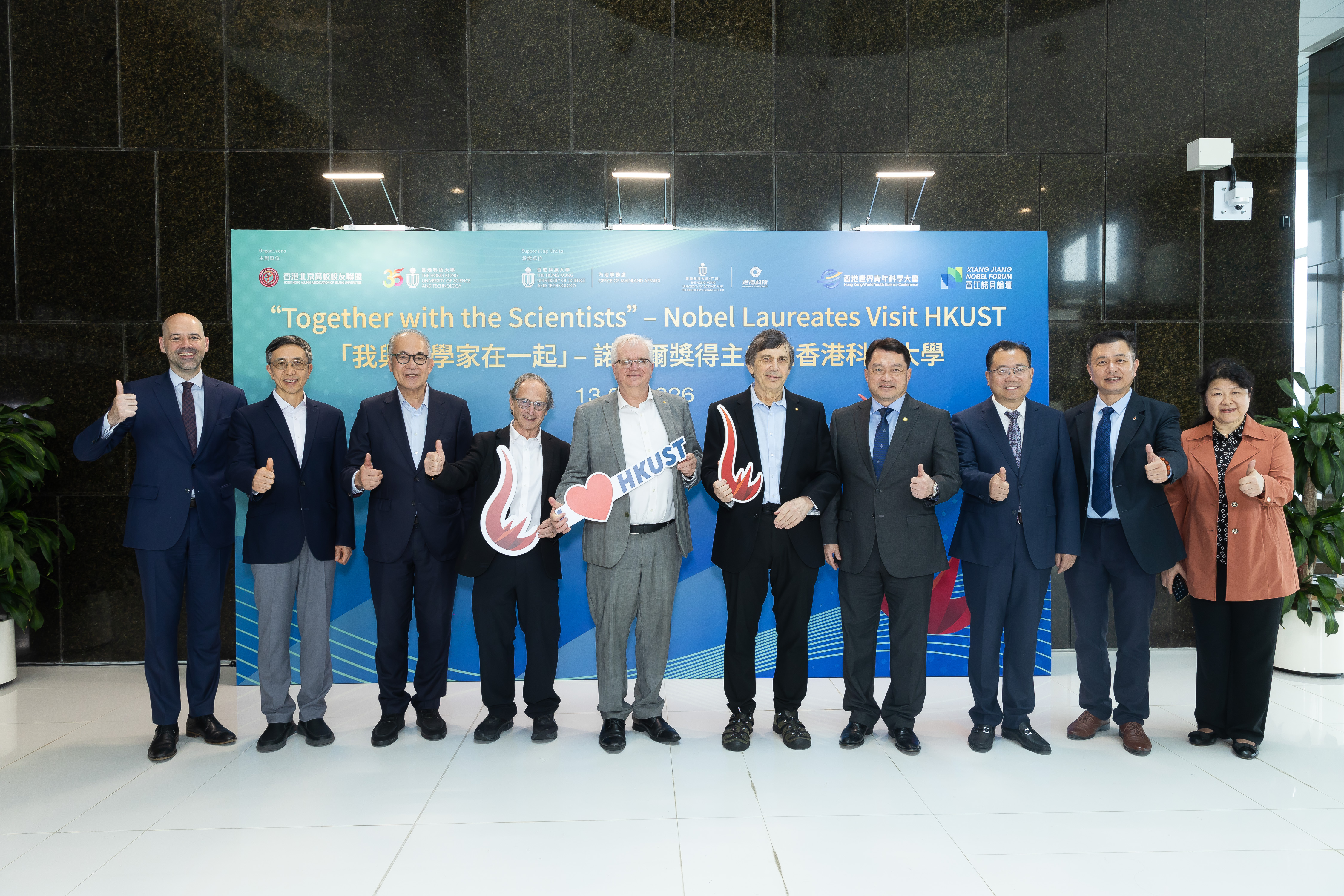
Three Nobel laureates engaged in a lively discussion on research and careers with the HKUST community at the "Together with Scientists" — Nobel Laureates Visited HKUST” event organised by the Hong Kong Alumni Association of Beijing Universities and HKUST on April 13.
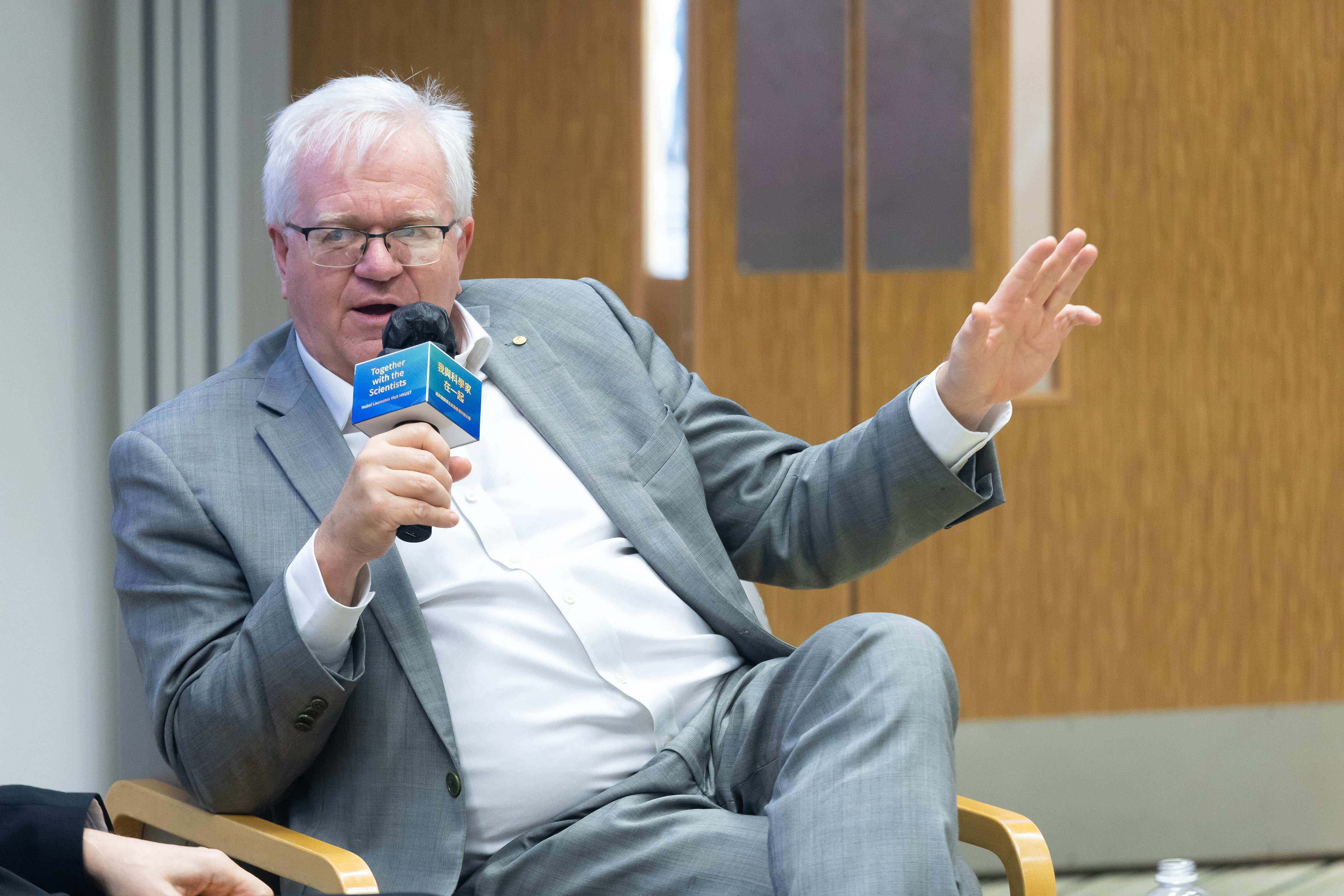
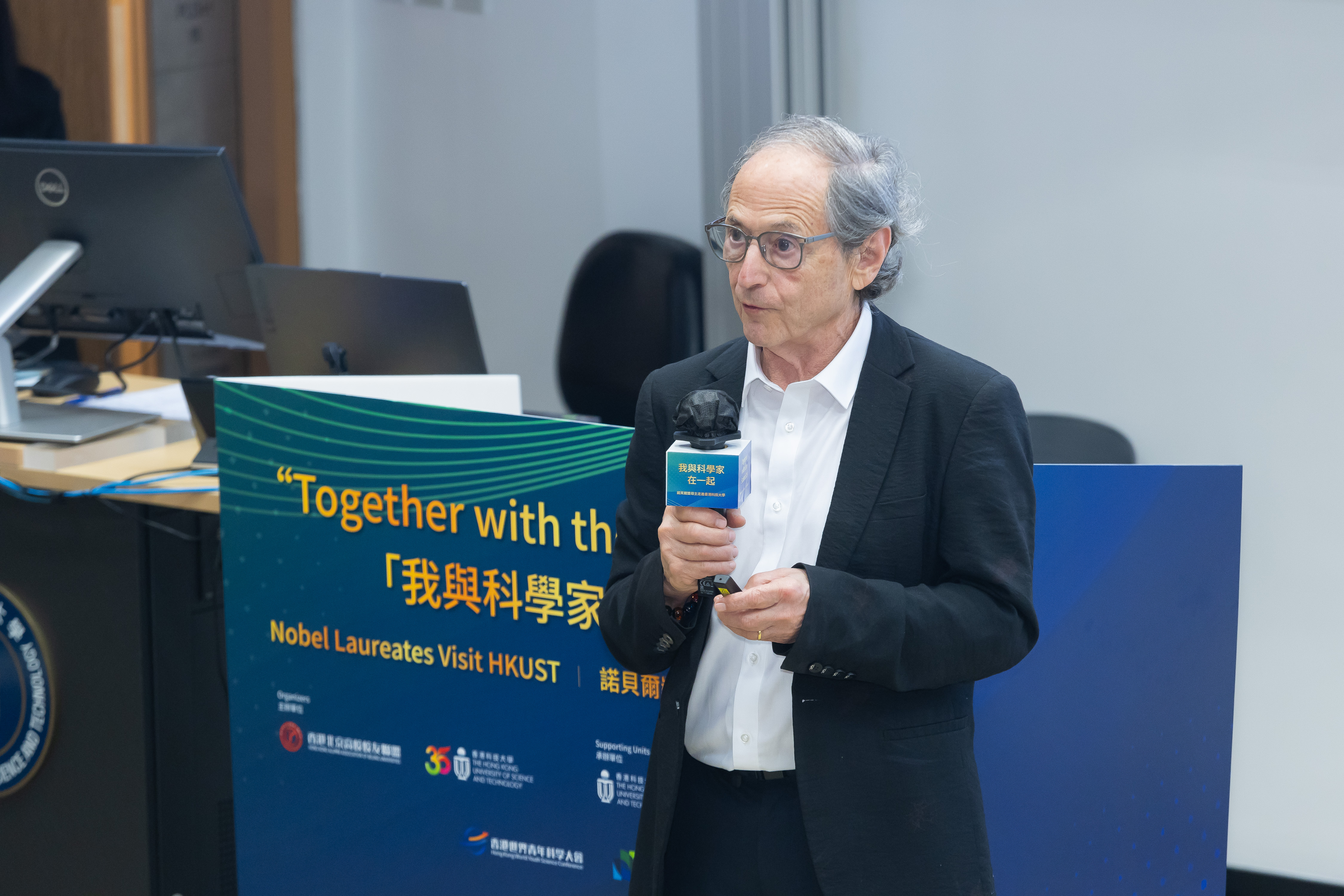
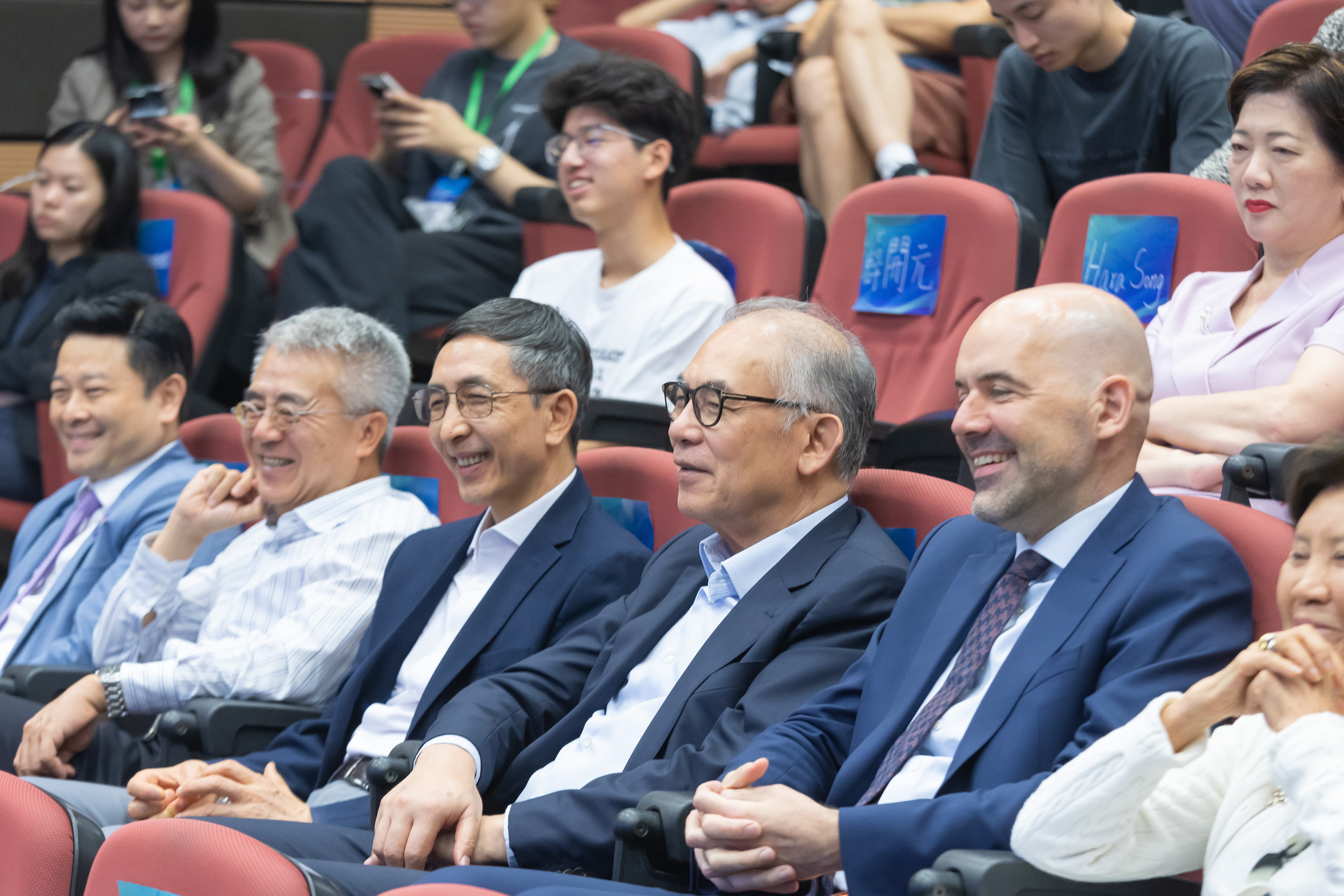
AI is going to blur the boundaries between academic disciplines and encourage a trend towards interdisciplinary learning that will transform higher education, according to three Nobel laureates visiting HKUST earlier this month.
But individuals must maintain control over AI or risk being overshadowed by it, the three speakers advised the packed-out audience at a forum titled "Together with Scientists: Nobel Laureates Visit HKUST."
This was one of several insights offered by Prof. Andre GEIM, 2010 Nobel Laureate in Physics, Prof. Brian SCHMIDT, 2011 Nobel Laureate in Physics, and Prof. Michael LEVITT, 2013 Nobel Laureate in Chemistry, at the forum held at the IAS Lecture Theater in front of an energized 120 students, faculty, and alumni.
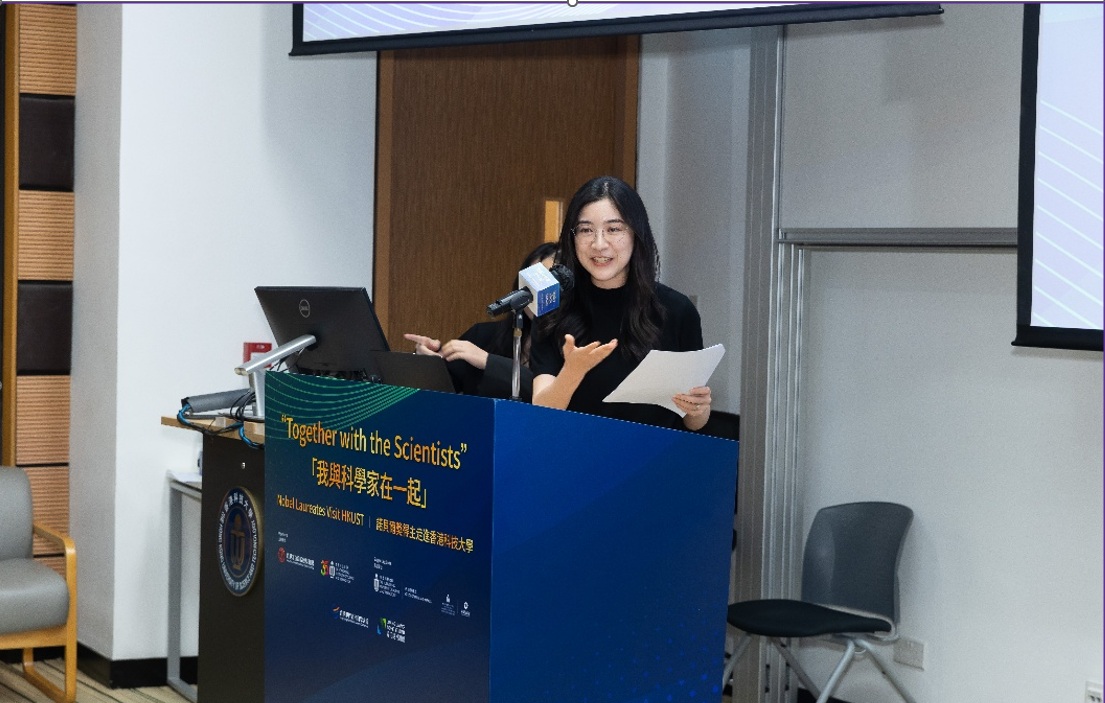
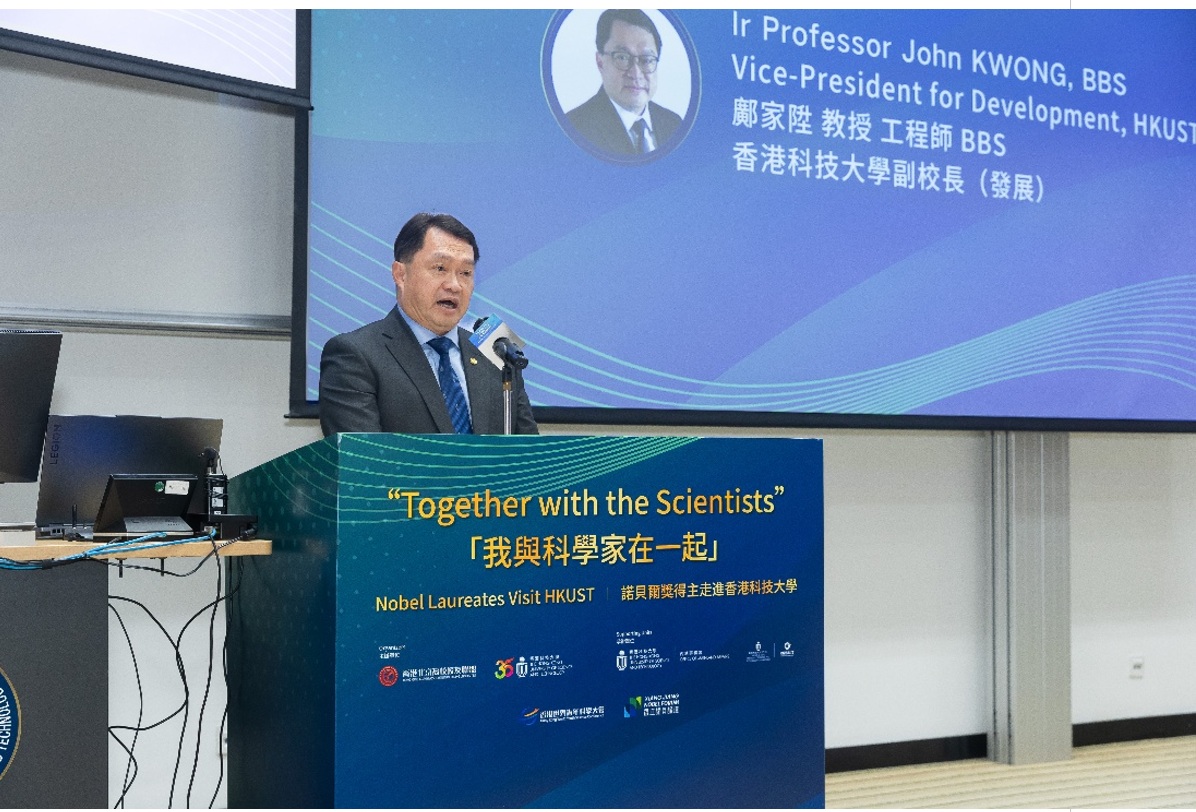
Welcoming all three laureates, Ir. Professor John KWONG, Vice-President for Development, HKUST, said the lecture served as an excellent platform for highlighting the role of interdisciplinary studies and enduring knowledge at HKUST during its 35th anniversary year.
In the highly engaging discussion, moderated by Prof. Bonnie ZHU of the School of Engineering, HKUST, the three speakers discussed their frontier research, AI in general, and stories from their careers.
Science Originates from Inquiry
Drawing on their research and the latest discoveries in their respective fields, the three scholars emphasized that scientific research originates from curiosity and that diligence is essential when trying to understand complex problems.
Prof. Levitt, who was awarded his Nobel Prize for developing multiscale models for complex chemical systems, shared his insights on biochemical research, noting that breaking down barriers is often required to achieve the most cutting-edge scientific innovations.
Adding to this point, Prof. Geim, who won his Nobel Prize for his pioneering work on two-dimensional graphene materials, explained how basic research is the mother of all research.
"Whenever I speak to those politicians who control the money, I urge them that while the application of results is important, they must not forget that ultimately, everything stands on top of fundamental research,” he said. A true scholar, he added, should also not be afraid to ask questions, no matter how strange or simple they might seem.
Moreover, Prof. Schmidt, awarded the Nobel Prize for his contributions to the study of the accelerating universe, pointed out that science stems from curiosity and repeated verification, encouraging students to be brave in their explorations.
"Astronomy embodies the essence of the scientific approach. You study the topic and have an idea. Then you compare, test, and revise, so on and so forth,” Prof. Schmidt remarked.
Integrating Disciplines with AI
The three speakers agreed that AI’s rapid development was an era-defining phenomenon, especially in higher education.
"I think the situation is going to change dramatically. AI will truly blur the boundaries between all disciplines,” Professor Levitt noted.
But the three speakers shared a common message: humans should view AI prudently, as a collaborative aid rather than as a tool to rely on. That is, we should maintain control over AI rather than be controlled by it.
"In the past few months, the changes in AI have been very rapid. It has sort of moved from being a dumb peer to a useful one,” said Professor Schmidt. “But when I talk to students about AI, I always remind them that if they treat AI as a crutch, then anyone can use it as a crutch, and they will eventually be left behind."
Scholarly Quest Requires Both Breadth and Depth
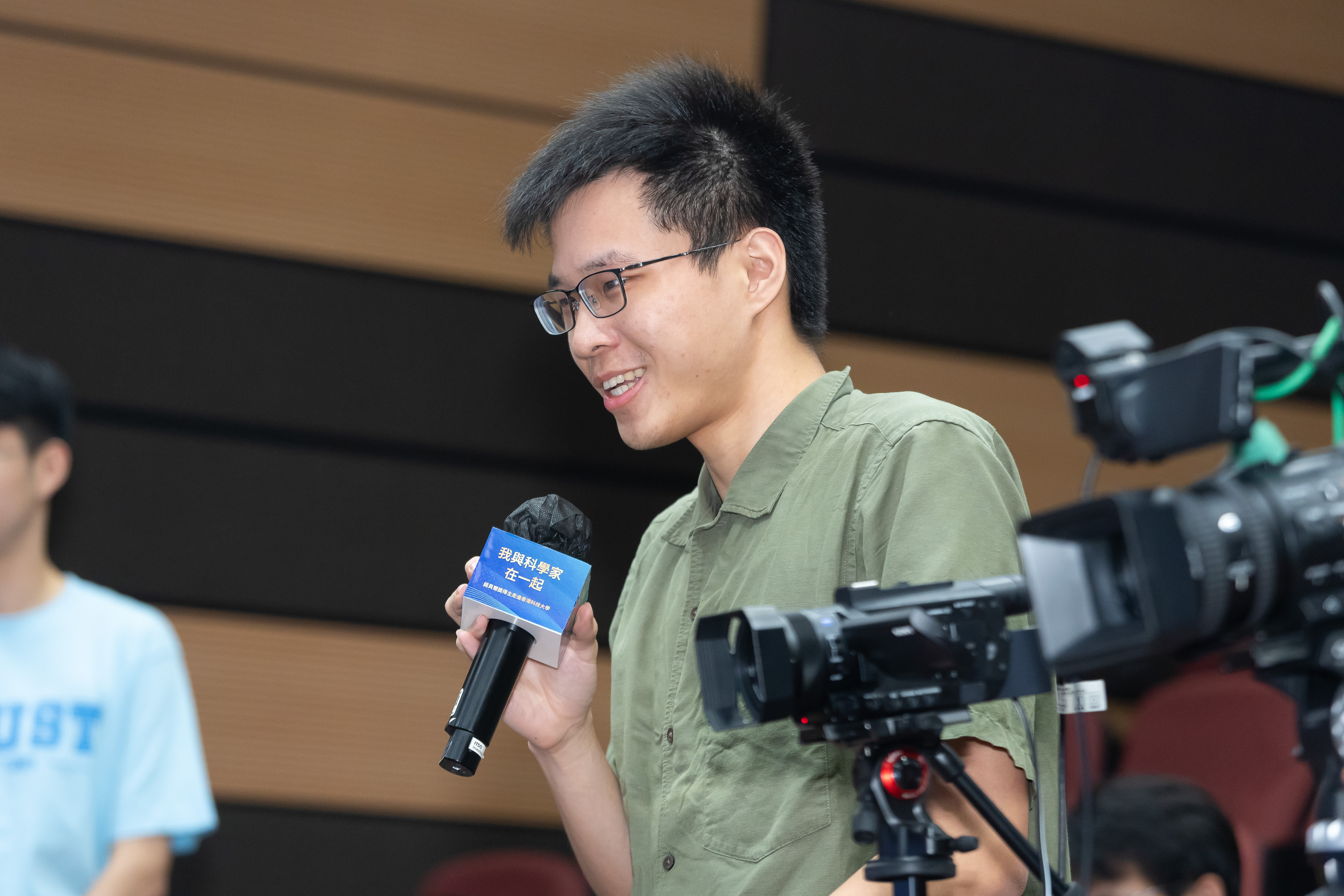
During the lively discussion, students in the audience were especially interested in the three scholars’ views on research and interdisciplinary learning in the age of AI. They were keen to know how they choose their research topics, their views on research as a career, and their learning methodologies.
In response, the three scholars said it was important to broaden your horizons, ask questions about the issues you are most interested in, and then deep dive into your target areas.
Professor Geim specifically advised students to view their research as a hobby, not just a job, if they are to gain the maximum rewards over time.
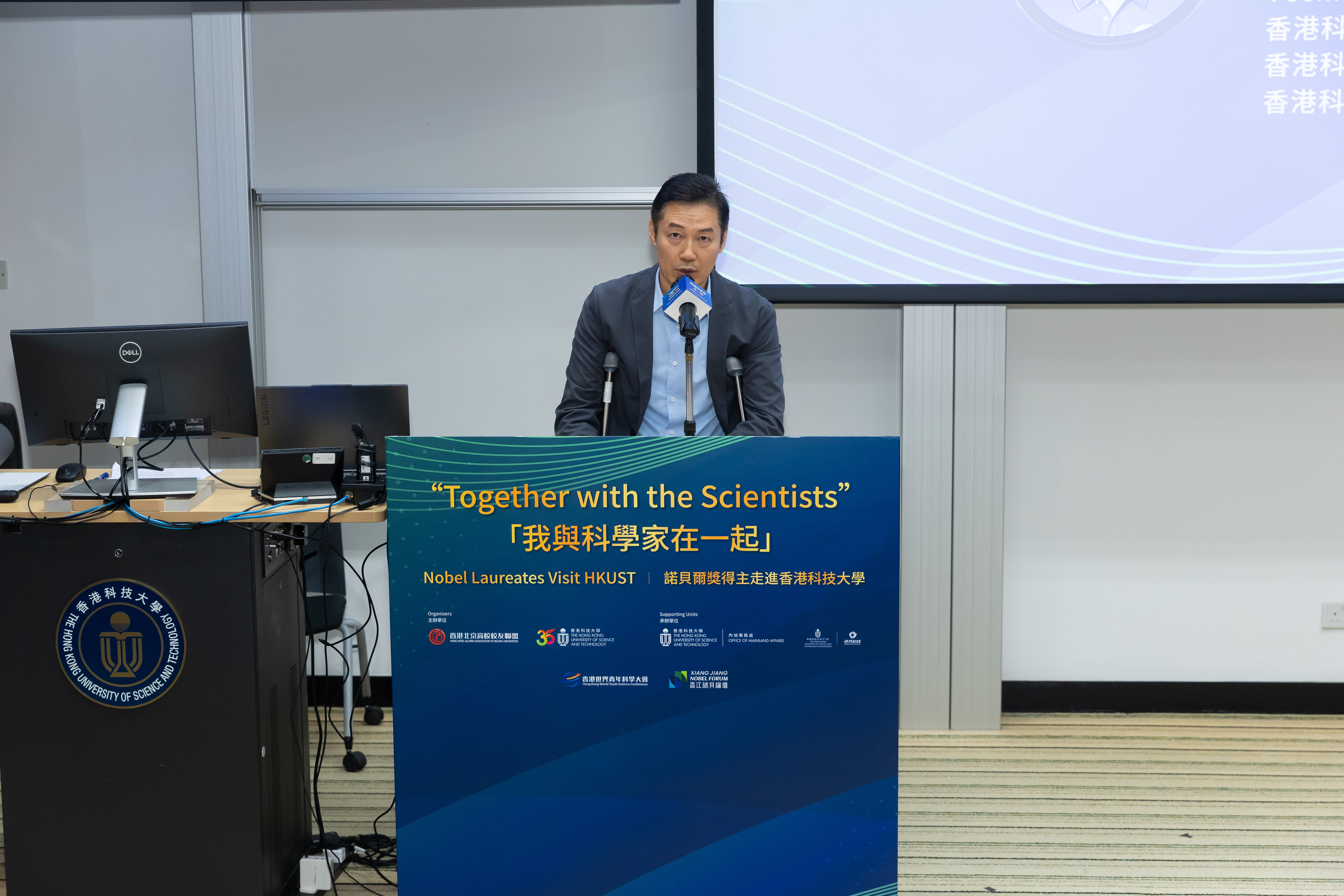
Mr. Jason CHEN, HKUST alumnus and President of the HKUST Shenzhen Alumni Chapter, thanked the three scholars for their invaluable visit to HKUST, highlighting how the forum had inspired students to seek knowledge and pursue excellence.。
HKUST students and faculty interested in participating in future Nobel Laureate forums are encouraged to stay tuned for announcements.