


Collective Action, Global Impact: HKUST Ranks Top 20 for Sustainability Impact and Brings Its Vision to GSDC 2026
Climate change, urban resilience, biodiversity loss — three challenges in three different fields, but one shared truth: no single institution, sector, or region can solve any of these problems alone.
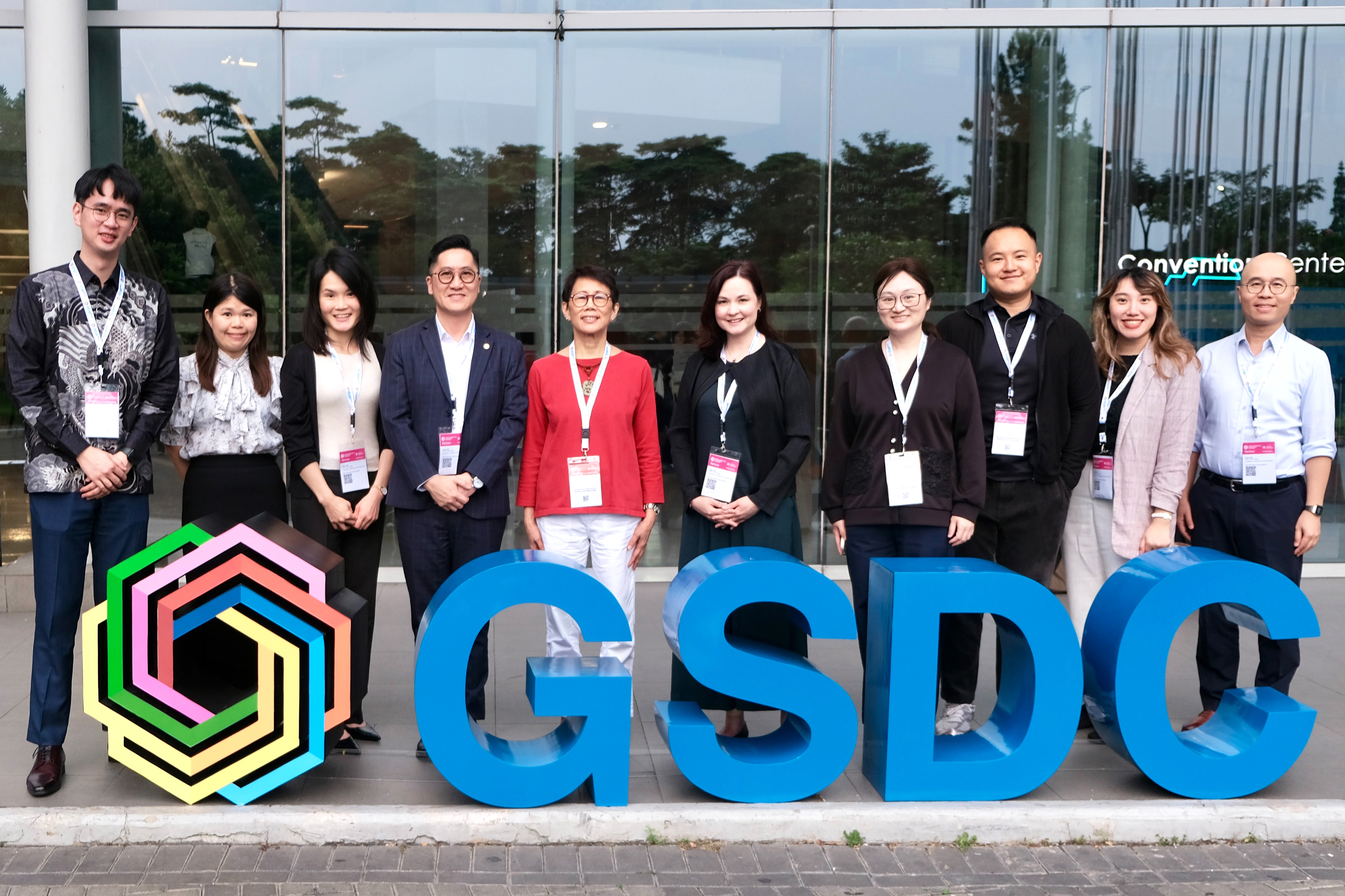
That conviction anchored this year's Global Sustainability Development Congress (GSDC), with HKUST serving as the sole Future Health Partner.
GSDC brought together leaders from higher education, government, business, and civil society in Jakarta, Indonesia, from 22 to 25 June.
Organized by Times Higher Education, this annual congress has become one of the world's foremost platforms for advancing the United Nations Sustainable Development Goals (SDGs), turning ambition into action through dialogue, partnership, and innovation.
World’s Top 20 for Sustainability Impact
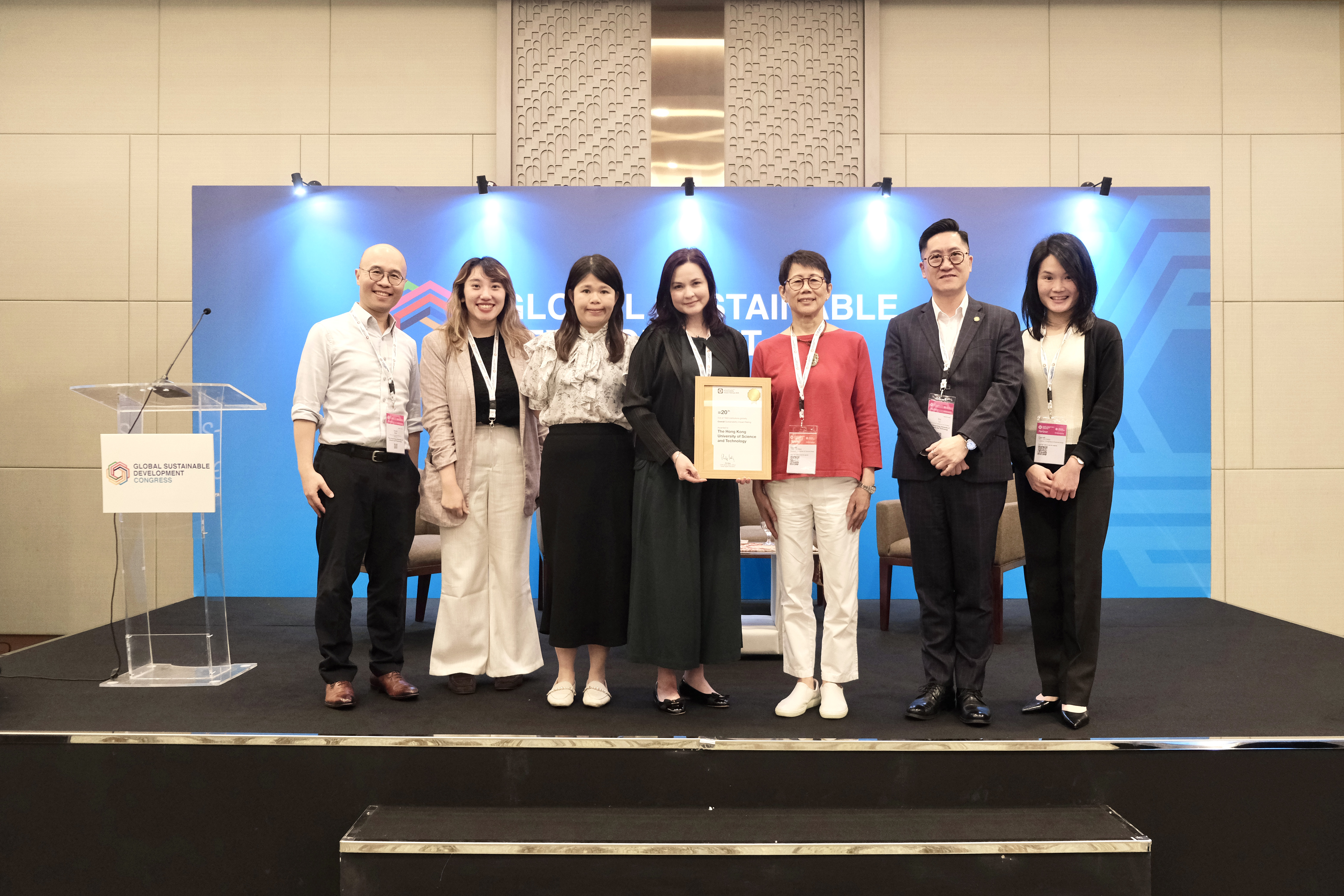
GSDC also marked the announcement of the newly relaunched Times Higher Education Sustainability Impact Ratings 2026 – the world’s most comprehensive framework for evaluating universities’ social and economic impact against SDGs.
This year, HKUST ranked 20th globally, and for the third consecutive year, it was also No. 1 among universities in Hong Kong and the Chinese Mainland. The result reflects HKUST’s outstanding performance across multiple SDGs, and recognizes our excellence in embedding sustainability into teaching, research, and collaboration with industry and the community.
HKUST has long been committed to translating research breakthroughs into practical solutions to address global challenges. Last year, the University received approval from the Ministry of Science and Technology of the People’s Republic of China to establish the State Key Laboratory of Climate Resilience for Coastal Cities. In addition, multiple HKUST research initiatives have been recognized by the United Nations Educational, Scientific and Cultural Organization (UNESCO), and endorsed under the UN Decade of Ocean Science for Sustainable Development (2021–2030) and the UN International Decade of Science for Sustainable Development (2024–2033).
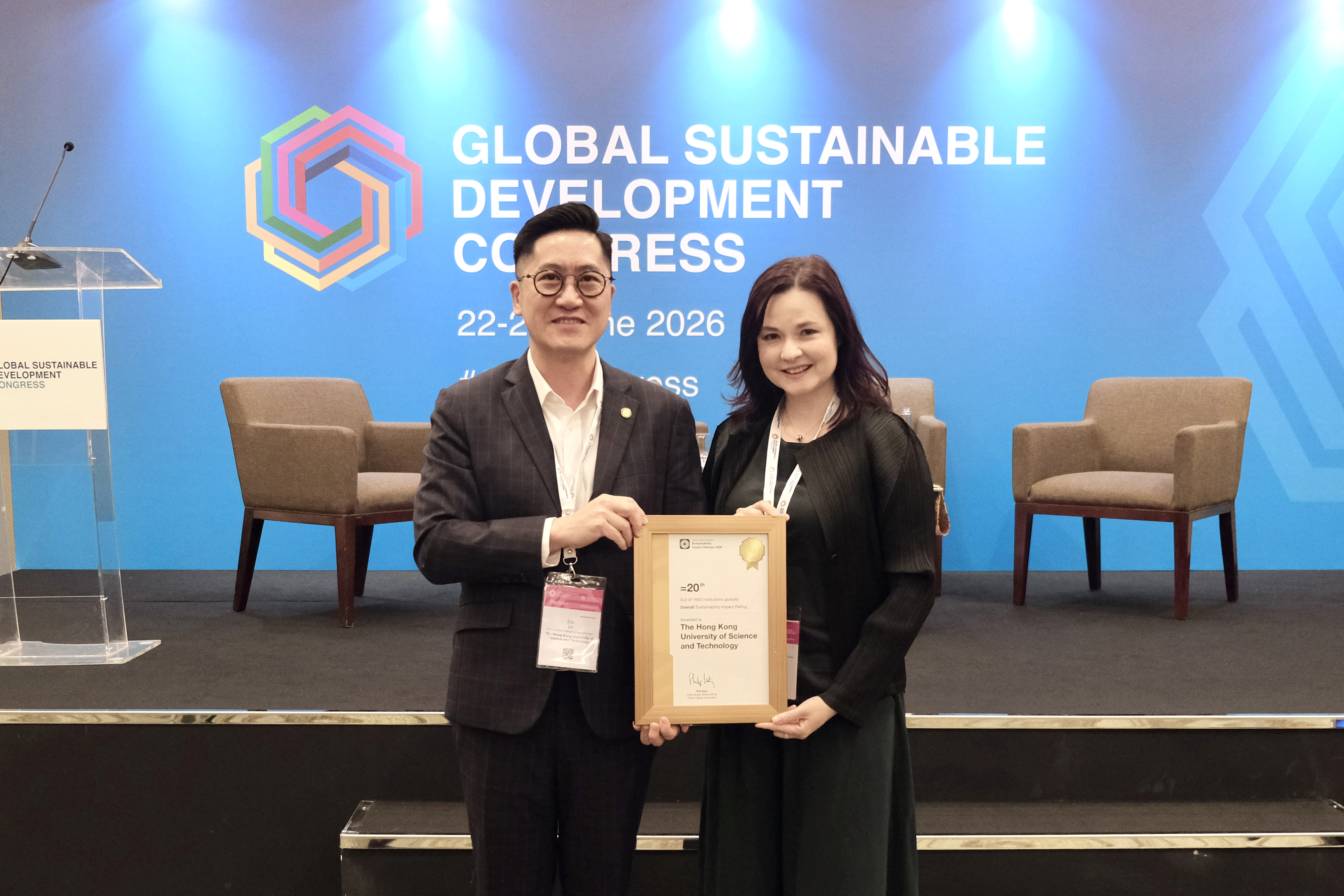
The HKUST commitment to GSDC
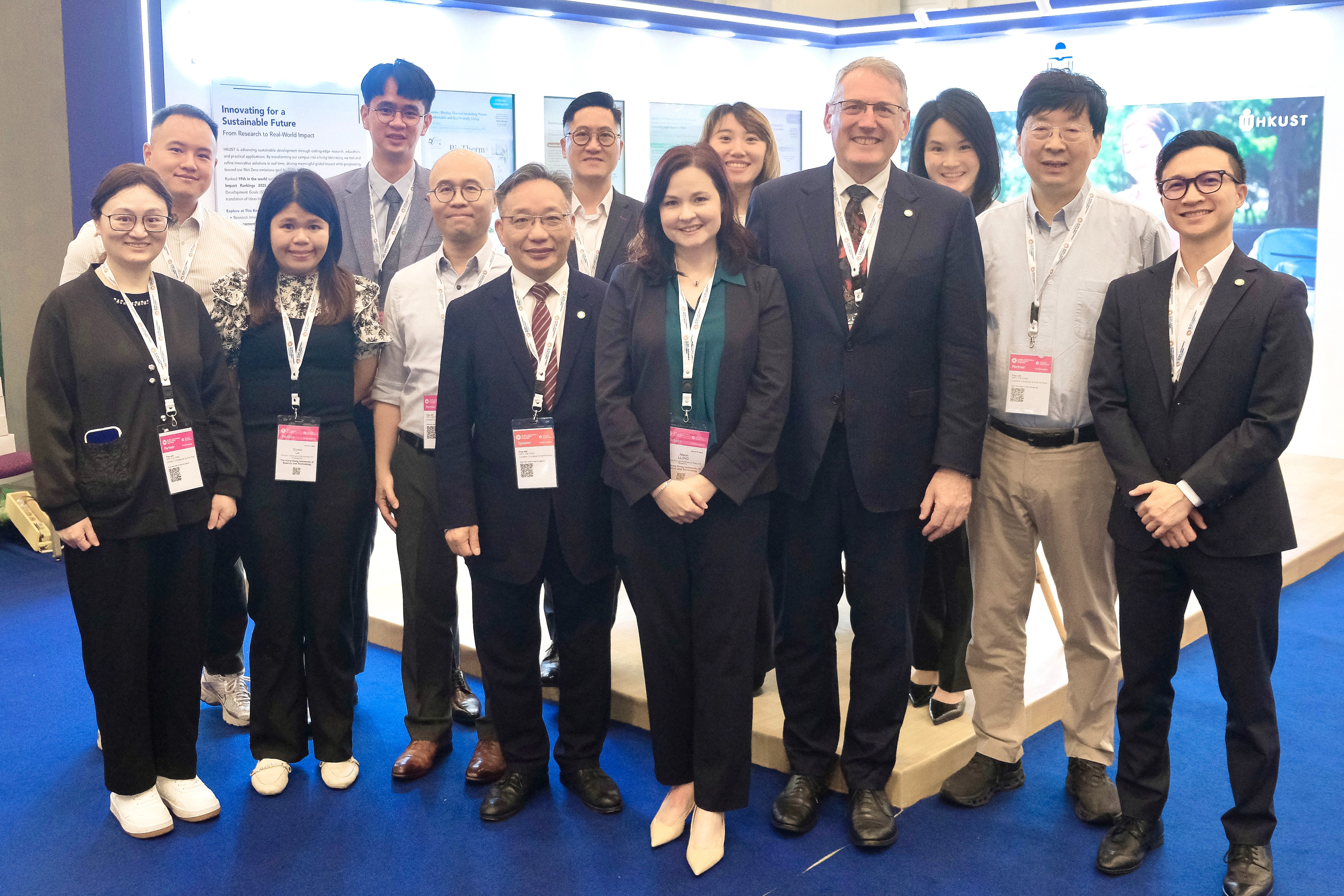
Under the theme, "Collective Action for a Sustainable Future," HKUST took to the stage for three sessions spanning healthcare education, urban innovation, and biodiversity conservation. These three fields were united by the same shared task: how do you take an idea from the lab, the classroom, or the campus, and turn it into something that works at the scale of a city, a healthcare system, or even a planet?
HKUST also brought that question to its booth, where a digital exhibition of ten research projects gave delegates a firsthand look at the answers already taking shape.
Reimagining the doctors of tomorrow
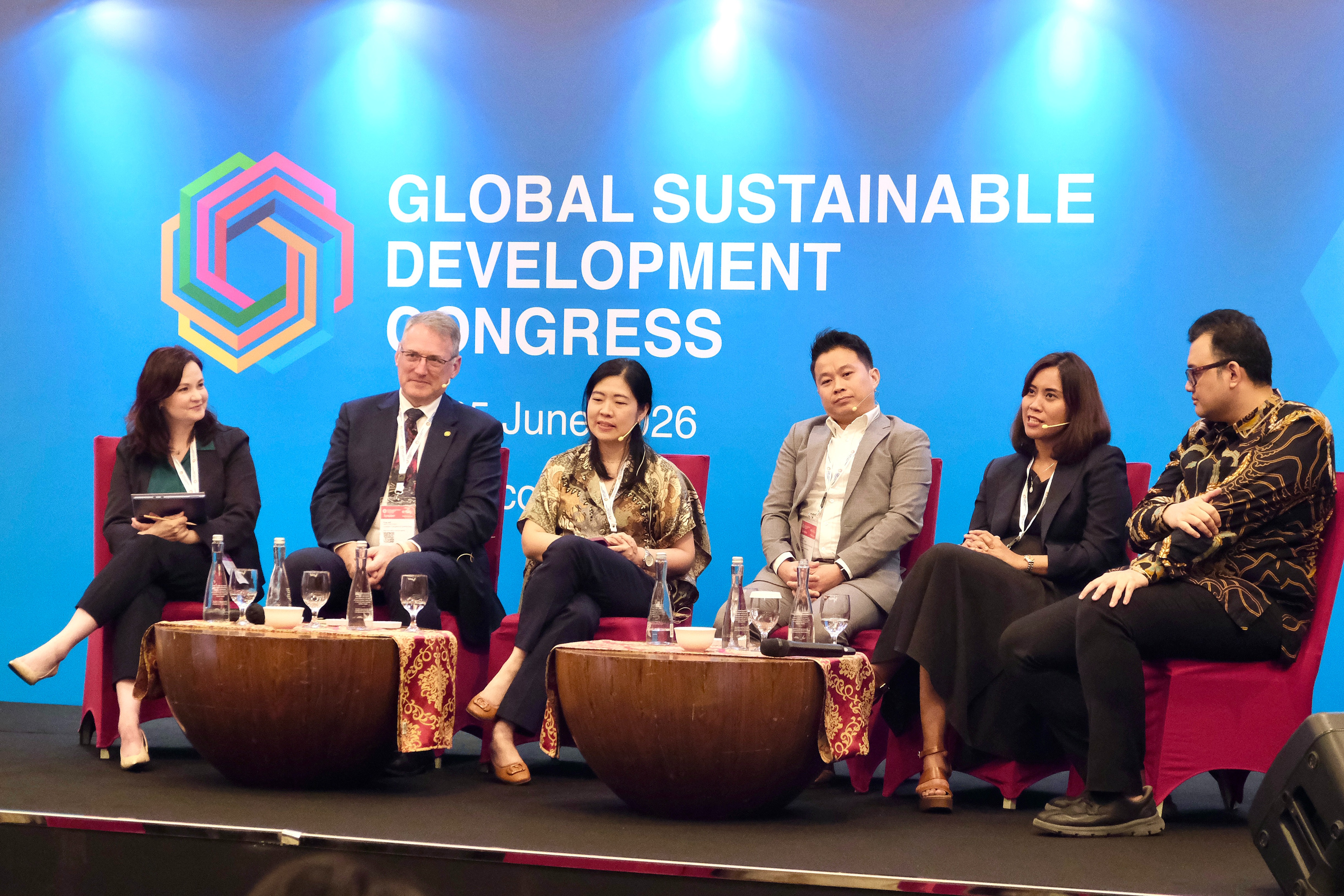
Medicine is entering a new era that’s shaped by AI, digital health, and precision diagnostics. It is no longer just about how to treat patients, but how to train the people who will.
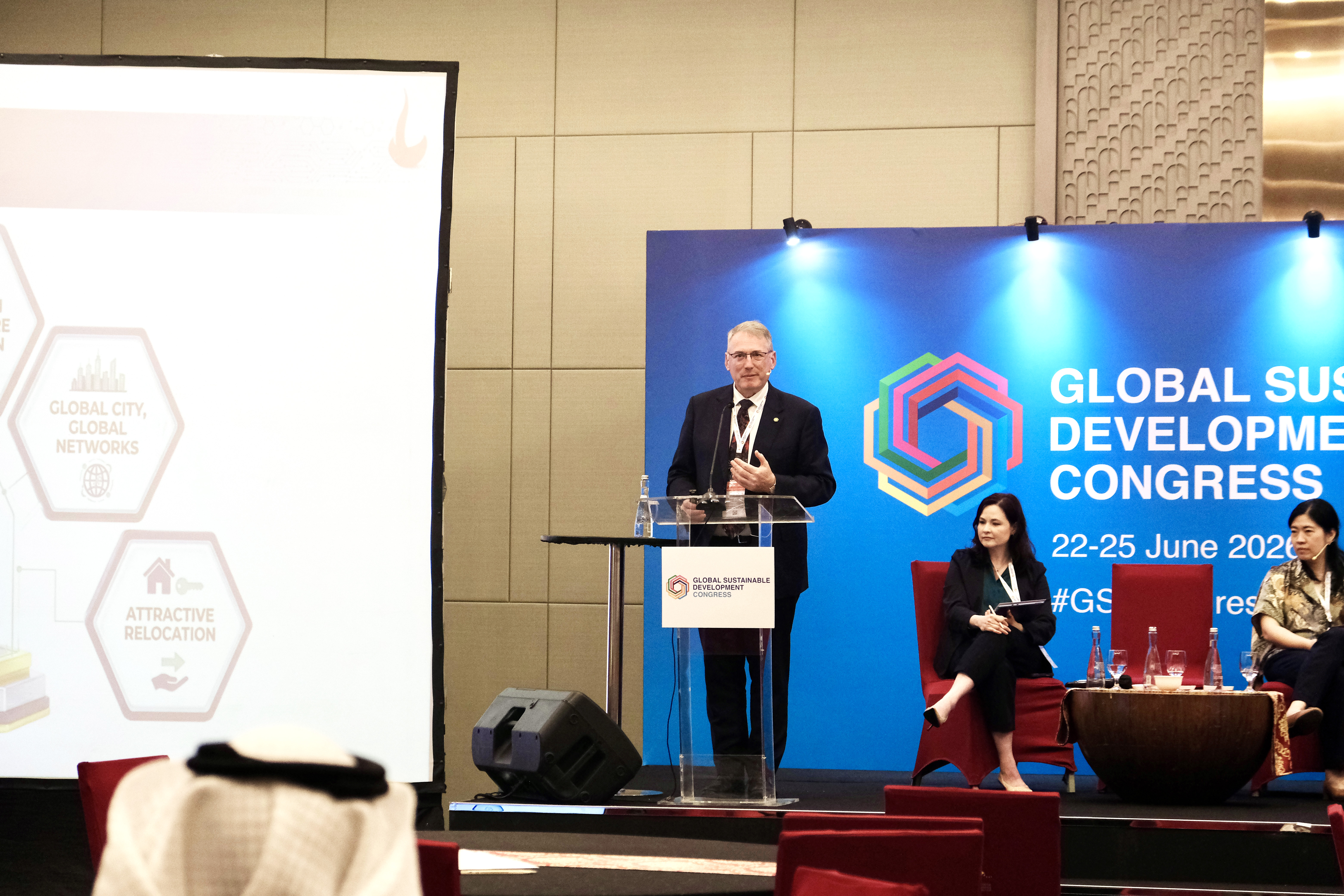
In his session, “Smart learning for smarter healthcare: Training the next generation of tech-savvy health professionals,” Prof. Russell GRUEN, HKUST’s Associate Provost (Health and Medical Sciences), Chair Professor and the University’s first Clinical Professor, put that question to the audience: what competencies will tomorrow’s healthcare workforce actually need?
His answer centered on the plans for Hong Kong’s third medical school, which HKUST is building from the ground up as a future-oriented model that weaves emerging technologies into rigorous clinical training. The goal isn’t simply to produce doctors who are comfortable with technology, but graduates who can adapt, collaborate across disciplines, and help drive the changes in reshaping healthcare.
And that ambition doesn’t stop at curriculum design. Earlier this year, as Prof. Gruen said in his talk, HKUST signed a memorandum of understanding with Microsoft Research Asia to co-develop AI-driven medical pedagogies and explore smarter, more connected models of care. This is one of several partnerships the University has forged as it builds a medical school designed for the realities of digital-era healthcare.
Turning campuses into “living labs”
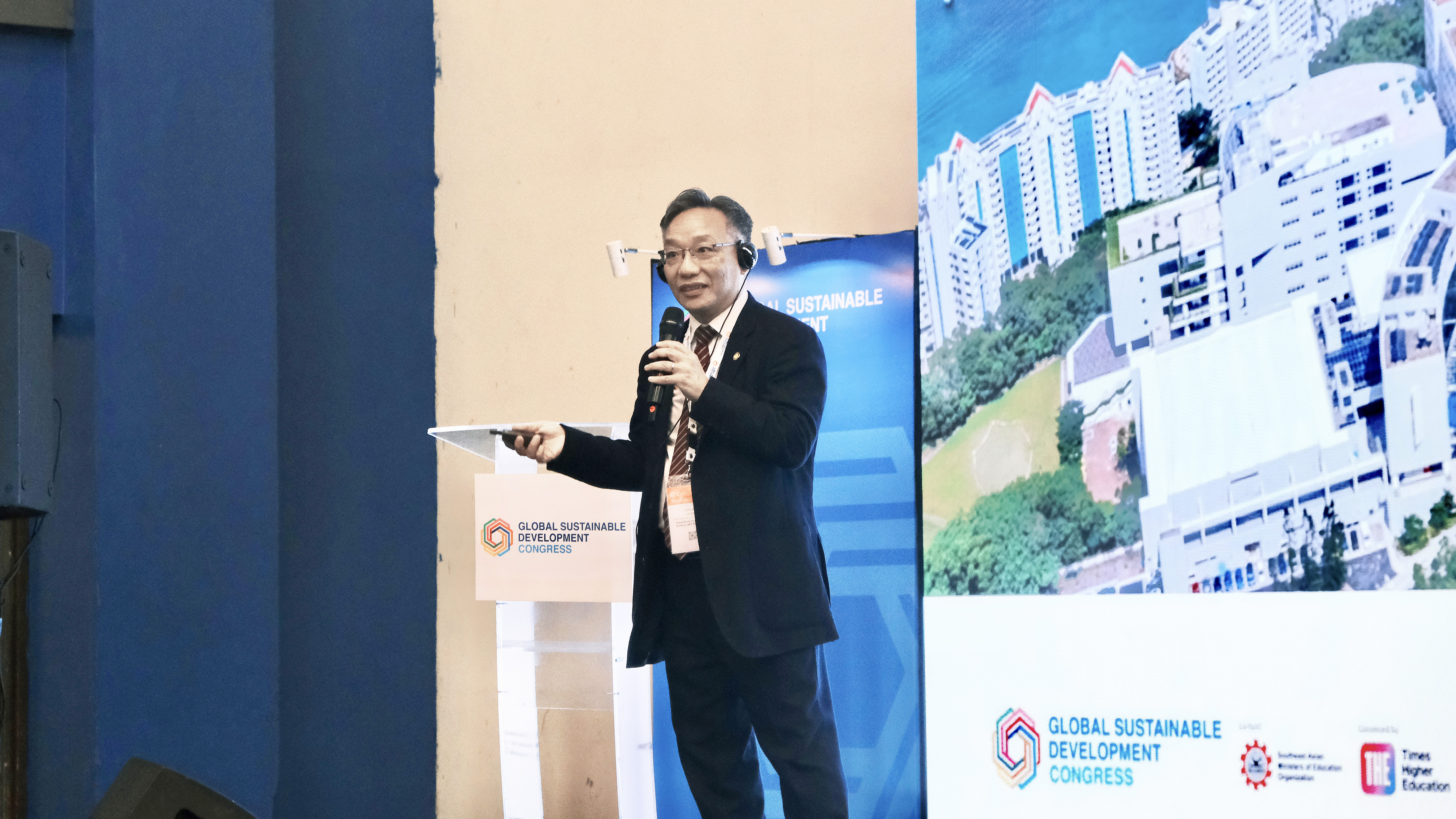
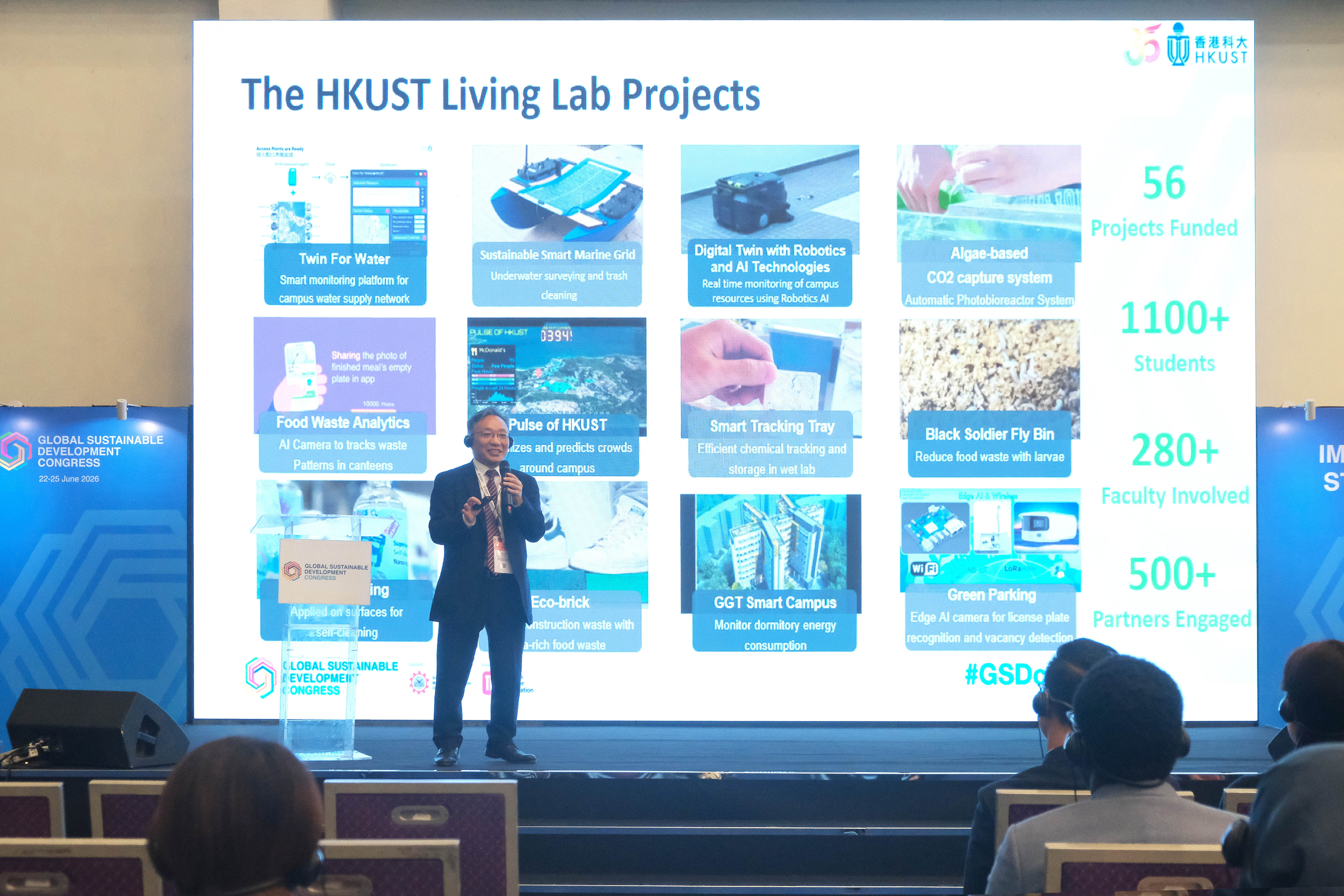
Universities have long been places where ideas are tested. Increasingly, they are also where solutions are piloted, at a scale small enough to learn fast and large enough to matter.
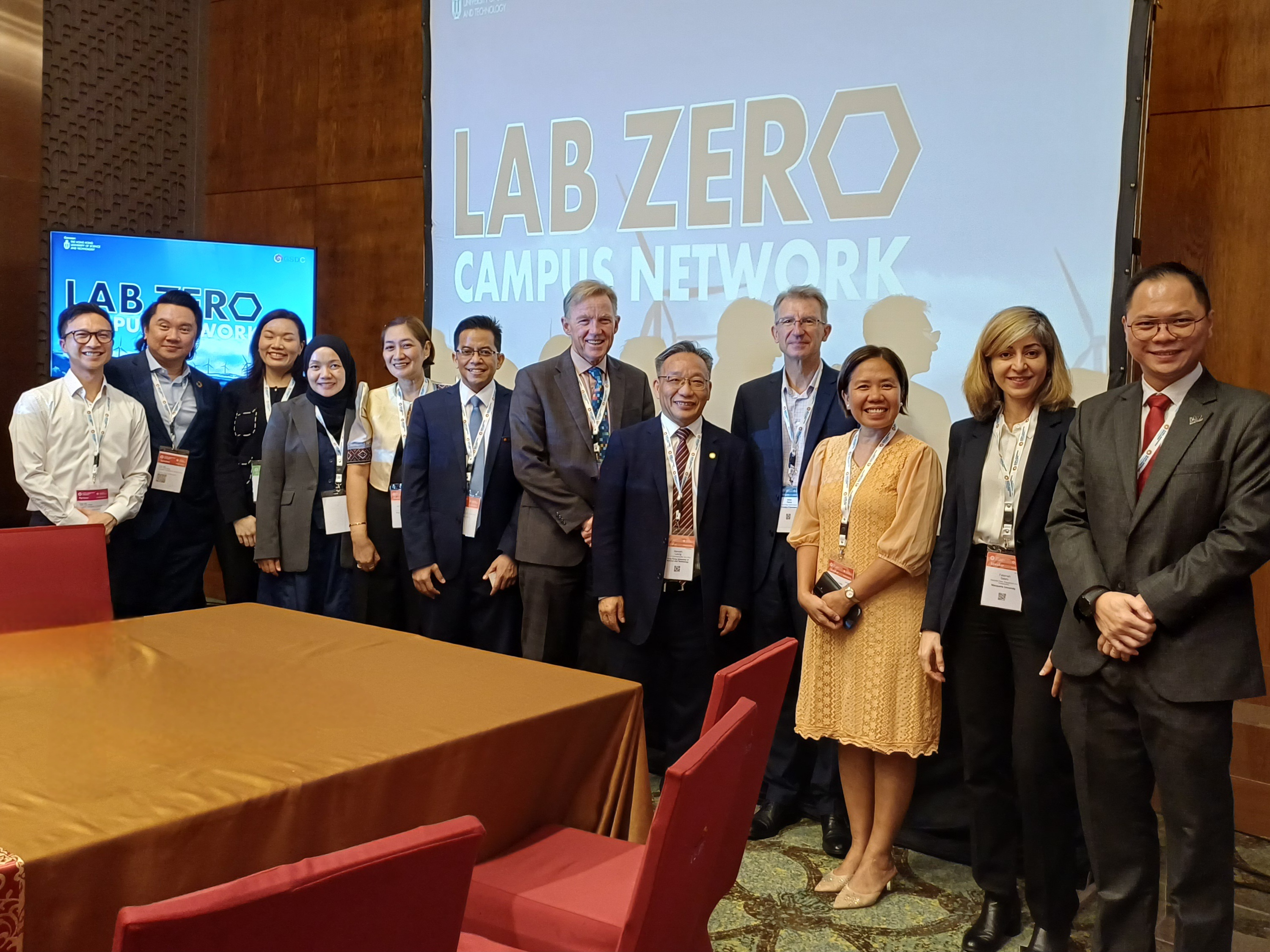
In his presentation, “From campus to city: How cross-sector collaboration accelerates sustainability innovation in our cities,” Prof. Kenneth LEUNG, Director of HKUST’s Sustainability/Net-Zero Office, made the case for universities as catalysts for change well beyond their gates.
Using HKUST’s own experience as a case in point, Prof. Leung showed how partnerships between academia, industry, and government can accelerate the development and adoption of sustainability solutions. A pilot project that starts as an experiment in energy use or waste management, he explained, can go on to influence public policy, shift behaviors, and contribute to more resilient, sustainable cities by design.
Putting technology to work for nature
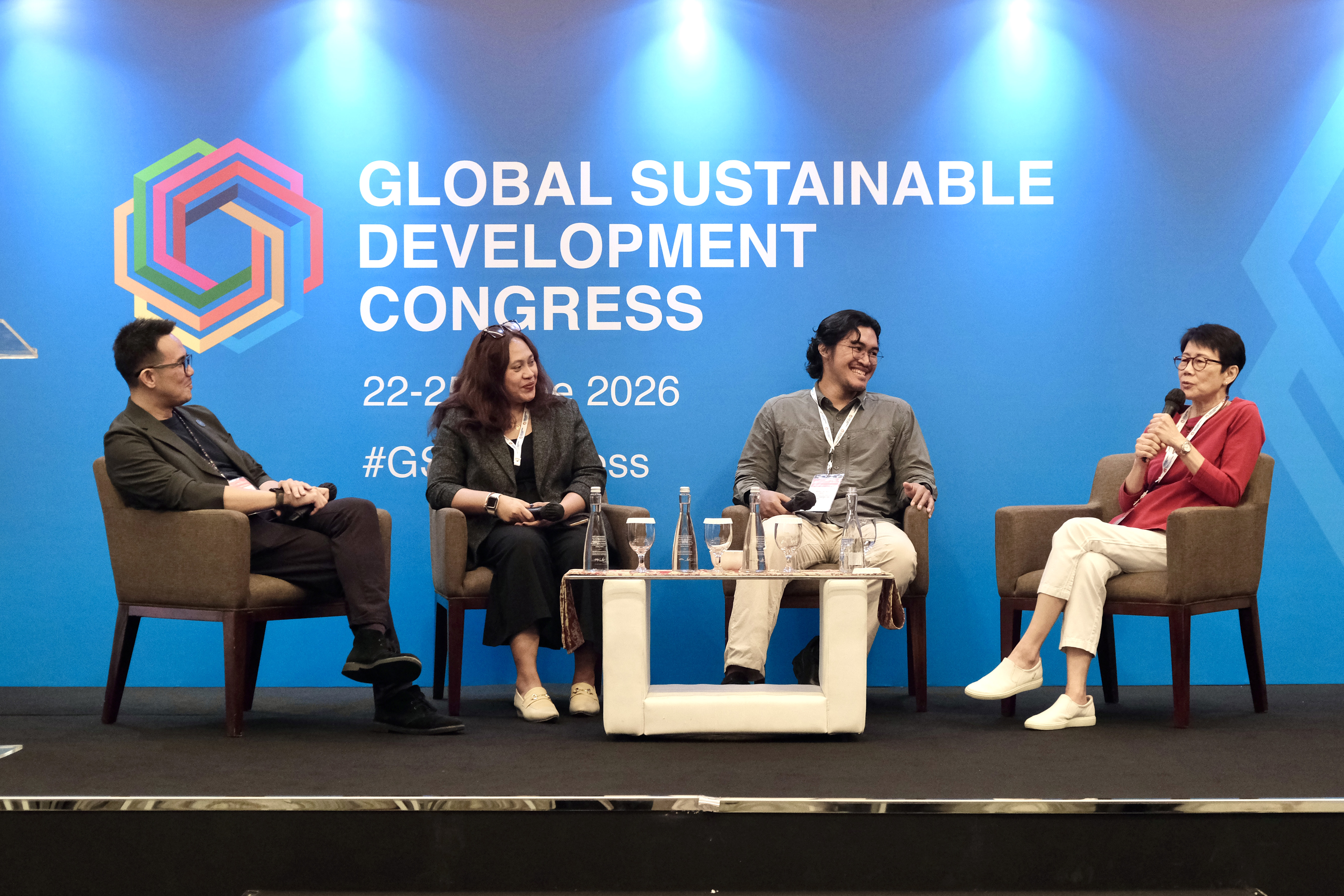
The conversations in Jakarta also turned towards another urgent challenge: protecting the natural systems that every community and economy ultimately depends on.
Prof. Christine LOH, Chief Development Strategist at HKUST’s Institute for the Environment, joined experts from universities, industry, government agencies, and NGOs for the panel discussion, “Leveraging the latest research and technology to support environmental sustainability and biodiversity conservation.”
The panel explored how AI, satellite imaging, drones, and environmental DNA are transforming what's possible in conservation, allowing researchers to track species, monitor habitats, and respond to ecological threats in close to real time.
But the technology, the panel agreed, is only half the story. Translating scientific breakthroughs into effective conservation strategies depends on stronger partnerships among researchers, policymakers, and communities, particularly in fast-developing regions, where environmental protection and economic growth need to advance together, rather than as competing priorities.
Highlighting solutions on the ground
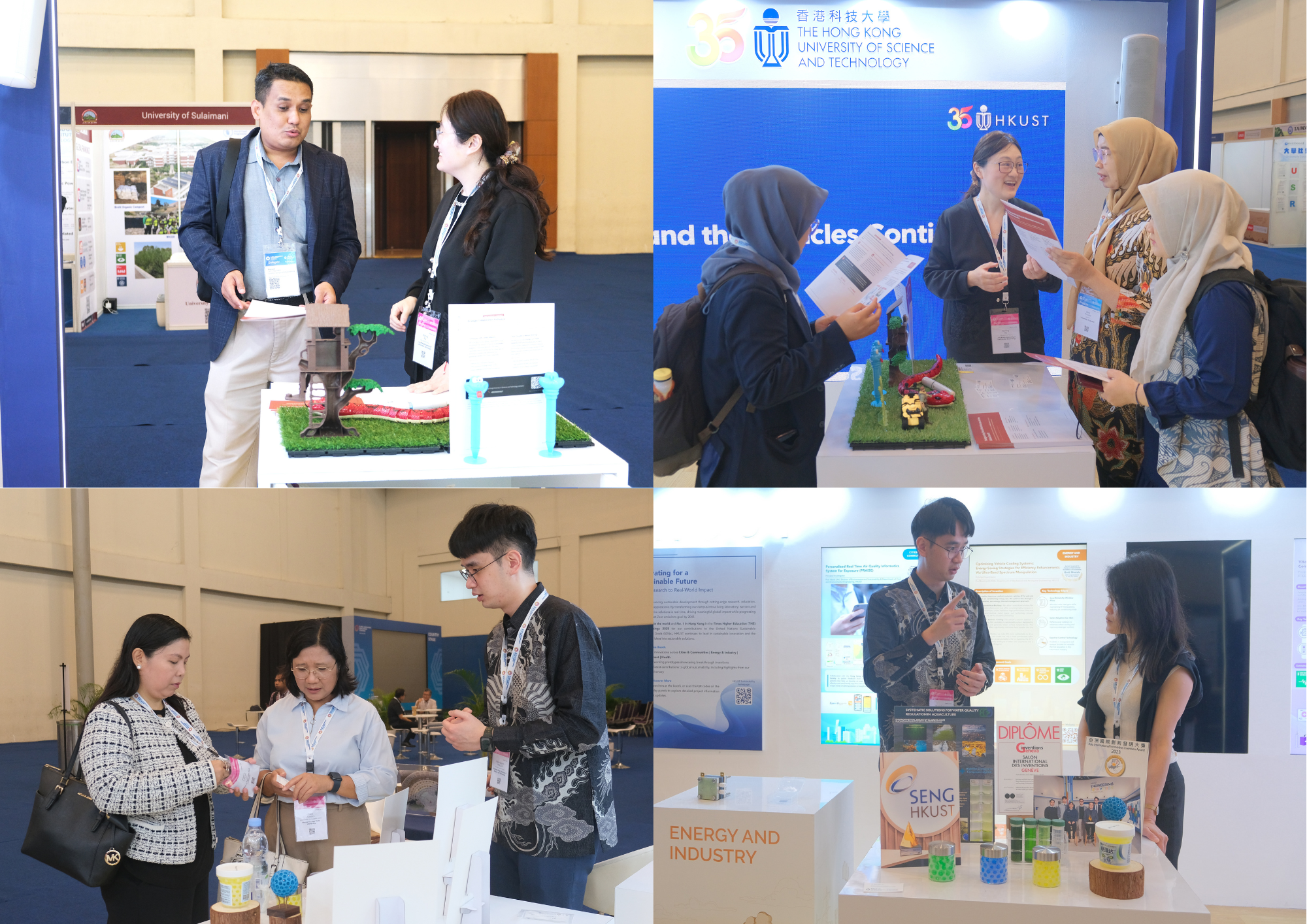
Away from the main stage, HKUST’s booth at the congress became another hub for exchange, showcasing research that’s already moving from the lab into the world.
Of the 10 sustainability-related projects featured in the University’s digital exhibition, three teams traveled to Jakarta to present their work in person, each tackling a different piece of the sustainability puzzle, from clean water to clean energy to public health:
- Methods of Preparing Inorganic Matrices for Dosing Dissolvable Sodium Chlorite for Controlling Algal Growth in Water
Principal Investigator (PI): Prof. King-lun YEUNG; Presented by Mr. Malvin PAMUDJI
- Low Cost and Long-Life Hydrogen Fuel Cells Powered by Super Catalysts
PI: Prof. Minhua SHAO; Presented by Mr. Gongjin CHEN
- Next-Generation Recombinant Antivenom for Snakebite Envenoming Treatment, Prevention, and Diagnosis
PI: Prof. Guang ZHU; Presented by Dr. Naining XU and Prof. Guang ZHU
What collective action looks like
By the end of GSDC 2026, one thing was clear: the path from concept to impact runs through partnerships between disciplines, sectors, and the institutions and communities working to put innovation into practice.
For HKUST, being part of that conversation was both an opportunity and a privilege. Alongside leading thinkers, policymakers, and practitioners from around the world, the HKUST delegation shared not just research findings but real, lived experience from building, testing, and learning on its own campus. It’s proof that collective action isn’t a distant ideal. It’s already underway.