

720-Degree Care: Prof. Dit-Yan Yeung’s 35-year HKUST Odyssey
Lasting connections forged with students and the opportunity to inspire young minds are as important as scholarly achievements, says Prof. Dit-Yan Yeung, the first faculty member to receive HKUST’s 35-year Long Service Award.
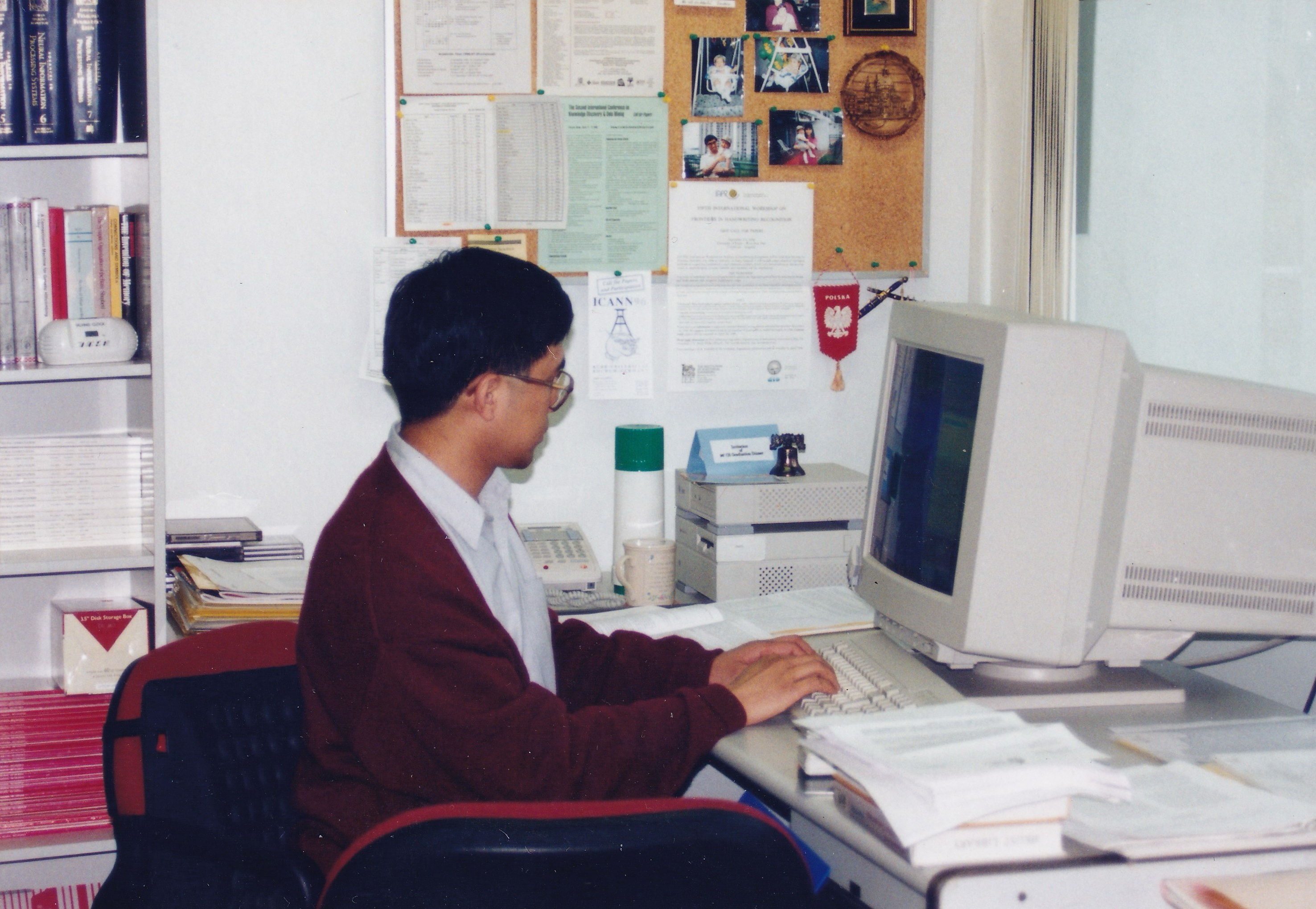
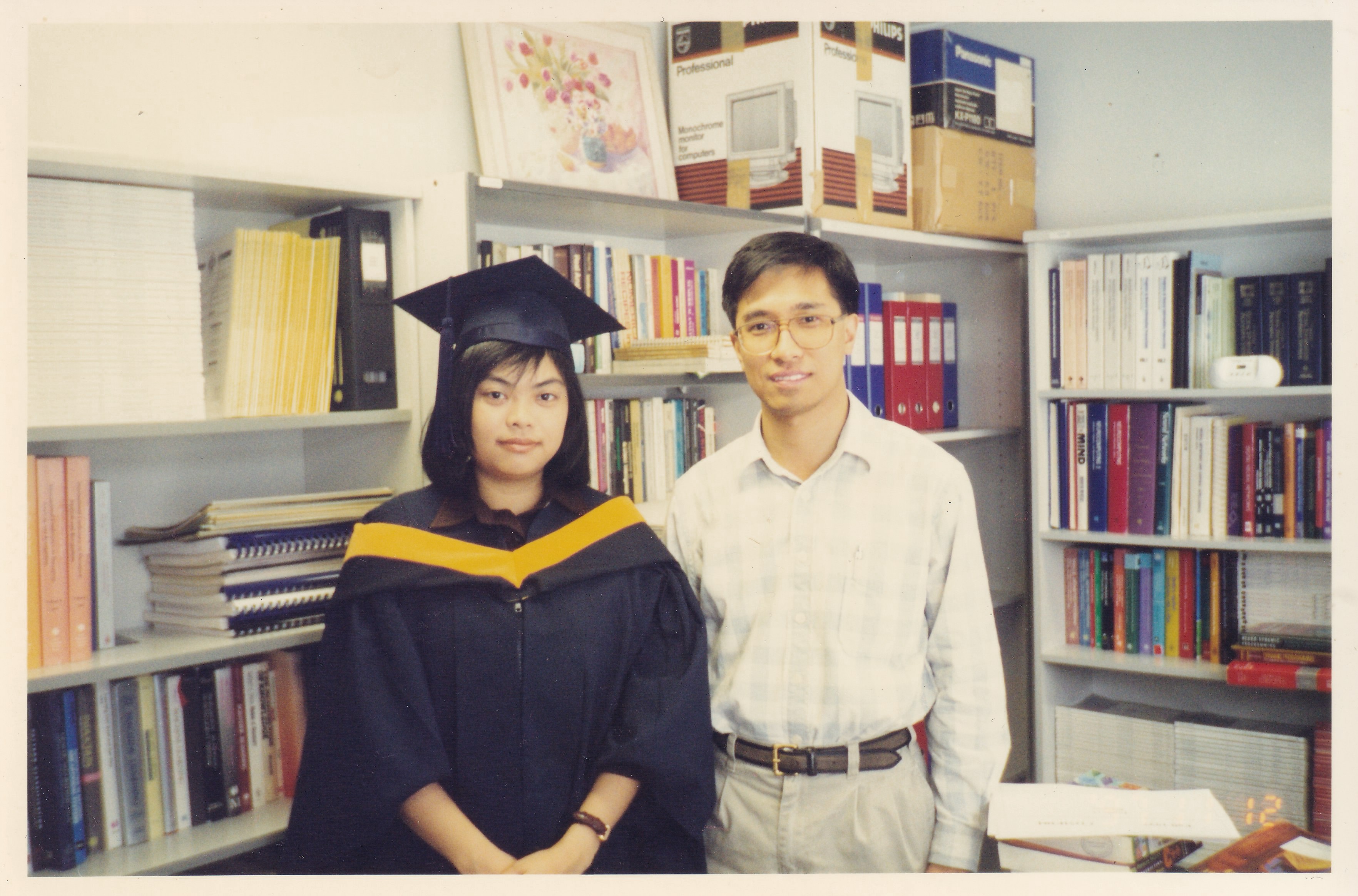
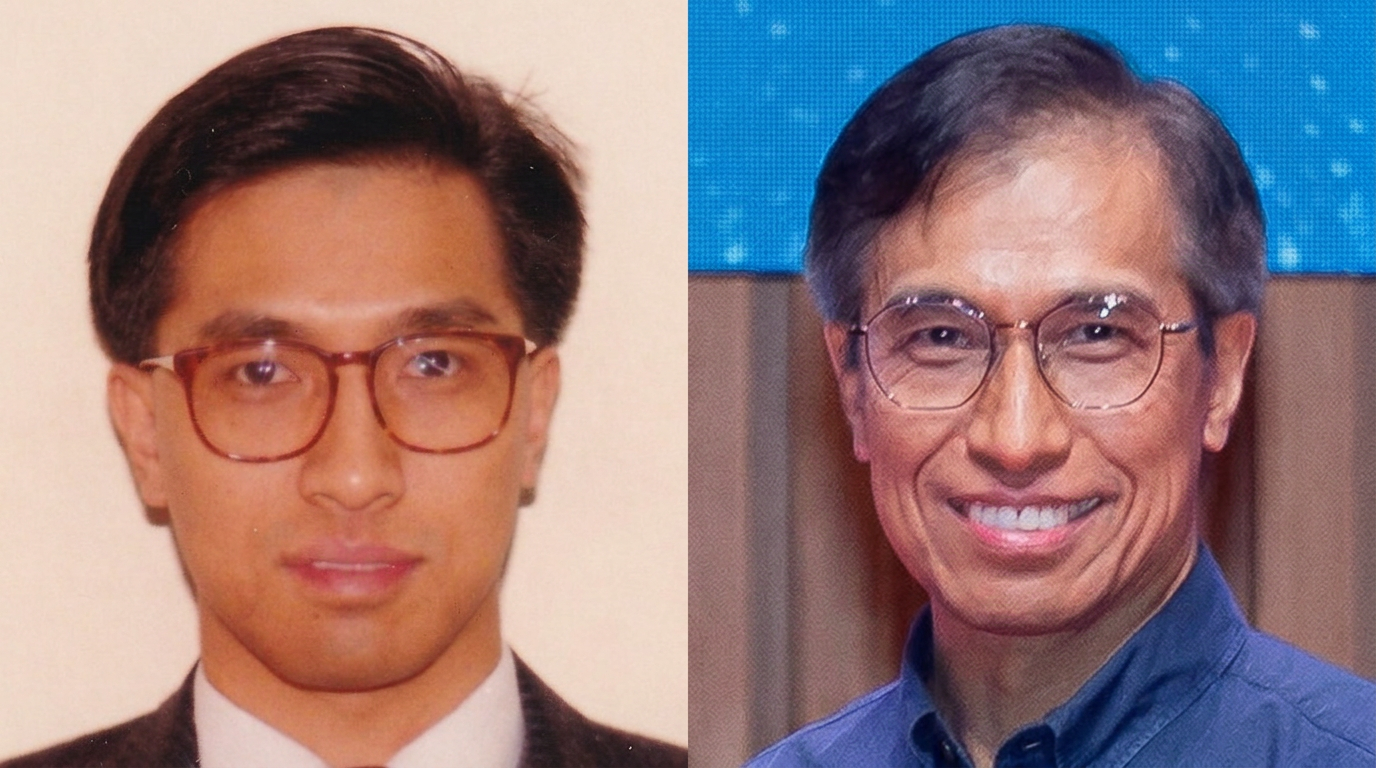
For Prof. Dit-Yan YEUNG, Professor Emeritus of the Department of Computer Science and Engineering, dedication to students may well be the most enduring legacy of a three-and-a-half-decade career at HKUST—one as important as publications and citations.
As HKUST celebrates its 35th anniversary, Prof. Yeung recalls that a former student, now a faculty member at an American university, told him how much his own students appreciated the care he showed his protégés—a reflection, he felt, of the values instilled at HKUST.
“My students described my approach as ‘going around in two full circles’—a 720-degree form of care!” he says with a smile.
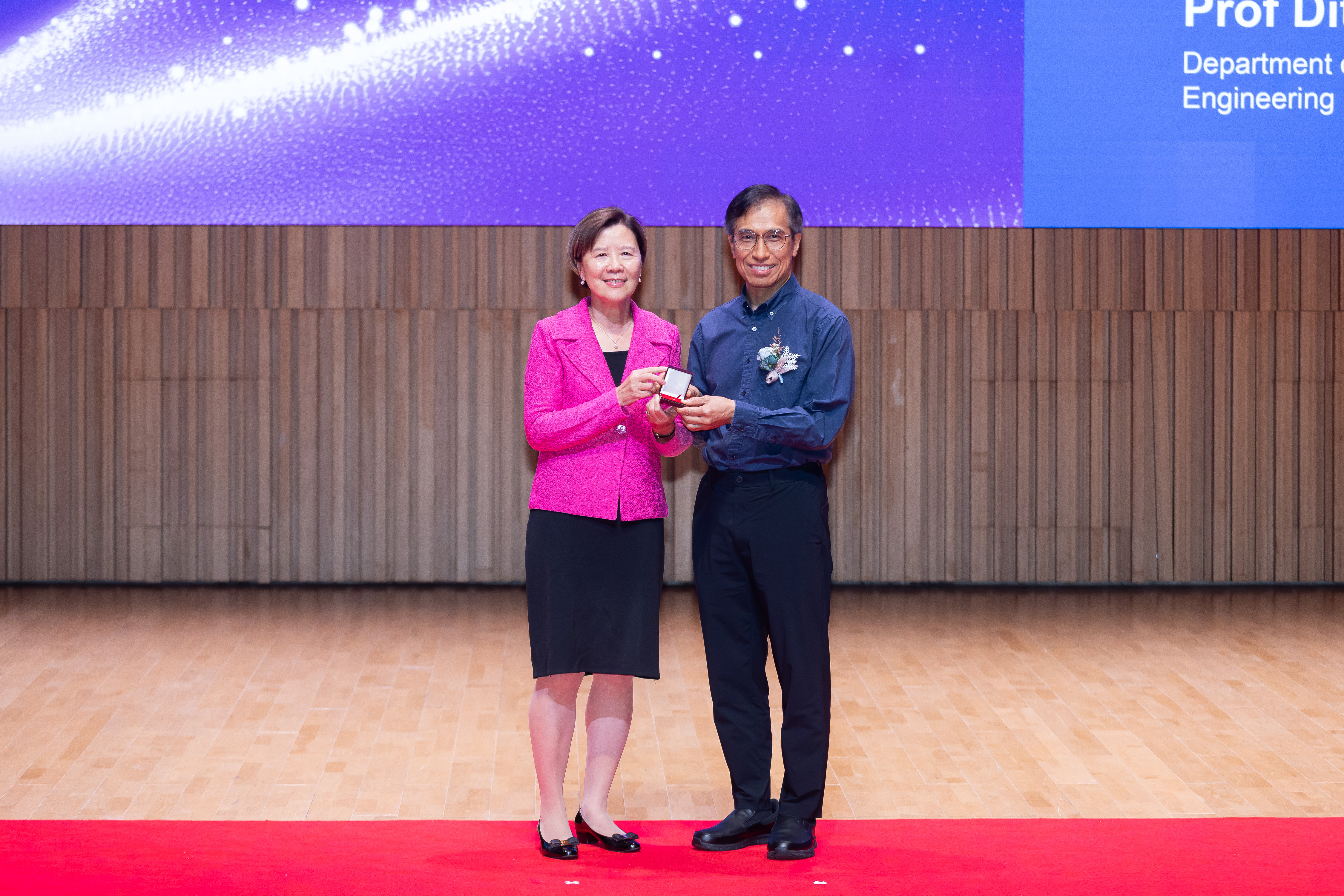
This all-round caring attitude has defined Prof. Yeung’s career since the University’s founding. As the first faculty member to receive HKUST’s 35-year Long Service Award, which he received from Prof. Nancy IP, HKUST President, on June 4, 2026, he reflects on how he has tried to help generations of students who have passed through the University’s gates to develop their careers and lead fulfilling lives.
A Lively Campus That Energized All
What impressed Prof. Yeung most in the 1990s was the enthusiastic campus atmosphere and the close faculty-student relationships at this emerging institution. Students and faculty brimmed with youthful energy as they worked to establish HKUST’s research-intensive identity.
“In fact, I was always mistaken for a student, because as a young man back then, I preferred more casual outfits,” recalls Prof. Yeung. “Students would even hand me flyers for their activities!”
The relatively small age gap between faculty and students led to closer relationships, while pre-online administrative processes also fostered a more personal connection. For example, before the advent of the internet, students needed to go to Prof. Yeung's office in person to request his signature and confirm course registrations at the start of each academic year.
“This kind of interaction gave me an excellent opportunity to talk to students and get to know them better,” he explains.
Inspired by the dynamic atmosphere that pervaded those early years, HKUST felt more like a home than a workplace.
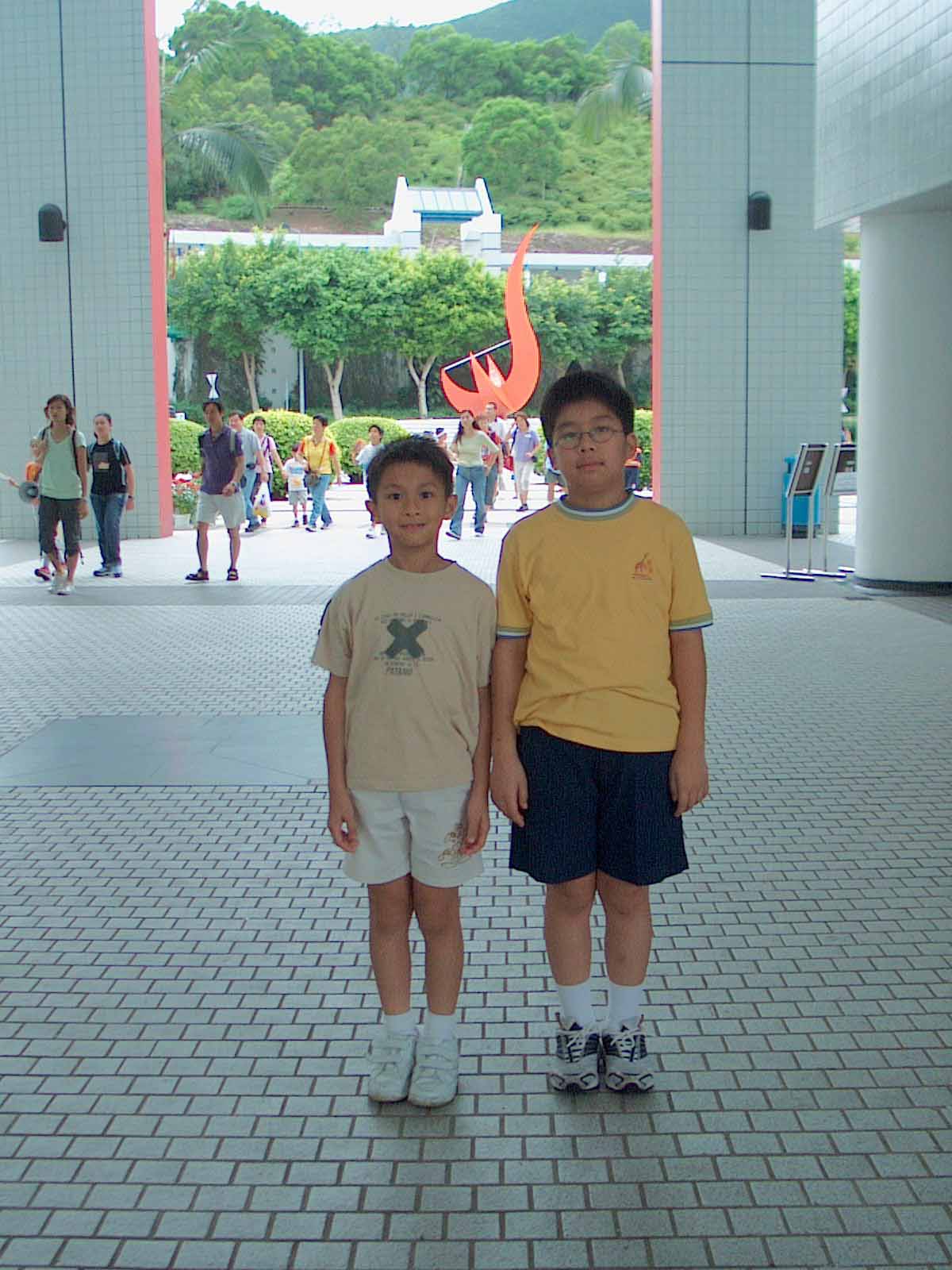
“My two sons practically grew up here on campus,” he says. “We moved to the Staff Quarters when my two sons were 2 and 4 years old. They grew up on the HKUST campus and loved it very much. They particularly liked the old LG7 playground and the garden with the BBQ area near Tower 12 of the Staff Quarters. We held many parties at different locations on the campus for their kindergarten and primary school classmates. They later studied overseas, but they still come back to visit!”
The Dynamism of Research Pioneers
The lively atmosphere on campus reflected the excitement among students and staff as they worked to fulfill HKUST’s mission.
Prof. Yeung had been inspired to join HKUST by the vision set forth by late Prof. Chia-Wei WOO, the founding president of HKUST, to build a research-focused institution, the first of its kind in Hong Kong.
After receiving his PhD in Computer Science from the University of Southern California and spending a year as an assistant professor at the Illinois Institute of Technology, Prof. Yeung encountered Prof. Woo through a network of like-minded scholars.
However, a senior faculty member at an American university, who supported Prof. Yeung's academic career, advised him to consider joining The University of Hong Kong (HKU) or The Chinese University of Hong Kong (CUHK) instead, as both were well-established institutions. Prof. Yeung was undeterred, though. The opportunity to play a role in building a university from scratch under the leadership of Prof. Woo was the chance of a lifetime, Prof. Yeung explains.
Sharing the HKUST Vision
Inspired by Prof. Woo, Prof. Yeung was keen to spread HKUST's core vision and philosophy in research and higher education. One of the most important aspects of this job, and one that further strengthened his ties with the young people at HKUST, was articulating HKUST’s groundbreaking academic system to students, parents, and secondary schools alike.
Unlike HKU and CUHK, which at the time placed greater emphasis on teaching and conducted research and postgraduate supervision on a relatively small scale, HKUST had a strong research focus from its launch and encouraged broader academic exposure.
While students at the older universities typically focused on a specific field immediately after beginning their undergraduate studies, HKUST students could switch majors with relative ease.
“Therefore, one of our key challenges back then was introducing HKUST to secondary schools, as most people did not understand the University well enough,” he explains.
This experience helped him understand the needs and aspirations of the younger generation as they embarked on their academic careers at HKUST before entering the workforce.
Inspired By, and Inspiring Students
Prof. Yeung believes that the greatest gift an educator can give students is to inspire their curiosity and enthusiasm—something he regards as essential as any performance metric.
While the lion’s share of attention is given to key performance indicators (KPIs), such as publications, citations, and grants, he still believes that these indicators should not define a professor’s legacy.
“The true value of a professor lies in the extent to which they inspire their students, spark their curiosity, and build their confidence,” he concludes.
This is why Prof. Yeung firmly believes the best professors offer 720-degree care.
If you would like to share any stories or photos from the early 1990s, please contact us at geco@ust.hk or 3469 3152.