


HKUST Convenes Global Leaders at CARE2026 to Drive Climate Adaptation and Urban Resilience
Conference Integrates Global Expert Insights with Hong Kong’s Climate Adaptation Experience

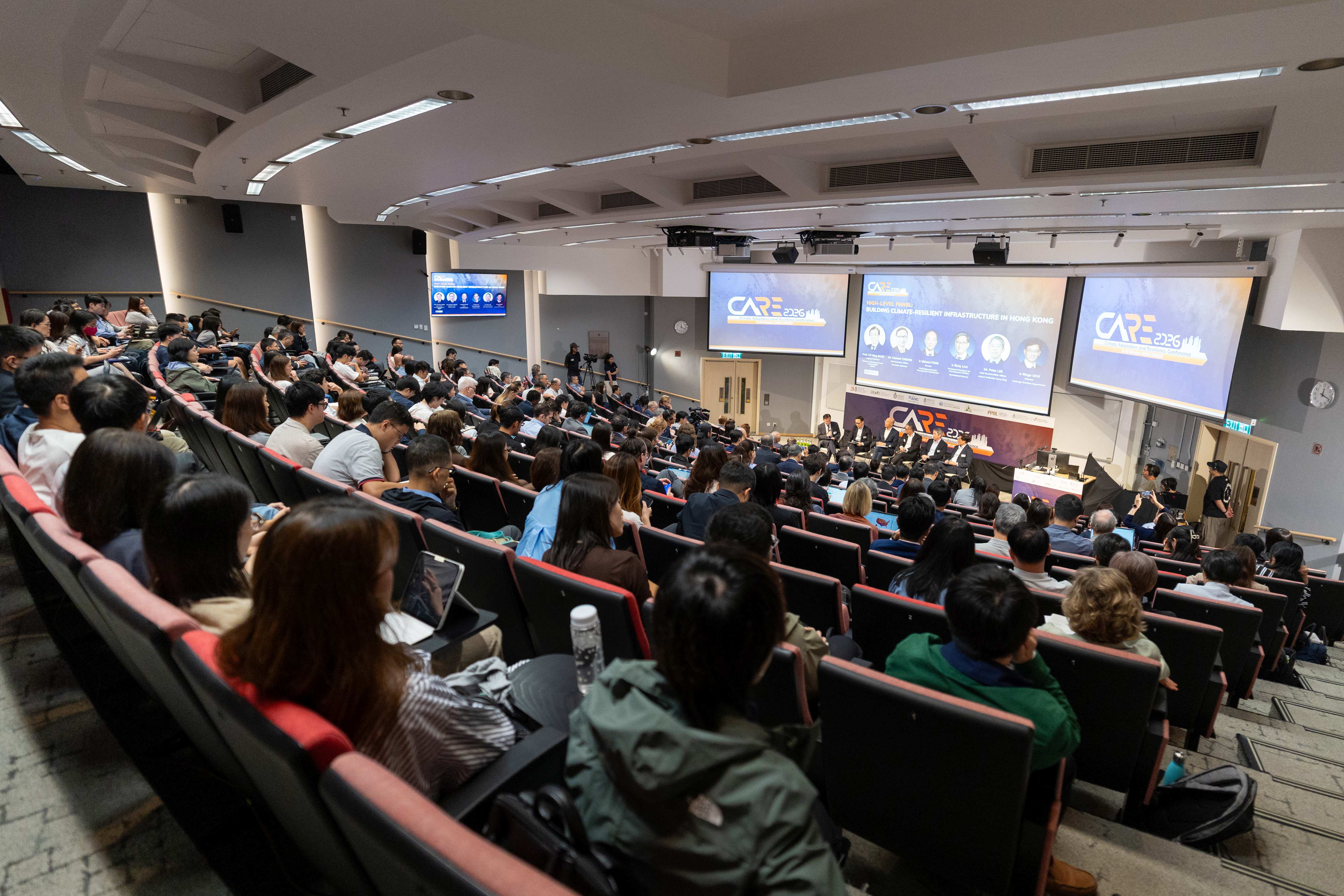
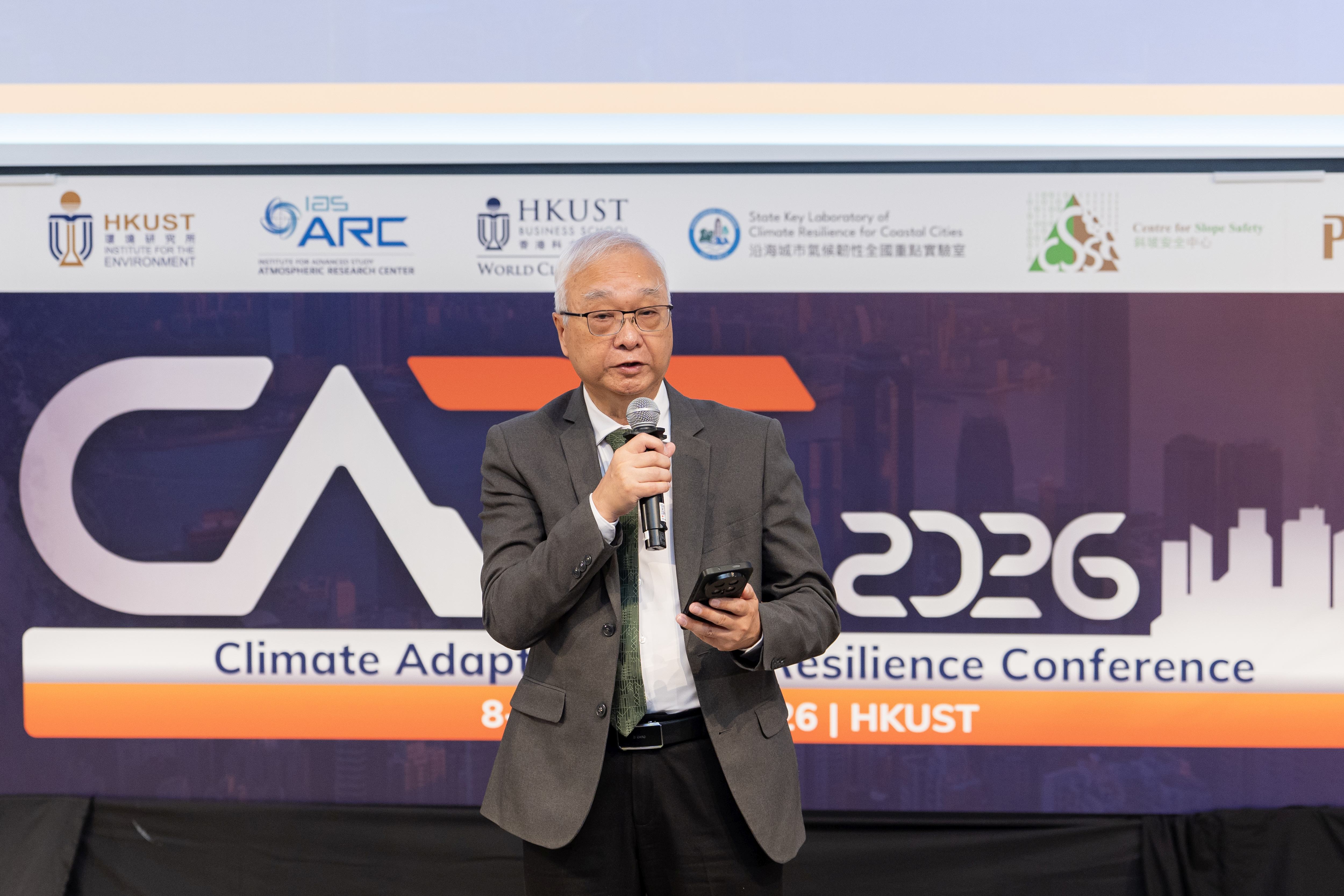
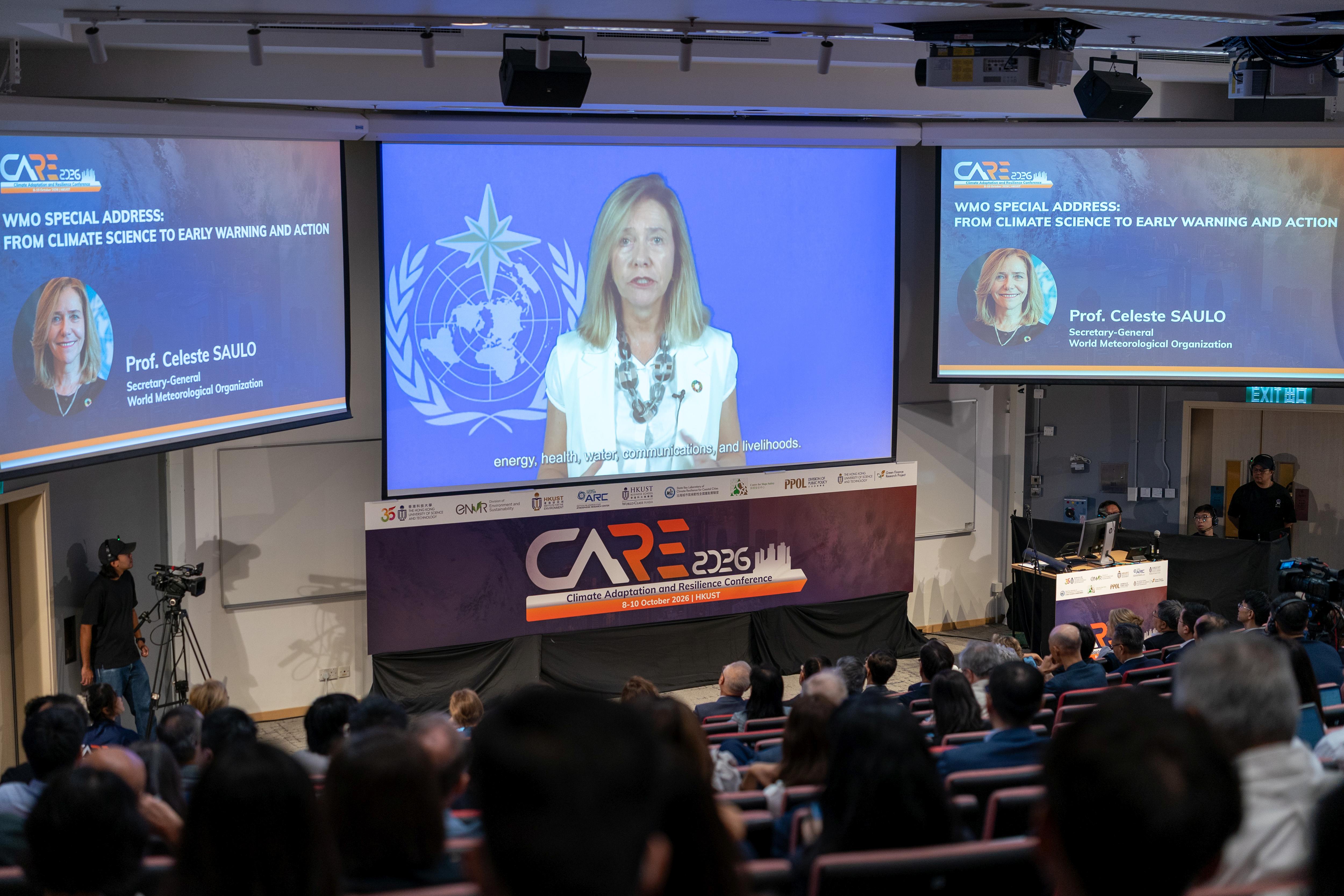
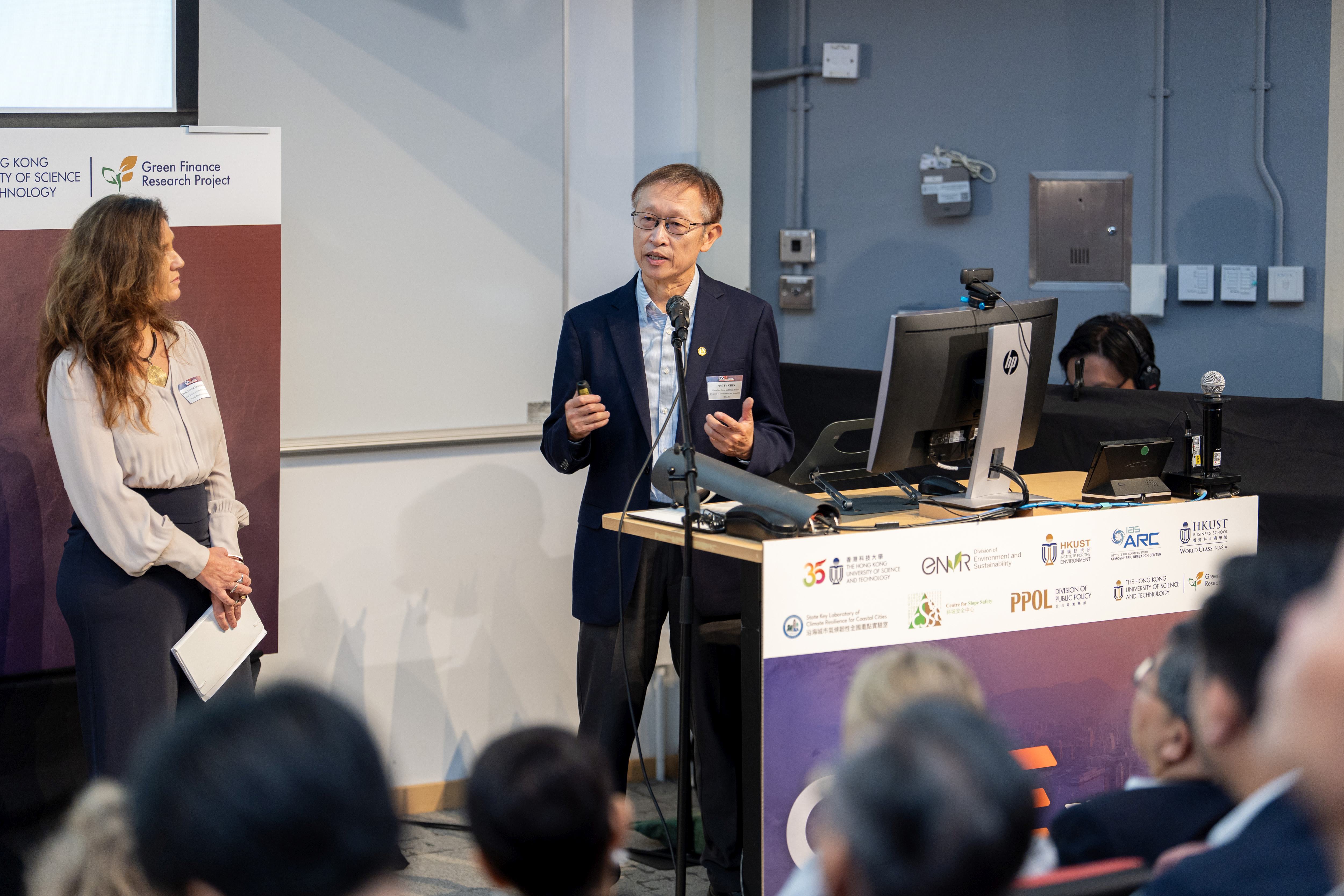
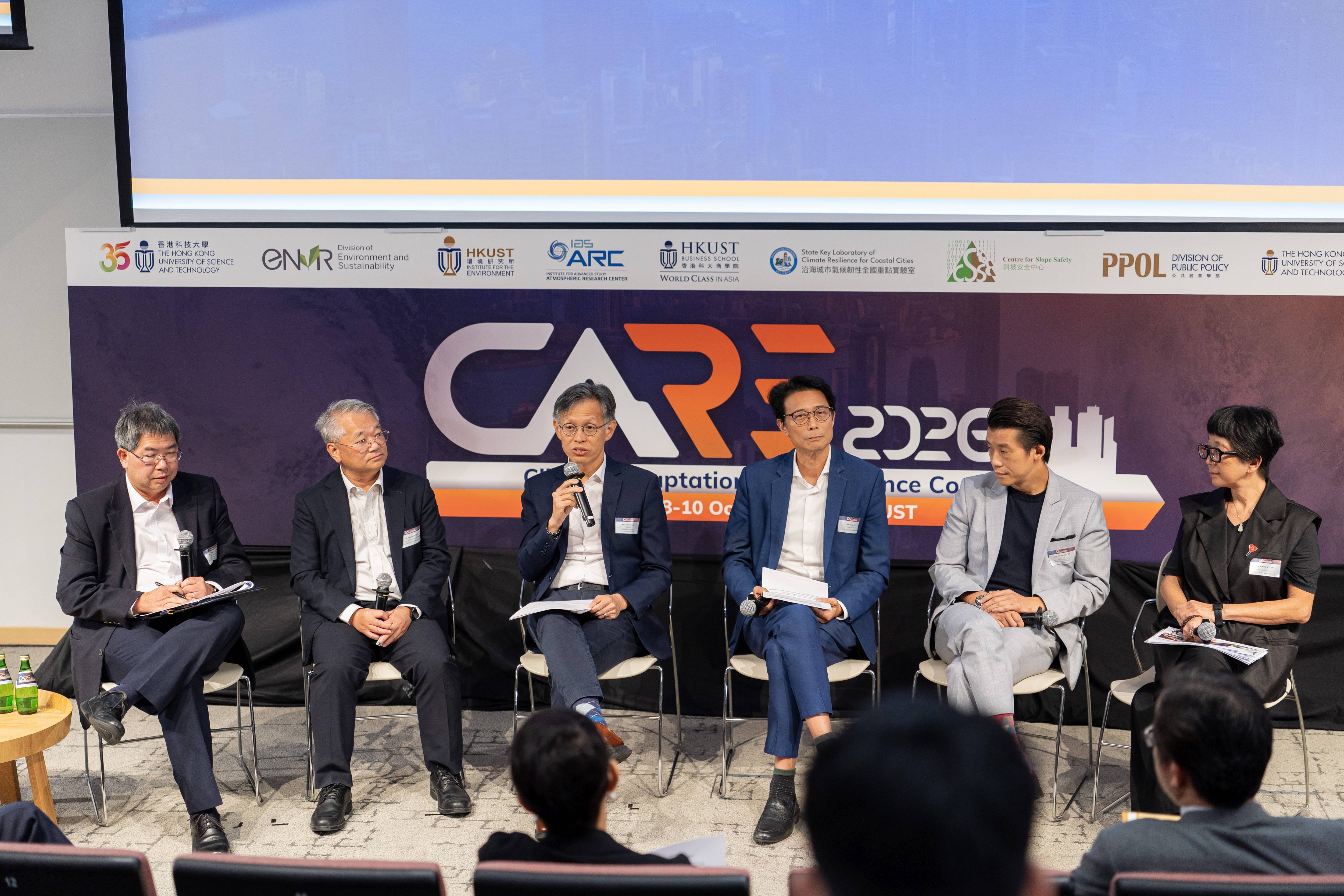
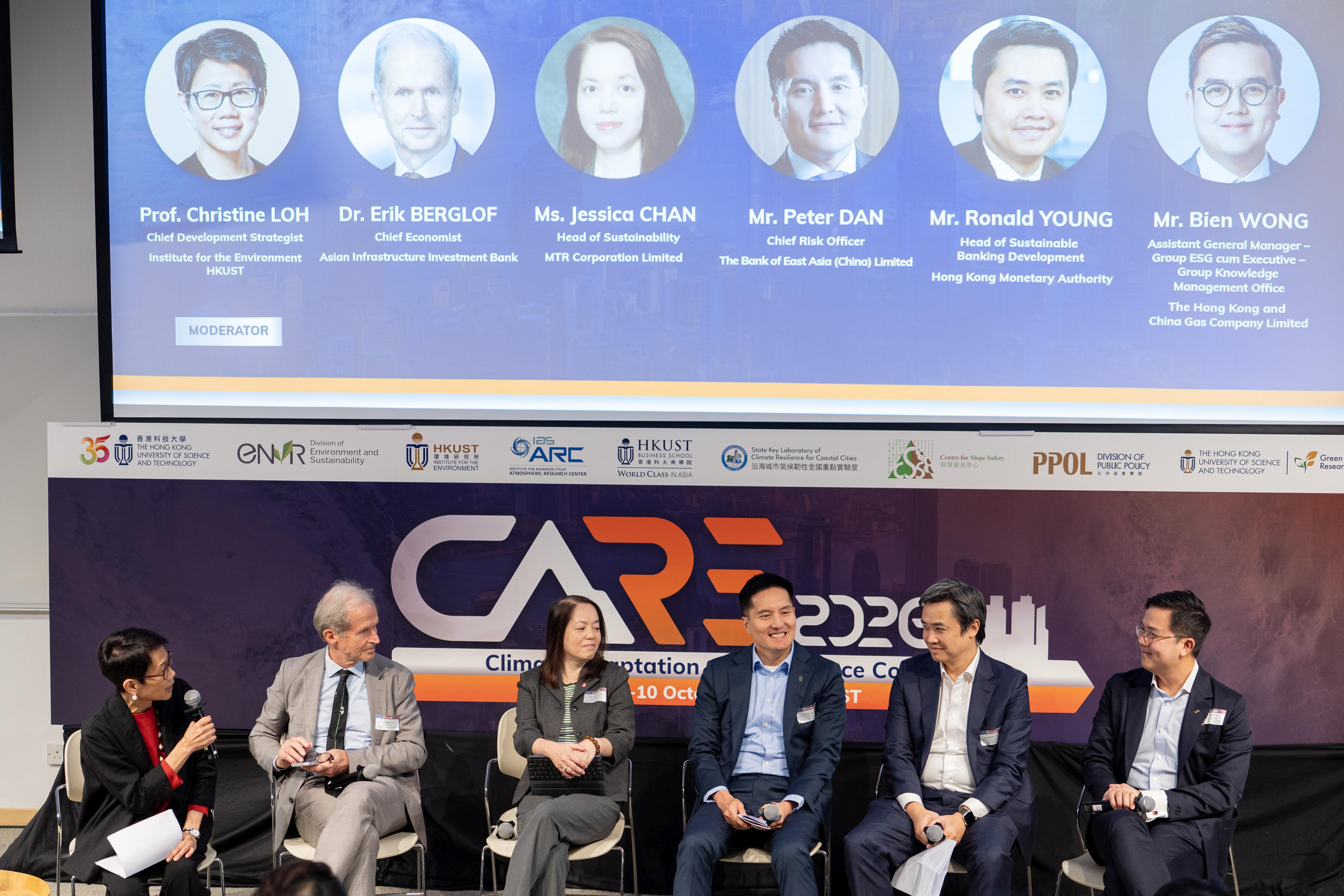
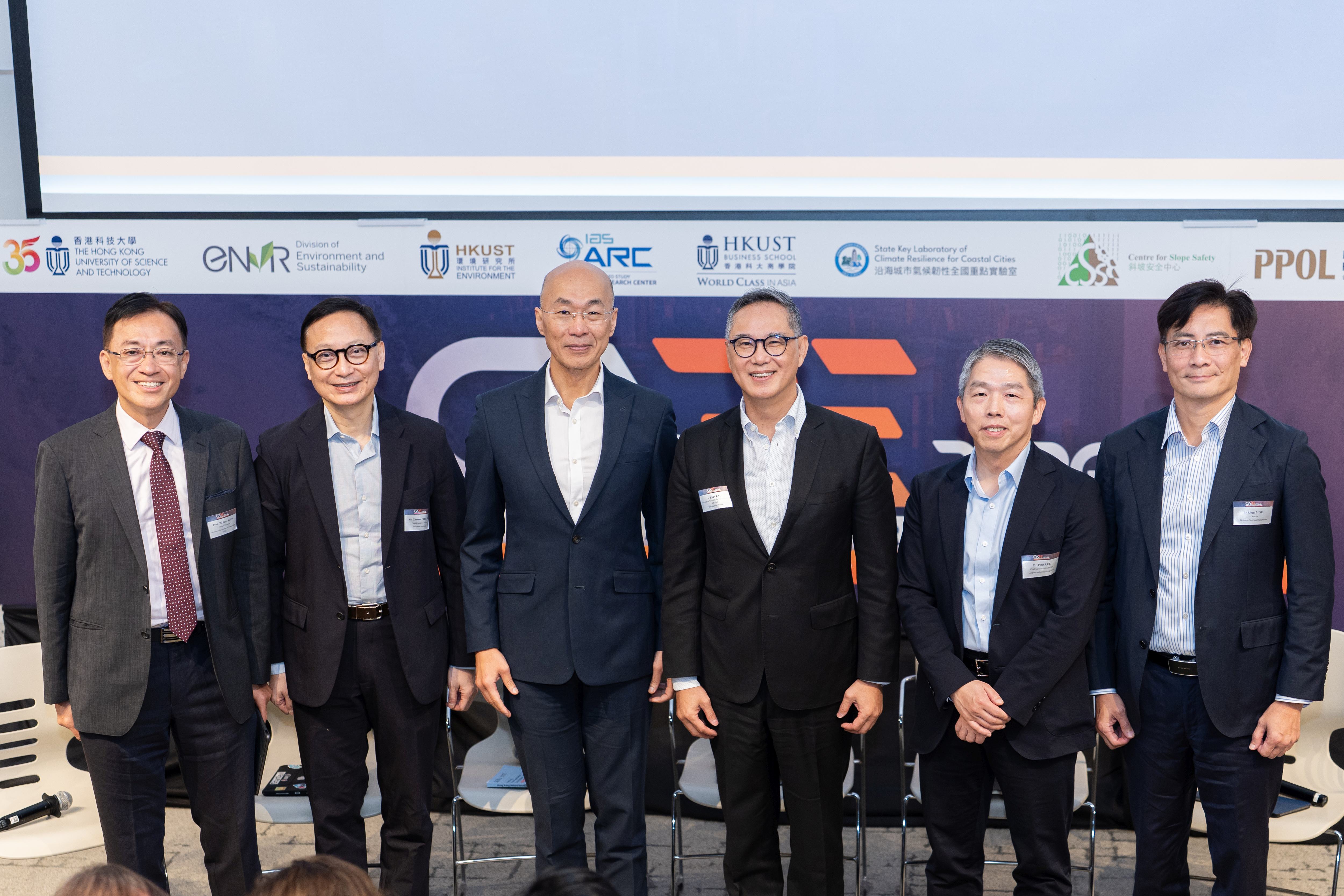
Turning climate science and early warnings into practical action to protect people, strengthen infrastructure and finance resilience is the focus of the Climate Adaptation and Resilience Conference 2026 (CARE2026) at The Hong Kong University of Science and Technology (HKUST). Running from 8 to 10 October, the conference opened with calls to connect scientific knowledge with better preparedness and decisions that make cities more resilient.
The conference brought together over 500 policymakers, scientists, infrastructure experts, finance and insurance leaders, industry stakeholders and community representatives from around the world. Discussions examined how forecasting and early warning systems can inform decisions about housing, infrastructure, biodiversity, nature-based solutions and finance, drawing on Hong Kong’s experience alongside regional and international perspectives.
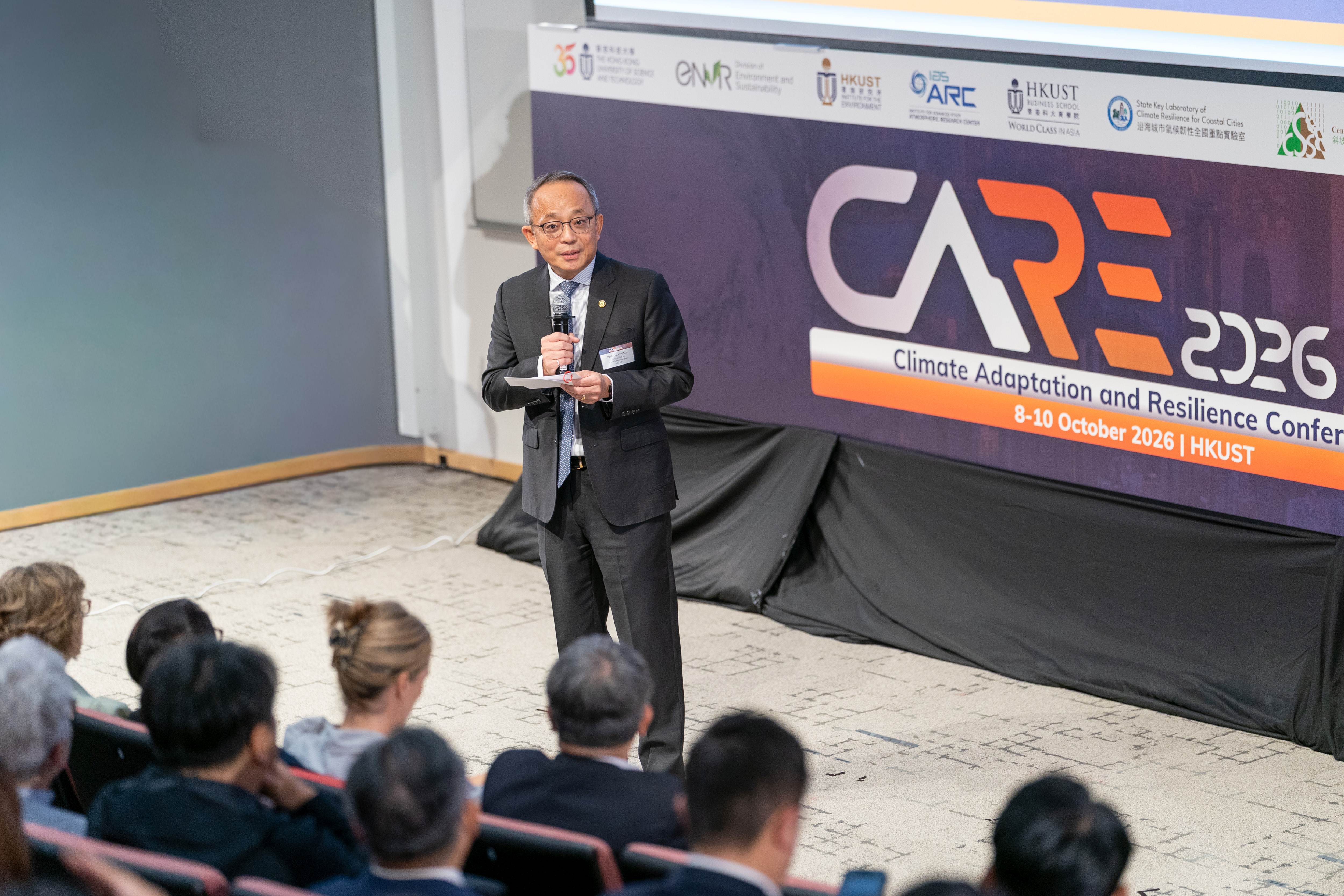
Opening speakers highlighted three priorities: advancing research and practical solutions, aligning climate action with Hong Kong’s development plans, and strengthening the link between science and urban decision-making. They included Prof. Tim CHENG Kwang-Ting, Vice-President for Research and Development of HKUST; Mr. TSE Chin-Wan, Secretary for Environment and Ecology of the HKSAR Government; and Prof. Celeste SAULO, Secretary-General of the World Meteorological Organization (WMO), who delivered a video address. Other first-day speakers included Dr. Estelle de CONING, Chief of World Weather Research Programme (WWRP) of the WMO, and Prof. CHEN Fei, Co-Chair of WWRP Urban-PREDICT of the WMO (Urban-PREDICT) and Associate Head of the Division of Environment and Sustainability of HKUST.
Connecting Science, Policy and Practice
Prof. Tim Cheng noted, "As the impacts of climate change become increasingly evident, we must act on two fronts: reducing emissions to limit future warming while strengthening our capacity to adapt to the changes already underway. Universities have a critical role to play in developing innovative technologies, translating research into practical solutions, and equipping future generations with the knowledge to address environmental challenges.
At HKUST, we are proud to host the International Coordination Office of WWRP Urban-PREDICT of the WMO, bringing together global expertise to advance climate adaptation and resilience, while connecting knowledge with practice through our Biodiversity and Nature-Based Solutions Hub. As one of Urban-PREDICT’s Global Demonstration Cities, Hong Kong provides a valuable platform for sharing its experience in climate resilience and learning from international best practices to strengthen its own systems. CARE2026 embodies this mission by uniting experts from different disciplines, institutions, and regions to share science, data and practical experience to help communities anticipate hazards, reduce risks and recover more effectively. Together, we can turn prediction into action, transform research into impact, and build a more resilient and sustainable future for generations to come.”
Mr. Tse Chin-Wan said, "The nation’s 15th Five-Year Plan charts an ambitious blueprint to accelerate green socio-economic transformation and build a ‘Beautiful China’. In line with this national vision, Hong Kong’s First Five-Year Plan has firmly established a forward-looking strategy focused on 'carbon reduction, pollution control, green expansion, and growth.' We have committed to a cumulative 32.5% reduction in carbon intensity by 2030 compared to 2024 levels, keeping the city firmly on track to halve emissions by 2035 and achieve total carbon neutrality by 2050.
We are deepening our collaboration with the Chinese Mainland to elevate biodiversity and ecological civilization across the Greater Bay Area, while working together to build a world-class, waste-free, and beautiful bay area. At the same time, Hong Kong is expanding its international carbon market, enhancing information disclosure frameworks, and financing the green transition by aligning international capital with local and regional green projects. Our success rests upon the shoulders of everyone in this room: our scientists, engineers, policymakers, financial leaders, and academics. I am confident that the ideas generated during CARE2026 will help us achieve harmony between humanity and nature.”
In her video address, Prof. Saulo emphasized the importance of investment in hazard monitoring and early warning systems, and the role of universities in connecting science with action. She said, "Climate risk is no longer a distant issue confined to the future. It is an urgent global challenge that demands action today. To save more lives before the next disaster strikes, we must strengthen scientific investment in hazard monitoring and early warning systems. This is precisely the core value of CARE2026, which has successfully built a bridge between climate science, early warning, and real-world action. Universities play a critical leadership role in building that bridge. WMO highly values its partnership with HKUST, and we look forward to continuing our collaboration to leverage our collective academic and scientific strengths in support of more climate-resilient cities around the world."
The International Coordination Office for WMO’s flagship Urban-PREDICT initiative has been based at the HKUST IAS Atmospheric Research Center since November 2025, supporting global research collaboration, city demonstration projects and cross-sector partnerships. Reporting on its progress, Prof. Chen Fei noted, "Urban-PREDICT seeks to advance the development of high-resolution modeling, AI-driven forecasting, effective risk communication, and community preparedness. Over the past year, the Office has achieved two major milestones. It brought together international experts to advance the Urban Forecast Model Intercomparison Project, aiming to evaluate and improve the performance of weather forecasting models in predicting extreme heat and heavy rainfall in Hong Kong. Overseas experts from the Urban-PREDICT Steering Group also undertook a series of field studies in Hong Kong, where they engaged with representatives from government departments, industry and NGOs, and met with local households at the Hung Hom Community Living Room.
Preliminary findings from the fieldwork highlighted the value of earlier warning issuance, showing that even a few additional hours of lead time can significantly enhance a city's preparedness and response to extreme weather events. The incorporation of place-specific knowledge and local context into early-warning systems also makes weather information more relevant and responsive to the needs of different communities. Meanwhile, the Urban-PREDICT project has selected Hong Kong as one of three Global Demonstration Cities, allowing the city's unique preparedness mechanisms and community networks to offer valuable lessons for cities around the world as they confront growing climate risks."
Making Climate Resilience Part of Hong Kong's Development
The city's First Five-Year Plan, the 2026 Policy Address and the Northern Metropolis development strategy provided a context for connecting climate adaptation, green finance and ecological sustainability. Under the first-day theme, "From Climate Science to Urban Resilience," speakers examined how Hong Kong can embed resilience in the way it plans, builds and invests. Sessions also drew on China's climate actions and practical experience from Guangdong and the Greater Bay Area (GBA).
Three high-level panels explored the roles of infrastructure, nature and finance. The "Building Climate-Resilient Infrastructure in Hong Kong" session brought together representatives from the Development Bureau, the Civil Engineering and Development Department, the Drainage Services Department, the Insurance Authority and the Airport Authority Hong Kong to examine how critical infrastructure can withstand growing climate risks. "Biodiversity, Nature-based Solutions and Urban Resilience" session featured representatives from the Environmental Protection Department, the Agriculture, Fisheries and Conservation Department, the Hong Kong Housing Authority and the built environment sector, exploring how nature can strengthen resilience in a high-density city. "From Science to Finance: Pricing Risk, Funding Resilience" examined how scientific understanding of climate risks can inform financial decisions, mobilize investment and support private sector participation, with panellists from the Hong Kong Monetary Authority, the Asian Infrastructure Investment Bank, the Bank of East Asia, MTR and Towngas.
Discussions included plans to incorporate smart, sustainable and climate-resilient features into public housing developments in the Northern Metropolis over the next decade. These illustrated how neighbourhood design, infrastructure and the integration of nature can work together to protect residents and improve their living environment.
Participants emphasized the need for better science and data to guide decisions, and for "nature as infrastructure" to become part of mainstream planning, design and development. Nature-based solutions were recognized as an important means of adapting to climate change and building resilience, with collaboration across professions and sectors essential to their implementation. There was broad agreement that the Development Bureau, the Environment and Ecology Bureau and their departments, together with the Hong Kong Housing Authority, are advancing these approaches, with emerging examples in the Northern Metropolis demonstrating the possibilities. An important next step is to encourage the private sector to adopt and build on public sector practices, supported by the knowledge, expertise and financing needed to put them into action.
From Understanding Risks to Implementing Solutions
The second day, focused on "From Climate Signals to Systemic Stress: Hazards, Impacts and Choices." Sessions examined how sudden hazards, such as extreme rainfall and landslides, and longer-term stresses, including rising temperatures, affect infrastructure, economies, public health and everyday life. "Integrated Water-Related Climate Risks" session considered how rainfall, flooding and landslides can cause cascading disruptions across interconnected transport, energy and communications networks, and how coordinated risk assessment, infrastructure planning and emergency response can reduce these impacts. "From Risk to Cost: Translating Climate Impacts into Economic Reality" examined how climate risks can inform public spending, investment and financial decisions. These discussions connected Hong Kong's ambitions as an international financial center and regional green finance hub with the practical task of directing capital towards sustainable, resilient infrastructure.
The third day, on October 10, focused on "Scaling Nature-Based Solutions in Hong Kong: Research Needs and Stakeholder Perspectives." Researchers, government officials and industry practitioners examined the science, data and practical steps needed to expand the use of nature-based solutions, from planning and design to approval, implementation and monitoring. They also explored how the environmental, social and economic benefits of these projects can support viable financing models. The aim is to identify priority research, and implementation needs and develop a practical roadmap for collaboration across professions and sectors, helping public and private stakeholders put "nature as infrastructure" into practice.
Founded by HKUST in 2018 and held every four years, CARE is Hong Kong's first large-scale platform bringing together stakeholders from government, academia and industry to strengthen climate resilience. For more details, please visit: https://care.hkust.edu.hk/.
About The Hong Kong University of Science and Technology
The Hong Kong University of Science and Technology (HKUST) (https://hkust.edu.hk/) is a world-class university renowned for its excellence in innovative education, research, and impactful knowledge transfer. Adopting a holistic and interdisciplinary approach to education, HKUST was ranked 33rd globally and 6th in Asia in the QS World University Rankings 2027 and QS Asia University Rankings 2026, respectively. It was also ranked 20th worldwide in the Times Higher Education Sustainability Impact Ratings 2026, placing first among universities in Hong Kong and the Chinese Mainland for the third consecutive year. Eleven HKUST subjects were ranked among the world's top 50 in the QS World University Rankings by Subject 2026. In addition, HKUST's Computer Science discipline, which encompasses areas such as artificial intelligence and machine learning, was ranked No. 1 in Hong Kong for the tenth consecutive year in the Times Higher Education World University Rankings by Subject 2026. Its graduates are highly competitive, consistently ranking among the world's top 30 most sought-after employees. In research and entrepreneurship, more than 80% of HKUST's research was rated "world-leading" or "internationally excellent" in the University Grants Committee's Research Assessment Exercise 2020. As of September 2026, HKUST members have founded more than 2,000 active start-ups, including 11 unicorns and 23 successful exits through initial public offerings (IPOs) or mergers and acquisitions (M&A).
For media enquiries, please contact:
Public Affairs and Global Communications Office
Email: media@ust.hk
Sign Up for Our Latest News
Latest News

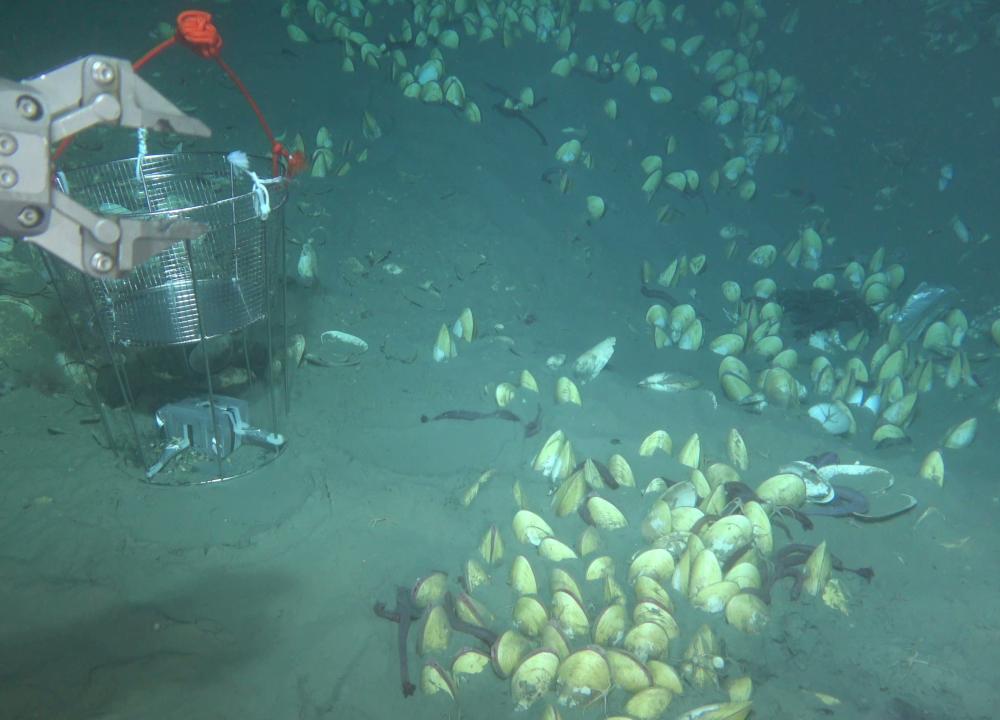
A research team led by Prof. QIAN Peiyuan, Chair Professor of the Department of Ocean Science at The Hong Kong University of Science and Technology (HKUST), in collaboration with international partners, has made significant progress in uncovering how deep-sea chemosynthetic symbioses cope with environmental change.

The Center for Technology and Business Ecosystem (CTBE) of the School of Business and Management at The Hong Kong University of Science and Technology (HKUST Business School), HKUST Shanghai Alumni Chapter, and Tencent Research Institute have successfully concluded the “NOVA: National AI Creativity Competition”.