




The Future of Robotics Unleashed at 35th Anniversary Launch

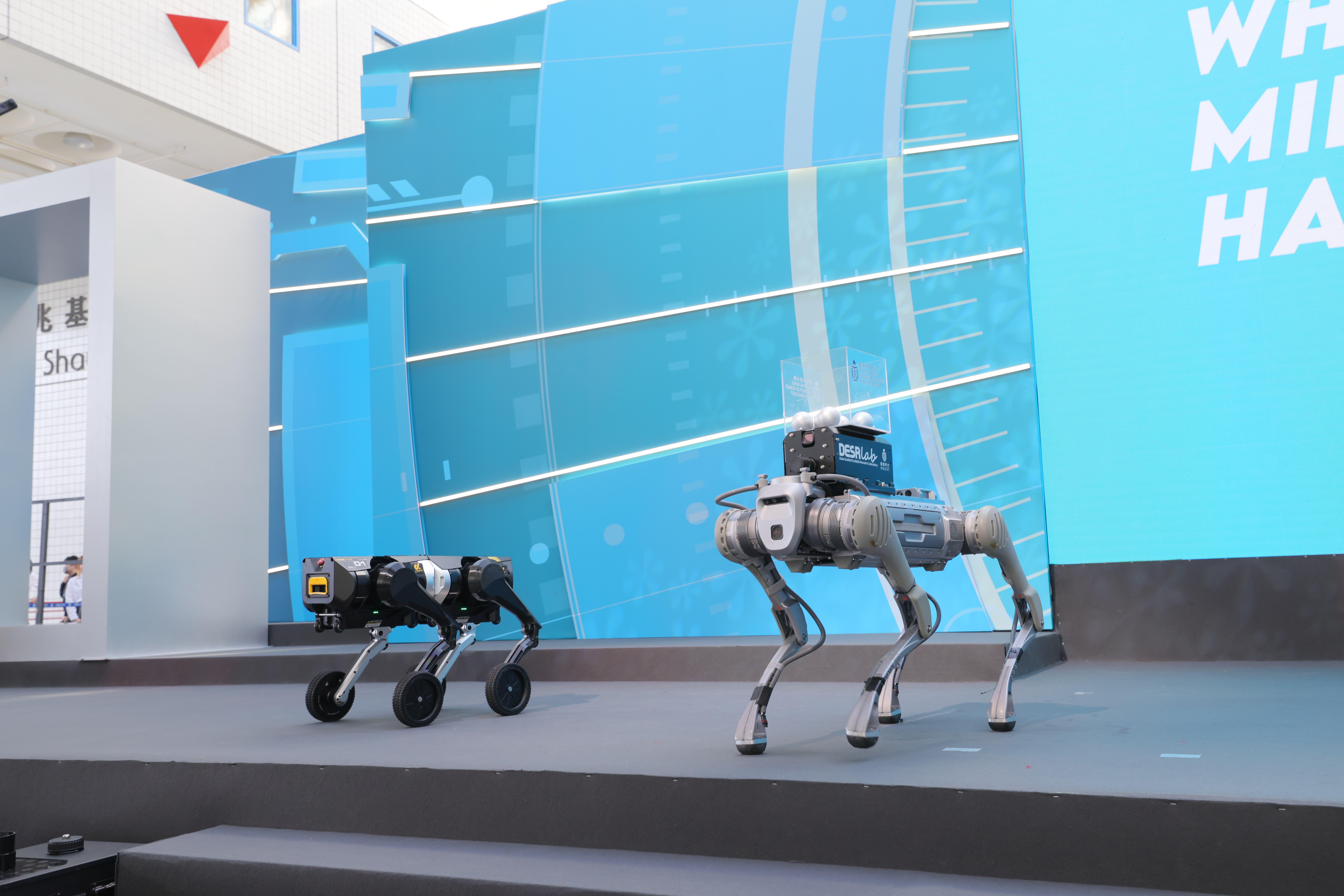
Under the glow of HKUST’s 35th anniversary lights, audiences watched robot dogs deliver ceremonial 'miracle’ balls, humanoid robots greet guests, and drones soar above the Jockey Club Atrium.
Amid this display of technological wizardry, the launch ceremony for the 35th anniversary was transformed into a living stage that vividly embodied HKUST’s enduring spirit of innovation.
Each state-of-the-art machine told a story of discovery, mentorship, and entrepreneurship brought to life—a fitting symbol for HKUST’s year-long anniversary celebrations and its belief that the seemingly impossible can be made possible.
A key highlight of the event was a robot dog equipped with advanced sensing technology developed by the Data-Enabled Scalable Research Lab (DESR Lab) led by Prof. WANG Yu-Hsing in the Department of Civil and Environmental Engineering. Now affiliated with the Cheng Kar-Shun Robotics Institute (CKSRI), Prof. Wang and his team contributed a versatile, modular sensing system that enables the robot to support a wide range of research and field applications through flexible sensor configurations.
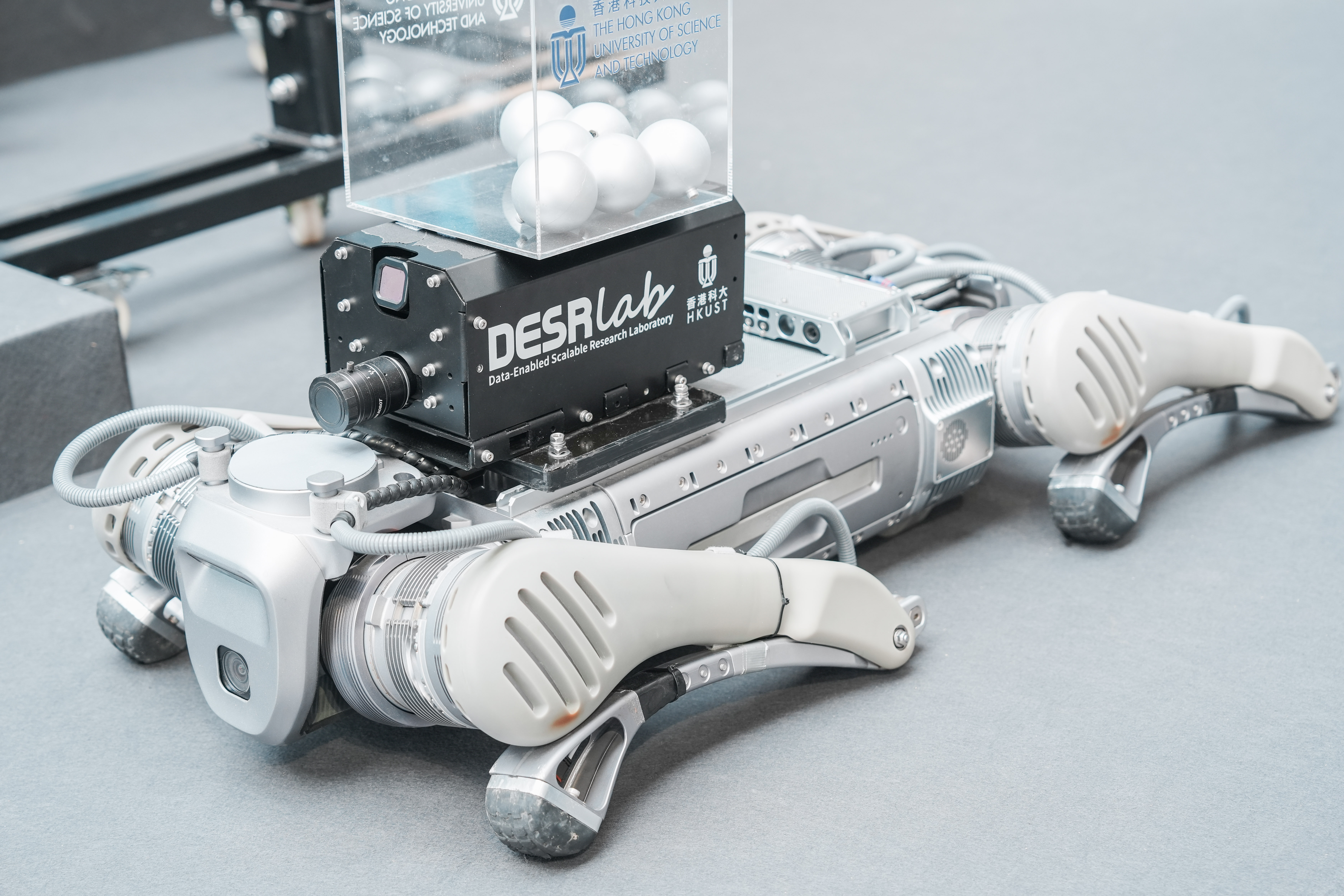
Designed to operate safely in complex outdoor and industrial environments, the robot has already been deployed for building inspections at sewage treatment facilities and for urban tree inventory. These real-world applications reflect HKUST’s commitment to translating frontier research into solutions that benefit society.
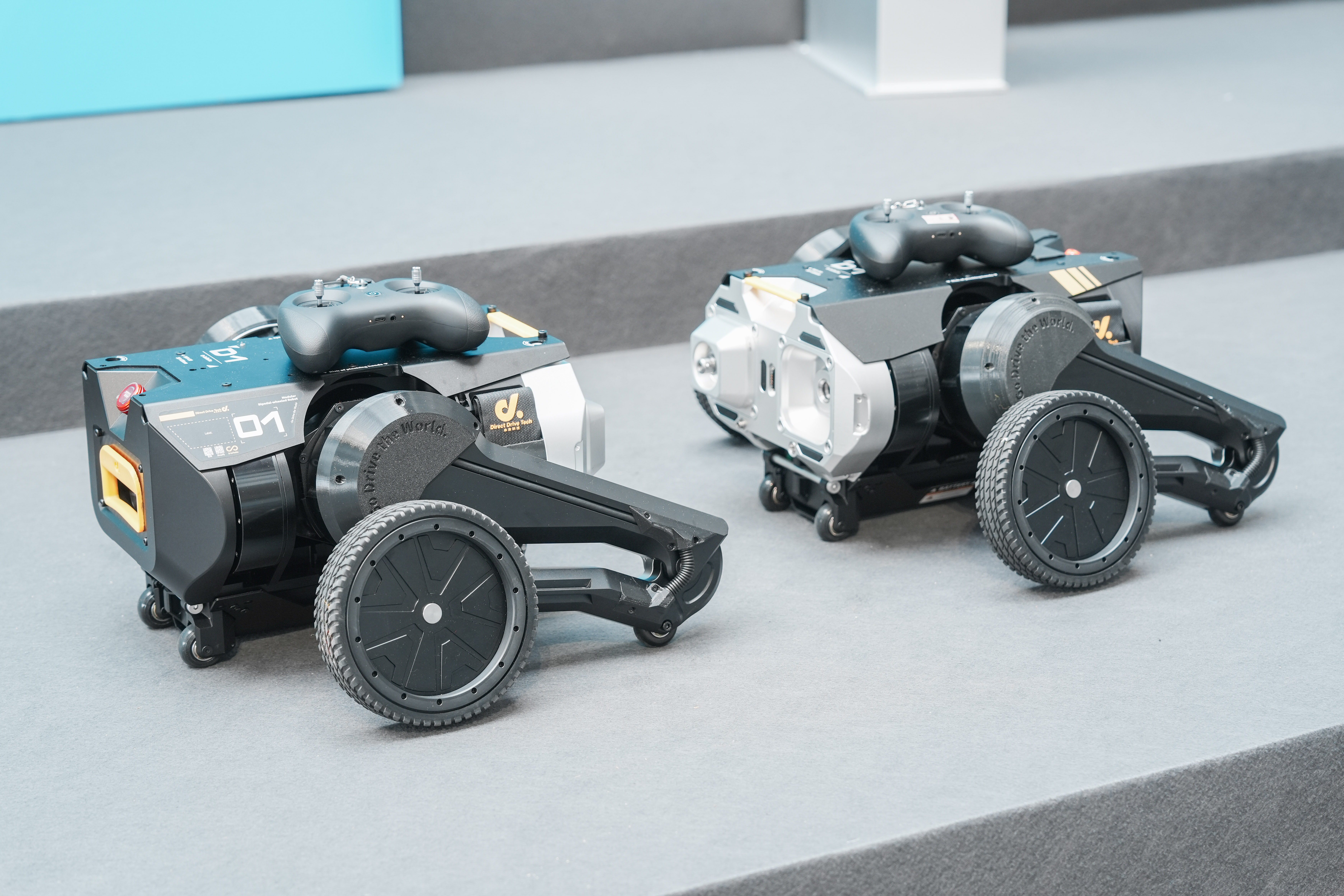
The second robot dog showcased at the event, D1, is the world’s first fully modular embodied intelligent robot. It was developed and donated to the Cheng Kar-Shun Robotics Institute by Direct Drive Technology, a startup founded by ZHANG Di, an alumnus and Fellow of the HKUST Founders' Club.
Featuring docking‑free modularity and configuration-free transformations, D1 can switch seamlessly among bipedal, quadrupedal, bipedal-wheeled, and quadruped-wheeled forms. This flexibility enables mobility in challenging environments, making the robot well-suited for building patrols, logistics delivery, and the execution of complex tasks. Its presence at the ceremony highlighted how HKUST’s distinctive ecosystem integrates engineering excellence with a vibrant entrepreneurial drive.
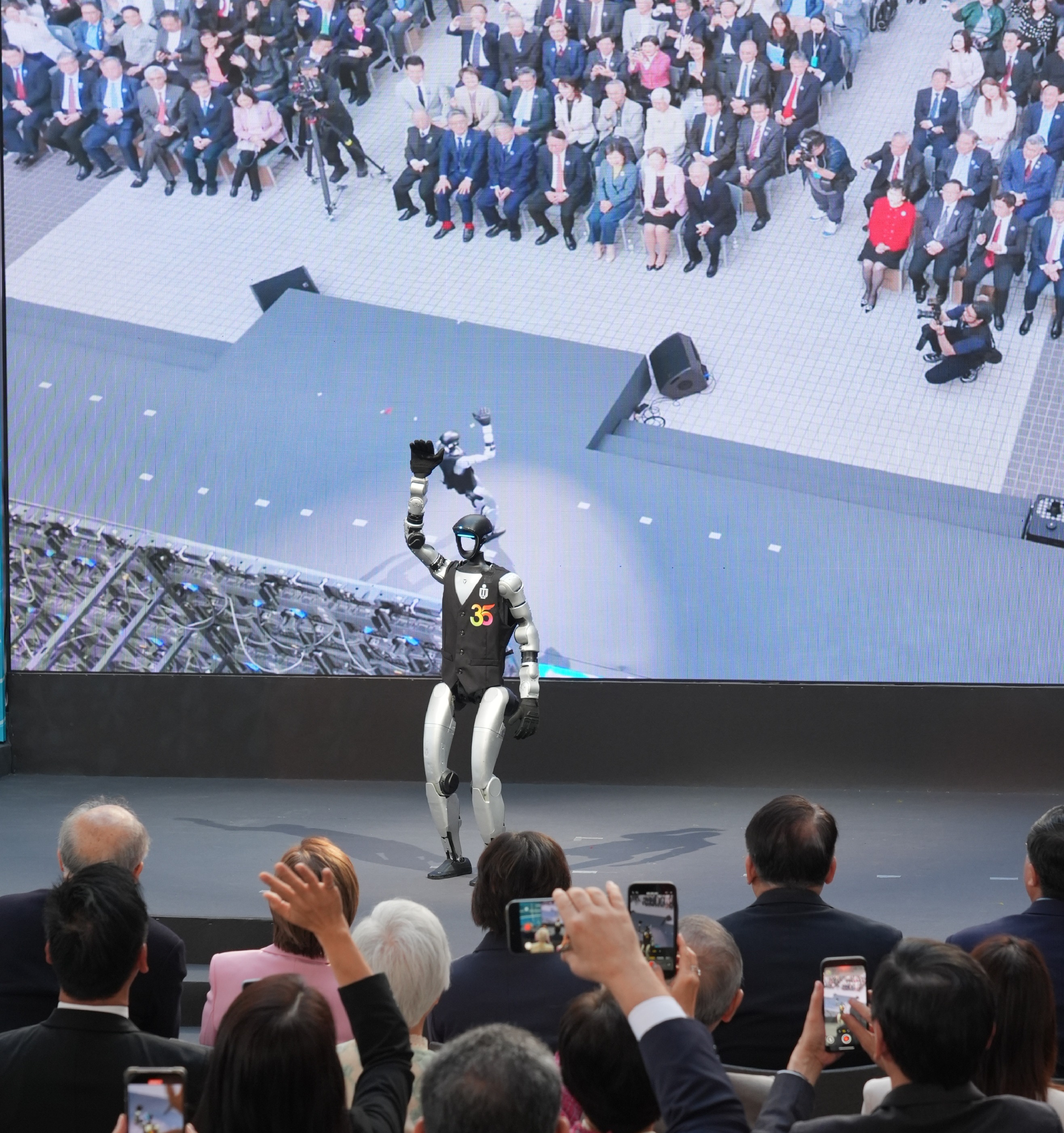
The launch ceremony also introduced a new friend to the audience: VonNex, a humanoid robot controlled by a locomotive algorithm developed by a student team from the HKUST Von Neumann Institute. Powered by artificial intelligence, VonNex is capable of perceiving its surroundings and making autonomous decisions.
Sports enthusiasts were particularly intrigued by VonNex’s capabilities, as it can shoot basketballs, spar, and even catch fast-moving objects with precision.
The student team behind VonNex is working relentlessly toward an ambitious goal: developing a truly general-purpose AI agent capable of enhancing everyday human life.
Turning to aerial technology, DJI founder Frank Wang, a distinguished HKUST alumnus, generously donated two advanced drones to support research at HKUST’s Low Altitude Economy Center. Renowned worldwide for revolutionising aerial robotics, DJI has reshaped how drones are applied across industries and research domains. This drone technology not only aligns closely with national development priorities but also serves as a powerful bridge between alumni achievement and HKUST’s research excellence.
The 35th anniversary is ultimately a celebration of HKUST’s people: the visionary faculty who dare to explore the unknown, students who turn curiosity into invention, and alumni who impact industries while remaining deeply connected to their alma mater.
Our greatest miracles are not the technologies themselves, but the people who create them.
Sign Up for Our Latest News
Latest News
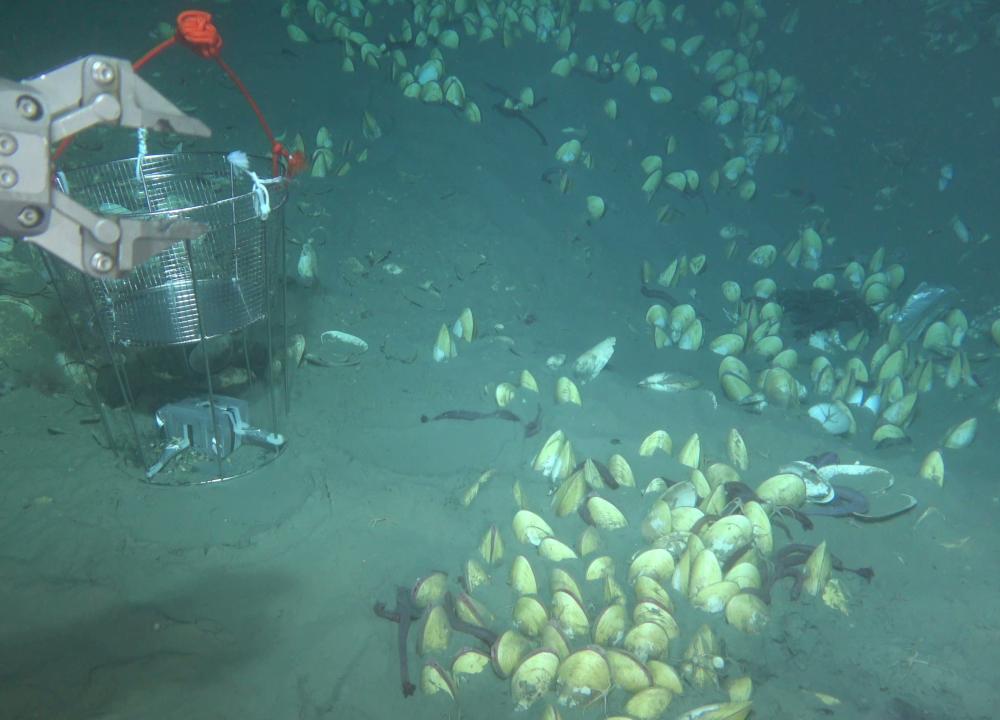
A research team led by Prof. QIAN Peiyuan, Chair Professor of the Department of Ocean Science at The Hong Kong University of Science and Technology (HKUST), in collaboration with international partners, has made significant progress in uncovering how deep-sea chemosynthetic symbioses cope with environmental change.
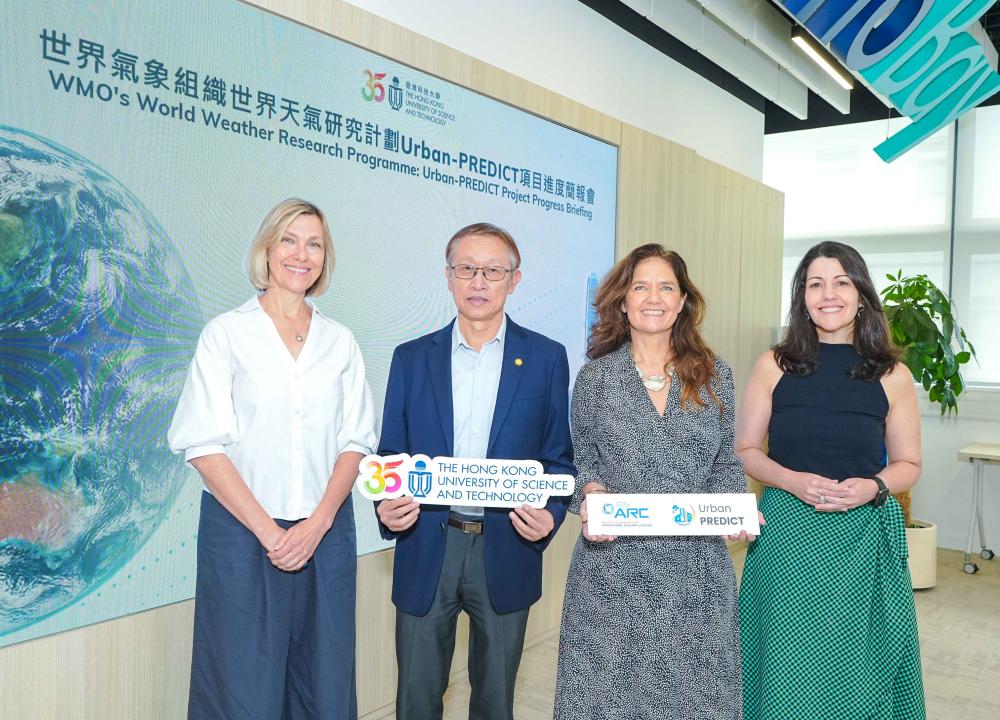
As climate change continues to intensify the frequency and severity of extreme weather events worldwide, a recent United Nations Environment Programme report warns that global temperatures are likely to exceed the 1.5°C threshold within the coming years, posing increasing risks to cities and communities around the world.

The Center for Technology and Business Ecosystem (CTBE) of the School of Business and Management at The Hong Kong University of Science and Technology (HKUST Business School), HKUST Shanghai Alumni Chapter, and Tencent Research Institute have successfully concluded the “NOVA: National AI Creativity Competition”.