





Early Detection of Alzheimer’s Through HKUST’s Community-based Scheme
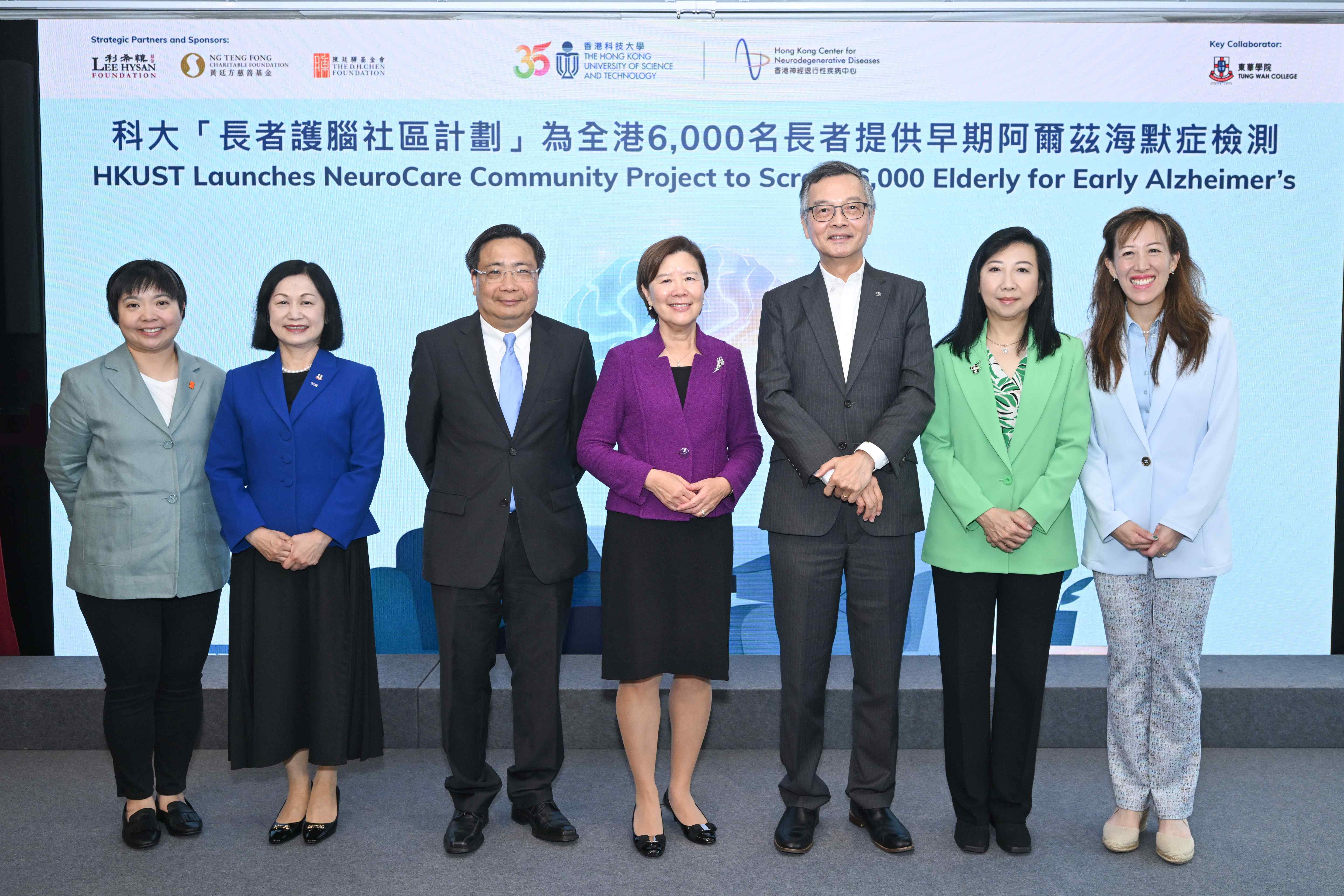
The NeuroCare Community Project is a five-year initiative aimed at the early identification of Alzheimer’s and dementia risk among older people in Hong Kong.


With the rapid aging of Hong Kong's population, it is projected that by 2039, individuals aged 65 or above will account for over 30% of the total population, making early intervention for cognitive health an urgent necessity.
This demographic shift highlights the critical need for effective strategies to address cognitive decline in the elderly.
One of these strategies is to promote the detection of Alzheimer's disease at the community level.
But this approach faces numerous obstacles. High testing costs, invasive procedures, and a lack of public awareness about the importance of early detection have hindered accessibility.
Caring for our community
Recognizing these challenges, the NeuroCare Community Project was launched to bridge this gap. This project supports early and proactive intervention at the community level to delay the symptoms of Alzheimer’s disease, thus alleviating pressure on caregivers and society at large.
The project is pioneering the use of HKUST technological innovations for community care by using a blood-based multi-protein test—the first of its kind in the world—at the community level.
“By integrating Alzheimer’s blood biomarkers across multiple biological pathways, this innovative, less-invasive technology enables early disease detection that can transform the trajectory of brain health—giving families the gift of time to plan, seek support, and take proactive steps together,” said Prof. Nancy IP, President of HKUST and Center Director of InnoHK Hong Kong Center for Neurodegenerative Diseases (HKCeND).
The project is led by HKUST researchers and supported by HKCeND. It is a collaboration with Tung Wah College, which coordinates the operations of frontline NGOs and community education initiatives, and it is supported by funding from the Lee Hysan Foundation, the Ng Teng Fong Charitable Foundation, and the D. H. Chen Foundation.
Early detection needed
This collaborative effort aims to create a more accessible framework for early detection and intervention.
“The blood based testing technology developed by HKUST represents a significant scientific breakthrough, as it is capable of identifying the risk of Alzheimer’s disease before patients are aware of any symptoms,” said Dr. the Honorable LAM Ching-Choi, Member of the Executive Council of the HKSAR Government and Chairman of the Advisory Committee on Mental Health.
“By identifying high risk individuals early, we can intervene at a very early stage. In the past, by the time patients noticed cognitive problems, it was often too late — the pathogenic proteins in the brain had already caused irreversible damage. If we can detect high risk cases at a very early stage — even before symptoms appear — drug development stands a real chance of controlling the disease,” he said.
Comprehensive evaluation
To implement this proactive approach, the NeuroCare Community Project adopts a structured four-stage method. Participants receive cognitive assessments and routine blood tests. At the same time, eligible individuals undergo biomarker testing and advanced brain imaging to identify early signs of Alzheimer’s and mild cognitive impairment. This systematic process ensures comprehensive evaluations tailored to individual needs.
Additionally, families affected by Alzheimer’s are connected to care pathways, enabling earlier intervention to better manage cognitive decline, reduce caregiver burden, and ease dementia-related anxiety. To maximize its impact, the project works with over 40 community centers operated by various NGOs and plans to screen 6,000 community-dwelling adults aged 60 to 75.
Ultimately, this innovative approach to care focuses on early identification—before clear symptoms emerge—because earlier interventions may slow cognitive decline, even though a cure remains elusive.
By combining pioneering HKUST technology with close collaboration with community stakeholders, we can improve the lives of people with diseases like Alzheimer's and related conditions.
Sign Up for Our Latest News
Latest News

The Hong Kong University of Science and Technology (HKUST) has successfully concluded the "Jobs and Development Conference 2026". As one of the signature events marking HKUST’s 35th anniversary, this year’s edition of the flagship international conference was held in Asia for the first time.
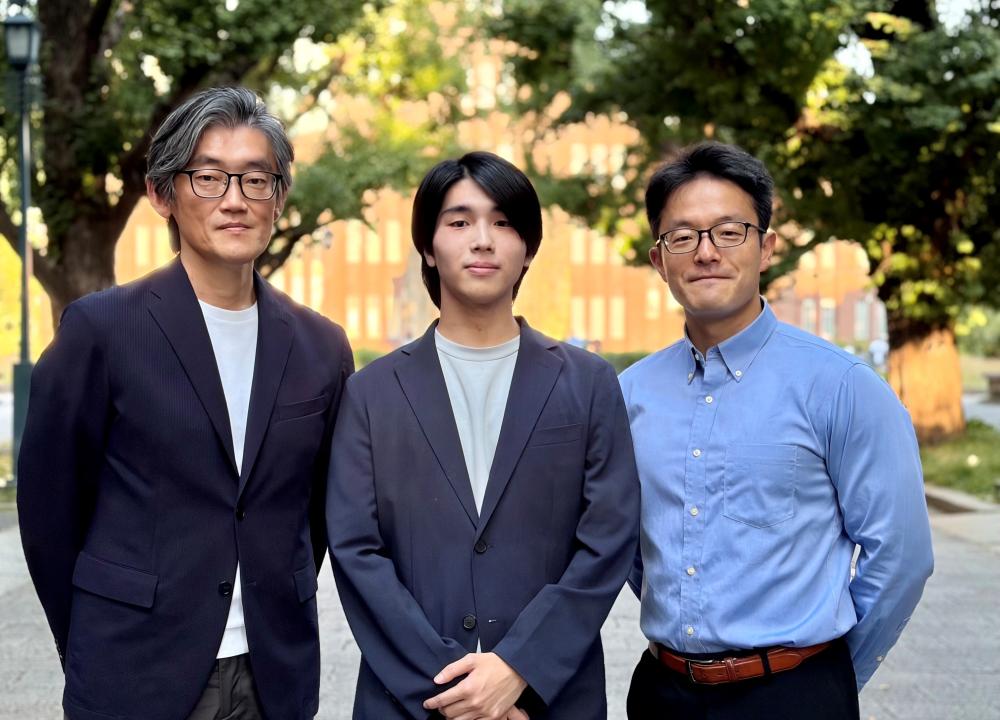
A research team led by Prof. Haruki WATANABE, Professor in the Department of Physics and the Jockey Club Institute for Advanced Study (IAS) at The Hong Kong University of Science and Technology (HKUST), in collaboration with Prof.

Co-organized by The Hong Kong University of Science and Technology (HKUST) and Sino Group, the HKUST-SINO One Million Dollar Entrepreneurship Competition 2026 Final and Award Ceremony was held today at Shaw Auditorium, HKUST. During the ceremony, HKUST and Sino Group also announced the launch of the HKUST InnoBay 1M PLUS program, extending the competition beyond a one-off contest into an ongoing platform for start-up incubation and technology commercialization.