


Q&A: Business School Dean on Nurturing Future BRI Leaders
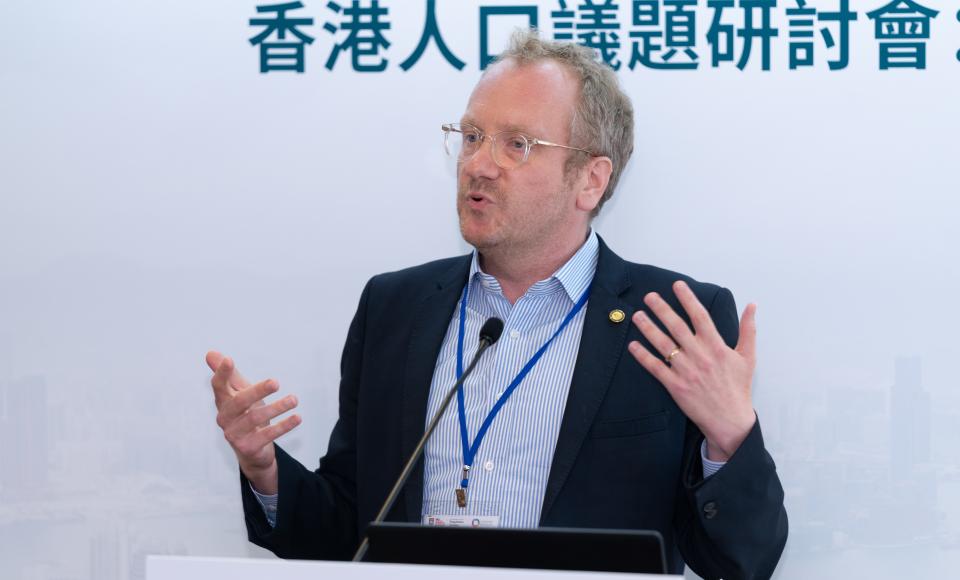
HKUST Business School is broadening its talent recruitment initiatives across the Belt and Road region, an increasingly important source of international students for the city’s tertiary education sector, according to Prof. Frederik Anseel, Dean of the HKUST Business School.
Boundless: What steps has HKUST taken to introduce courses and general curriculum content relevant to the Belt and Road Initiative (BRI)?
Prof. Anseel: At HKUST Business School, we have taken a multi-tiered approach to advance development across BRI countries. By offering business programs that span different academic levels and career stages, we combine global perspectives, regional insights, and world-class teaching. Our ultimate aim is to develop leaders who possess not only the hard skills required to navigate an increasingly complex global economy, but also the soft skills needed to build trust and collaborate effectively across cultures.
A prime example of this is our partnership with Saudi Aramco, through which we developed a custom MBA program in Saudi Arabia. The curriculum seamlessly combined HKUST’s globally recognized MBA courses with local market insights and energy sector expertise, creating a learning experience that was both internationally grounded and regionally relevant.
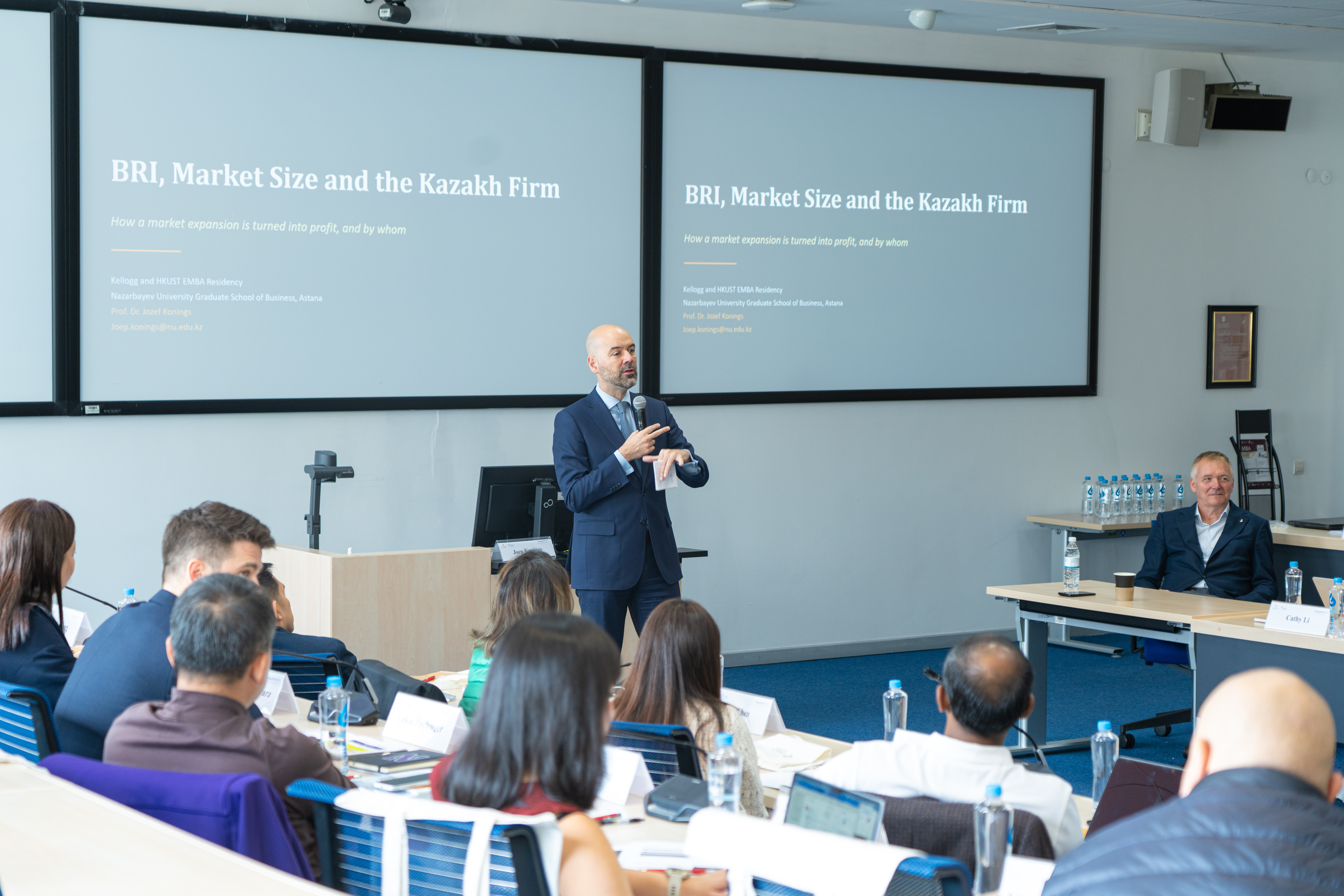
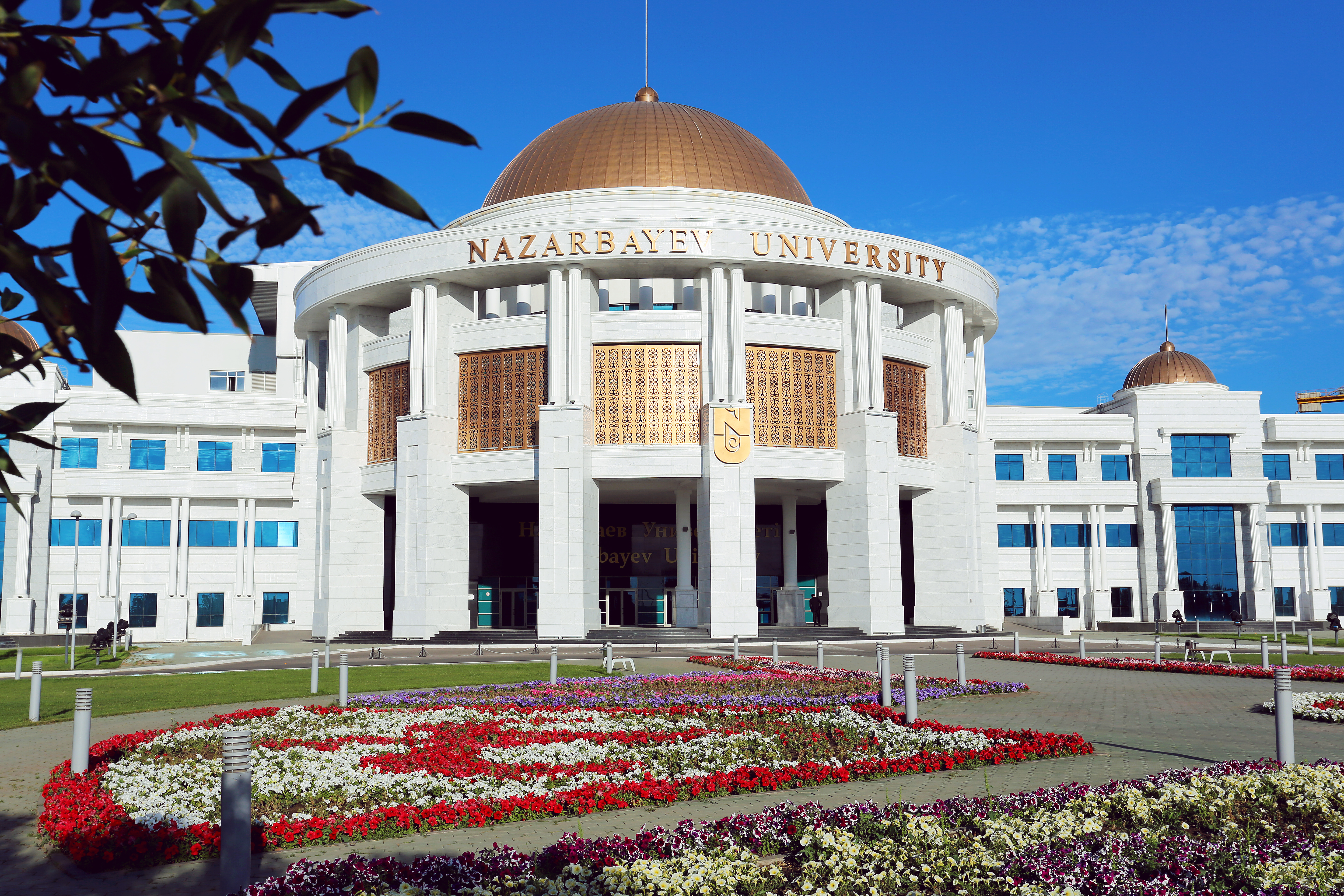
At the undergraduate level, we have launched Asia’s first joint Bachelor of Business Administration (BBA) in Eurasian Business with the Nazarbayev University Graduate School of Business (NUGSB). As HKUST’s first undergraduate program focused on emerging BRI markets, it enables students to develop a deep understanding of Eurasian economies while receiving a global business education through a unique dual-campus experience in Kazakhstan and Hong Kong.
Boundless: What has been the response from both local and international students?
Prof. Anseel: The response from both students and our partners has been highly encouraging. For instance, the custom MBA program co-developed with Saudi Aramco educated more than 120 Saudi-based executives between 2013 and 2019, establishing a lasting leadership network that continues to connect Hong Kong and Saudi Arabia today.
Beyond degree programs, we work closely with government agencies, central banks, foundations, and corporate partners across the BRI region to deliver executive education tailored to evolving economic and technological needs. We have welcomed participants from countries including Kuwait, Bahrain, Kazakhstan, Uzbekistan, Belarus, Georgia, Saudi Arabia, Russia, and South Africa into executive programs covering critical topics such as digital innovation, sustainable finance, and advanced data analytics.
At the broader university level, we are seeing robust interest from students across BRI countries in pursuing tertiary education at our institution. In fact, HKUST has the highest ratio of international to non-local undergraduate students among Hong Kong’s publicly funded institutions, currently hosting 625 students from 53 BRI countries and regions. Applications from BRI countries have grown strongly in recent years, nearly doubling between the 2025 and 2026 intakes. Alongside Kazakhstan, Azerbaijan and Uzbekistan have emerged as some of our fastest-growing recruitment markets, with applications from both countries more than doubling for the 2026 intake.
Boundless: What potential is there for future faculty and student exchanges, and what is happening already?
Prof. Anseel: There is immense potential for academic exchanges across the BRI region, and we are already seeing encouraging momentum. A standout example is our collaboration with NUGSB. As part of the academic partnership between our two schools, we have already initiated exchange opportunities for students from both institutions.
The inaugural BBA in Eurasian Business has recently welcomed its first cohort. This program is built around a distinctive 2+2 model that provides students with an extended, immersive cross-cultural learning experience. Students spend their first two years at Nazarbayev University in Astana, Kazakhstan, and their final two years at HKUST in Hong Kong, ultimately earning degrees from both institutions. This lays a strong, practical foundation for future faculty and student mobility.
Boundless: What are the best forums for promoting academic links with BRI countries, and why?
Prof. Anseel: I firmly believe that the most effective forums for promoting academic links with BRI countries are those that bring people together in person. Lasting partnerships are built through direct interaction and meaningful people-to-people connections.
Student exchanges and immersive study trips are among the most powerful examples of this. For instance, our Executive MBA program regularly organizes study trips to various Belt and Road countries, while executives from across the region come to Hong Kong for tailored programs. These initiatives bring students, business leaders, and policymakers together for intensive dialogue, fostering relationships that often blossom into broader institutional collaboration and giving participants firsthand exposure to different cultures and economic systems.
Boundless: How are you collaborating with industry to open up new fields of study?
Prof. Anseel: Industry collaboration plays a pivotal role in helping us identify emerging areas of study and ensuring our programs remain relevant to society’s evolving needs. We work closely with industry partners and organizations across BRI economies to understand exactly what capabilities future leaders will need.
For instance, through our close work with the energy, logistics, and financial sectors across BRI economies, we have identified a growing need for expertise in areas like sustainable supply chain management and green finance, which we are now actively integrating into our curriculum.
Executive education provides another vital channel for industry engagement. Through strategic partnerships with both private and public organizations in BRI countries, we deliver targeted programs that cover emerging areas such as enterprise risk management, the strategic application of new technologies, and data-driven leadership, ensuring regional executives are equipped to drive innovation.
Boundless: What do you see as the next developments to keep HKUST moving forward in this area?
Prof. Anseel: Looking ahead, I see three clear priorities for sustaining our momentum in this area. First, we must continue to deepen educational partnerships that connect talent, ideas, and opportunities across BRI economies. Second, we should build on our core strengths at the intersection of business and technology. Across many BRI countries, organizations are actively navigating the opportunities and challenges created by rapid technological advancements and the shifting global economic landscape. We are uniquely positioned to provide the knowledge and frameworks they need to thrive. Third, we must further strengthen our role as a convenor and meeting place. By leveraging Hong Kong’s unique position as a gateway between China and the world, we can connect industries, talent, and ideas across the entire Belt and Road region.
Going forward, by continuing to connect talent, technology, and ideas, HKUST can play an even greater role in fostering innovation, strengthening mutual understanding, and supporting sustainable development across the Belt and Road region.