






HKUST Launches World's First Deep-Sea Multi-Omics Resource Platform Empowering Global Research into Biological Adaptation in Extreme Environments


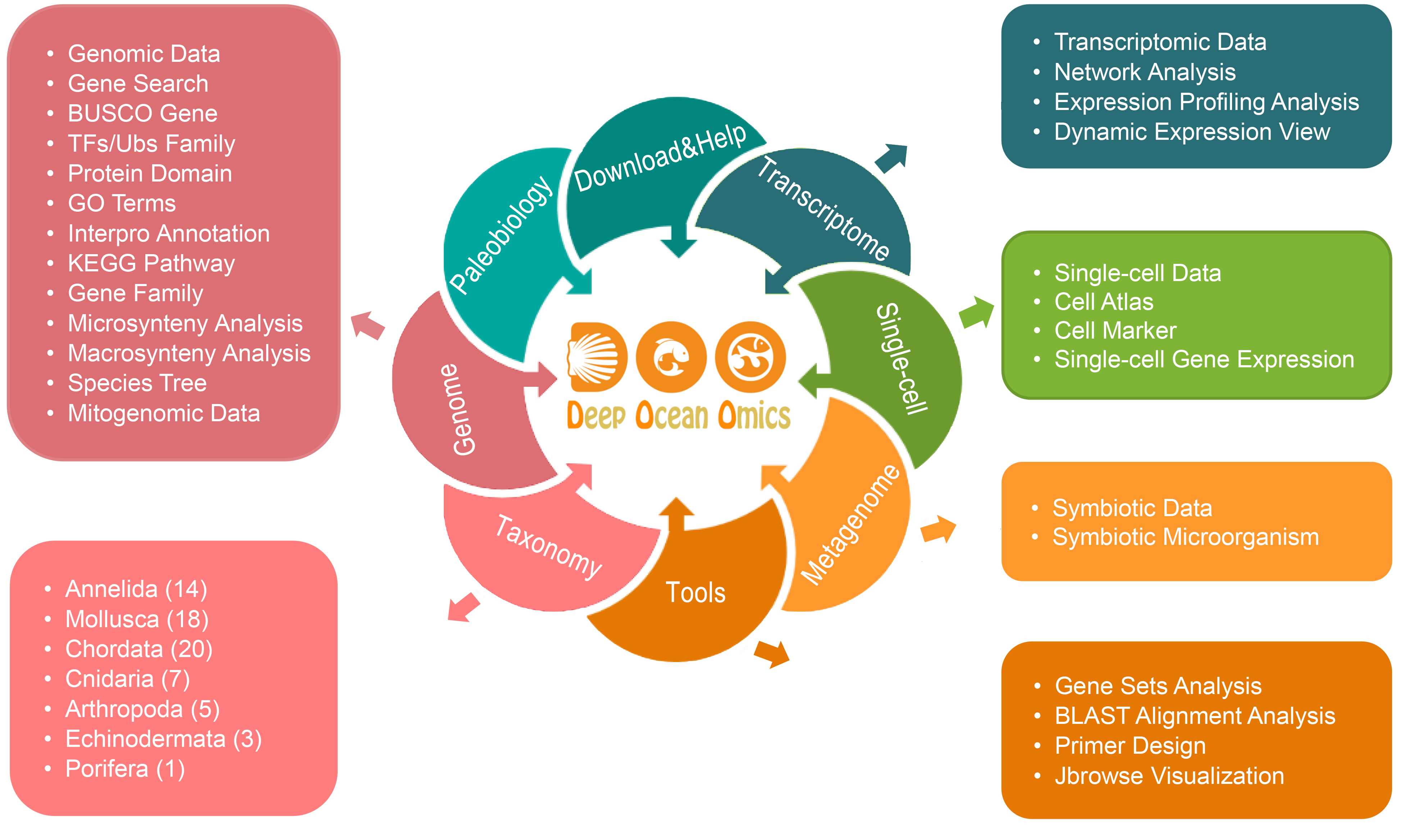
The Hong Kong University of Science and Technology (HKUST), in collaboration with the Southern Marine Science and Engineering Guangdong Laboratory (Guangzhou), has launched the world's first Deep Ocean Omics (DOO) database (https://DeepOceanOmics.org/). As the largest platform of its kind, DOO integrates and analyzes multi-omics data from organisms thriving in the ocean's most extreme environments, alongside customized analytical tools to support cross-species comparative and evolutionary studies. By facilitating the utilization of deep-sea biological resources, the platform aims to advance scientific understanding of deep-sea biodiversity and ecosystems, and to foster global research and applications related to biological adaptation in extreme environments.
The deep ocean—defined as depths below 1000 meters— is one of Earth's largest yet least explored ecosystems. It hosts extraordinary biodiversity shaped by extreme conditions such as high pressure, oxygen deficiency, perpetual darkness, low temperatures, and limited nutrients. Although recent advances in high-throughput sequencing technologies have generated vast omics datasets from deep-sea species—revealing their unique adaptations in genetic, metabolic, and symbiotic mechanisms, the absence of unified resources, standardized data, and specialized analytical tools has hindered the consolidation and exploration of these multi-omics datasets.
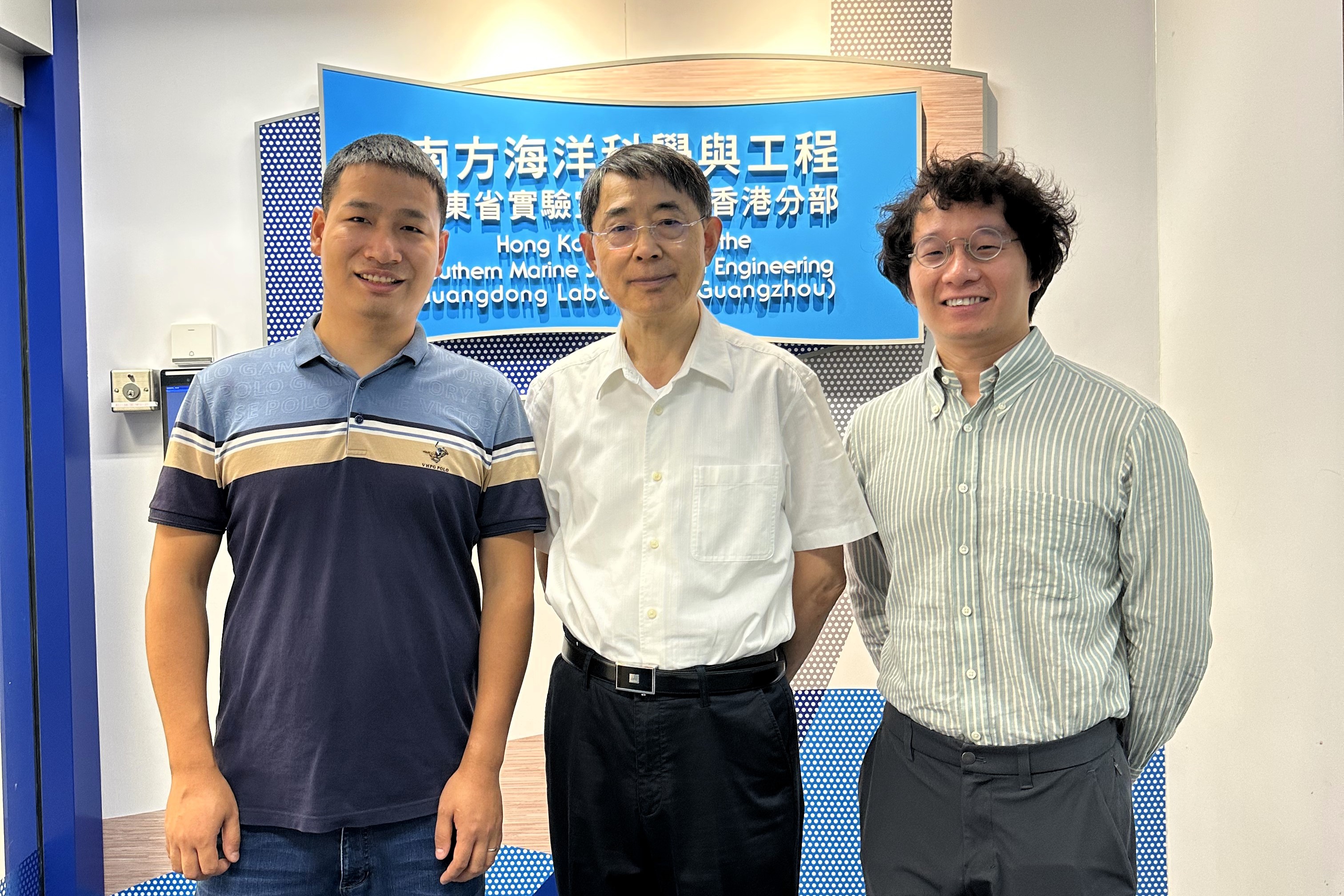
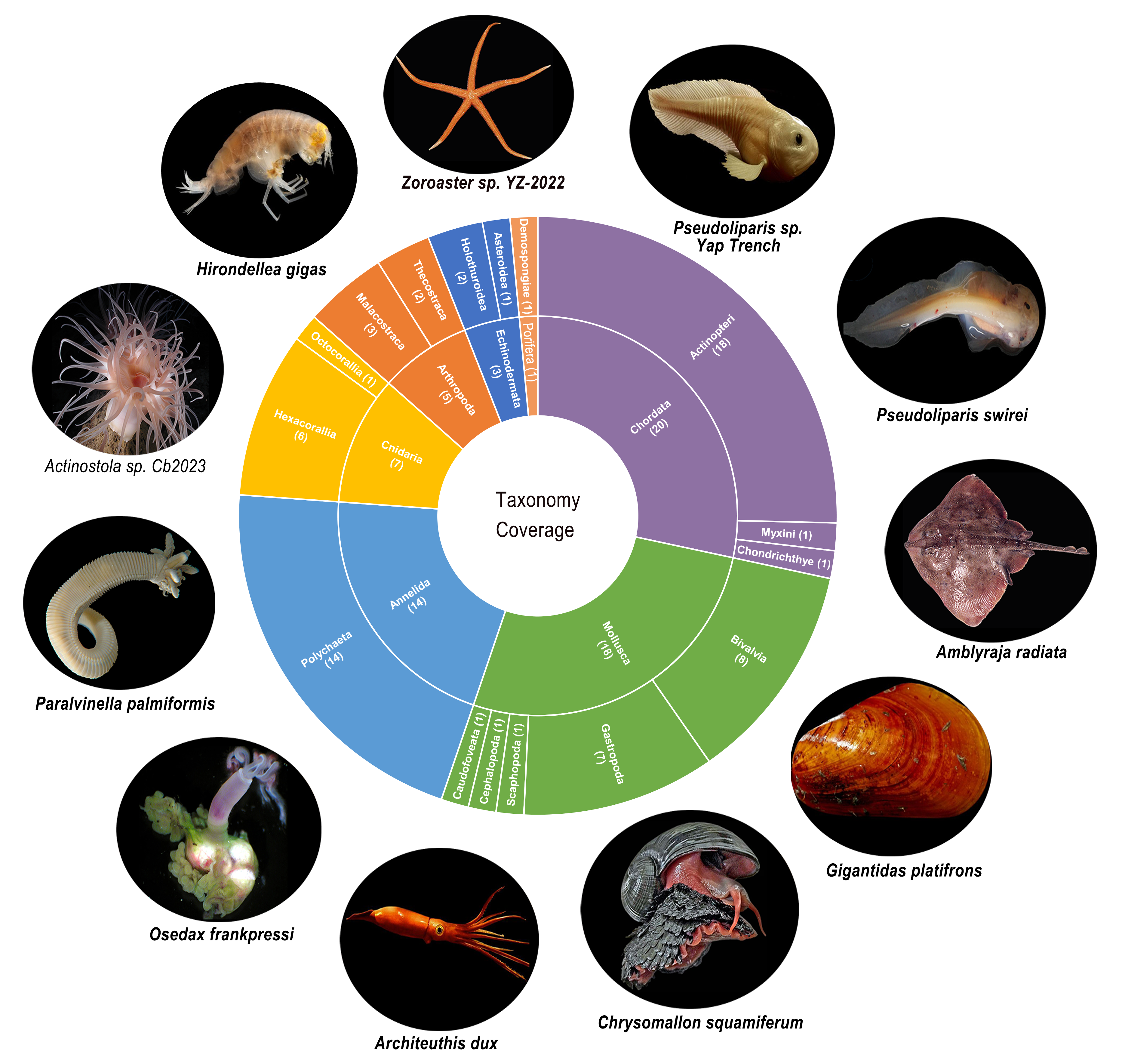
To bridge this critical gap, a research team led by Prof. QIAN Peiyuan, Chair Professor of the Department of Ocean Science (OCES); Prof. WU Longjun, Assistant Professor of OCES; and Dr. SHE Jiajie, a postdoctoral researcher at HKUST, manually collected and integrated multi-omics data from 68 deep-sea animal species, including 72 genomes, 950 transcriptomes, 1,112 metagenomes, and 15 single-cell transcriptomes. Spanning seven phyla (Mollusca, Annelida, Arthropoda, Chordata, Cnidaria, Echinodermata, and Porifera), the database covers species from diverse deep-sea habitats such as cold seeps, hydrothermal vents, and seamounts. It also incorporates 1,413 fossil records to support evolutionary analysis of environmental adaptation strategies in deep-sea organisms. This makes DOO the most comprehensive multi-omics platform for deep-sea species in both taxonomic breadth and data dimensions.
The platform provides three specialized analytical modules:
• Gene and Genome Module: For structural and functional annotation, transcription factors, ubiquitin families, transposons, gene family analysis and more.
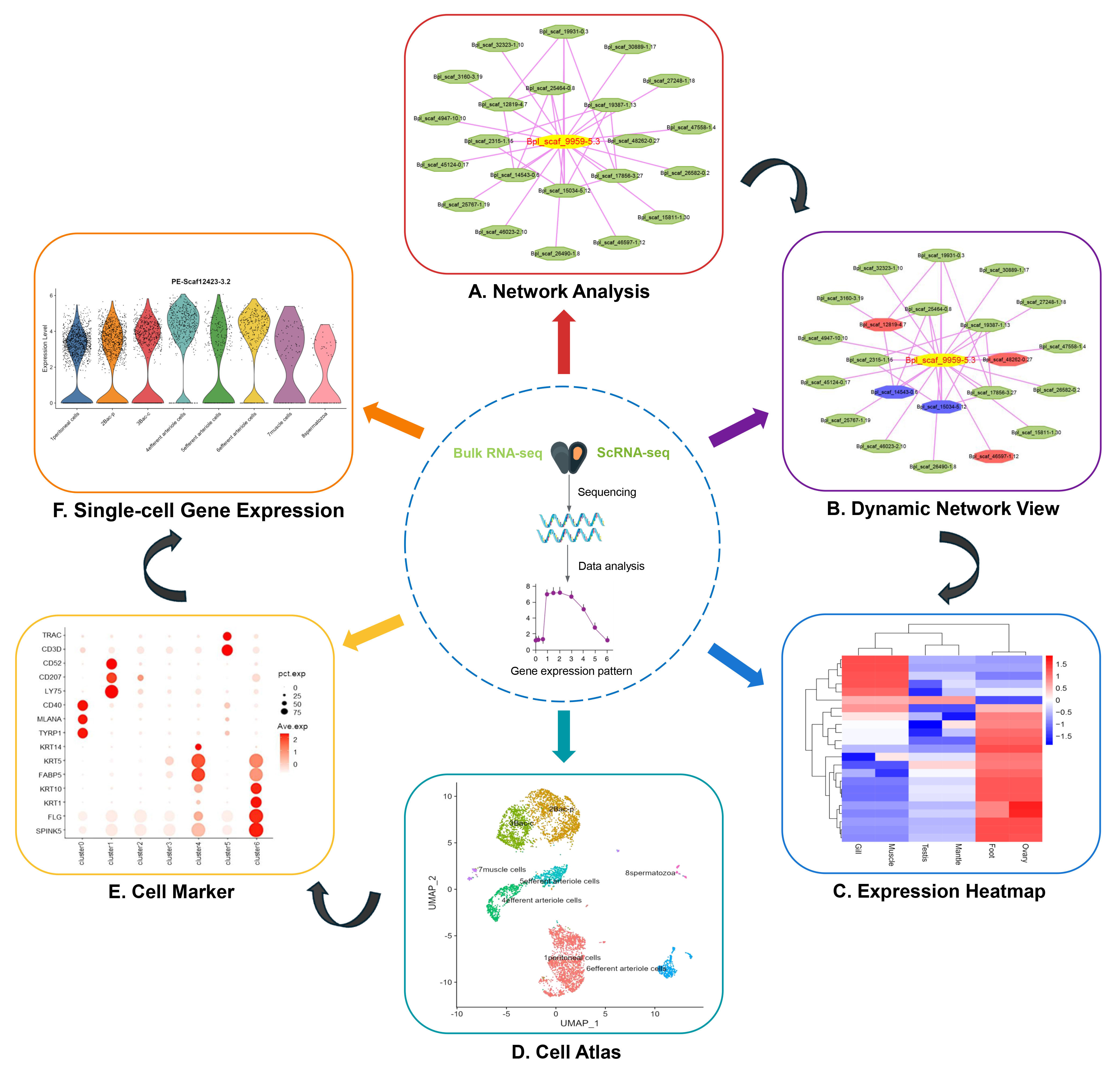
• Functional Genomics Analysis Module: Featuring gene co-expression networks, dynamic network views, single-cell data visualization, and metagenomic analysis.
• Evolutionary and Comparative Genomics Module: Enabling pan-gene set analysis, micro- and macro-synteny analysis among deep-sea species, ancestral karyotype reconstruction, and phylogenetic tree construction.
All data on the platform can be visualized interactively through a customized genome browser, offering users an intuitive interface for integrated exploration.
DOO's focuses on three key research applications: decoding genetic information critical for survival in extreme environments, tracing evolutionary trajectories of deep-sea lineages, and studying host-microbe symbiosis essential for chemosynthetic ecosystems. As the first dedicated deep-sea multi-omics platform, it offers free access to curated datasets and tools for comparative genomics, benefiting researchers worldwide. Since its launch, DOO has attracted over 1,500 users from 40 countries.
Prof. Qian Peiyuan highlighted the platform’s scientific impact, stating, "By integrating multi-omics data, DOO enables systematic analysis of the adaptation mechanisms of deep‑sea organisms. It allows researchers to identify survival‑critical genes, reconstruct evolutionary histories spanning millions of years, and conduct large‑scale studies on chemosynthetic symbiosis. The consolidated data and tools provided by the database empower the global ocean science community to perform evolutionary and comparative genomic analyses more efficiently, thereby accelerating research into biodiversity and survival-adaptation strategies, and paving new pathways for humanity in addressing future challenges posed by extreme climatic environments."
The related paper, titled "DOO: Integrated Multi-Omics Resources for Deep Ocean Organisms," has been published in the prestigious journal Nucleic Acids Research. The study was co-corresponded by Prof. Qian Peiyuan and Prof. Wu Longjun, with Dr. She Jiajie as first author.
The project was supported by grants from the Southern Marine Science and Engineering Guangdong Laboratory (Guangzhou), the Otto Poon Center for Climate Resilience and Sustainability, the Research Grants Council of Hong Kong, and the Science and Technology Innovation Committee of Shenzhen.
About The Hong Kong University of Science and Technology
The Hong Kong University of Science and Technology (HKUST) (https://hkust.edu.hk/) is a world-class university known for its innovative education, research excellence, and impactful knowledge transfer. With a holistic and interdisciplinary pedagogy approach, HKUST was ranked 6th in the QS Asia University Rankings 2026, 3rd in the Times Higher Education’s Young University Rankings 2024, and 19th globally and 1st in Hong Kong in the Times Higher Education’s Impact Rankings 2025. Thirteen HKUST subjects were ranked among the world’s top 50 in the QS World University Rankings by Subject 2025, with “Data Science and Artificial Intelligence” coming in 17th worldwide and first in Hong Kong. Our graduates are highly competitive, consistently ranking among the world’s top 30 most sought-after employees. In terms of research and entrepreneurship, over 80% of our work was rated “internationally excellent” or “world leading” in the Research Assessment Exercise 2020 of the Hong Kong’s University Grants Committee. As of July 2025, HKUST members have founded over 1,900 active start-ups, including 10 Unicorns and 17 exits (IPO or M&A).
For media enquiries, please contact:
PR and Media Team, Global Engagement and Communication Office
Email: media@ust.hk
Sign Up for Our Latest News
Latest News

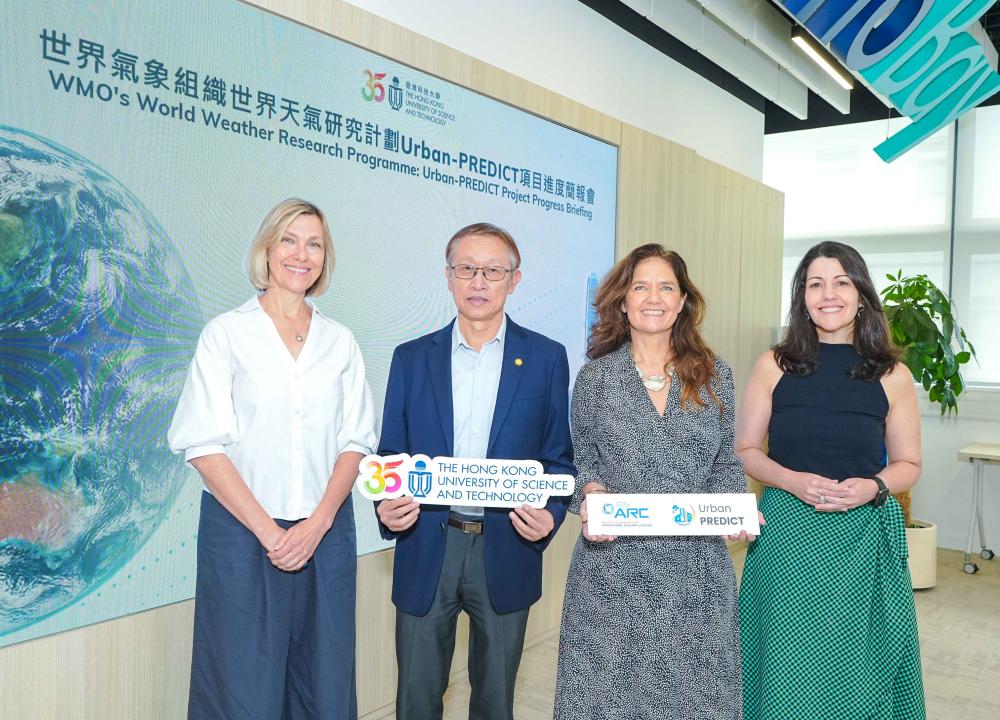
As climate change continues to intensify the frequency and severity of extreme weather events worldwide, a recent United Nations Environment Programme report warns that global temperatures are likely to exceed the 1.5°C threshold within the coming years, posing increasing risks to cities and communities around the world.
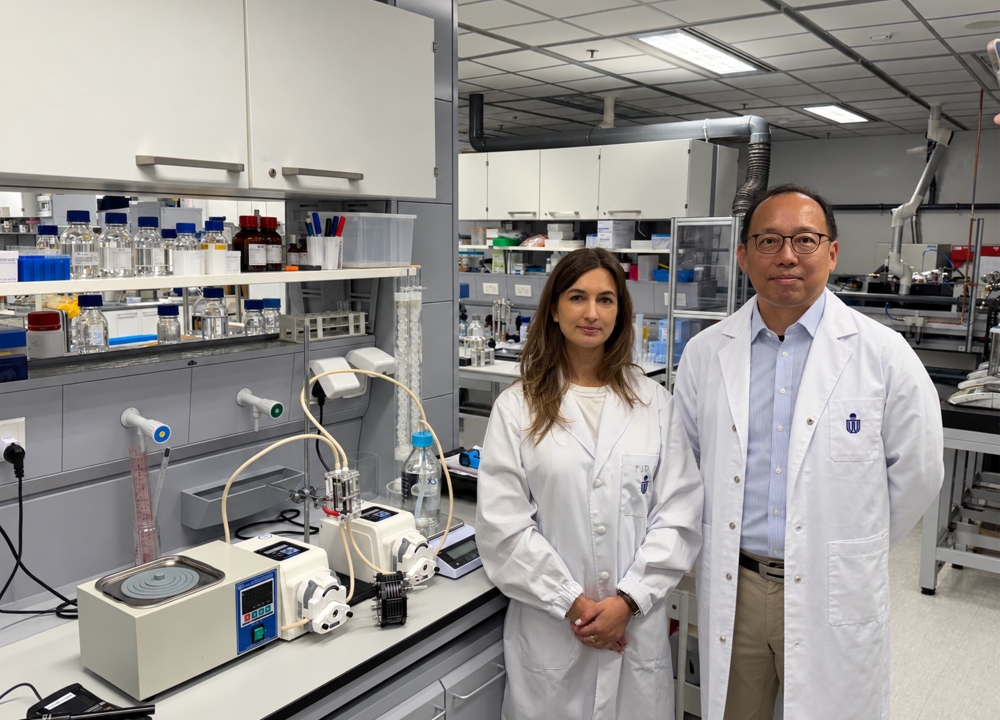
A research team from The Hong Kong University of Science and Technology (HKUST), in collaboration with Arizona State University (ASU) and The Hong Kong Polytechnic University (PolyU), has developed a sustainable integrated seawater-to-hydrogen system that can produce hydrogen directly from seawater while converting waste heat from electrolysis into a resource for producing the purified water required for hydrogen production. By integrating hydrogen pr