



HKUST and Times Higher Education Co-Host Asia Universities Summit 2026
Global Leaders Converge to Shape the Future of Higher Education in Asia

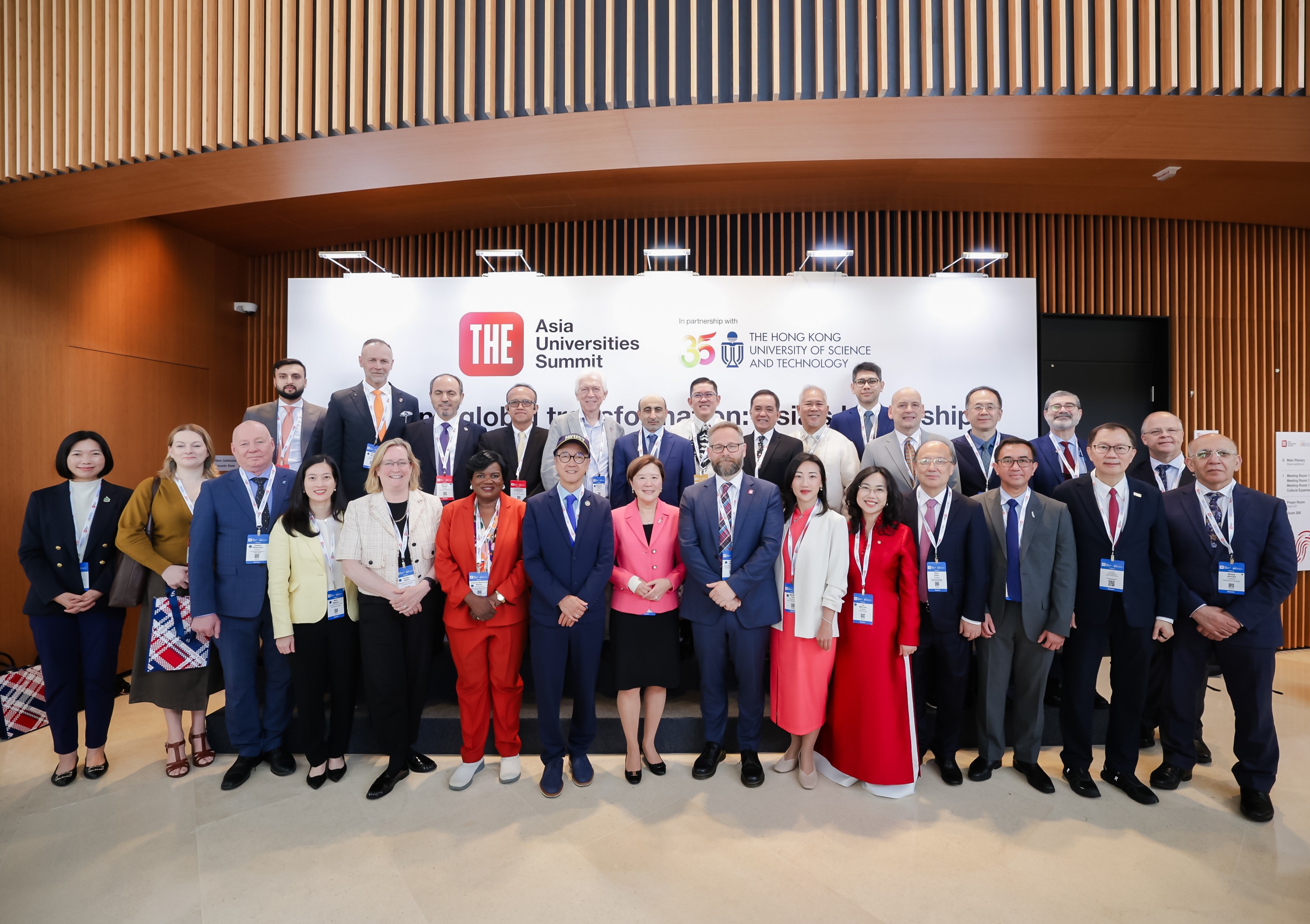
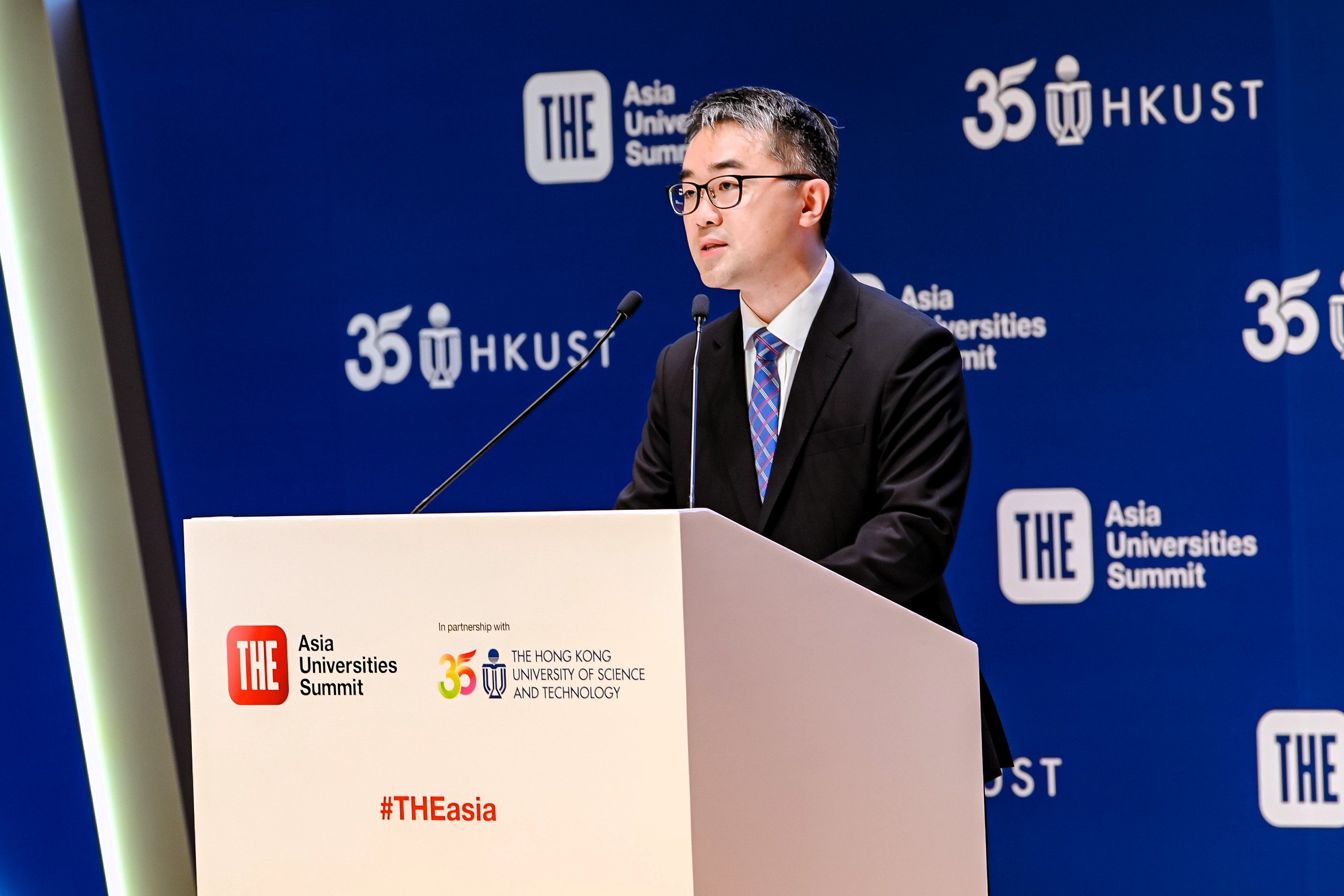
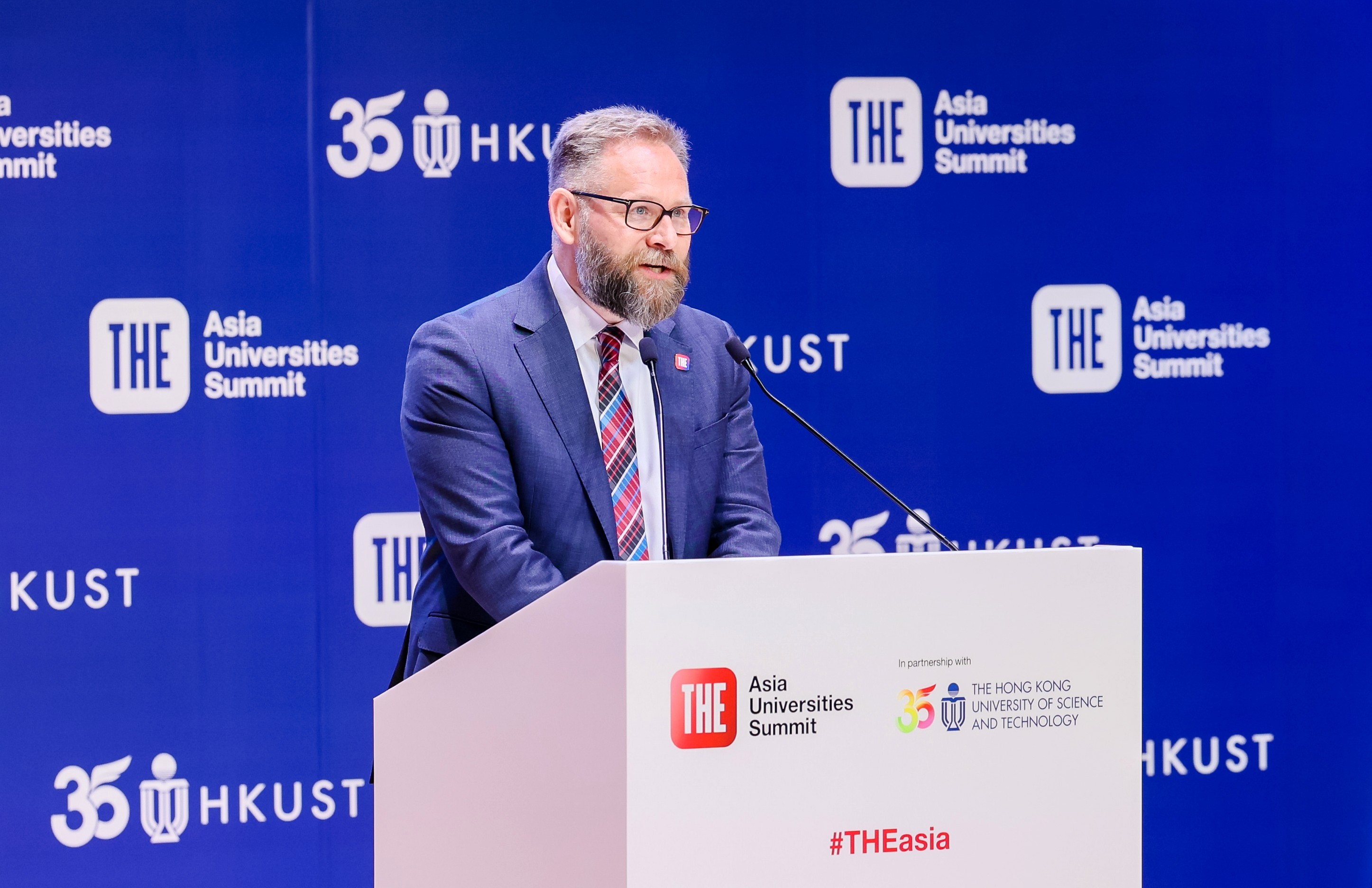
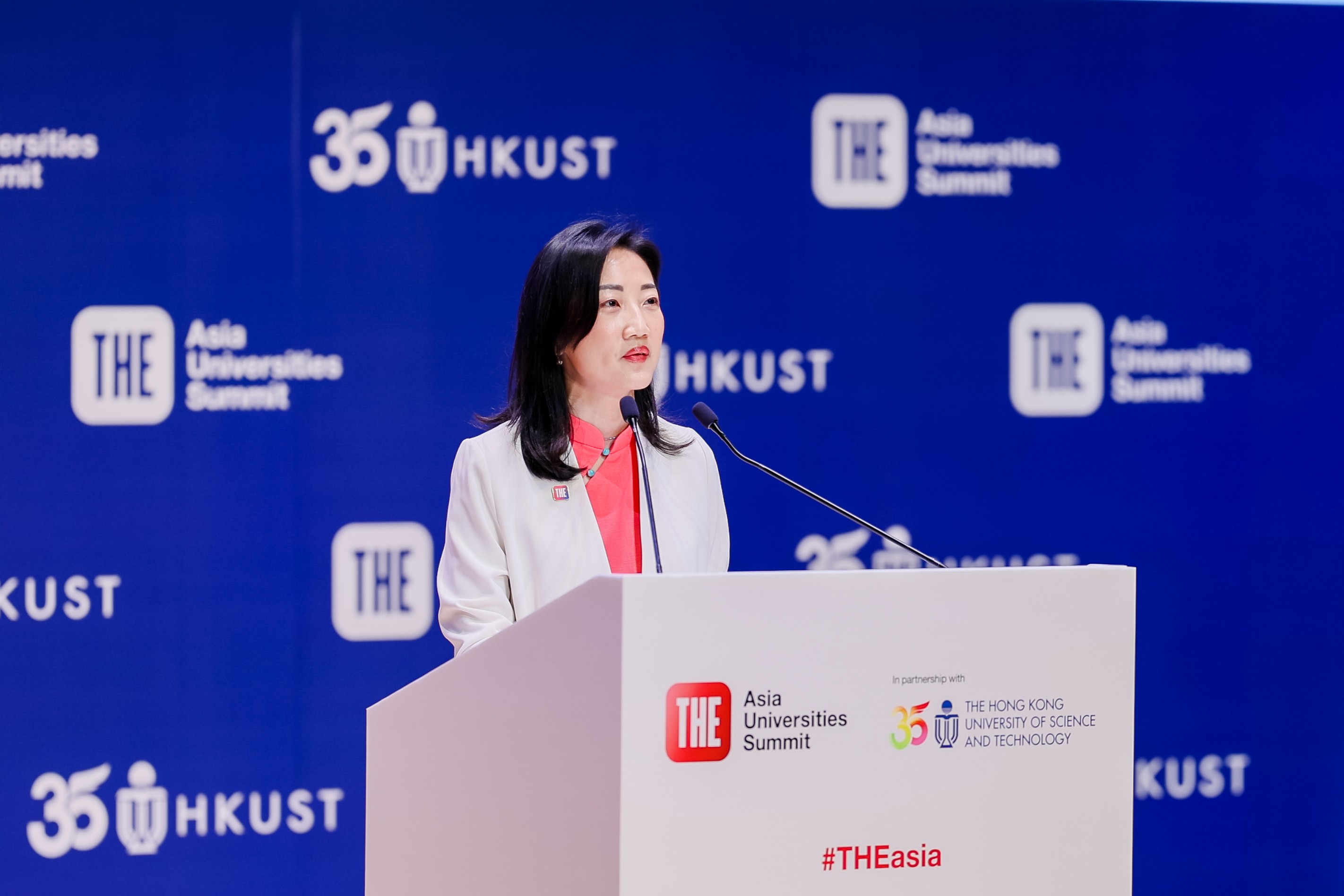
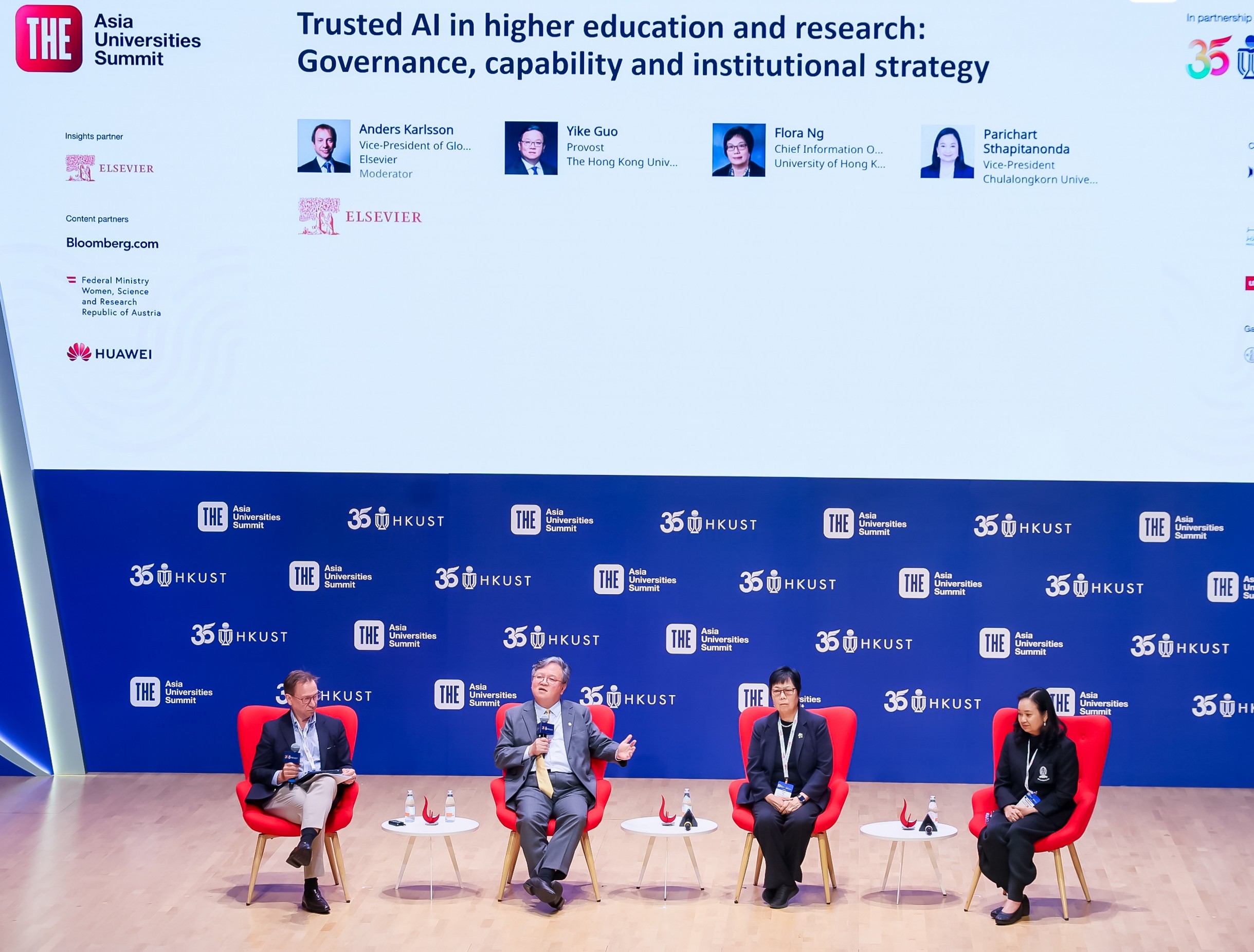
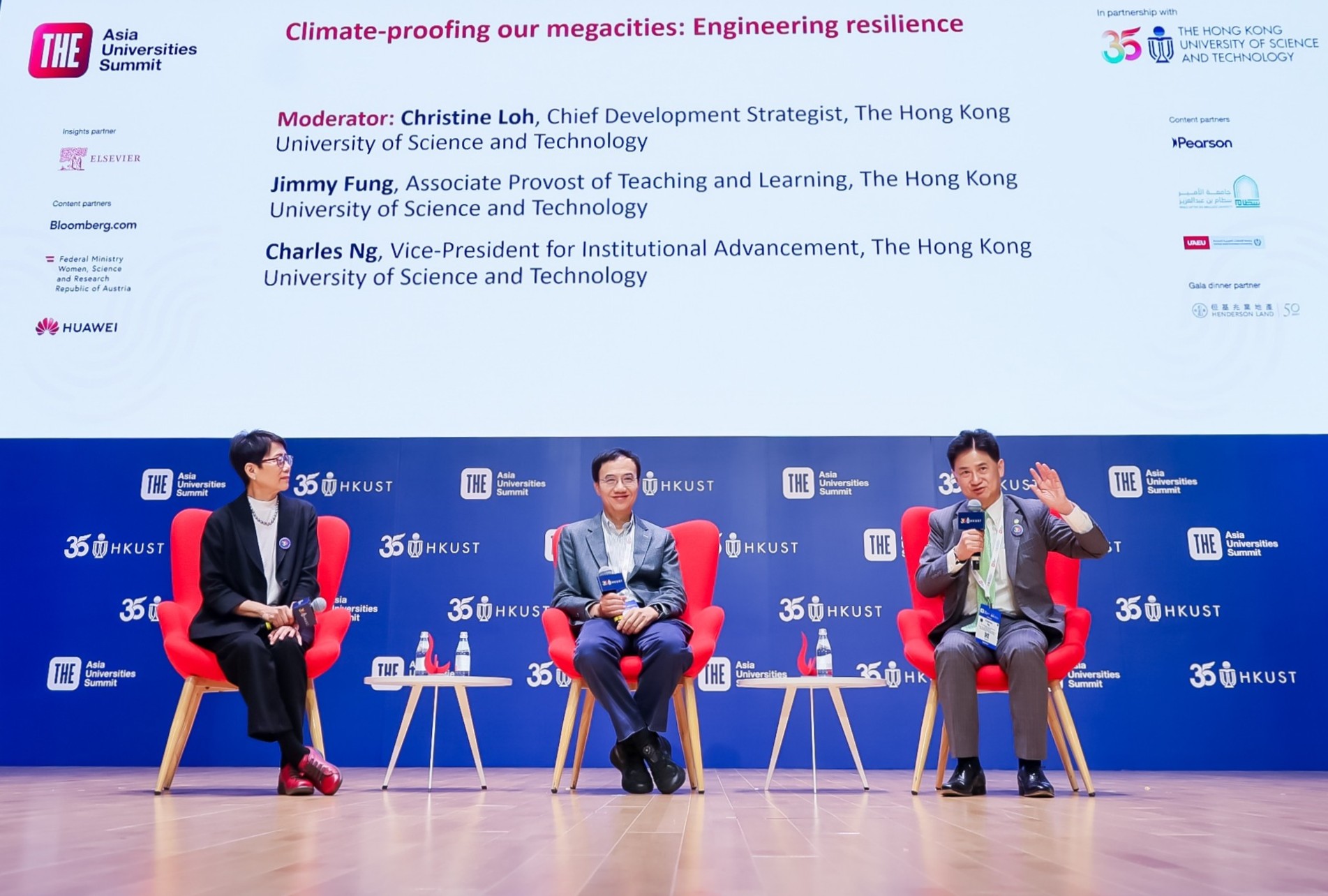
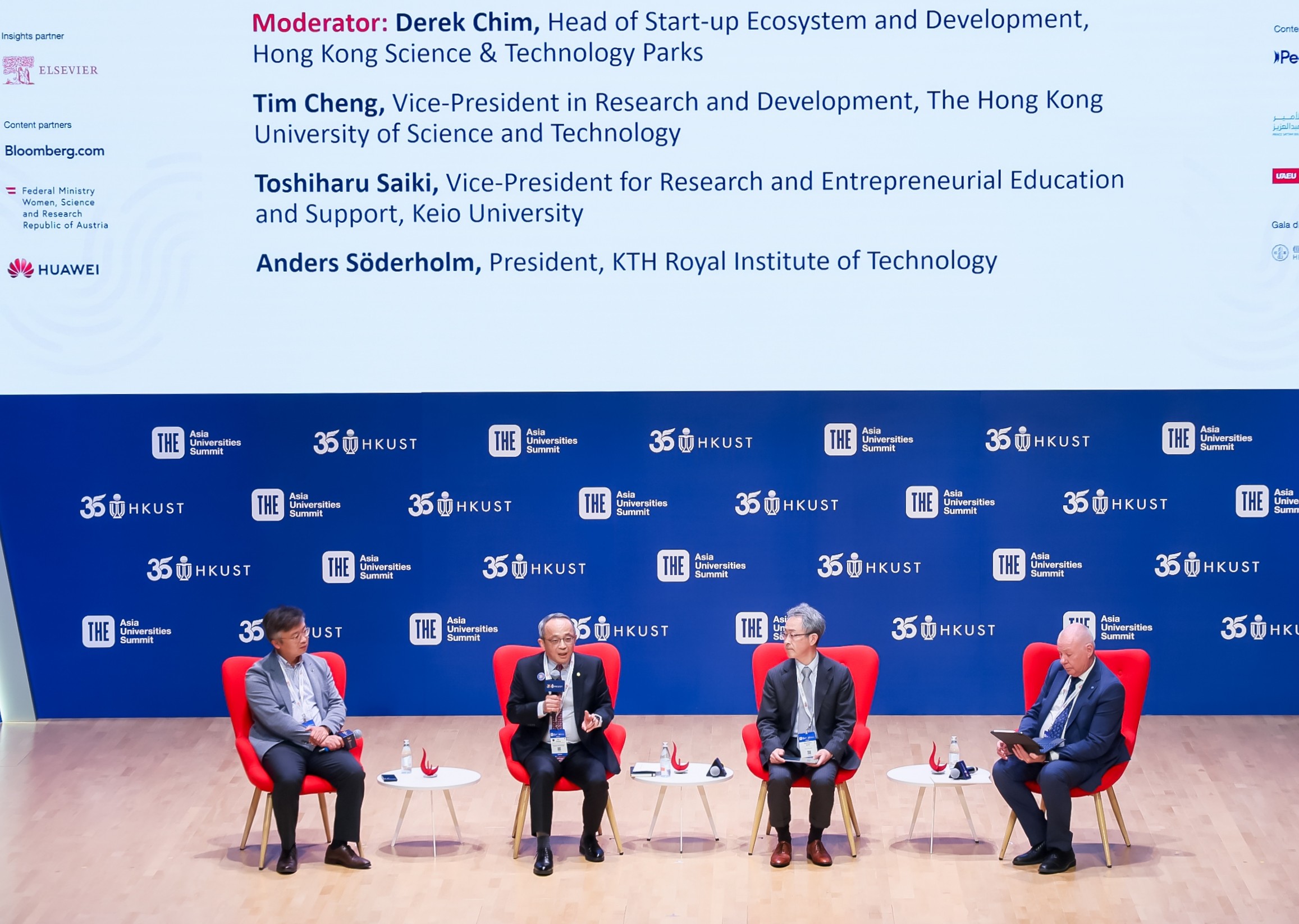
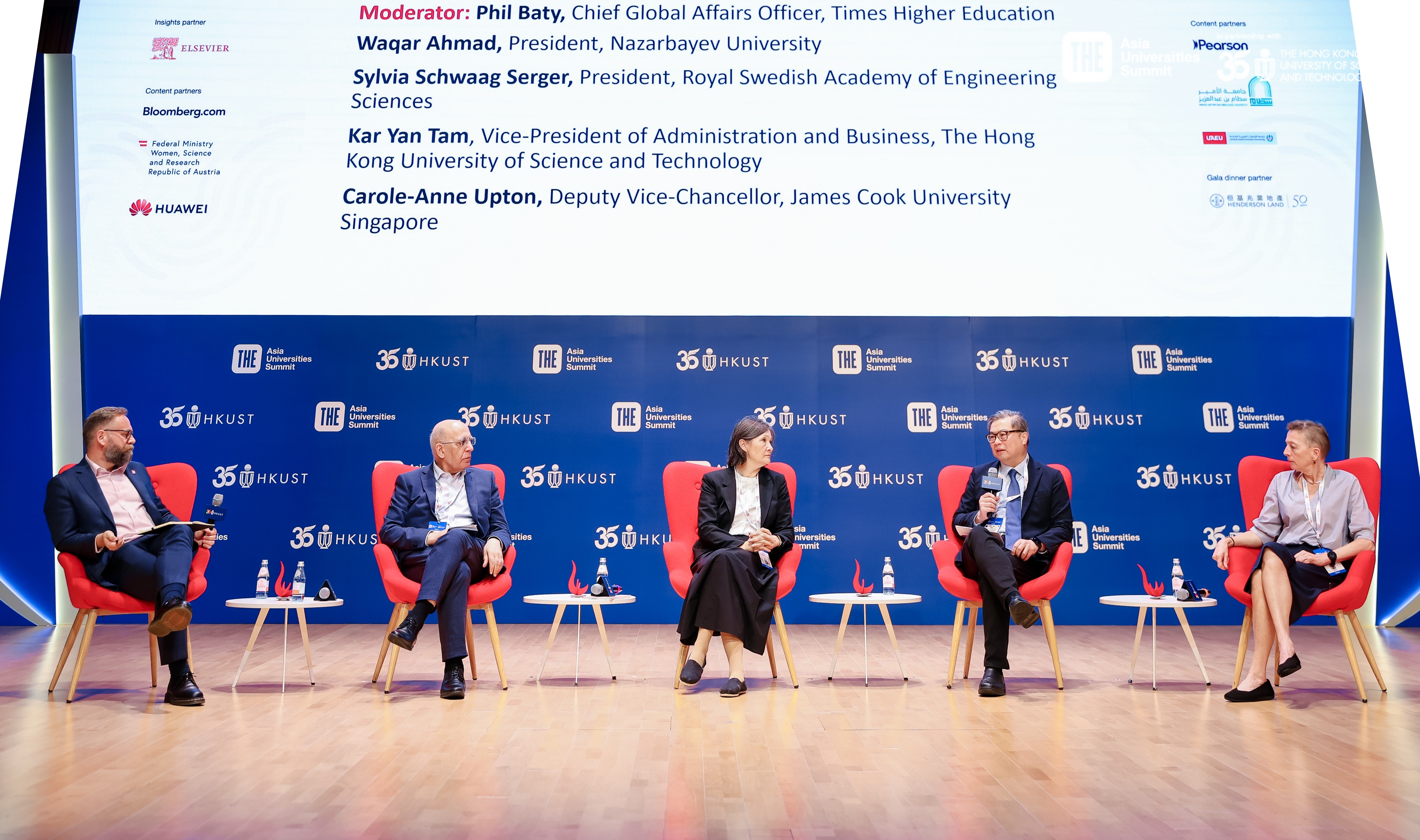
The Hong Kong University of Science and Technology (HKUST) and Times Higher Education (THE) co-hosted the Asia Universities Summit 2026 from April 22 to 24. Under the theme "Igniting Global Transformation: Asia's Leadership," the three-day premier event explores Asia's pivotal role in reshaping global innovation and addressing pressing societal challenges through higher education.
The Summit holds particular significance as it coincides with HKUST’s 35th anniversary and marks a decade of partnership between the University and THE since the inaugural summit. This year's event has attracted over 600 university presidents, policymakers, and industry titans from 25 countries and regions, underscoring a collective commitment to advancing the academic landscape across the continent.
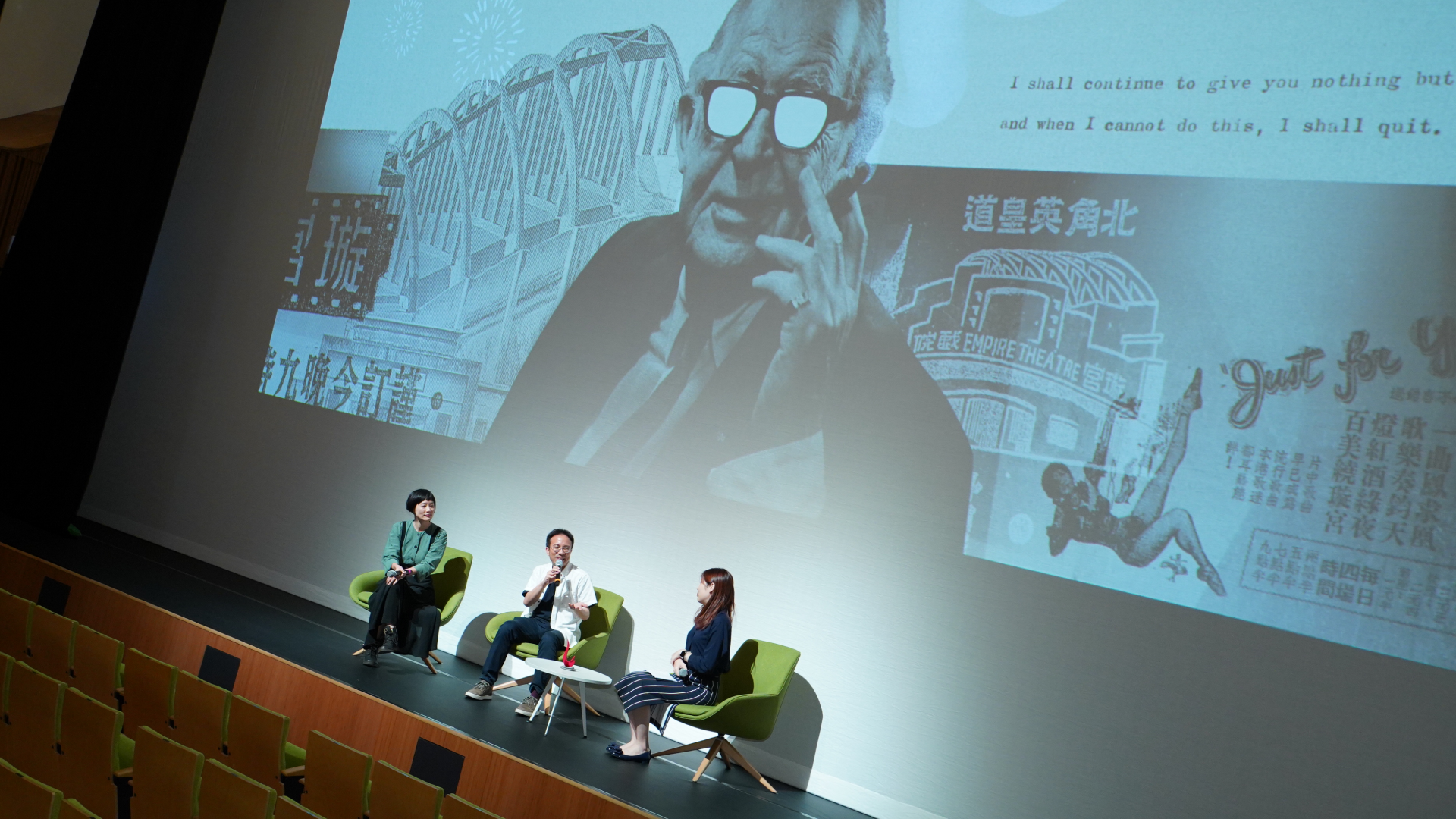
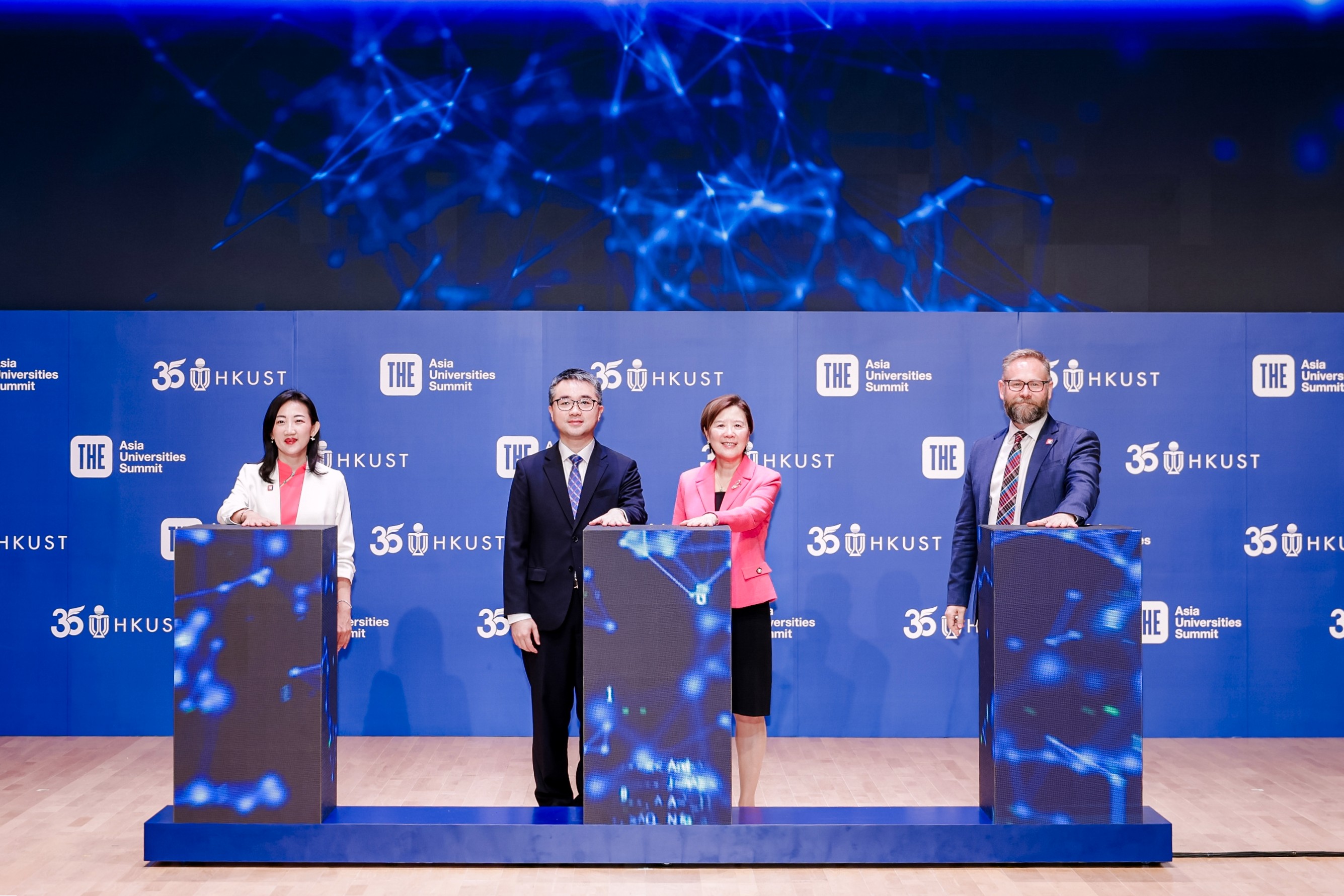
The Summit officially commenced on April 22 at HKUST's Shaw Auditorium, with the opening ceremony officiated by Dr. SZE Chun-Fai, Jeff, Acting Secretary for Education of the Hong Kong Special Administrative Region (HKSAR) Government; Prof. Nancy IP, President of HKUST; Phil BATY, Chief Global Affairs Officer, and Mei Mei LIM, President, Asia Pacific, from THE.
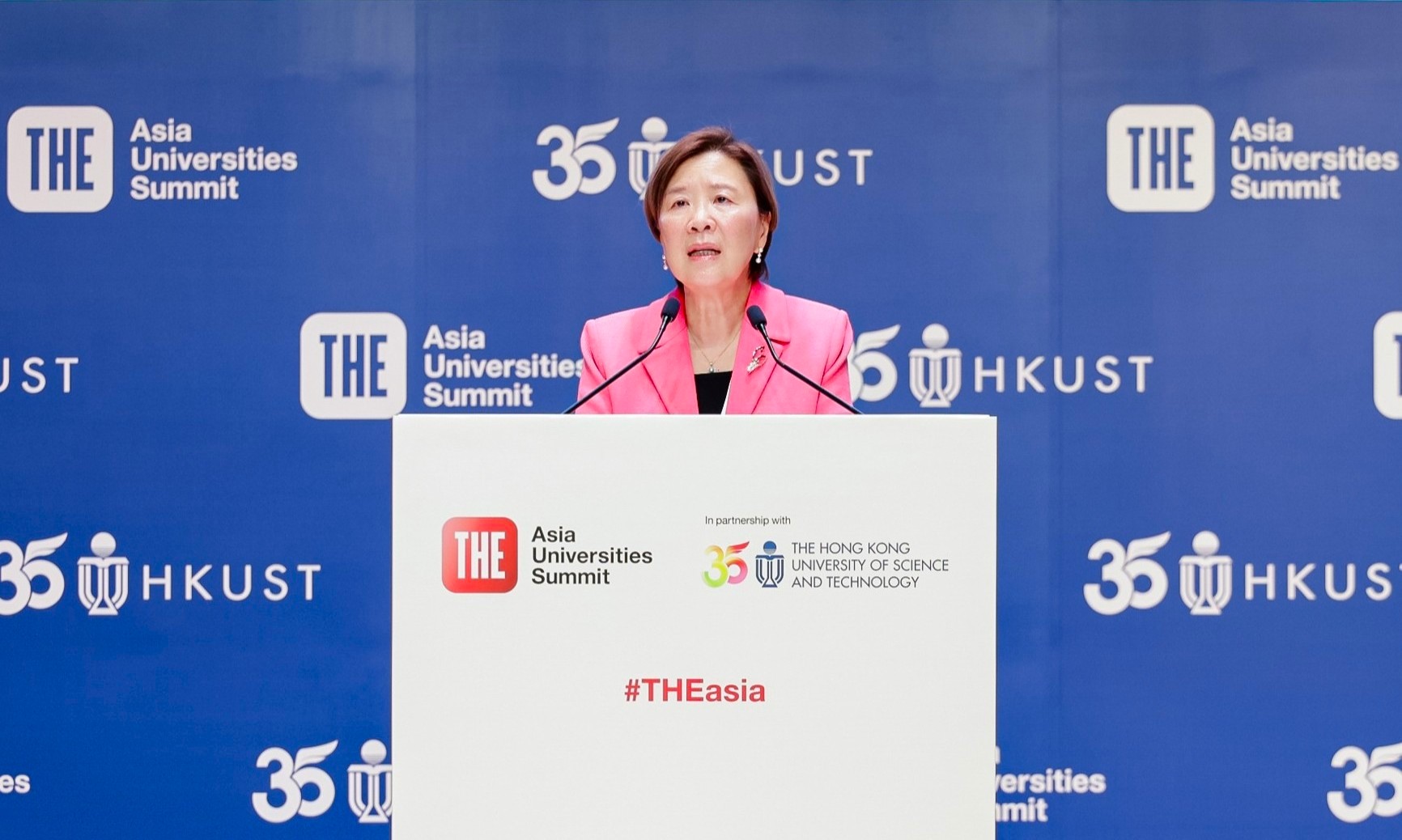
In her opening remarks, President Ip underscored the need for cross-border collaboration and the evolving role of universities in a rapidly changing world. She said, "As HKUST celebrates its anniversary and a decade of partnership with Times Higher Education, we gather at a defining moment for our region. Asia is increasingly shaping the direction of global innovation, talent development, and societal transformation. In this era of rapid technological advancement and constant change—from artificial intelligence to climate resilience—the challenge of progress lies in anticipating needs and shaping solutions, which calls for a fundamental rethinking of how universities lead. At HKUST, we firmly believe that no single institution can address these global challenges alone; progress will come through openness, partnership, and shared responsibility.
Hong Kong is unique in being the only city in the world with five universities ranked among the global top 100, underscoring its role as a leading international hub for exchange and innovation. Building on this strength, HKUST has initiated dialogues with the world’s leading universities and invited them to Hong Kong to explore opportunities for a university town. This Summit reflects our long‑standing commitment to bringing institutions together to exchange ideas, build meaningful collaborations, and take collective action. By convening leaders from across Asia and beyond, we aim to turn thoughtful dialogue into real impact for our communities and for society at large."
Dr. SZE Chun-Fai, Jeff, highlighted Hong Kong's unique position as an international education hub, stating, "Universities today are not only centers of knowledge creation but also powerful drivers of innovation, resilience, and societal impact. In an era of rapid technological advancement, higher education must translate cutting-edge research into real-world solutions that address global challenges. HKUST exemplifies this excellence and achieves remarkable rankings, with its entrepreneurial story equally unmatched, demonstrating the worldwide impact of its research discoveries. Hong Kong has long served as the world's super-connector and super-value adder, bridging East and West. Our highly internationalized and diversified post-secondary education system positions us ideally to facilitate this convergence between global academic networks and the opportunities of the Chinese Mainland and the wider region. Education, technology, and talent form a foundational triad for success. By fostering talent attraction, interdisciplinary education, industry-academic partnerships, and research collaborations with our counterparts elsewhere, we are building a vibrant ecosystem that strengthens Hong Kong's innovation edge, contributing to Asia as well as national development."
Phil Baty reaffirmed THE's enduring partnership of trust with HKUST and celebrated Asia's rising global influence, stating, "A decade ago, right here on this stunning campus, THE launched its first-ever Asia Universities Summit. Today, we are witnessing a tilt in the balance of power in global higher education and research from the West to the East. This extraordinary trajectory is driven by Asia’s booming research productivity and global ambitions. Hong Kong, with five universities now ranked among the world's top 100, stands at the heart of this transformation—a city which we believe will remain the flagship atop the rising tide across Asia, cementing its position as a world-leading powerhouse. New knowledge creation is not a zero-sum game, as we all gain from the leapfrogging Asian university sector. This Summit is a celebration of your excellence and the glorious diversity of our academic community."
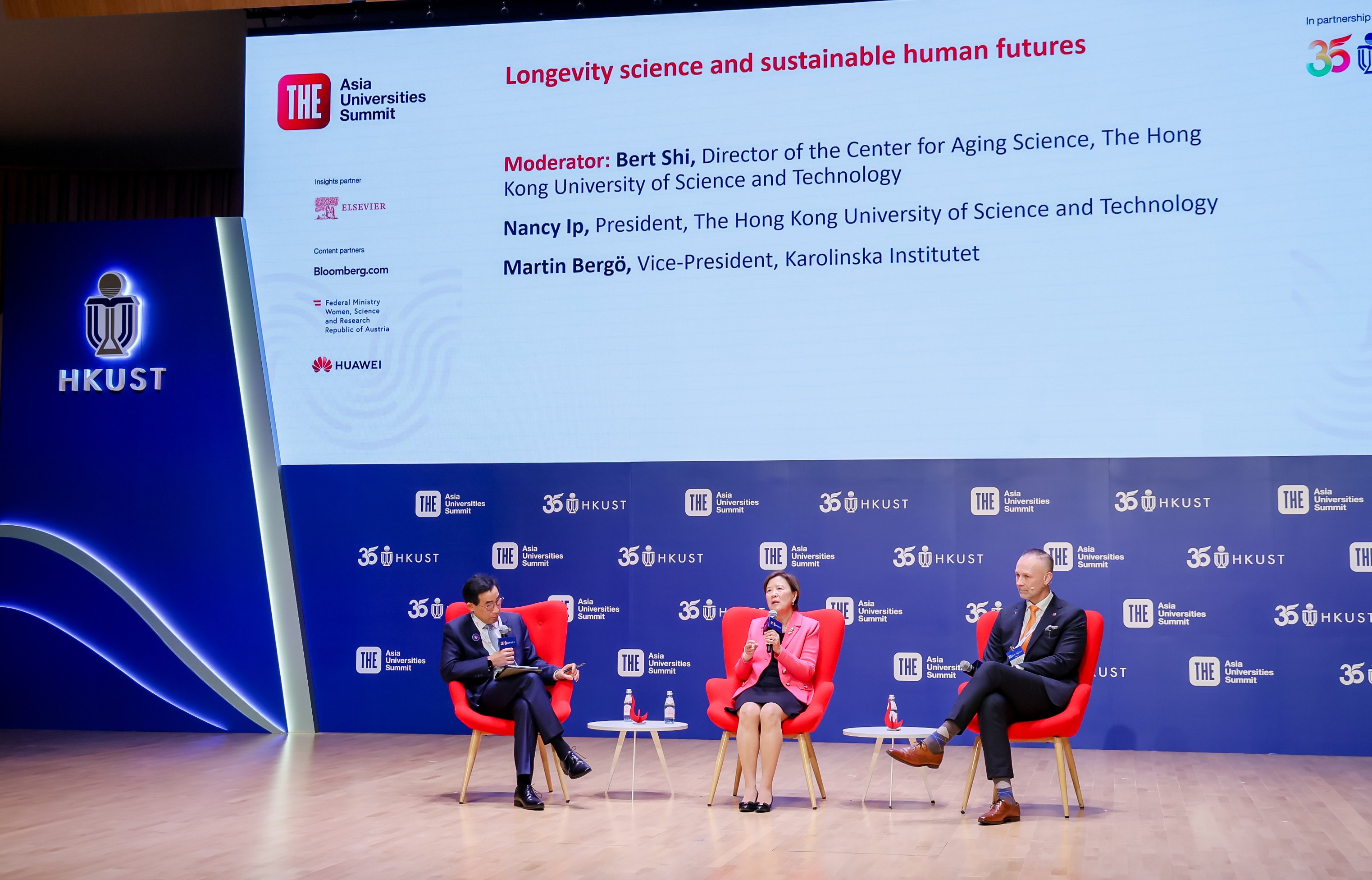
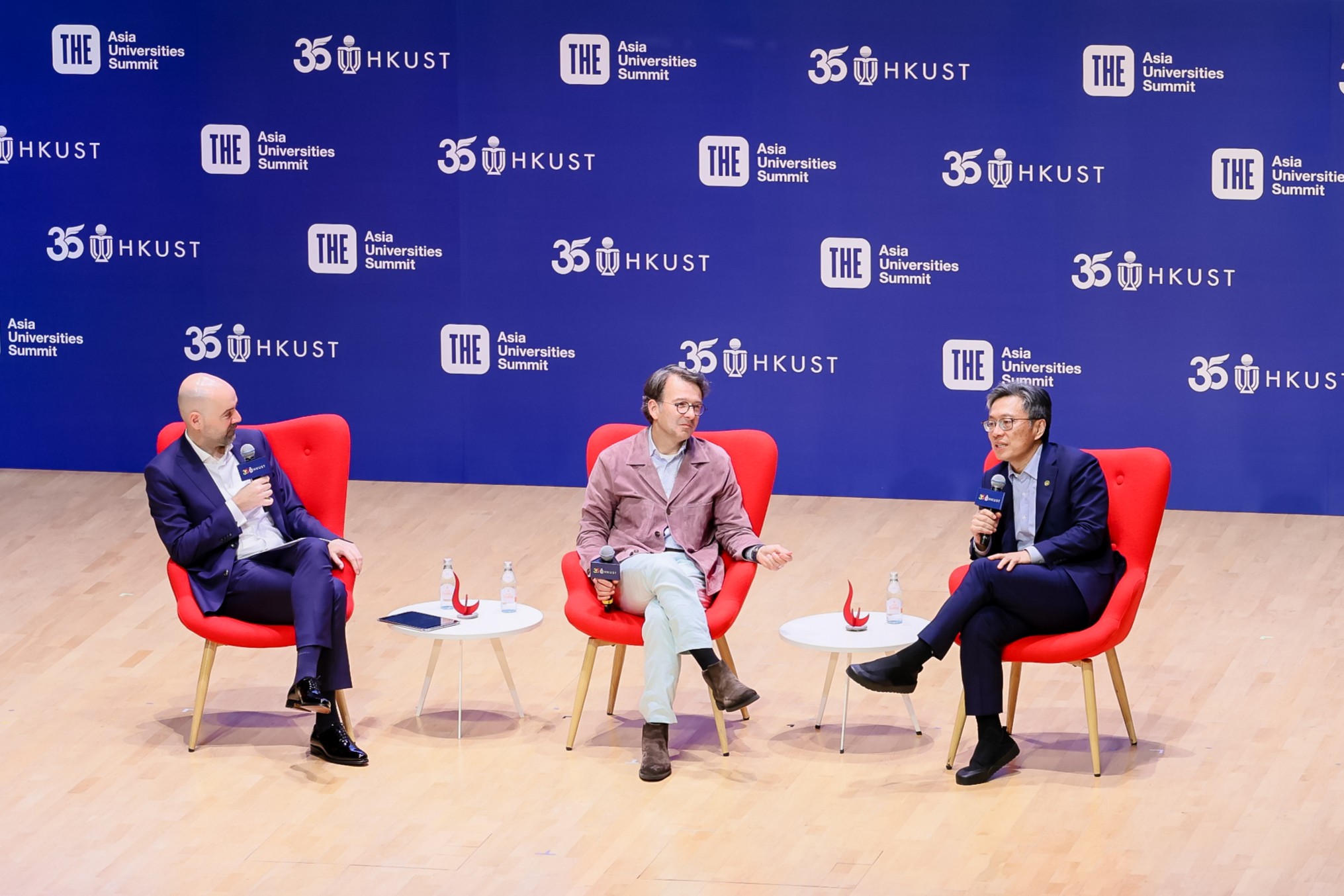
Following the opening ceremony, President Ip joined Prof. Martin O. BERGÖ, Vice-President of Karolinska Institutet, in a keynote fireside chat on longevity science. The discussion explored how advances in biomedicine, neuroscience, and translational research can extend both lifespan and healthspan, while contributing to resilient and equitable societies. President Ip shared insights from her pioneering neuroscience research, including the University’s efforts to decode the biological basis of healthy aging. She said, "Healthy aging is not just about adding years to life, but adding life to our years. We need a paradigm shift from reactive to proactive care. At HKUST, we are focused on monitoring risks for any diseases early and implementing preventive measures. Longevity science is about extending the 'healthspan' and as a university, we have much to offer through our research and collaborations. We are uniquely positioned to contribute to this field."
A spotlight on the first day was a fireside chat between Prof. Harry SHUM, Chairman of the HKUST Council, and Judson ALTHOFF, CEO of Microsoft's Commercial Business. The dialogue delved into the transformative power of AI across both industry and academia, discussing how universities can collaborate with global technology leaders to prepare students for an AI‑pervasive world. Emphasis was placed not only on technological capability, but also on trust, critical thinking and mindset change within institutions.
Prof. Shum underscored the importance of embracing AI across disciplines, "For our university, at this time, the number one priority is really a mindset change—to focus on AI for science, engineering, business, humanities, and medicine. AI is already here. We do not have to be afraid of this technology. It is a powerful new tool for us and a wonderful thing that we must learn and master to drive growth and innovation."
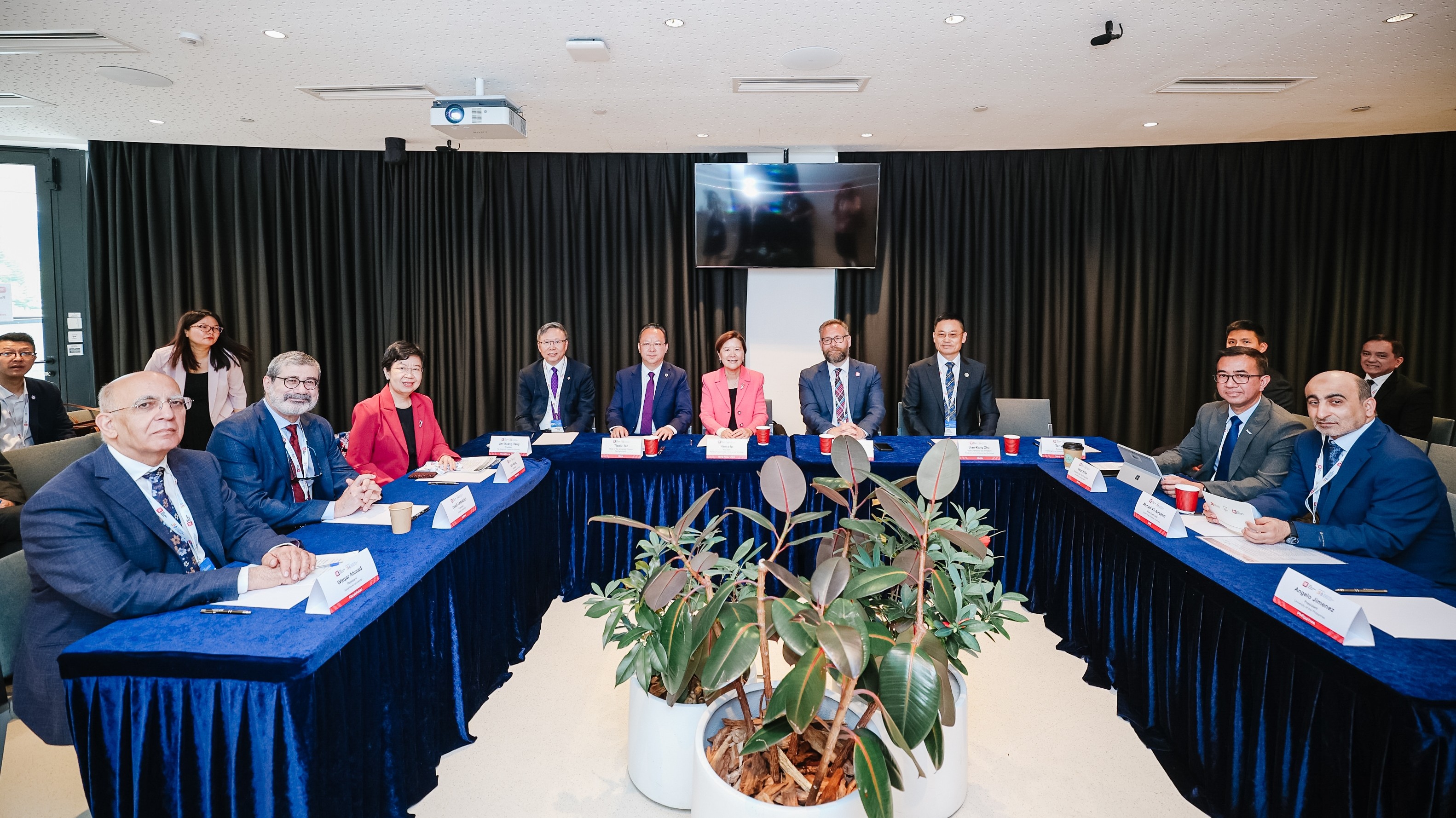
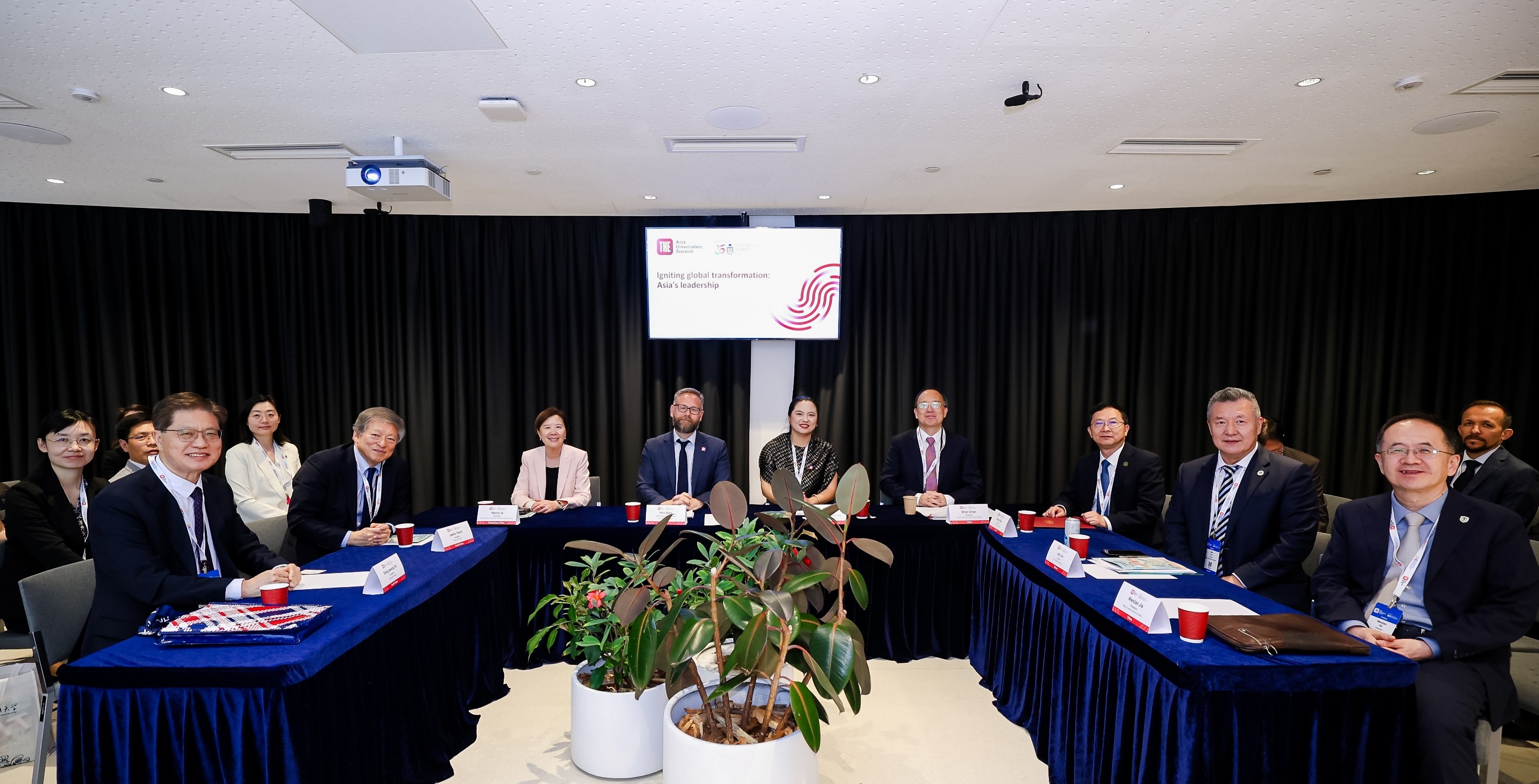
Throughout the Summit, President Ip participated in two leadership meetings with over 15 university presidents and senior leaders from institutions across Asia, engaging in candid, strategy‑focused exchanges on shared regional challenges. One session examined how Asia's emerging innovation corridors—from the Greater Bay Area to other fast‑growing technology belts—can redefine global technology leadership, with discussions centered on governance models and cross‑border collaboration. Another session focused on shaping next‑generation cities, exploring how universities can align research, talent development and policy engagement to support sustainable urban transformation amid rapid technological and societal change. These high-level dialogues emphasized the need for strategic alignment between academic research and regional development, reinforcing the Summit's mission to leverage Asian leadership for global transformation through collaborative institutional design and shared expertise.
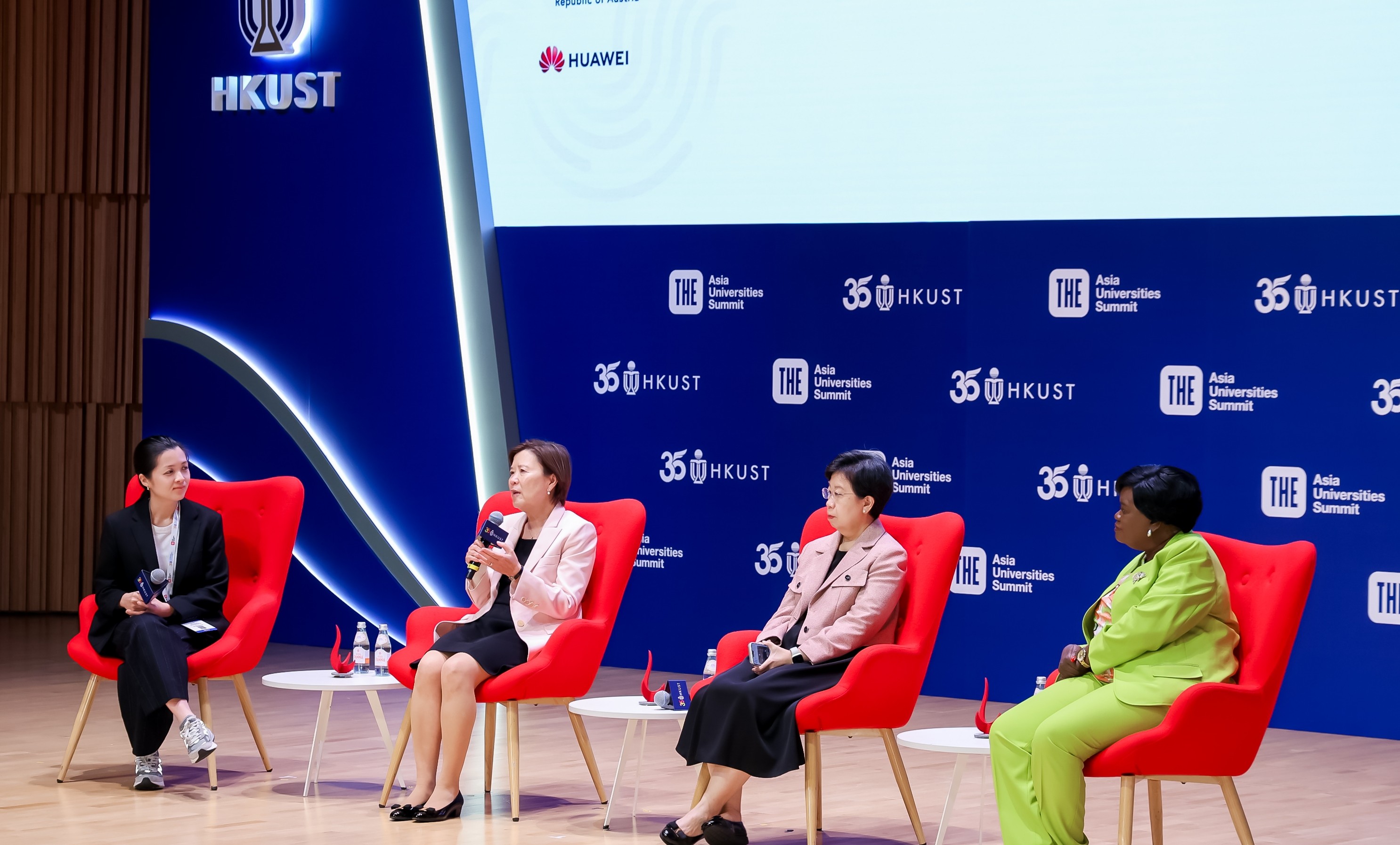
Across a series of high‑level sessions, HKUST senior leadership played an active role in shaping discussions on inclusive leadership, trusted AI in higher education, research commercialization, climate resilience, and global research collaboration. The sessions examined how universities can strengthen governance frameworks to ensure the responsible and ethical use of AI, while cultivating innovation ecosystems that translate research outcomes into socio-economic impact.
The dialogue also addressed strategies for nurturing entrepreneurship, climate‑proofing rapidly growing cities through interdisciplinary engineering approaches, and sustaining borderless research collaboration amid rising geopolitical and regulatory pressures. Collectively, these contributions highlighted HKUST's commitment to advancing responsible innovation, international partnership, and university leadership attuned to Asia's evolving challenges and global responsibilities.
The three-day event concluded with a closing ceremony, cementing new strategic partnerships and a shared vision for the future of higher education in the region.
About The Hong Kong University of Science and Technology
The Hong Kong University of Science and Technology (HKUST) (https://hkust.edu.hk/) is a world-class university known for its innovative education, research excellence, and impactful knowledge transfer. With a holistic and interdisciplinary pedagogy approach, HKUST was ranked 6th in the QS Asia University Rankings 2026, 3rd in the Times Higher Education’s Young University Rankings 2024, and 19th globally and 1st in Hong Kong in the Times Higher Education’s Impact Rankings 2025. Eleven HKUST subjects were ranked among the world’s top 50 in the QS World University Rankings by Subject 2026. In addition, in the Times Higher Education World University Rankings by Subject 2026, HKUST’s Computer Science discipline which encompasses areas such as artificial intelligence and machine learning, has been ranked No. 1 in Hong Kong for ten consecutive years. Our graduates are highly competitive, consistently ranking among the world’s top 30 most sought-after employees. In terms of research and entrepreneurship, over 80% of our work was rated “internationally excellent” or “world leading” in the Research Assessment Exercise 2020 of the Hong Kong’s University Grants Committee. As of January 2026, HKUST members have founded over 1,900 active start-ups, including 10 Unicorns and 21 exits (IPO or M&A).
For media enquiries, please contact:
PR and Media Team, Global Engagement and Communications Office
Email: media@ust.hk
Sign Up for Our Latest News
Latest News

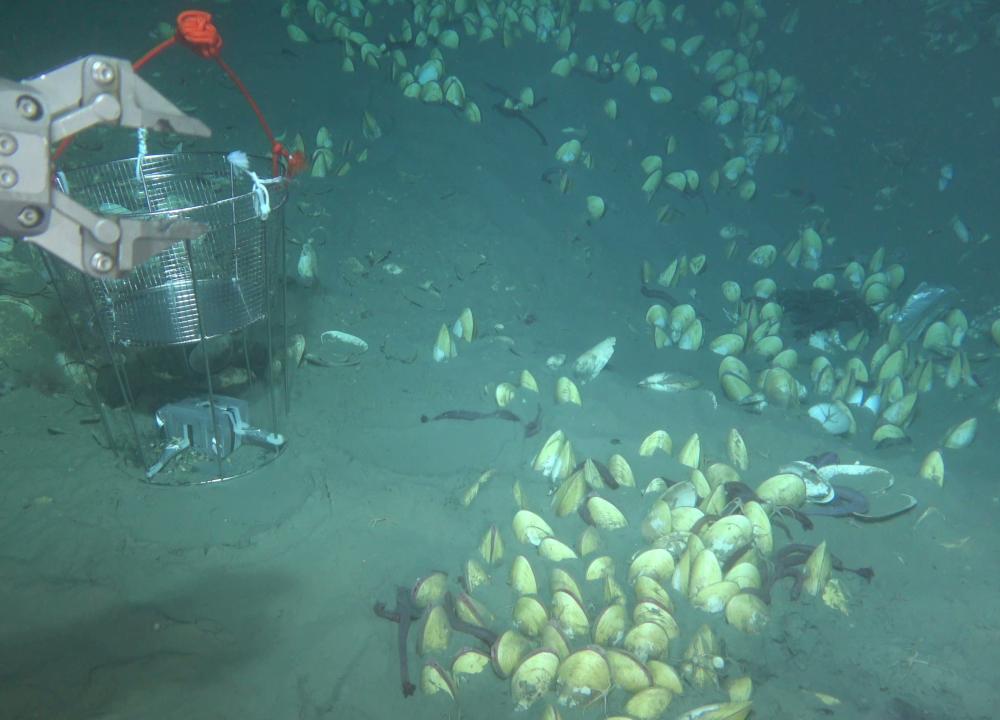
A research team led by Prof. QIAN Peiyuan, Chair Professor of the Department of Ocean Science at The Hong Kong University of Science and Technology (HKUST), in collaboration with international partners, has made significant progress in uncovering how deep-sea chemosynthetic symbioses cope with environmental change.
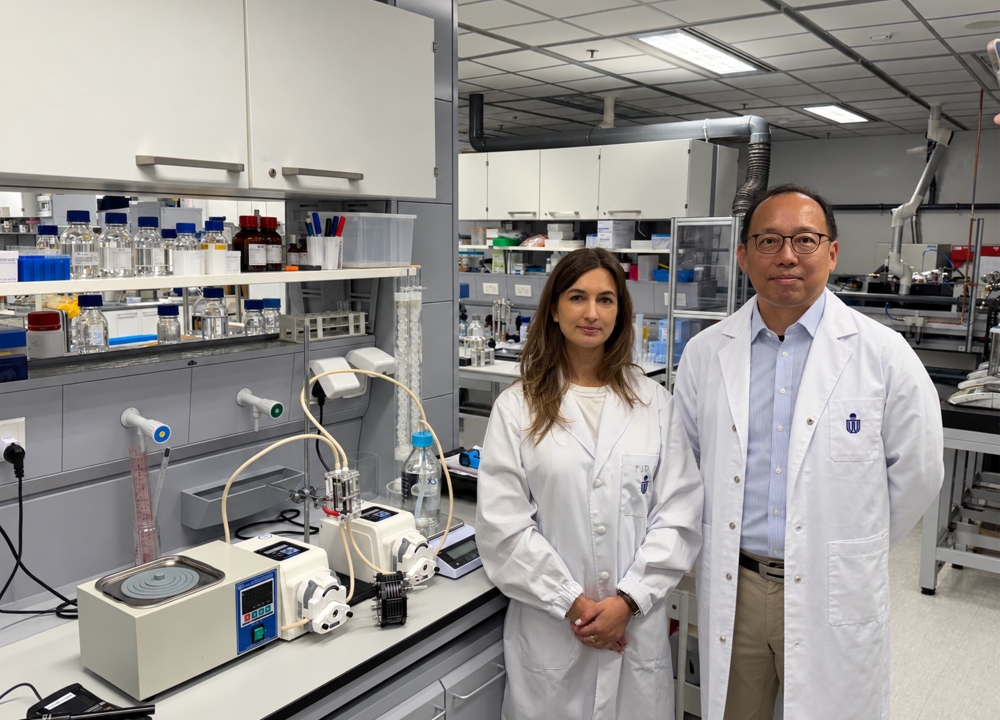
A research team from The Hong Kong University of Science and Technology (HKUST), in collaboration with Arizona State University (ASU) and The Hong Kong Polytechnic University (PolyU), has developed a sustainable integrated seawater-to-hydrogen system that can produce hydrogen directly from seawater while converting waste heat from electrolysis into a resource for producing the purified water required for hydrogen production. By integrating hydrogen pr