
Before the Next Storm: Rewiring the Conversation Between Climate Science and City Builders
The historic deluge that paralyzed parts of Hong Kong in 2023 exposed the fragility of even the world’s most sophisticated cities, while recent floods in Asia have left nearly hundreds dead, thousands missing, and many more homeless. Together, these catastrophes serve as a stark reminder to governments worldwide that climate change is affecting public health, straining infrastructure, and testing community resilience.
The question is no longer whether cities will face more extreme weather, but how they can prepare for it.
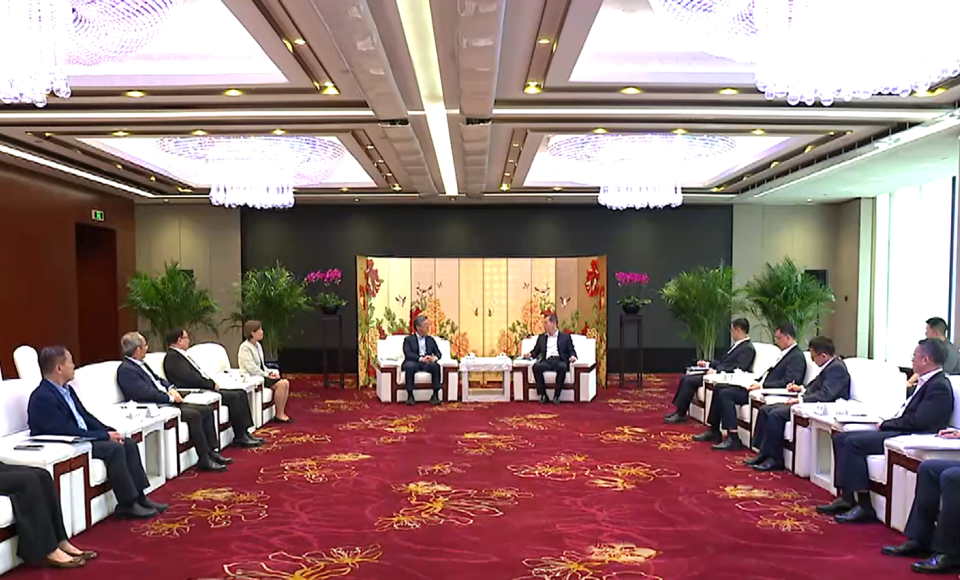
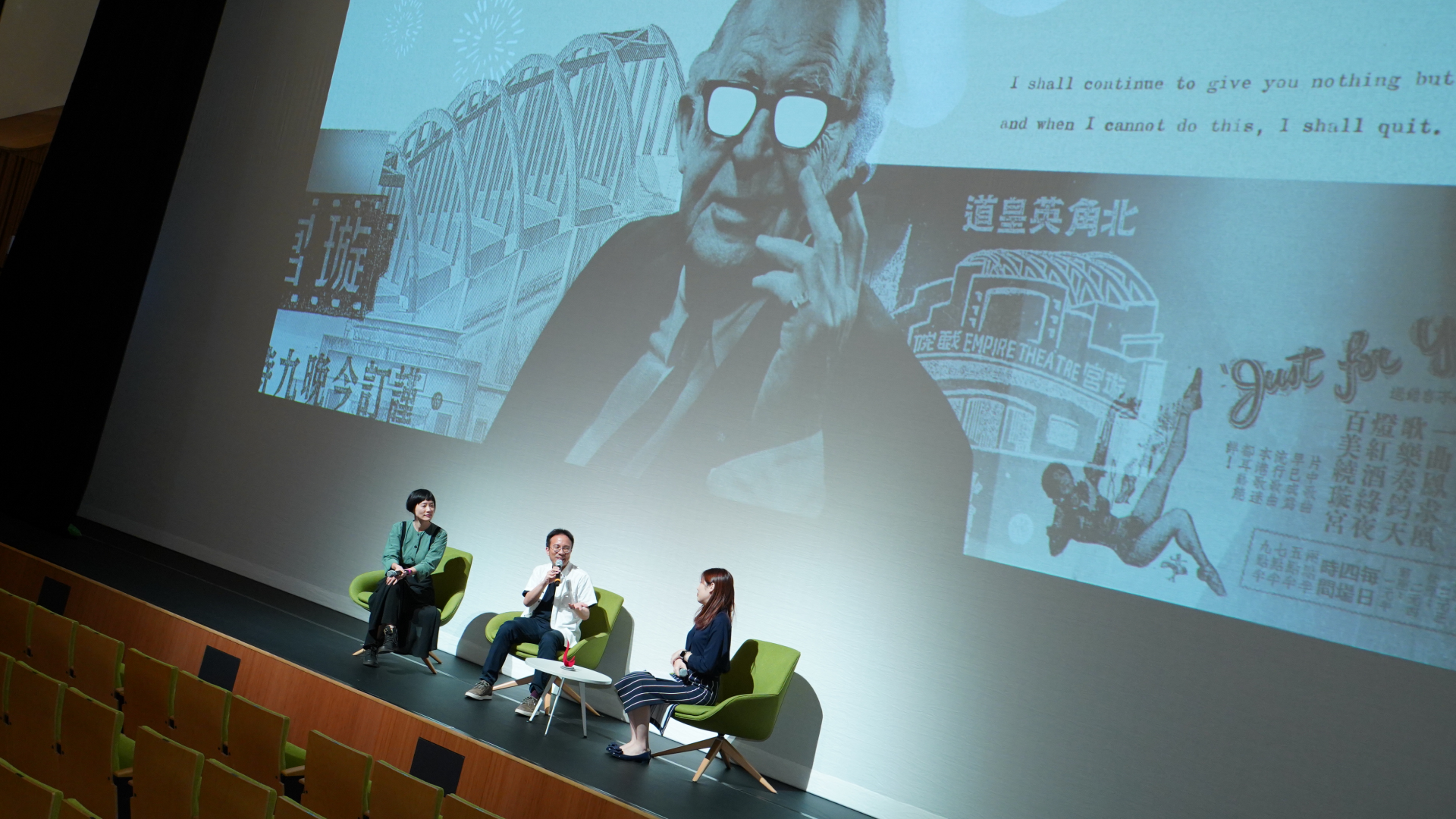
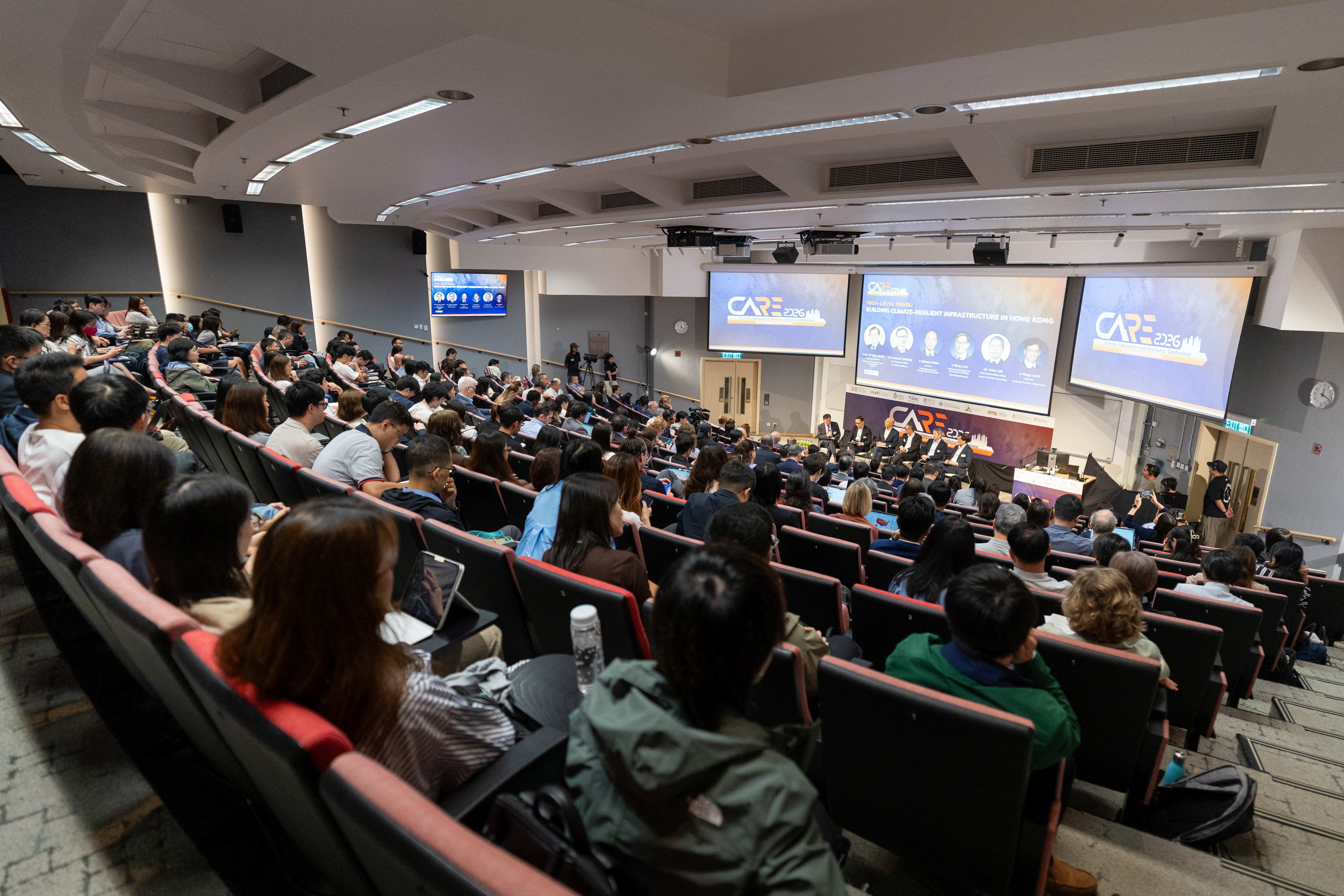
To tackle this urgent challenge, more than 500 policymakers, scientists, infrastructure experts, financiers, insurers, and community leaders gathered from around the world at HKUST for the Climate Adaptation and Resilience Conference 2026 (CARE2026) in October.
Unlike many climate conferences where research findings circulate mainly among specialists, CARE was designed to spark direct conversations with the people who make the decisions that shape our daily lives.
Over three days, representatives from key government departments and sectors responsible for infrastructure and urban development met to discuss ways to embed resilience into future projects. Discussions covered a range of topics, including the development of the Northern Metropolis, the role of climate science in supporting Hong Kong’s ambitions to become a green finance hub, and the ways in which harnessing ecosystems and climate-sensitive urban design can strengthen resilience.
Founded by HKUST in 2018 and held quadrennially, CARE has grown into a major cross-sector initiative. It reflects the broader role the University has adopted: generating scientific knowledge and providing a platform to test ideas against real-world challenges.
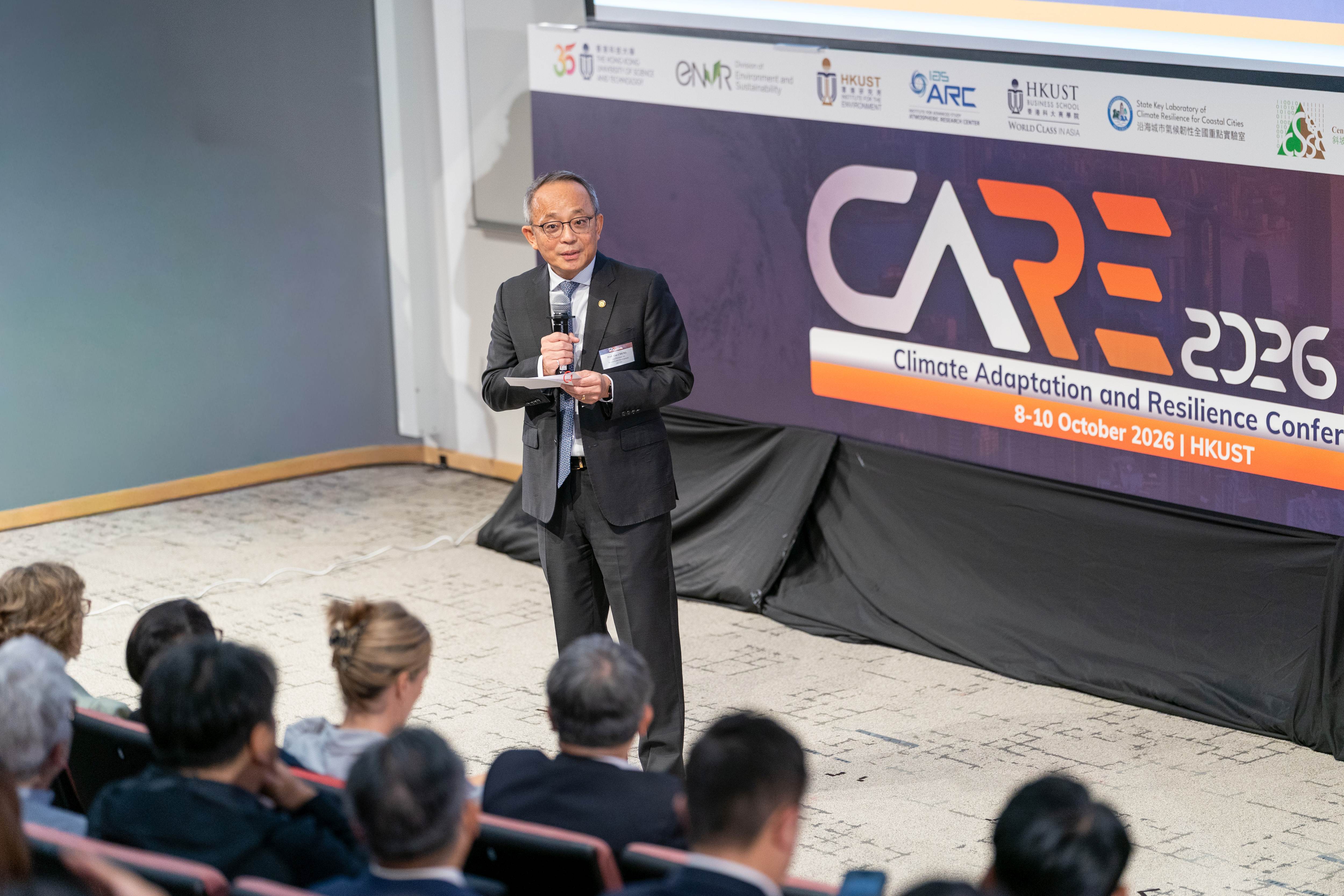
“As the impacts of climate change become increasingly evident, we must act on two fronts: reducing emissions to limit future warming while strengthening our capacity to adapt to the changes already underway,” said Prof. Tim CHENG, Vice-President for Research and Development at HKUST. He noted that universities play a critical role in developing innovative technologies, translating research into practical solutions, and equipping future generations to confront environmental challenges.
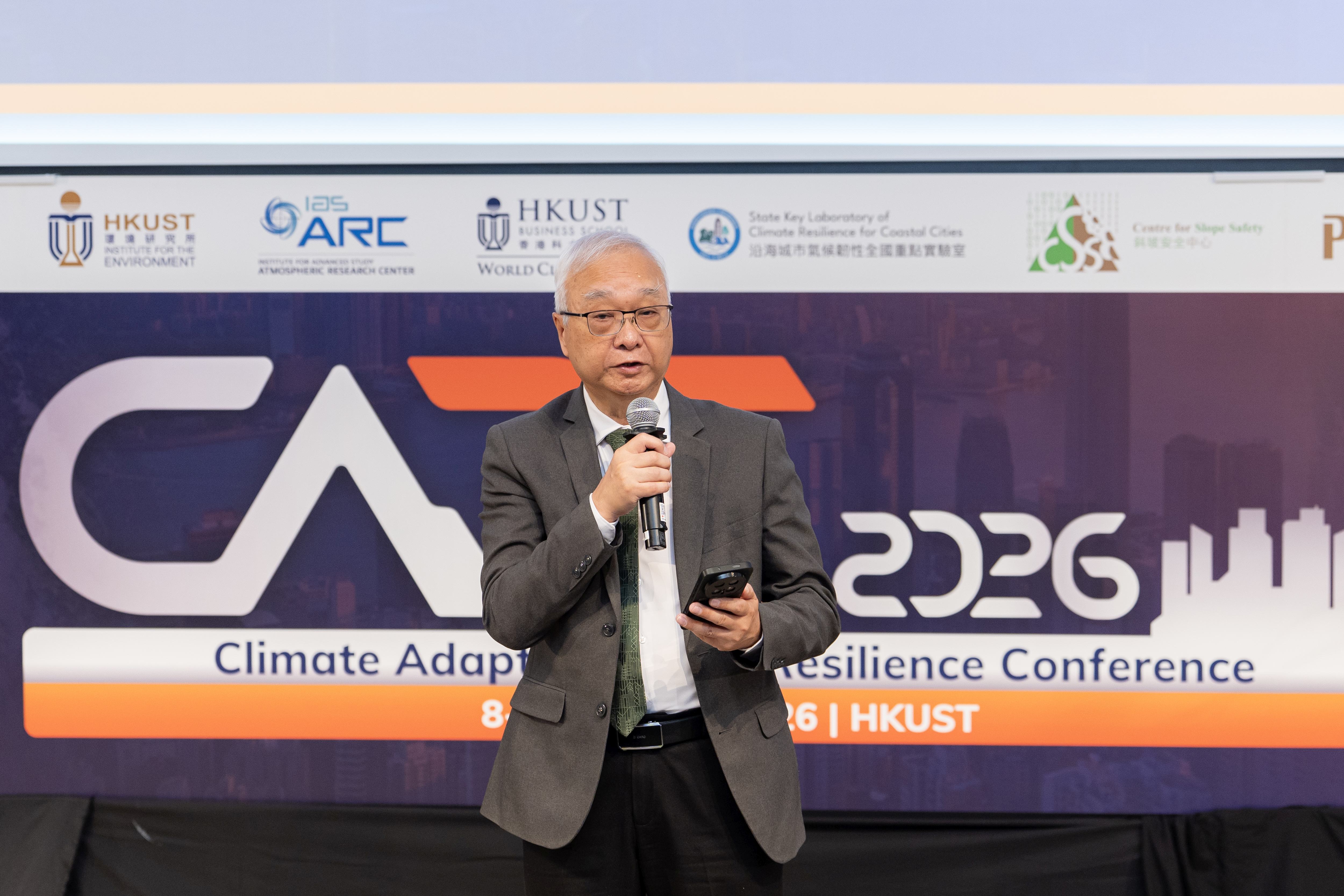
The timing of CARE2026 was also notable, as it took place against the backdrop of China’s 15th Five-Year Plan and Hong Kong’s first Five-Year Plan. Mr. TSE Chin-wan, Secretary for Environment and Ecology of the HKSAR Government, highlighted how both plans place climate resilience, carbon reduction, and ecological sustainability at the center of future development. He emphasized that achieving these objectives will require collaboration among scientists, engineers, policymakers, financiers, and academics.
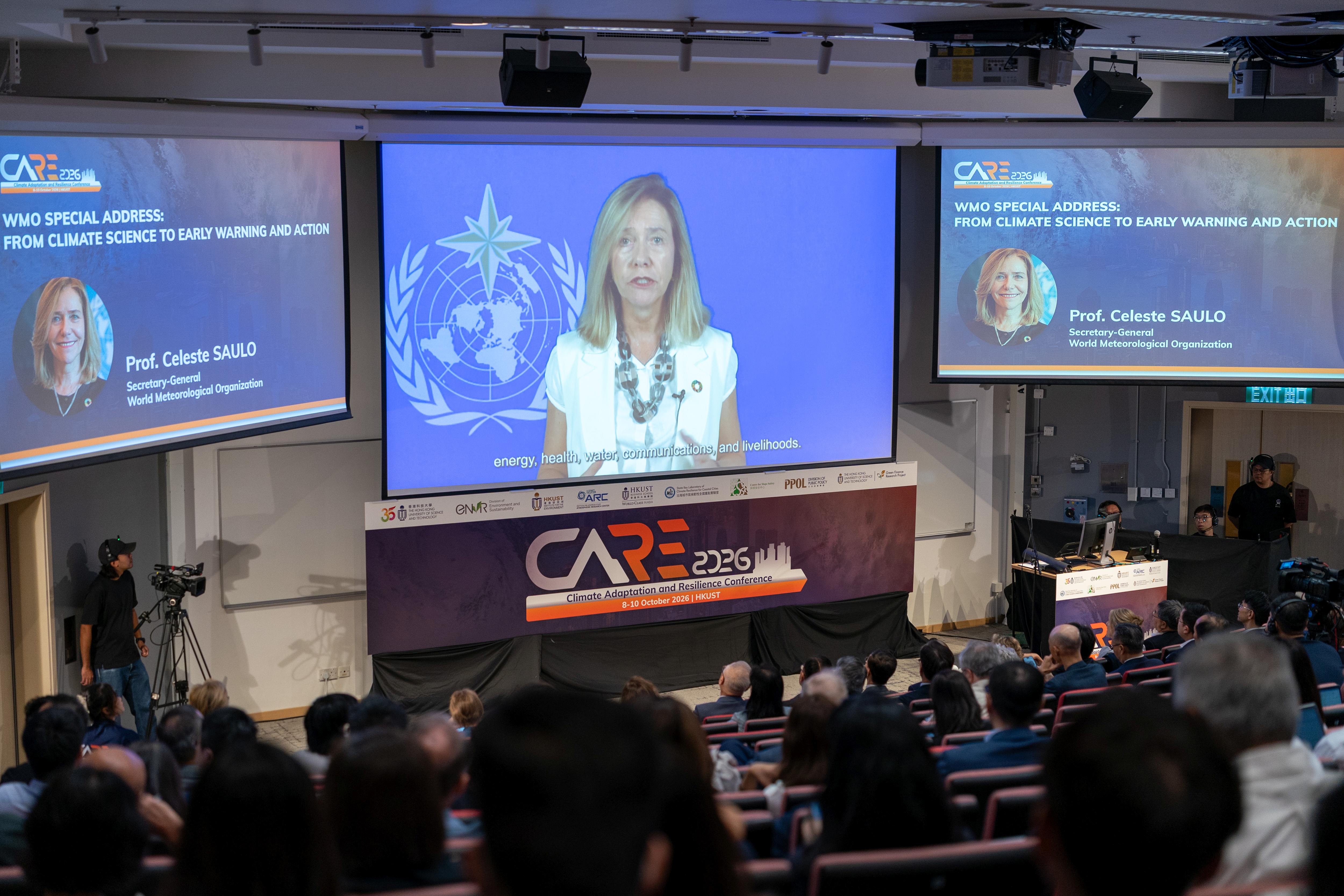
Prof. Celeste SAULO, Secretary-General of the World Meteorological Organization (WMO), described climate risk as “an urgent global challenge that demands action today.” Saving lives before disasters strike, she stressed, requires sustained investment in hazard monitoring and early-warning systems. She also highlighted the growing partnership between WMO and HKUST to advance climate-resilient cities worldwide.
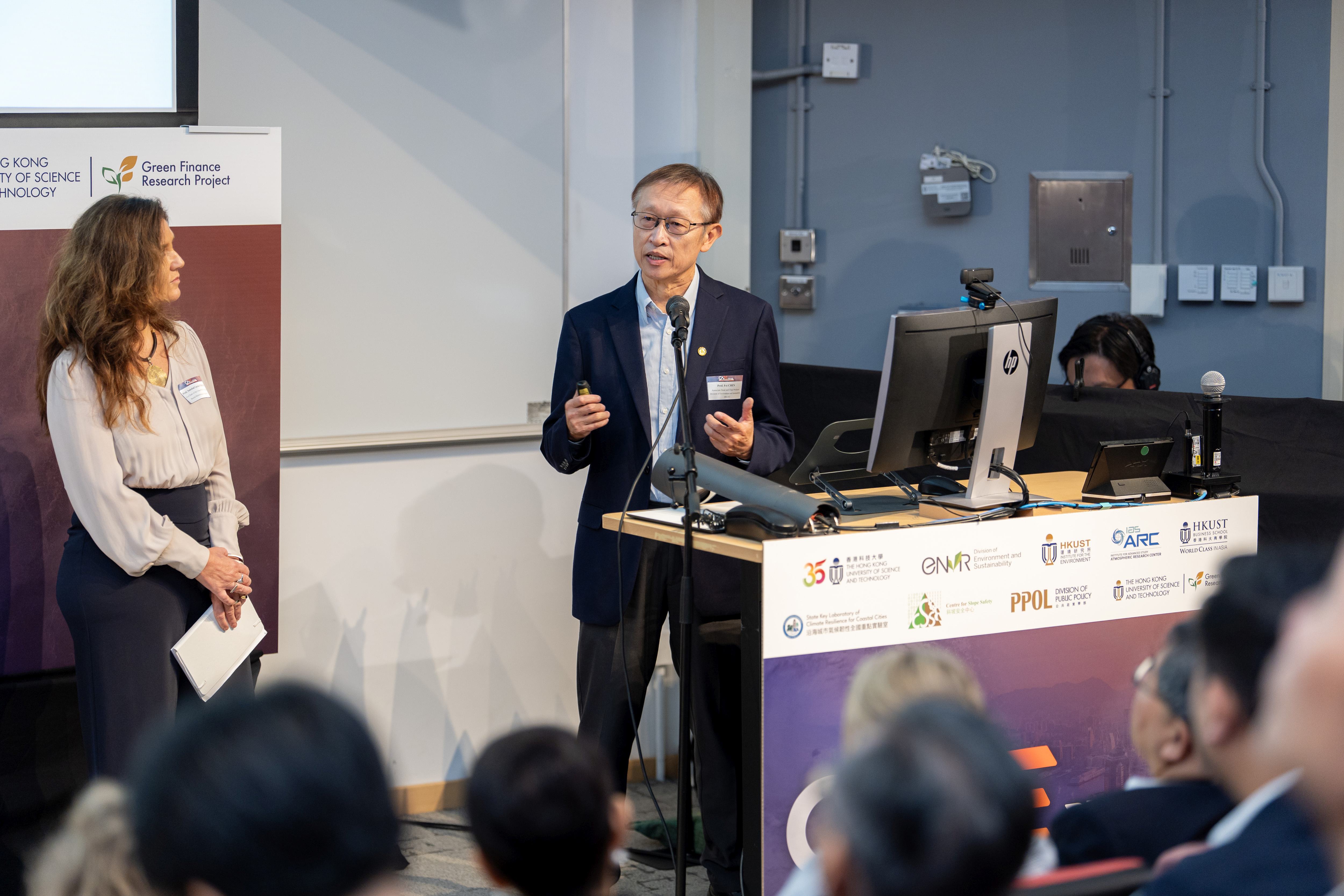
A prime example of this collaboration is Urban-PREDICT, a flagship initiative of the WMO’s World Weather Research Programme. Since 2025, HKUST has proudly hosted the project’s International Coordination Office right on its campus. Co-led by Prof. CHEN Fei, Associate Head of HKUST’s Division of Environment and Sustainability, the initiative brings together researchers from across six continents to improve urban forecasting and early-warning systems through high-resolution modeling, artificial intelligence, risk communication, and community engagement.
Preliminary findings suggest that even a few additional hours of warning can substantially improve preparedness and emergency response. Researchers have also found that climate information becomes far more useful when it is tailored to local contexts.
Achieving this demands a continuous dialogue between researchers developing new tools and the institutions responsible for applying them. Through initiatives such as CARE and Urban-PREDICT, HKUST is helping to bridge the gap between knowledge and action, ensuring that scientific insight leads to decisions that protect lives and fortify communities for decades to come.