







News & Stories
2026
News
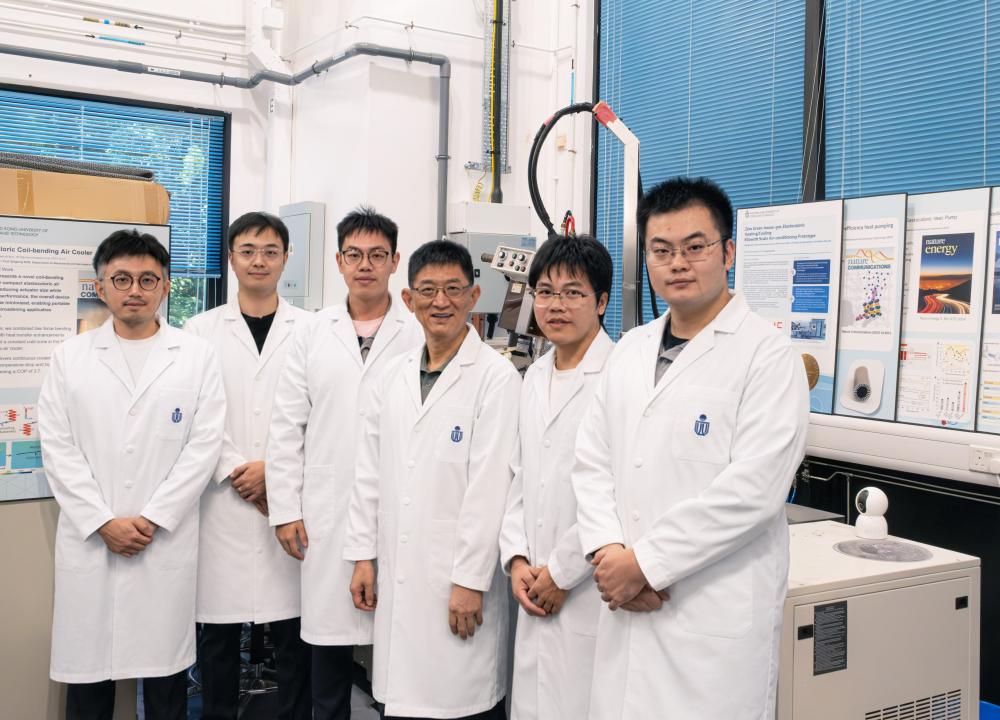
HKUST Unveils World’s First Zero-Degradation Elastocaloric Cooling Device to Revolutionize Sustainable Refrigeration Technology
Invaluable to modern society, refrigeration faces challenges from traditional vapor-compression systems, which are energy-intensive and employ refrigerants that exacerbate the greenhouse effect and damage the ozone layer. Addressing this, a research team from The Hong Kong University of Science and Technology (HKUST) has unveiled the world’s first zero-degradation elastocaloric cooling device. Powered by a fatigue-resistant, solid-state refrigerant, this innovation delivers durable and green cooling, maintaining its stable performance even over a stunning one million operational cycles. This breakthrough will usher in highly efficient eco-friendly cooling, driving progress towards sustainable global development.

News
HKUST Tops Hong Kong Universities with More Than 1,000 HKPFS Recipients
As a global magnet for top-tier talent, The Hong Kong University of Science and Technology (HKUST) has established a stellar track record under the Hong Kong PhD Fellowship Scheme (HKPFS). Since the Research Grants Council (RGC) initiated the scheme 17 years ago in 2009, HKUST has welcomed over 1,000 fellowship recipients. Coming from over 50 countries and regions, these elite students account for more than a quarter of all HKPFS fellowship recipients to date, reinforcing HKUST's position as the leading destination for HKPFS awardees among Hong Kong’s University Grants Committee (UGC)-funded universities.

News
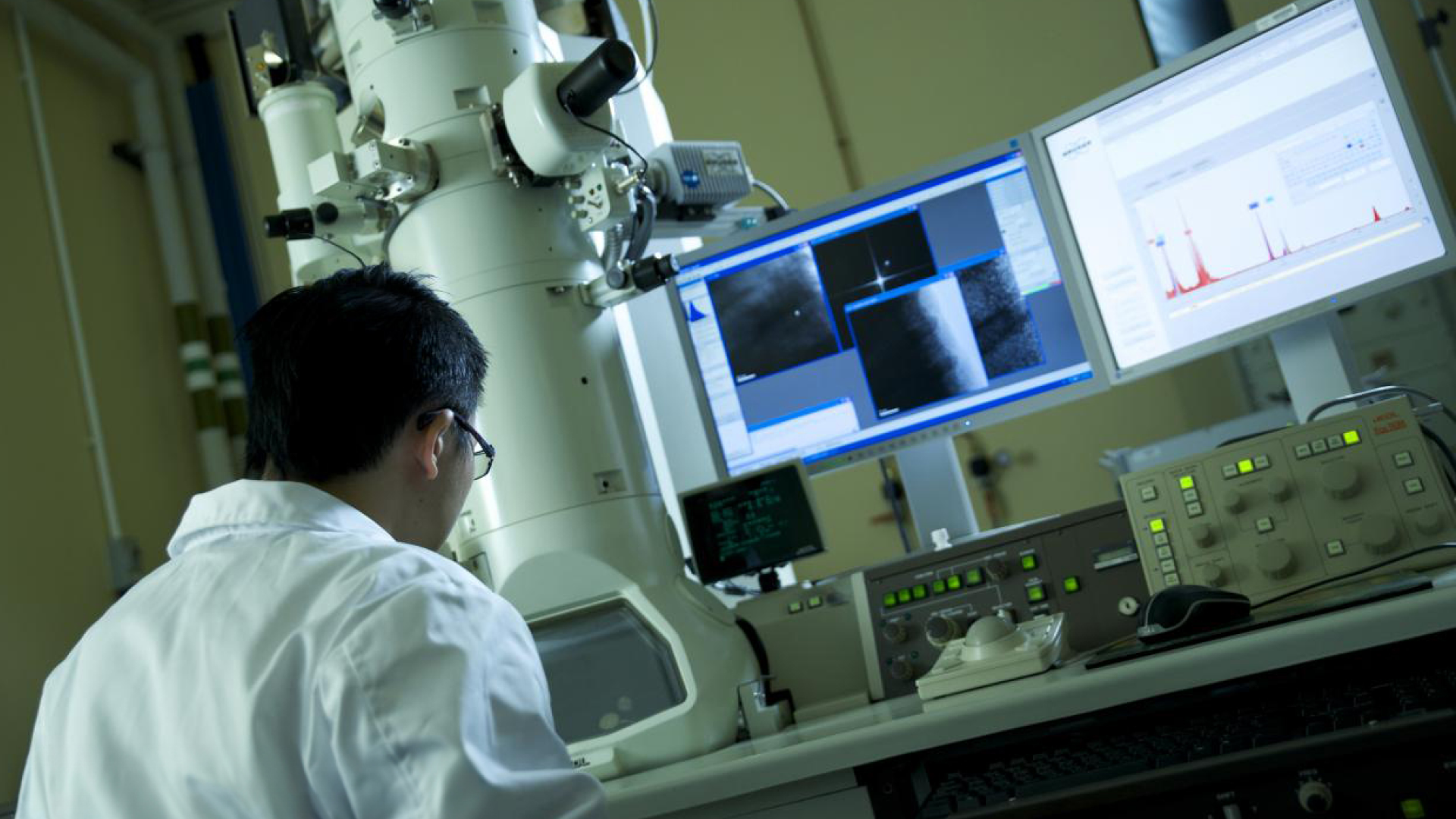
HKUST Develops World's First AI Slide-Free Pathology Imaging System
A research team from The Hong Kong University of Science and Technology (HKUST), together with an HKUST-incubated medtech startup, PhoMedics Limited, has developed Glanzir®, the world's first artificial intelligence (AI)-enabled, slide-free pathology imaging system. The system enables direct imaging of fresh tissue without the need for conventional procedures such as freezing, sectioning, and staining, producing histological images in approximately three minutes in an operating room setting for intraoperative assessment.
News
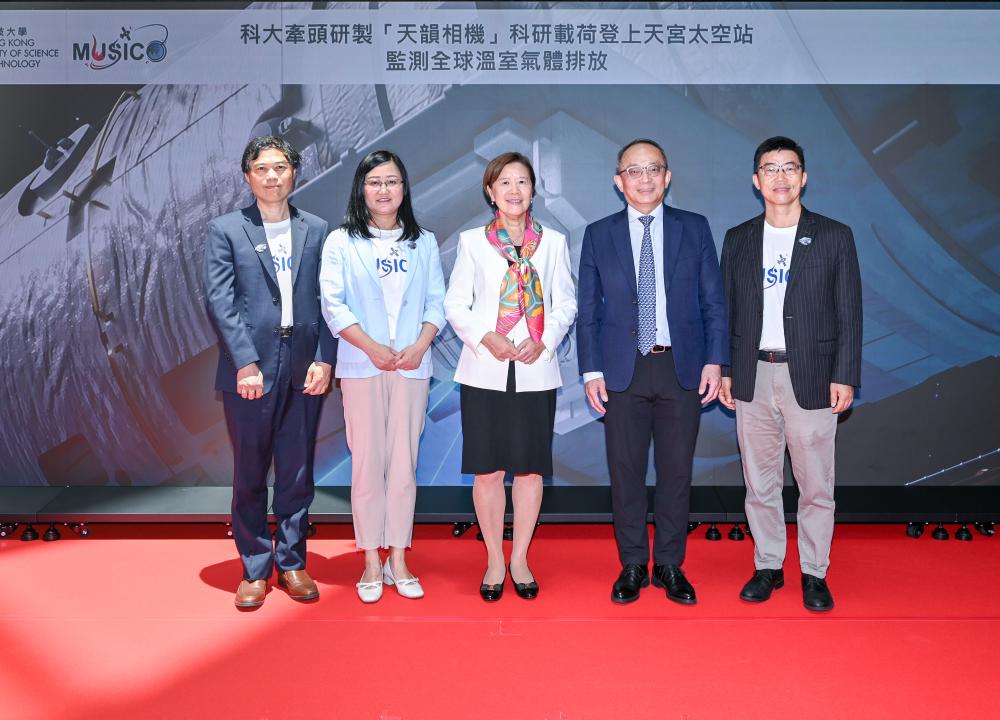
World’s First Lightweight High Resolution High Precision CO₂ and CH₄ Point Source Detector “MUSICO” Arrives at Tiangong Space Station via Tianzhou-10
The world’s first lightweight, high‑resolution, high‑precision synergistic observatory for carbon dioxide (CO₂) and methane (CH₄) emission point sources – named “MUSICO”, Multi‑Spectral Imaging Carbon Observatory, led by The Hong Kong University of Science and Technology (HKUST) – was successfully launched aboard the Tianzhou‑10 cargo spacecraft on May 11 and has arrived at China’s Tiangong Space Station. This is not only Hong Kong’s first scientific payload deployed on the national space station, but also a historic breakthrough for the city in the development of high‑end aerospace instruments. The project fully demonstrates Hong Kong’s strong capability to build national‑level cutting-edge scientific payloads, to participate in long‑term space station missions, and to play a key role in addressing global climate change while serving the nation’s strategic “carbon peak and carbon neutrality” goals.

News
HKUST Researchers Flip the CRISPR Script to Develop World's First DNA-Guided Gene Editing Tool for Precise Infectious Disease Diagnosis and Advancing Antiviral Therapies
A research team led by Prof. HSING I-Ming, Professor of the Department of Chemical and Biological Engineering (CBE) at The Hong Kong University of Science and Technology (HKUST), in collaboration with Prof. ZHAI Yuanliang, Associate Professor of the Division of Life Science (LIFS), has successfully developed the world's first DNA-guided CRISPR-Cas system capable of programmable RNA targeting and cleavage.This breakthrough overturns the conventional CRISPR paradigm, which uses RNA as a guide to target DNA. The new system holds tremendous potential for clinical applications, opening new avenues for RNA-targeted therapies and diagnostics, including improved accuracy in rapid infectious disease testing and the advancement of antiviral treatments. The findings have been published in the international prestigious journal Nature Biotechnology.

News
HKUST Develops World's First Bio-Inspired Artificial Cilia System
A research team at The Hong Kong University of Science and Technology (HKUST) has achieved a major scientific breakthrough by developing the first artificial cilia system capable of replicating the fast, complex, three-dimensional motion of natural cilia found throughout the human body. The study, recently published in Nature titled “3D-printed low-voltage-driven ciliary hydrogel microactuators”, marks a significant advance in soft robotic materials and bio‑inspired micro‑engineering.Cilia—microscopic hair-like structures—play vital roles in clearing mucus from the lungs, circulating cerebrospinal fluid in the brain, and supporting reproductive processes. For decades, scientists have sought to recreate their sophisticated mechanics, but achieving realistic motion in engineered systems has remained a persistent challenge.
News
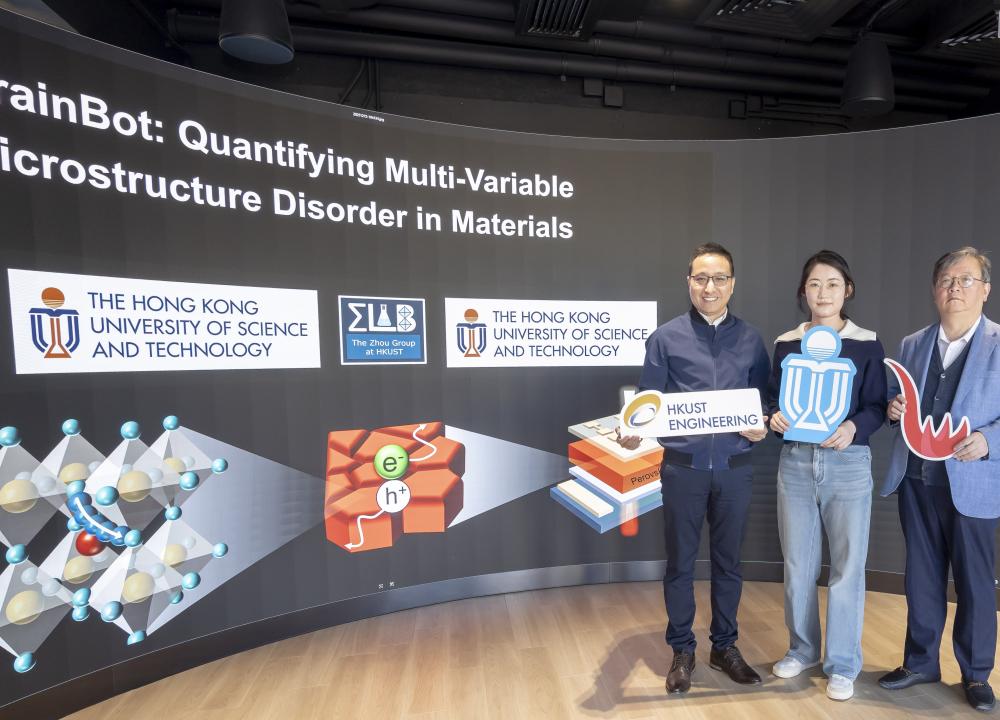
HKUST Develops First AI Toolkit “GrainBot” to Automate Quantitative Microstructure Analysis
A research team from The Hong Kong University of Science and Technology (HKUST) has developed GrainBot, an AI-enabled toolkit that automatically extracts and quantifies multiple microstructural features from microscopy images. Designed to meet the growing need for data-driven and autonomous research workflows in materials science, the tool provides a systematic method for converting complex image information into quantitative data, thereby accelerating the discovery and development of next-generation materials.
News
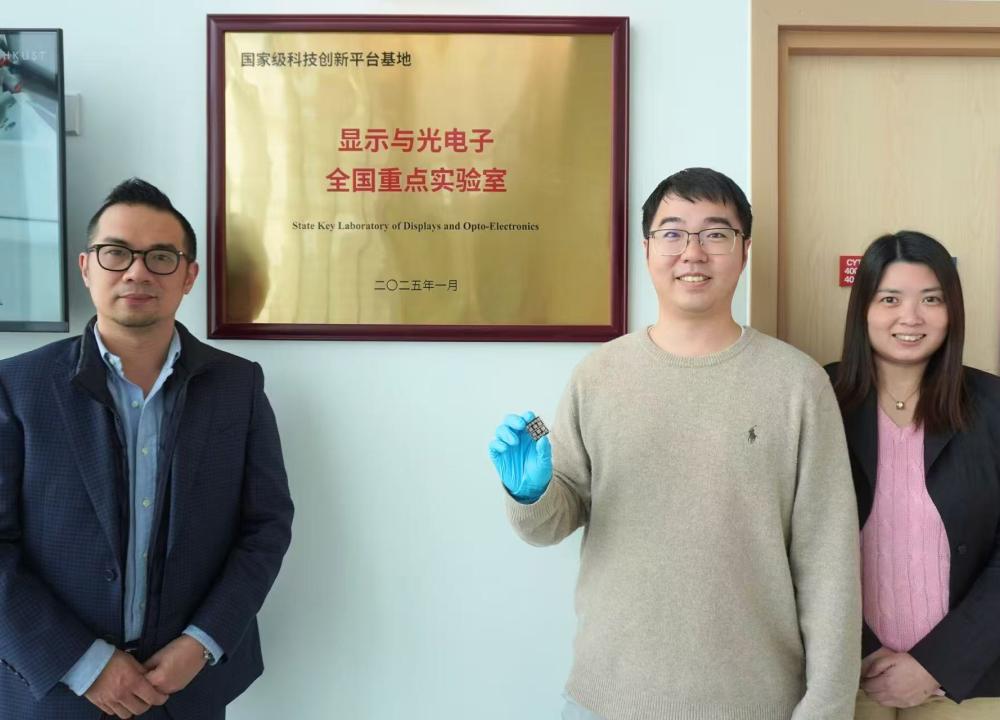
HKUST Achieves First Certified Breakthrough in Fully Solvent‑Free Perovskite Solar Cell Technology
Researchers at The Hong Kong University of Science and Technology (HKUST) have made a major breakthrough in producing perovskite solar cells. They developed a multi-source co-evaporation recipe that markedly enhances the crystal quality of vacuum-deposited perovskite films. The advance brings all vacuum-deposited single-junction perovskite cells as well as perovskite-on-silicon tandem solar cells closer to scalable production. This breakthrough has been reported in Nature Materials, in a paper entitled “Crystal-facet-directed all-vacuum-deposited perovskite solar cells”.