



HKUST President Prof. Nancy IP Engages in Global Dialogues at Davos 2026 on Neuroscience, University Leadership, and the Future of Research

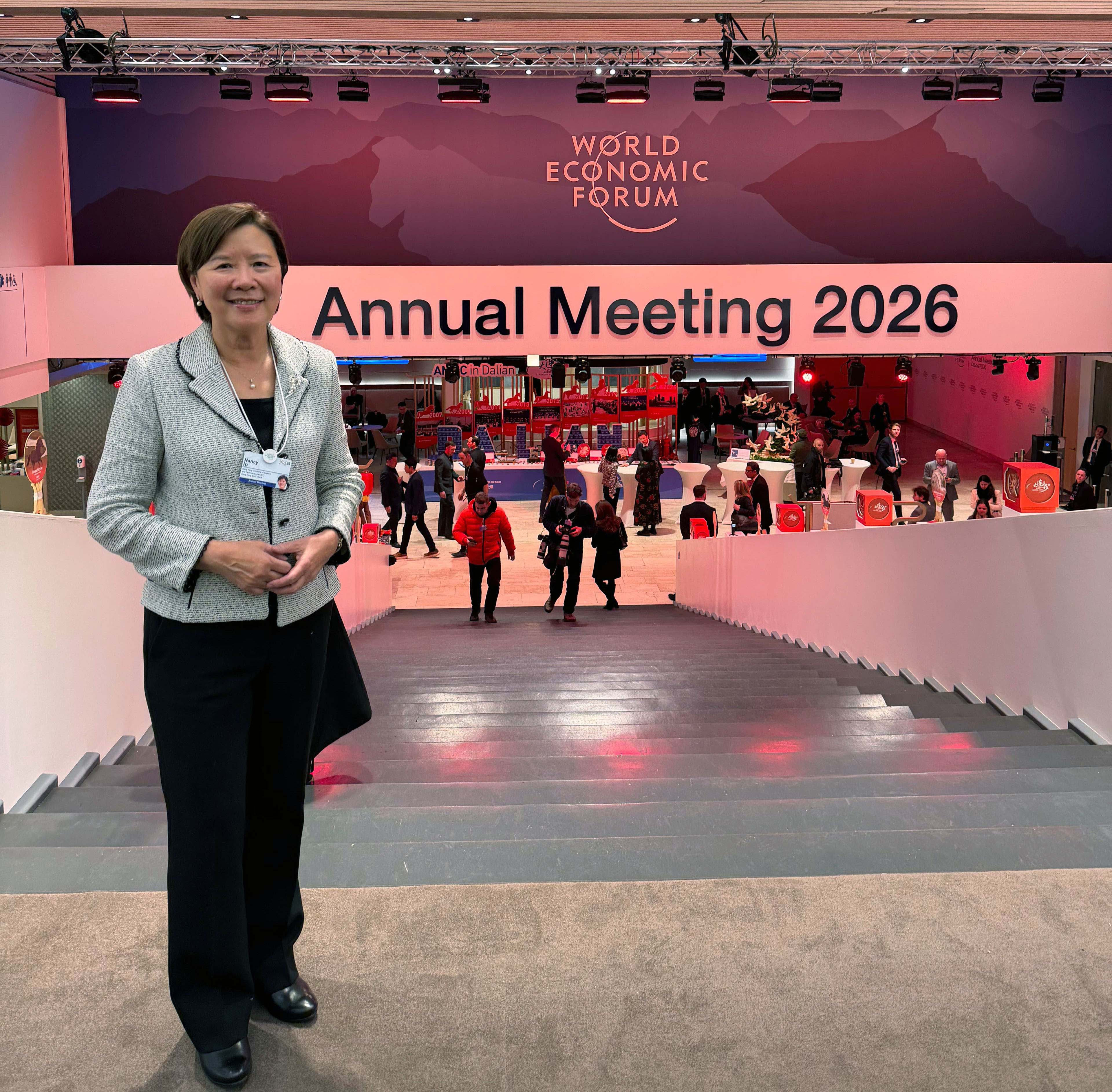
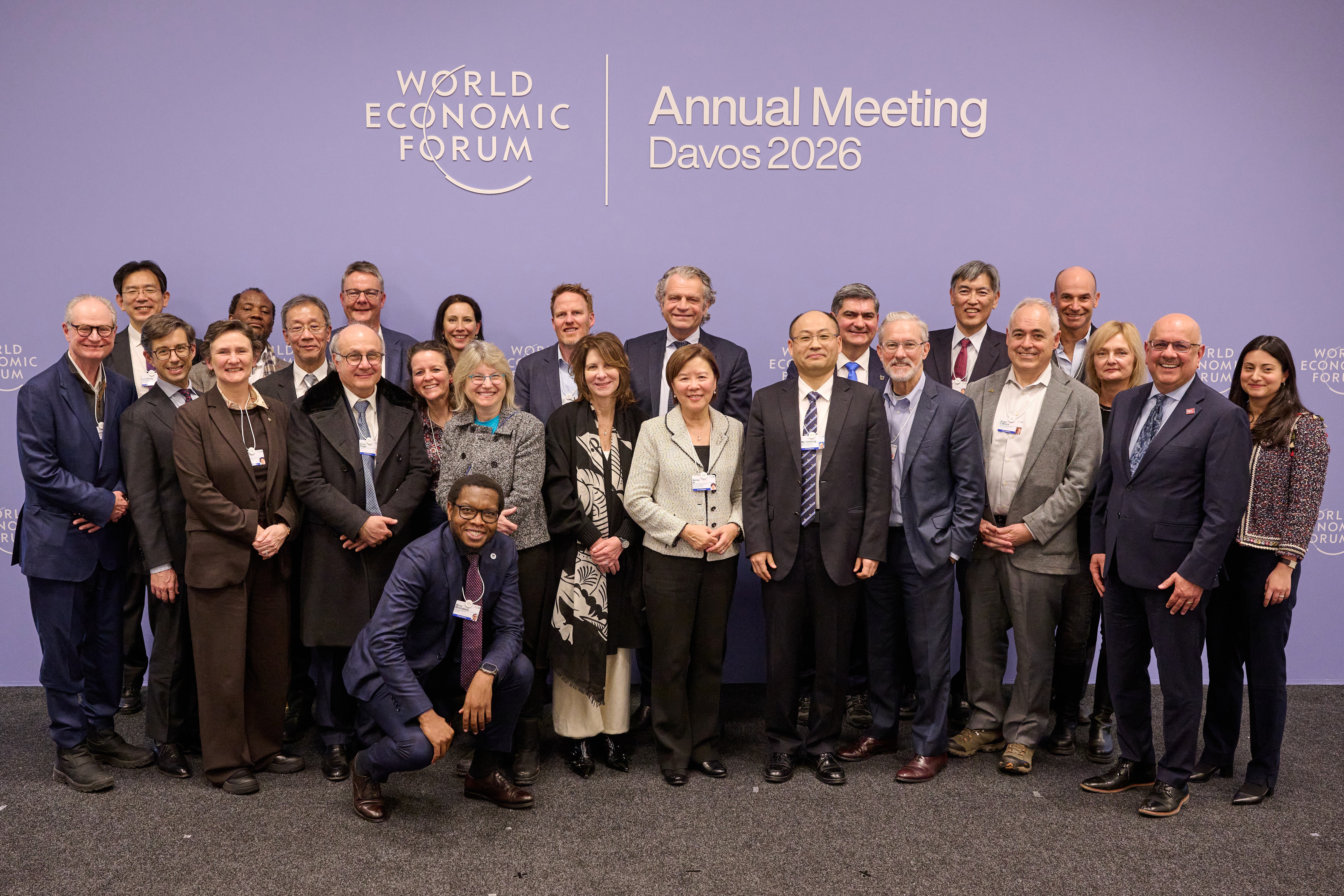
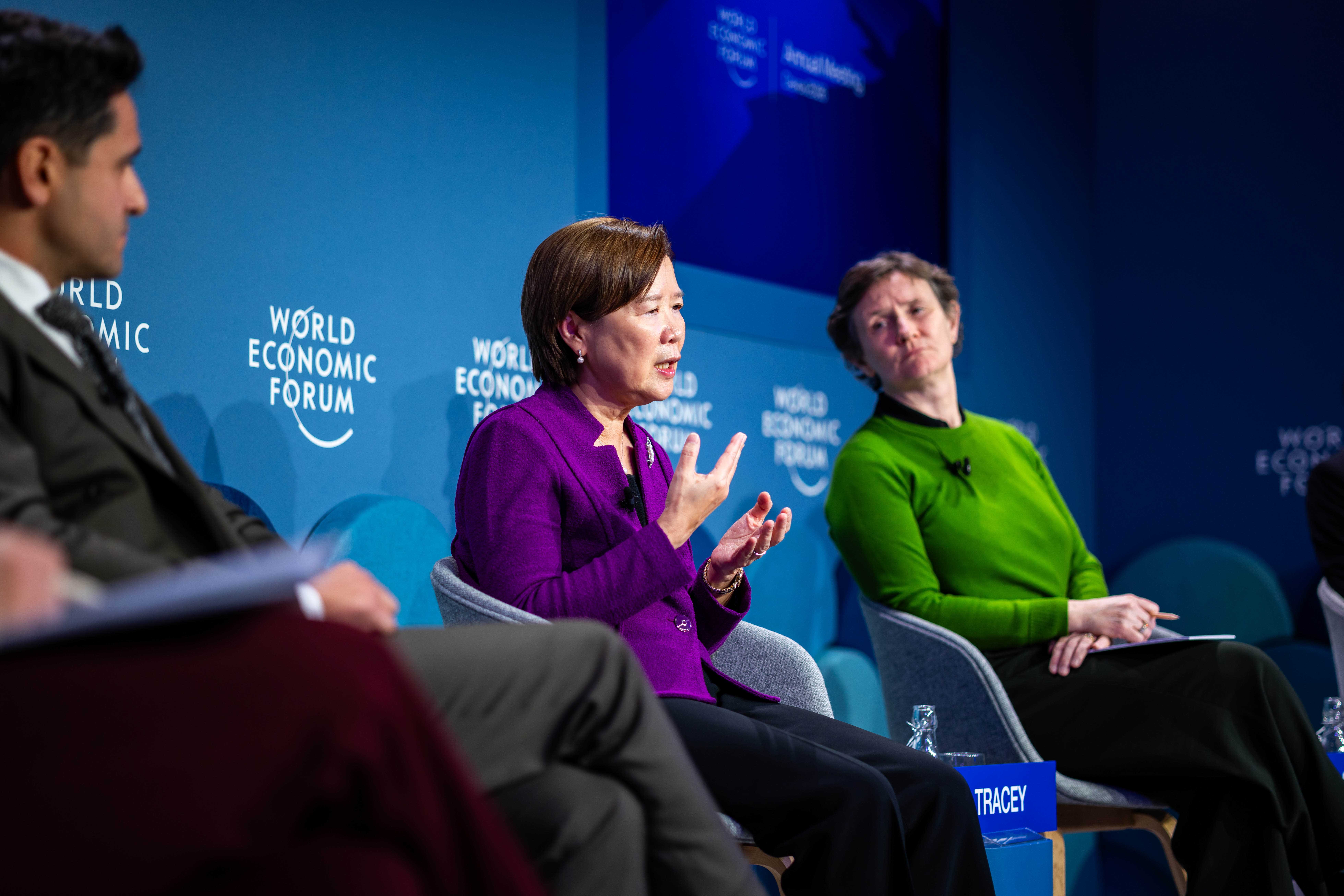
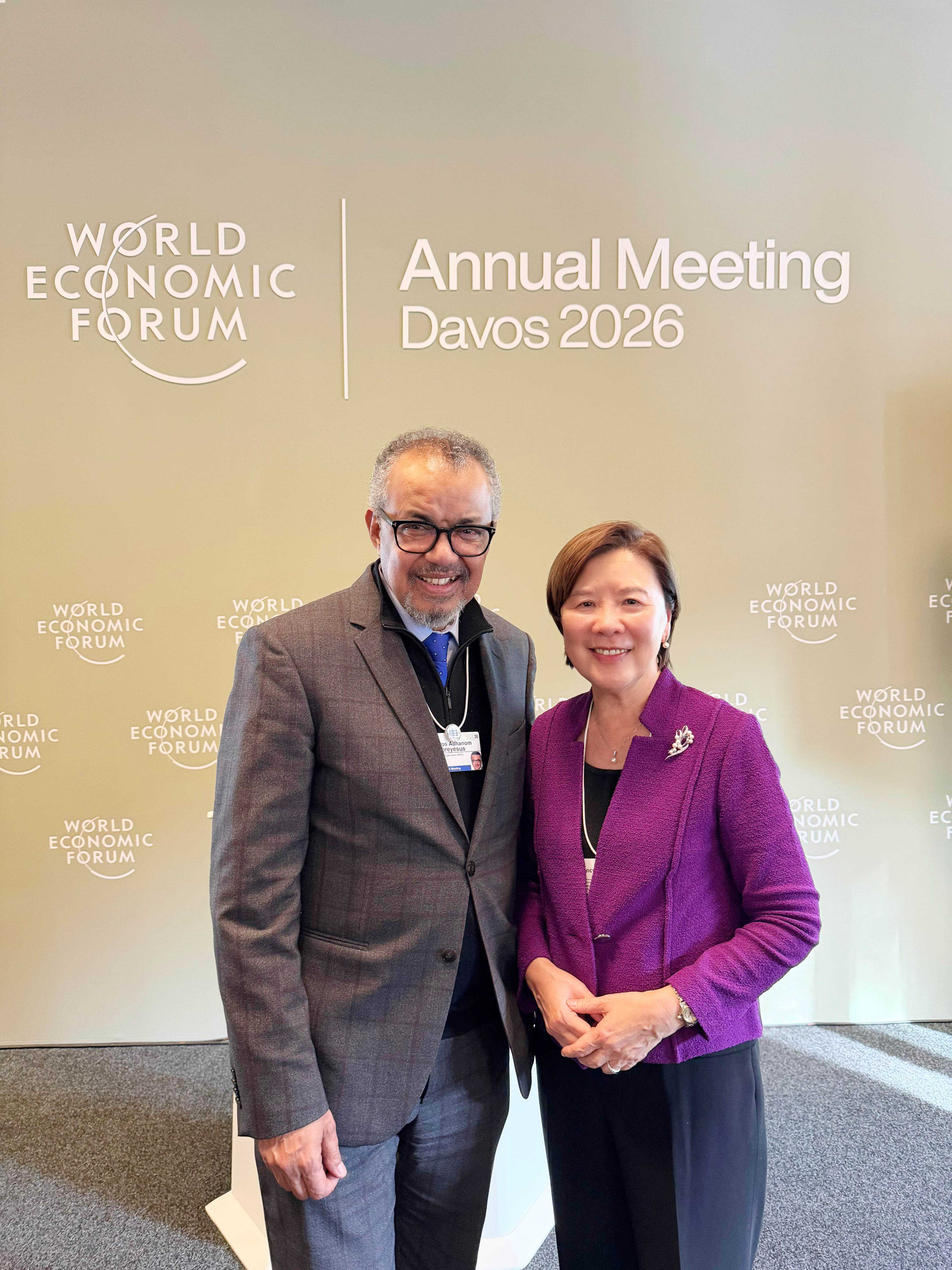
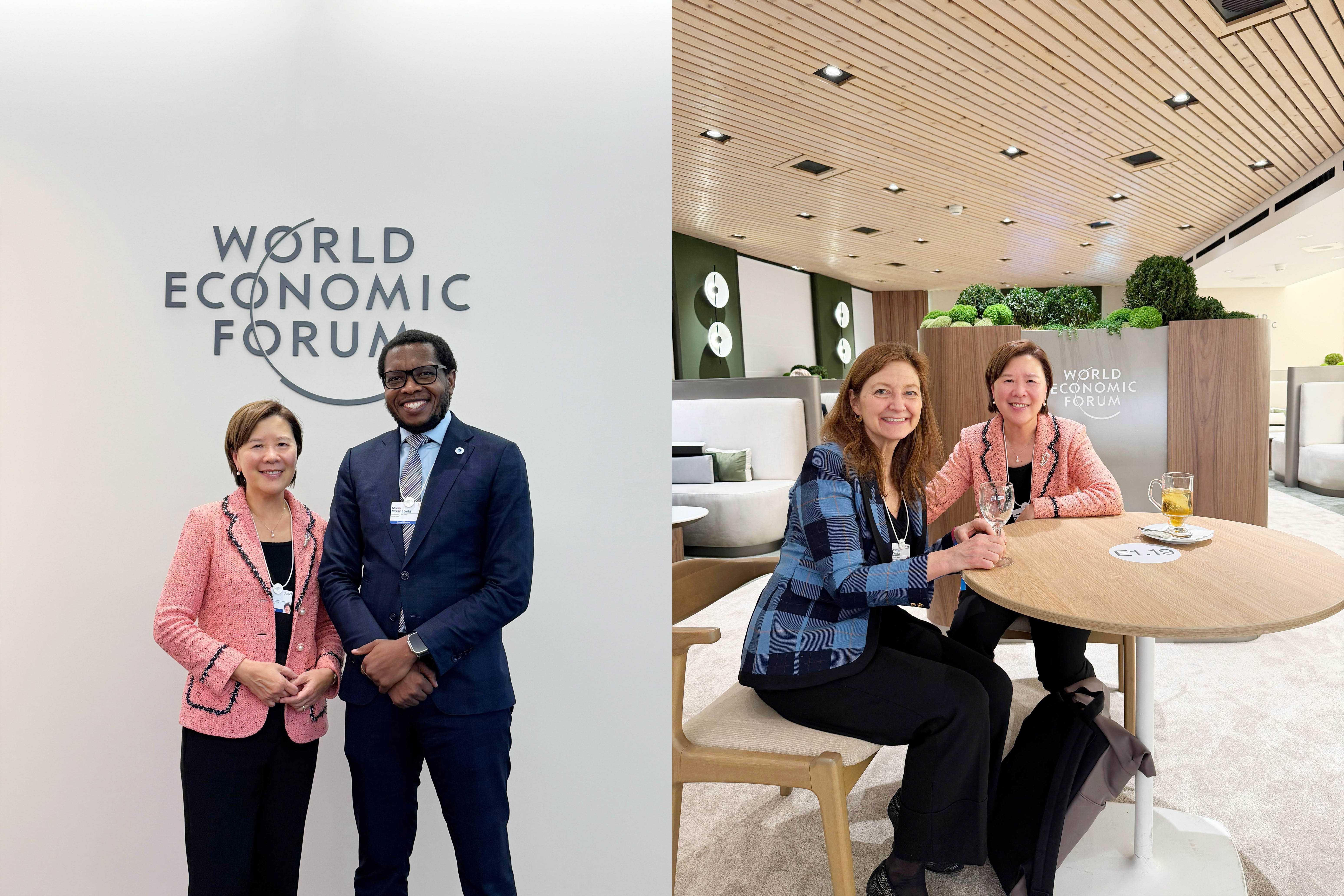
Prof. Nancy IP, President of The Hong Kong University of Science and Technology (HKUST), joined global leaders at the World Economic Forum (WEF) Annual Meeting 2026 in Davos-Klosters, Switzerland. As the sole university president representing Hong Kong, she participated in high-level dialogues on neuroscience, the evolving role of universities, the future of global research, and health innovation.
Held under the theme "A Spirit of Dialogue", this year's Annual Meeting convened over 3,000 esteemed leaders from government, business, civil society, and academia from more than 130 countries—including nearly 65 heads of state and about 850 top CEOs—to address complex geopolitical and technological challenges.
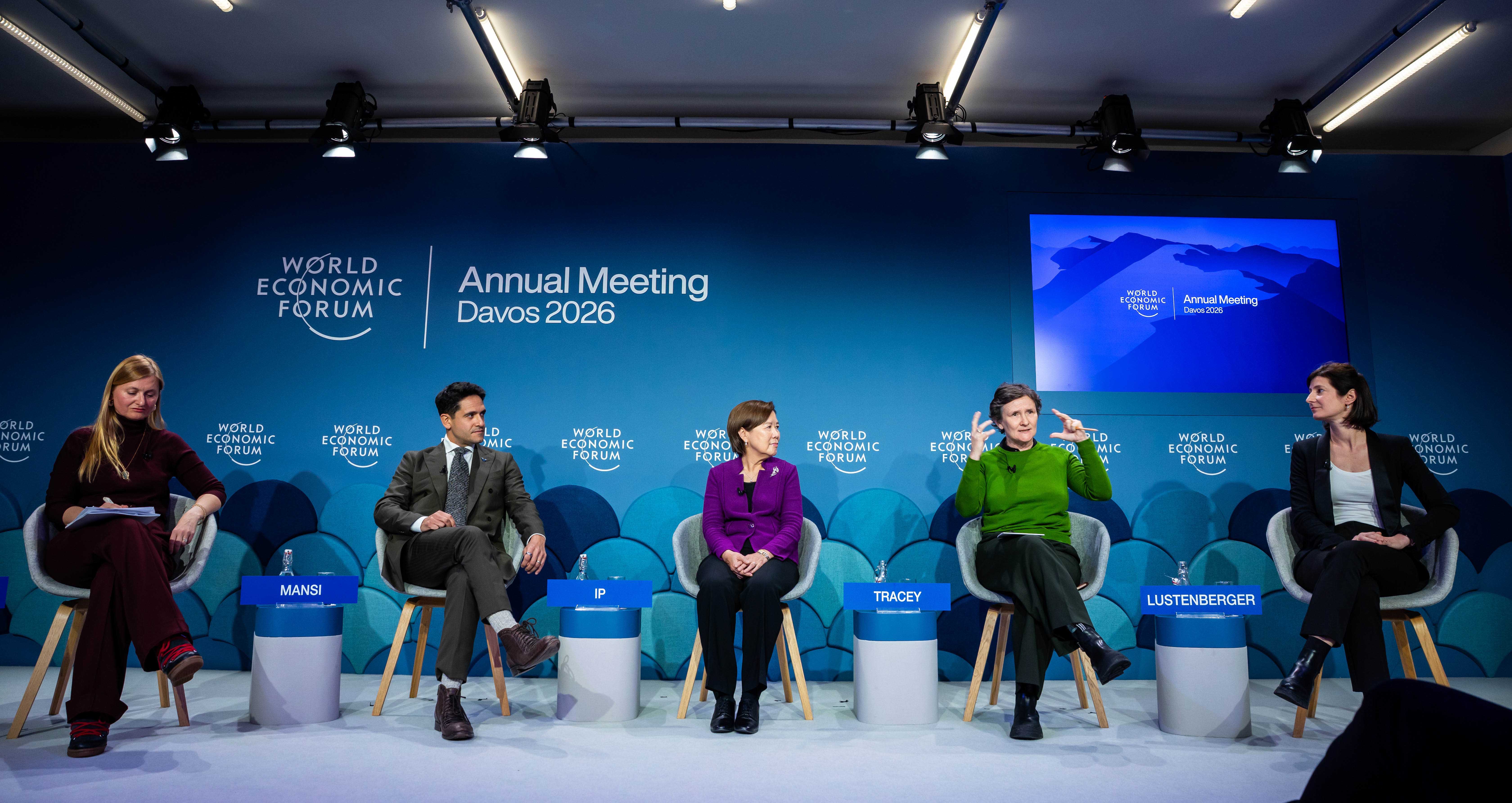
As an internationally acclaimed neuroscientist, President Ip contributed to the staged panel "Latest Discoveries about the Brain", alongside leading scientists and innovators from the University of Oxford, ETH Zurich, and health-tech company Viz.ai. She highlighted the paradigm shift in brain care driven by the convergence of neuroscience and technology, affirming the transformative potential of this integrated approach. "Molecular biology, imaging, and AI are enabling a true multi scale understanding of the brain, from molecules to networks to clinical outcomes."
"Our work on the profiling of multiple proteins in the blood enables us to predict Alzheimer's risk more than a decade before symptoms appear, monitor treatment response, and tailor interventions to individual's biology. This shift from reactive to proactive care, powered by blood tests, AI, and lifestyle insights, could truly transform how we preserve and restore brain circuits." President Ip believes this convergence is laying the foundation for precision medicine that harnesses the brain's intrinsic capacity to heal, adapt, and learn.
President Ip expanded on academia's institutional role at the Global University Leaders Forum (GULF), where she was the only Hong Kong representative. Speaking at the roundtable lunch on "Leadership in Transition: Universities and the World Ahead," she emphasized that universities must serve as public-good institutions, fostering dialogue, trust, and impartial exchange of ideas.
"Our mission must align with societal needs—from cultivating student diversity to preparing graduates as global citizens," she said. "Diversity enriches intellectual engagement and equips students to address complex challenges. Universities should prioritize social good over profit to remain anchors of integrity in a divided world."
She also highlighted the need for knowledge diplomacy and cross-sector collaboration. "Partnering with governments, industries, and philanthropies helps translate research into public value. By co-creating solutions with diverse stakeholders, universities can tackle real-world problems while maintaining academic independence—a balance key to sustaining trust and relevance."
President Ip also contributed to high‑level discussions on the future of research and the economics of healthcare. In the GULF roundtable "High‑Level Dialogue: Securing the Future of Research," she stressed that translating scientific discoveries into real‑world impact is essential.
"Safeguarding the future of research requires diversified and resilient funding models. Public-private partnerships stand out as a particularly robust approach," she stated. "The HKSAR Government has introduced various funding schemes, including matching funds, to enhance the innovation ecosystem by fostering collaborations between academia, industry, and venture capitalists. As another key initiative, InnoHK is dedicated to developing the city into a global hub for research collaboration by establishing world-class research laboratories in partnership with world-renowned universities and research institutes."
"Since 1999, HKUST has been committed to cultivating Hong Kong's entrepreneurial ecosystem. By bringing together government, investors, and industry, we have established joint laboratories across strategic research fields, building a dynamic environment that enables students and faculty to turn world class research into ventures with societal impact. With more than 1,900 active startups founded by our community, including 10 unicorns and 17 exits through IPO or M&A, HKUST continues to propel innovation and entrepreneurship in Hong Kong, across the region, and beyond," she added.
In a separate session on "Health Innovation as Economic Growth Strategy: Financing Smarter to Deliver Better Healthcare," President Ip remarked. "For too long, healthcare has focused on reacting to illness rather than preventing it. We must shift toward a proactive, predictive and deeply personalized model of care. By investing in preventive healthcare powered by AI, wearables, and edge computing, we can improve population health, boost economic productivity, and build more sustainable healthcare systems for all."
President Ip's presence at Davos underscored the vital role of leading research universities like HKUST as global hubs for frontier science and collaboration. Reflecting on the meeting, she affirmed the value of engaging with more than 20 fellow university presidents and other global leaders. "Participating in this unique convergence of global thought leaders was deeply rewarding. Davos provides an unparalleled environment for the cross-pollination of ideas to build a brighter future, and I am honored to contribute perspectives from HKUST and the dynamic region we represent. We remain committed to acting as a bridge for international partnership and sustainable innovation."
About The Hong Kong University of Science and Technology
The Hong Kong University of Science and Technology (HKUST) (https://hkust.edu.hk/) is a world-class university known for its innovative education, research excellence, and impactful knowledge transfer. With a holistic and interdisciplinary pedagogy approach, HKUST was ranked 6th in the QS Asia University Rankings 2026, 3rd in the Times Higher Education’s Young University Rankings 2024, and 19th globally and 1st in Hong Kong in the Times Higher Education’s Impact Rankings 2025. Thirteen HKUST subjects were ranked among the world’s top 50 in the QS World University Rankings by Subject 2025, with “Data Science and Artificial Intelligence” coming in 17th worldwide and first in Hong Kong. Our graduates are highly competitive, consistently ranking among the world’s top 30 most sought-after employees. In terms of research and entrepreneurship, over 80% of our work was rated “internationally excellent” or “world leading” in the Research Assessment Exercise 2020 of the Hong Kong’s University Grants Committee. As of July 2025, HKUST members have founded over 1,900 active start-ups, including 10 Unicorns and 17 exits (IPO or M&A).
For media enquiries, please contact:
PR and Media Team, Global Engagement and Communications Office
Email: media@ust.hk
Sign Up for Our Latest News
Latest News

Turning climate science and early warnings into practical action to protect people, strengthen infrastructure and finance resilience is the focus of the Climate Adaptation and Resilience Conference 2026 (CARE2026) at The Hong Kong University of Science and Technology (HKUST). Running from 8 to 10 October, the conference opened with calls to connect scientific knowledge with better preparedness and decisions that make cities more resilient.

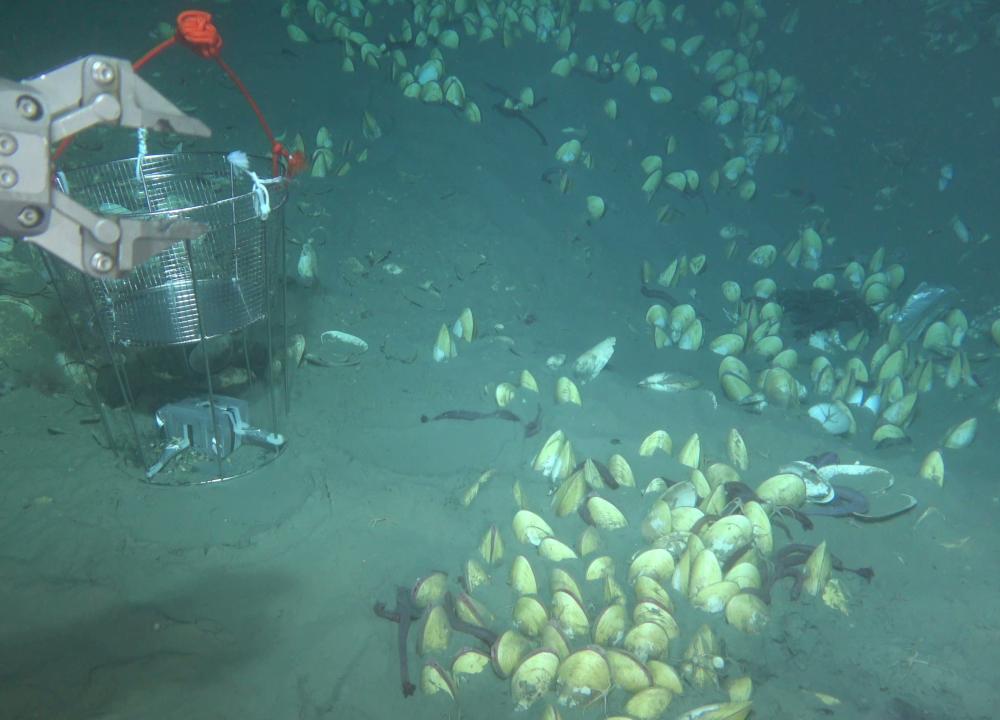
A research team led by Prof. QIAN Peiyuan, Chair Professor of the Department of Ocean Science at The Hong Kong University of Science and Technology (HKUST), in collaboration with international partners, has made significant progress in uncovering how deep-sea chemosynthetic symbioses cope with environmental change.