



HKUST and HKMA Launch PQC Toolkit to Support Banks’ Quantum Preparedness
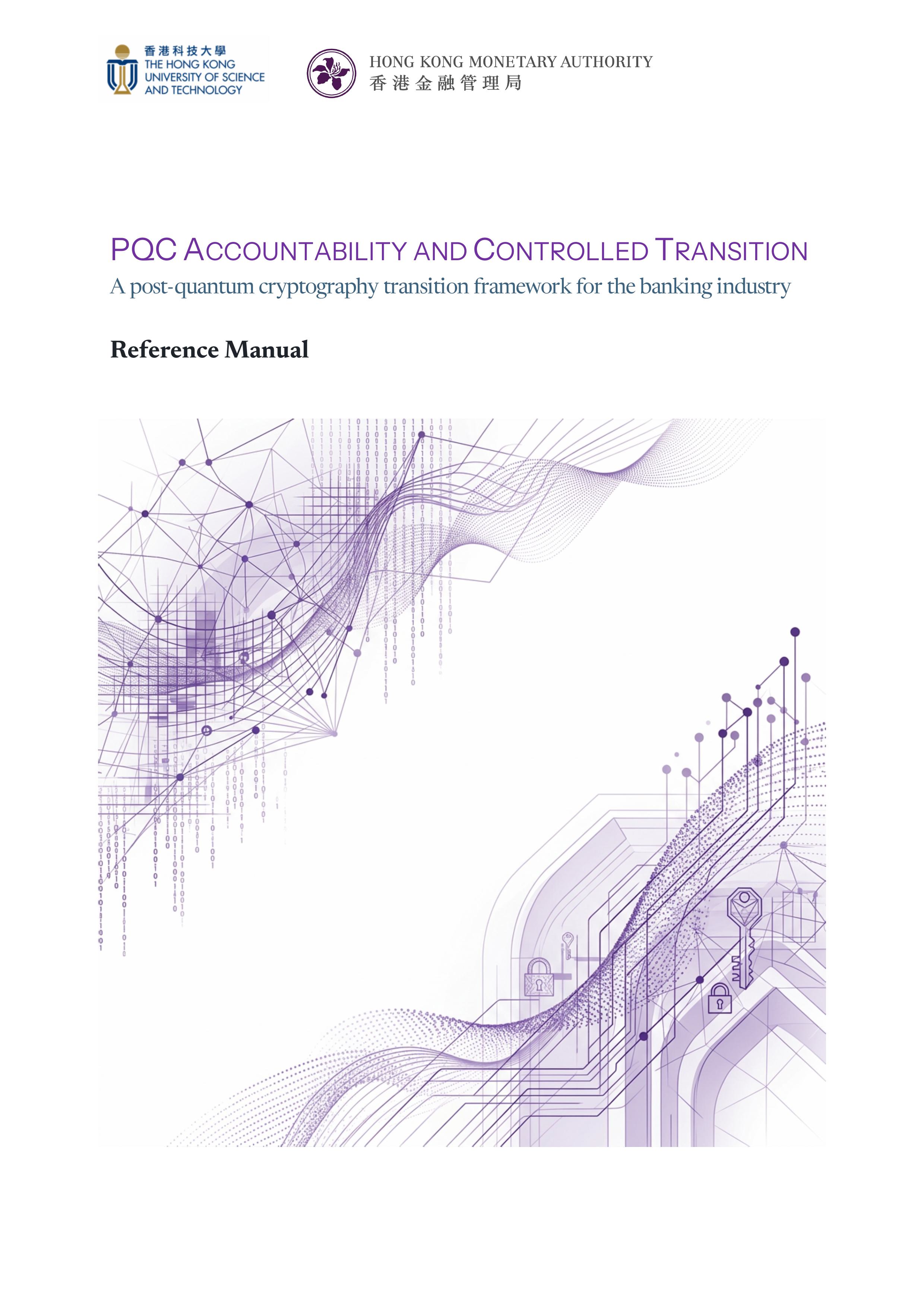
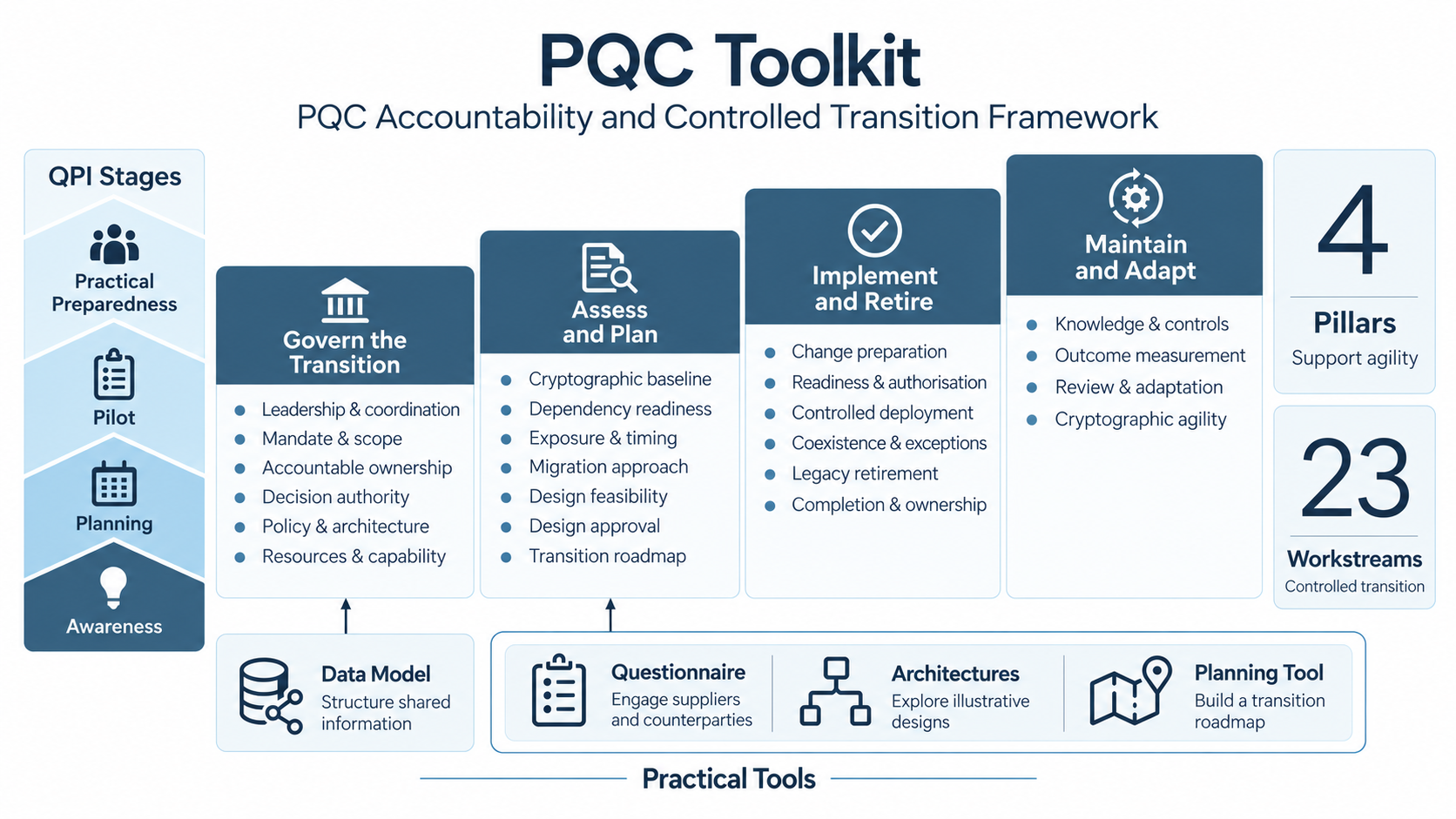
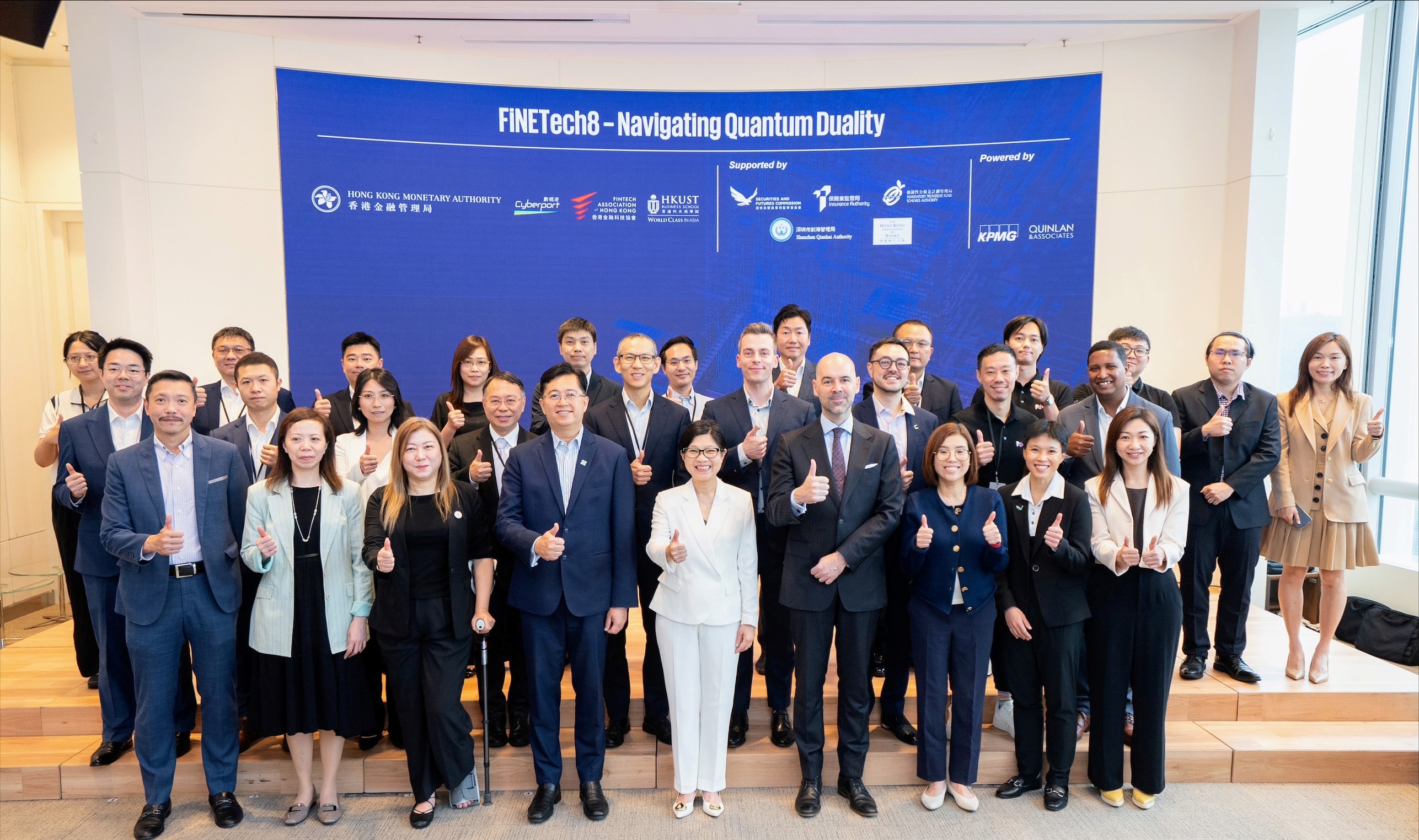
The Hong Kong University of Science and Technology (HKUST) and The Hong Kong Monetary Authority (HKMA) today (2 November) launched the Post-Quantum Cryptography (PQC) Toolkit (Toolkit), with support from industry participants. The Toolkit sets out a structured and comprehensive framework to guide banks in planning and advancing their PQC transition journeys.
The Toolkit supports banks in establishing clear governance and accountability, assessing cryptographic exposure, identifying transition needs, as well as monitoring implementation progress. The Toolkit also brings together key planning considerations to facilitate an orderly and risk-based transition.
In particular, the Toolkit includes a suite of practical tools to help banks get started with practical assessment and planning, such as taking stock of their cryptographic assets and dependencies, defining transition priorities, strengthening engagements with suppliers and developing practical transition timelines accordingly.
In response to the potential cybersecurity risks associated with future advances in quantum computing, the HKMA launched the Quantum Preparedness Index (QPI)1 in July 2026 to assess the banking sector’s preparedness for the quantum-safe cryptography. The initial QPI score of 2.3 out of 10 indicated that, while the sector had begun addressing quantum-related developments, its overall readiness for the transition to PQC remains at an early stage. Co-developed by the HKMA and HKUST, the Toolkit aims to support banks in translating awareness into concrete actions, driving the sector towards full quantum readiness, that is, a QPI score of 10 by 2030.
The collaboration reflects HKUST’s role in advancing understanding of emerging technologies and their implications for business and society. Drawing on the multidisciplinary expertise across cybersecurity, cryptography, finance, economics, corporate governance, and technology applications, HKUST is contributing to one of the critical challenges emerging from advances in quantum computing.
Mr. Arthur YUEN, Deputy Chief Executive of the HKMA, said, “The Quantum Preparedness Index has established a clear starting point for the sector. The next step is to help banks translate that understanding into clear responsibilities, informed priorities and practical plans. Through our collaboration with HKUST and the industry, the Toolkit provides a common foundation that banks can adapt to their own circumstances. Our aim is to make it easier for banks to begin the work and sustain progress throughout the transition.”
Prof. Frederik ANSEEL, Dean of the School of Business and Management at HKUST (HKUST Business School), said, “Preparing for the quantum era is a leadership challenge. Banks can build the knowledge and organizational capability they need even while the timing of the threat remains uncertain. Our collaboration with the HKMA and industry translates academic research and practical experience into guidance that banks can use. By starting with manageable steps and learning from trials, banks can strengthen their preparedness over time.”
The collaboration brings together the HKMA’s supervisory perspective, HKUST’s academic expertise and practical insights from the industry. Through this co-development approach, the Toolkit will be updated over time to reflect evolving technological developments, international standards and industry implementation experience. The PQC Toolkit is available via this link.
[1] HKMA launches quantum preparedness whitepaper and index to support banking sector’s readiness for quantum era (2026): https://www.hkma.gov.hk/eng/news-and-media/press-releases/2026/07/20260727-3/
About The Hong Kong University of Science and Technology
The Hong Kong University of Science and Technology (HKUST) (https://hkust.edu.hk/) is a world-class university renowned for its excellence in innovative education, research, and impactful knowledge transfer. Adopting a holistic and interdisciplinary approach to education, HKUST was ranked 33rd globally and 6th in Asia in the QS World University Rankings 2027 and QS Asia University Rankings 2026, respectively. It was also ranked 20th worldwide in the Times Higher Education Sustainability Impact Ratings 2026, placing first among universities in Hong Kong and the Chinese Mainland for the third consecutive year. Eleven HKUST subjects were ranked among the world's top 50 in the QS World University Rankings by Subject 2026. In addition, HKUST's Computer Science discipline, which encompasses areas such as artificial intelligence and machine learning, was ranked No. 1 in Hong Kong for the tenth consecutive year in the Times Higher Education World University Rankings by Subject 2026. Its graduates are highly competitive, consistently ranking among the world's top 30 most sought-after employees. In research and entrepreneurship, more than 80% of HKUST's research was rated "world-leading" or "internationally excellent" in the University Grants Committee's Research Assessment Exercise 2020. As of September 2026, HKUST members have founded more than 2,000 active start-ups, including 11 unicorns and 23 successful exits through initial public offerings (IPOs) or mergers and acquisitions (M&A).
About HKMA
The HKMA is Hong Kong’s central banking institution. The HKMA’s main functions are: (i) maintaining currency stability within the framework of the Linked Exchange Rate System; (ii) promoting the stability and integrity of the financial system, including the banking system; (iii) helping to maintain Hong Kong’s status as an international financial centre, including the maintenance and development of Hong Kong's financial infrastructure; and (iv) managing the Exchange Fund.
For media enquiries, please contact:
Public Affairs and Global Communications Office of HKUST
Email: media@ust.hk
Communications Division of HKMA
Email: press_office@hkma.gov.hk
Sign Up for Our Latest News
Latest News

The Hong Kong University of Science and Technology (HKUST) successfully hosted its annual Information Day for Undergraduate Admissions today, attracting more than 55,000 secondary school students, parents, and educators to experience the University’s innovative education, cutting-edge research achievements, and vibrant campus life. Ahead of the 2027/2028 academic year, HKUST highlighted its interdisciplinary offerings.
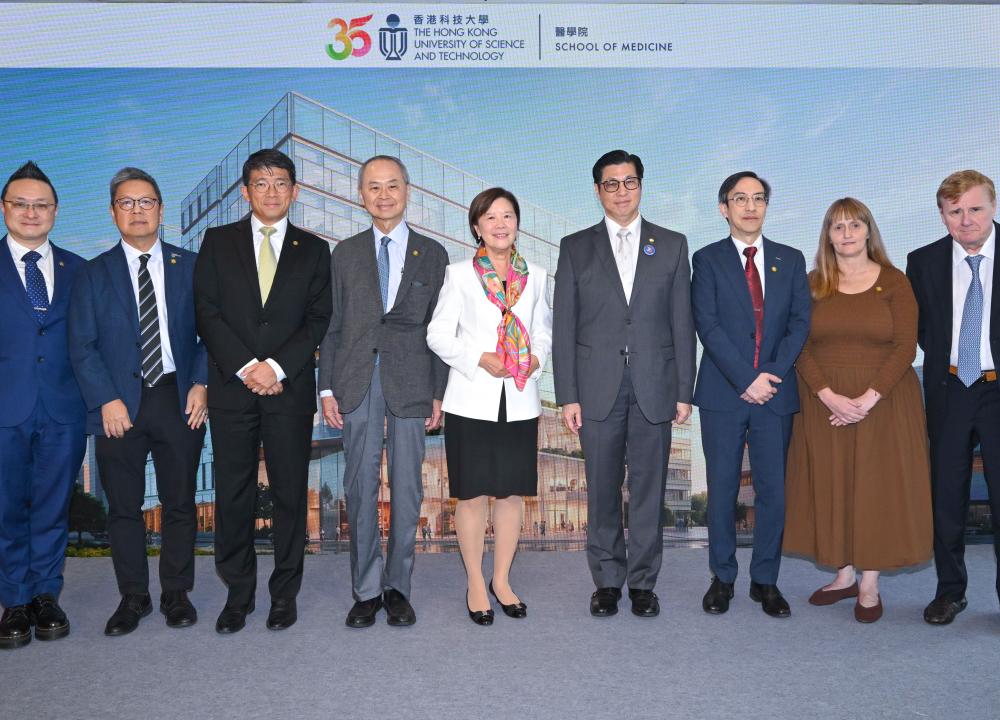
In less than a year since receiving Government approval to establish Hong Kong's third medical school, The Hong Kong University of Science and Technology (HKUST) has achieved a series of major milestones, including the advancement of key infrastructure, the completion of its curriculum framework, and the recruitment of internationally renowned academic and clinical leaders.
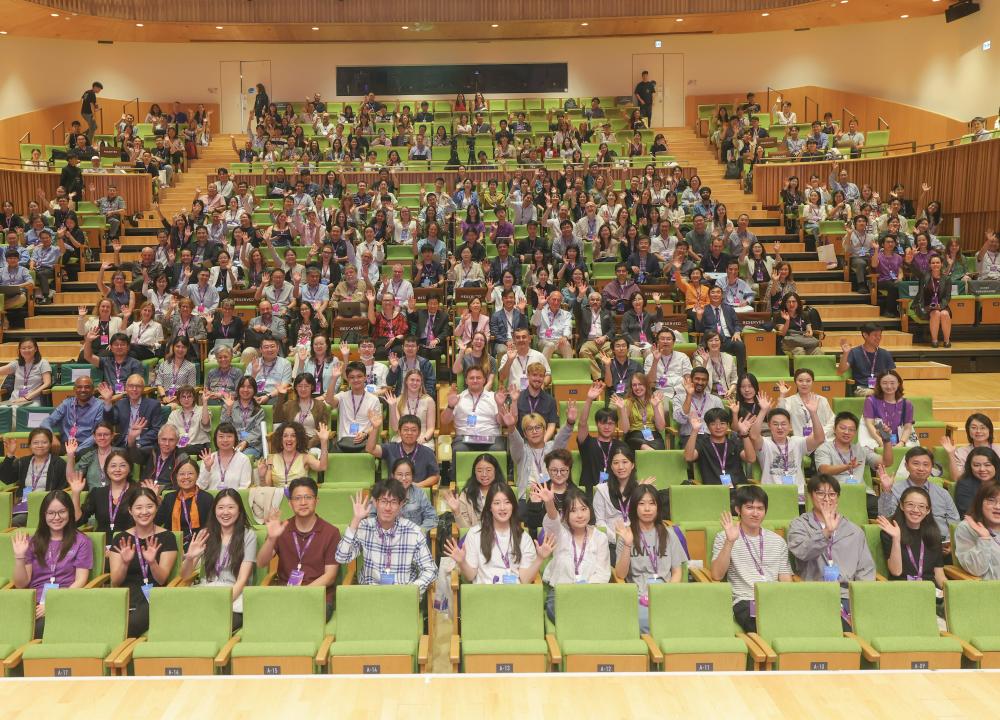
The Hong Kong University of Science and Technology (HKUST) recently hosted the "International Society for Molecular Neurodegeneration (ISMND) 2026 Conference". Centered on the theme “Cell Biology and Therapeutics of Neurodegenerative Diseases,” the event featured keynote lectures by Prof. Thomas SÜDHOF and Prof.