
News & Stories
2025
News
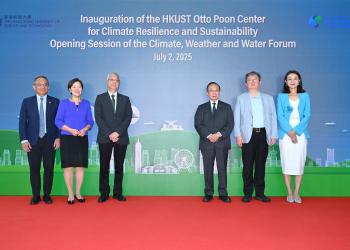
HKUST Unveils Otto Poon Center for Climate Resilience and Sustainability
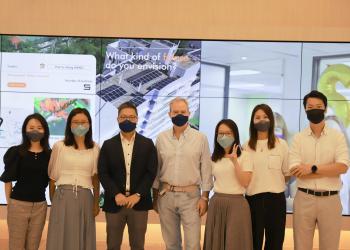
The Hong Kong University of Science and Technology (HKUST) today inaugurated the Otto Poon Center for Climate Resilience and Sustainability (CCRS), a transformative initiative designed to accelerate research, innovation and policy solutions in climate resilience and sustainable development. Established through the generous support of Ir Dr. Otto POON, Founder of the Otto Poon Charitable Foundation, the Center unites HKUST’s world-class expertise in climate science, advanced modeling systems, artificial intelligence (AI), renewable energy and sustainable policy to deliver scalable and actionable strategies for governments, industries, and communities worldwide.
News
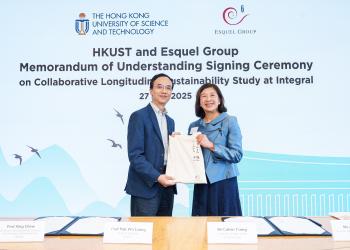
HKUST & Esquel Unveil Five-Year Study: Empowering Students for Sustainable Innovation
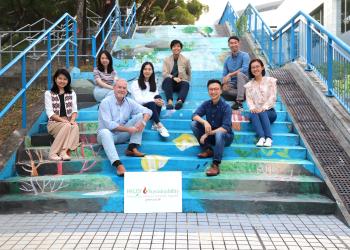
The Hong Kong University of Science and Technology (“HKUST”) has partnered with Esquel Enterprises Limited (“Esquel Group”) to launch a five-year study program that allows HKUST students to conduct biannual field research at the textile manufacturer’s 500,000-square-meter Sustainable Development Garden Integral, recognized as one of China’s top 20 sustainable development projects by the United Nations.
Guided by HKUST faculty, students will visit the garden twice a year in groups to assess and make recommendations regarding its sustainability impact on environmental monitoring and biodiversity conservation. This initiative marks another academic-industry collaboration aimed at accelerating the Greater Bay Area’s transition to a low-carbon economy.
News
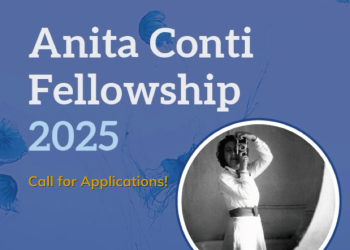
HKUST Partners with France on Pioneering Sustainability Research Exchange
The Hong Kong University of Science and Technology (HKUST) is proud to be the exclusive university partner of the Consulate General of France in Hong Kong & Macau for the Anita Conti Sustainable Innovation Fellowship, under the partnership framework of France-HKUST Innovation Hub.
The Fellowship pays tribute to Anita Conti (1899-1997), also known as « la Dame de la Mer » (the Lady of the Sea ) and the first French woman oceanographer and a pioneer in marine ecology, as well as her scientific contribution and commitment to the protection of the oceans. It aims to inspire the next generations of researchers, innovators, and environmentalists to address the challenges of climate change and its impacts on our planet.
2024
News
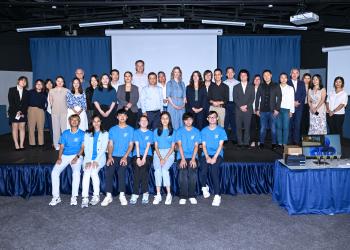
HKUST Explores Marine Sciences at French Science Festival
The Hong Kong University of Science and Technology (HKUST) hosted the French Science Festival with the theme “Oceans of Knowledge” from October 6-7, 2024, on campus for general public.Organized in partnership with the Consulate General of France in Hong Kong & Macau, the festival showcased HKUST's world-class capabilities in marine science research and education. Through a diverse range of public activities including talks, film screening, hands-on workshops, virtual reality experiences, and tours of HKUST's state-of-the-art Ocean Research Facility, participants delved deep into conservation and sustainable utilization of marine resources.
2023
Stories
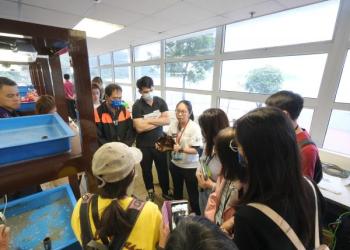
HKUSTours: Exploring Sustainability and Conservation at HKUST
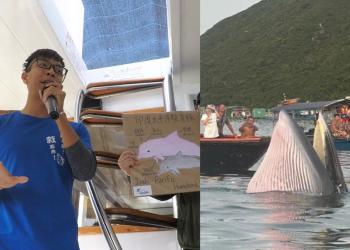
The Hong Kong University of Science and Technology (HKUST) launched HKUSTours in 2023, an innovative community engagement initiative in partnership with Kaifong Tour, a social enterprise founded by HKUST alumni. This ongoing program promotes sustainable tourism practices while fostering deeper appreciation for ecosystem conservation within our local community.Educational FocusHKUSTours offers visitors an immersive experience centered on the region's natural heritage and biodiversity. Through carefully curated tours of HKUST's picturesque Clear Water Bay campus, participants gain valuable insights into the area's rich natural resources and discover the university's sustainable development initiatives. The program emphasizes the critical importance of environmental and biodiversity conservation through engaging storytelling and hands-on experiences.